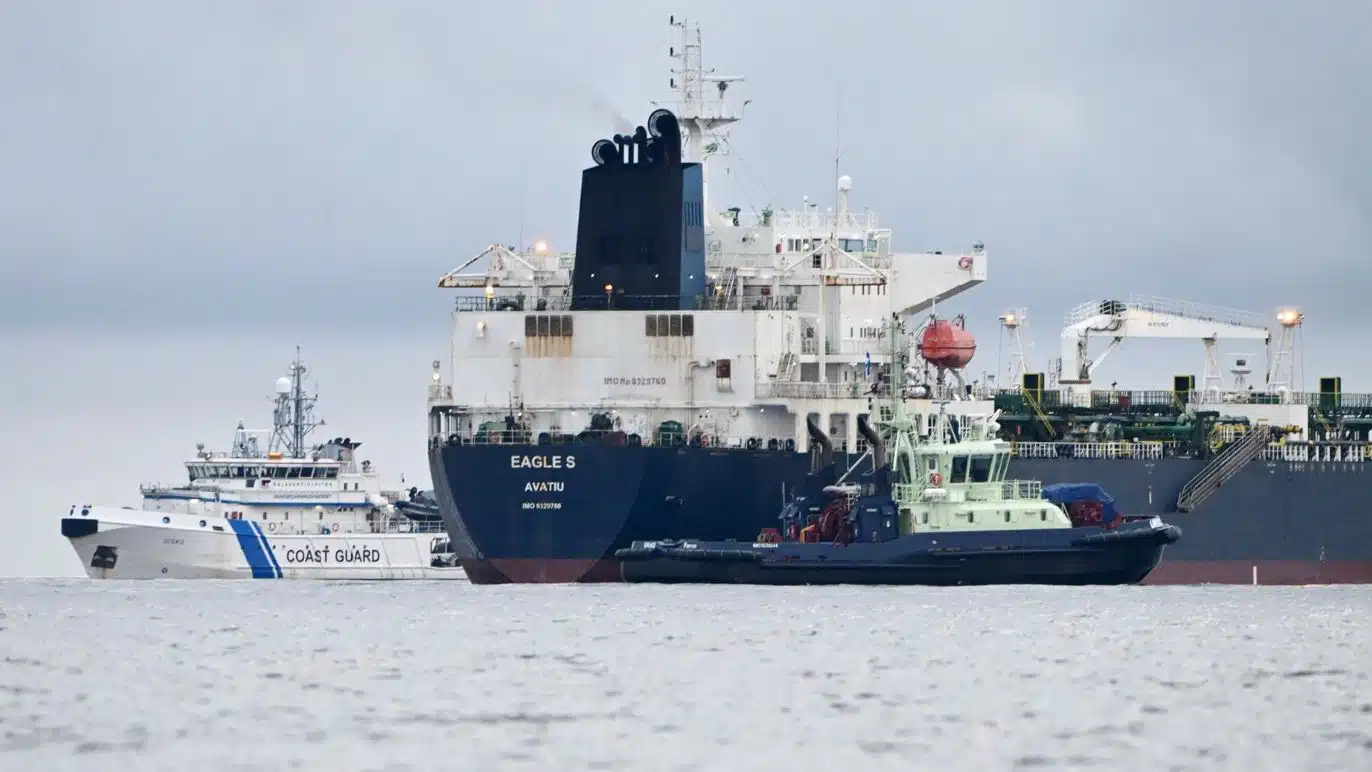
NATO has intensified its naval surveillance efforts in the waters off Norway, tracking both a Russian spy ship and a warship amid rising tensions and a marked increase in Russian naval activity in the region. The presence of these vessels has prompted a robust response from NATO allies, with joint operations and new defense pacts designed to safeguard critical undersea infrastructure and maintain stability in the North Atlantic.
Escalating Russian Naval Activity
Over the past year, NATO has observed a significant uptick in Russian naval movements near Norway’s northern coast. Most notably, the Russian intelligence ship Yantar and the Northern Fleet destroyer Severomorsk have been closely shadowed by NATO’s Standing Maritime Group 1 along the North Norwegian coast. The Yantar, officially designated as an oceanographic research vessel by Russia, is widely suspected by Western intelligence agencies of engaging in undersea surveillance and mapping operations targeting critical communication cables and military installations.
Recent reports confirm that the Yantar has been spotted loitering near sensitive areas, including the waters off Scotland and the Norwegian Sea, often coinciding with major NATO naval exercises or high-profile diplomatic visits. In one incident, the Yantar reportedly used lasers to interfere with RAF pilots, further heightening concerns about its intentions. The Severomorsk, a modern guided missile destroyer, has also been involved in live-fire drills and anti-submarine exercises in close proximity to Norwegian waters, raising alarm among regional defense officials.
NATO’s Response: Enhanced Surveillance and Joint Operations
In response to this growing threat, NATO has deployed additional maritime patrol aircraft and warships to monitor Russian naval movements. The Norwegian Air Force, operating Poseidon P-3 maritime patrol aircraft from Evenes Air Base, has conducted multiple sorties in coordination with Royal Air Force and US Navy assets. These flights have provided vital real-time intelligence on Russian vessel positions and movements, allowing NATO commanders to respond swiftly to any potential threats.
The UK and Norway have taken a leading role in bolstering regional security. In December 2025, the two countries signed a landmark defense pact establishing a combined fleet of advanced anti-submarine warships specifically tasked with tracking Russian submarines and safeguarding undersea cables in the North Atlantic. This initiative will see at least 13 anti-submarine vessels—five Norwegian and eight British—operating collaboratively in the waters between Greenland, Iceland, and the UK. The agreement also includes joint military exercises, the use of UK-produced Sting Ray torpedoes, and enhanced training for Royal Marines in sub-zero conditions.
Strategic Importance of the Norwegian Sea
The Norwegian Sea and adjacent waters are of immense strategic importance to NATO. This region serves as a crucial transit route for transatlantic communications, energy, and military reinforcements. Undersea cables running through the area connect Europe to North America, making them a prime target for potential Russian disruption.
Recent intelligence indicates that Russia has been mapping these cables using specialized vessels like the Yantar, raising fears of sabotage or espionage operations aimed at crippling NATO’s communication networks. The Norwegian Coast Guard has reported that the Russian cruiser Peter the Great, the largest vessel in the Northern Fleet, has been operating near the “Banana Hole,” a key sea area between Norway and Greenland. This region is vital for both commercial shipping and military logistics.
Regional Security and Diplomatic Implications
The increased Russian naval presence in northern waters has broader diplomatic and security implications. Norway, as a frontline NATO member, has repeatedly warned of Moscow’s “grey zone” activities, which include hybrid warfare tactics such as espionage, disinformation, and provocative military exercises. These actions are seen as an attempt by Russia to assert dominance in the Arctic and challenge NATO’s influence in the region.
NATO’s response has been both military and diplomatic. The alliance has stepped up its show of force with large-scale naval exercises, such as Trident Juncture, and has deployed additional maritime patrol assets to the Nordic region. At the same time, NATO countries are deepening their cooperation on undersea warfare, mine hunting, and autonomous systems to counter emerging Russian threats.
Technological and Tactical Developments
The evolving nature of naval warfare in the North Atlantic has driven rapid technological and tactical developments. NATO’s joint fleet will incorporate advanced sensors, torpedoes, and unmanned systems to detect and neutralize Russian submarines and surface vessels. The Royal Navy is adopting Norwegian naval strike missiles capable of engaging enemy ships at ranges exceeding 100 miles, while both countries are investing in motherships for uncrewed mine hunting and undersea warfare.
Joint wargaming and training exercises are also being conducted to prepare NATO forces for a wide range of scenarios, from conventional naval engagements to hybrid warfare and cyber attacks. These efforts are designed to ensure that NATO remains ready to respond to any threat, whether from Russian warships, submarines, or hybrid tactics.
Impact on Civilian Infrastructure and Global Connectivity
The protection of undersea cables and pipelines is a top priority for NATO and its allies. These critical infrastructures support global communications, energy distribution, and financial transactions. Any disruption could have far-reaching consequences for both military operations and civilian life.
Recent reports indicate that Russian naval activity has coincided with incidents of cable tampering and suspicious vessel movements near key infrastructure sites. NATO’s enhanced surveillance and rapid response capabilities are aimed at deterring such actions and ensuring the resilience of global connectivity networks.
Broader Geopolitical Context
The current standoff in the Norwegian Sea is part of a broader geopolitical struggle for influence in the Arctic and North Atlantic. Russia’s military build-up in the region, including the deployment of new submarines, surface vessels, and long-range aircraft, is seen as a direct challenge to NATO’s dominance.
NATO’s response reflects a commitment to collective defense and deterrence. By strengthening alliances, investing in advanced technology, and conducting regular exercises, NATO aims to maintain stability and prevent escalation in one of the world’s most strategically sensitive regions.
Final Words
NATO’s tracking of Russian spy ships and warships off Norway underscores the ongoing importance of maritime security in the North Atlantic. The alliance’s coordinated efforts, bolstered by new defense pacts and technological advancements, are crucial for protecting critical infrastructure and deterring potential threats. As Russian naval activity continues to rise, NATO’s vigilance and readiness will remain essential for maintaining peace and stability in the region.