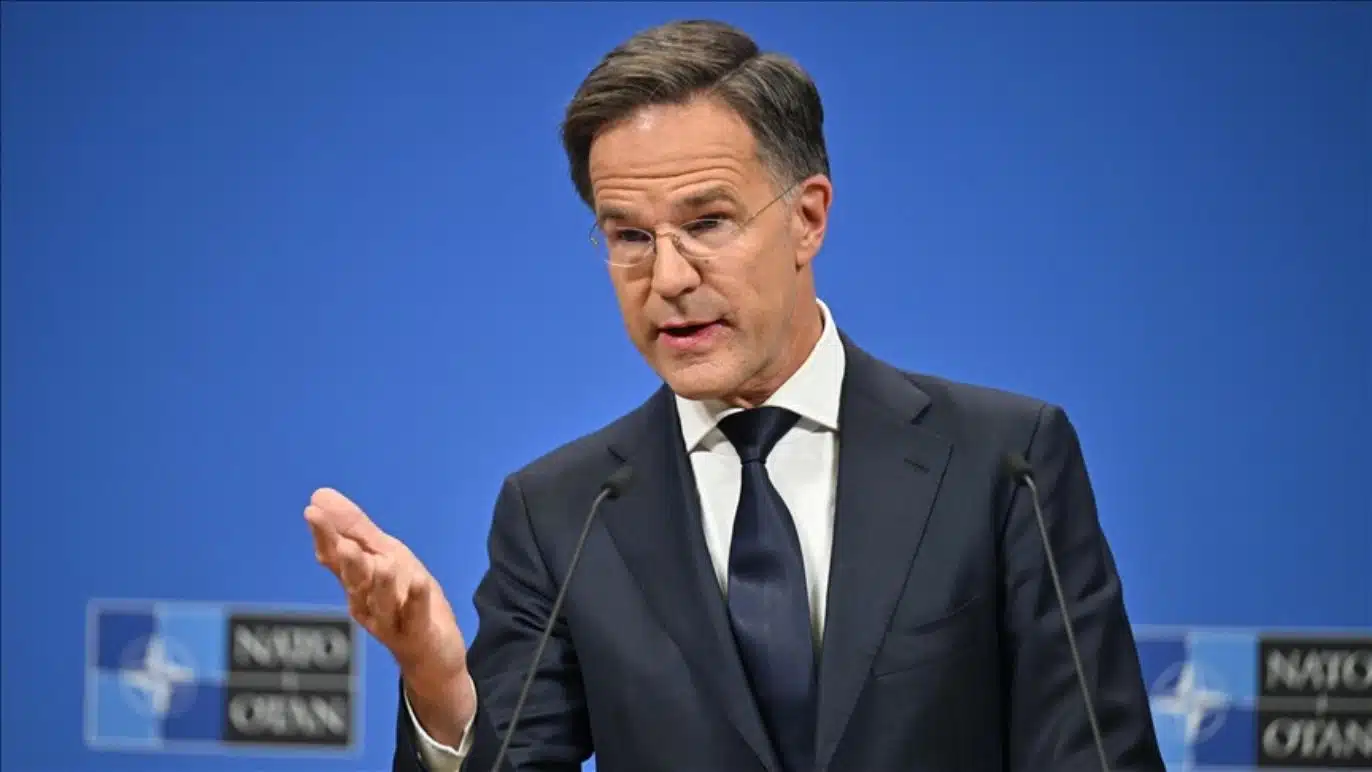
NATO Secretary General Mark Rutte has publicly defended the United States’ continued membership in the alliance amid growing calls from certain lawmakers in Washington to exit NATO. The debate has intensified as Republican Congressman Thomas Massie and Senator Mike Lee have introduced legislation to formally withdraw the U.S. from the transatlantic military bloc, arguing that NATO is a relic of the Cold War and no longer serves American interests. In response, Rutte has emphasized the enduring strategic importance of the U.S. presence in NATO and reaffirmed the alliance’s commitment to collective defense and European security.
NATO Chief’s Defense of U.S. Membership
Mark Rutte, speaking at recent events in Berlin and Brussels, stressed that NATO remains crucial for U.S. security and global stability. He highlighted that the United States is not part of NATO simply out of historical obligation, but because the alliance directly enhances American security interests. Rutte pointed to the U.S. National Security Strategy, which continues to recognize NATO as a cornerstone of transatlantic defense and cooperation. According to Rutte, the alliance’s strength lies in its ability to unite Europe and North America against common threats, especially in light of Russia’s ongoing aggression in Ukraine and the broader security challenges facing the West.
Rutte argued that the U.S. benefits from NATO’s collective defense mechanisms, including shared intelligence, joint military exercises, and rapid response capabilities. He also noted that the alliance enables the U.S. to project influence in Europe and beyond, supporting American diplomatic and strategic objectives. The Secretary General has repeatedly stated that the U.S. is “totally committed” to NATO’s mutual defense clause, which obligates members to come to each other’s aid in the event of an attack.
Lawmakers Push for U.S. Exit from NATO
Despite Rutte’s reassurances, a growing faction in the U.S. Congress is pushing for a dramatic shift in foreign policy. Representative Thomas Massie of Kentucky introduced HR 6508, a bill that would require the U.S. to formally notify NATO of its intention to withdraw, as stipulated by Article 13 of the North Atlantic Treaty. Massie’s bill criticizes NATO as a “Cold War relic,” argues that the alliance is outdated, and claims that the U.S. bears an unfair financial burden for European defense. He also contends that European allies are capable of defending themselves and that America should focus its resources on domestic security rather than foreign entanglements.
Senator Mike Lee has introduced companion legislation in the Senate, reflecting a broader isolationist sentiment within the Republican Party. Both lawmakers argue that the U.S. should not act as the “world’s security blanket” and should reassess its global commitments in light of shifting geopolitical realities. The proposed bills have sparked debate in Washington, with supporters warning that U.S. withdrawal from NATO could undermine transatlantic unity and embolden adversaries such as Russia.
Political and Strategic Implications
The push to exit NATO has far-reaching implications for U.S. foreign policy and the future of transatlantic relations. Analysts warn that U.S. withdrawal could weaken NATO’s deterrence capabilities, destabilize Europe, and signal a retreat from America’s traditional role as a global leader. The debate comes at a time when Russia’s war in Ukraine has underscored the importance of a united Western front, and when the U.S. is urging European allies to increase their defense spending and assume greater responsibility for their own security.
Rutte has acknowledged that the U.S. expects more from its allies, particularly in terms of defense spending and burden-sharing. He has called on European nations and Canada to invest more in their own defense capabilities, while also stressing the need for strong cooperation within NATO. The Secretary General has downplayed concerns about the Trump administration’s national security strategy, which places greater emphasis on the Indo-Pacific region and questions NATO’s expansion policy. Rutte maintains that the U.S. remains committed to NATO and that the alliance’s core mission of collective defense is unchanged.
Reactions from Allies and Experts
European leaders have expressed concern about the possibility of a U.S. exit from NATO. German Chancellor Friedrich Merz, speaking alongside Rutte, emphasized that Europe is investing in its own strength out of conviction, not because it is being pushed by Washington. Other allies have echoed this sentiment, warning that U.S. withdrawal would create a security vacuum and could embolden Russia and other adversaries.
Security experts have also weighed in on the debate. Some argue that NATO remains essential for deterring Russian aggression and maintaining stability in Europe, while others suggest that the alliance must adapt to new challenges and threats. There is broad consensus among analysts that a U.S. exit from NATO would have serious consequences for global security and could undermine the credibility of American commitments to its allies.
The Future of NATO and U.S. Commitments
The debate over U.S. membership in NATO is likely to continue as lawmakers, policymakers, and security experts grapple with the changing geopolitical landscape. Rutte and other NATO leaders are working to reassure allies of America’s continued commitment to the alliance, while also encouraging greater burden-sharing and investment in defense capabilities. The U.S. National Security Strategy acknowledges the importance of NATO and European security, but also calls for a more balanced distribution of responsibilities among alliance members.
As the debate unfolds, the future of NATO and U.S. foreign policy will depend on the outcome of congressional deliberations and the broader political climate in Washington. The stakes are high, with the potential for significant shifts in transatlantic relations and global security dynamics.
Key Takeaways
-
NATO Secretary General Mark Rutte has defended U.S. membership, emphasizing the alliance’s strategic importance and the mutual benefits for American and European security.
-
Lawmakers including Thomas Massie and Mike Lee have introduced legislation to withdraw the U.S. from NATO, citing concerns about the alliance’s relevance and financial burden.
-
The debate has sparked concern among allies and security experts, who warn that U.S. withdrawal could undermine NATO’s deterrence capabilities and global stability.
-
NATO leaders are urging greater burden-sharing and investment in defense capabilities, while reaffirming the U.S. commitment to collective defense.
-
The future of NATO and U.S. foreign policy will depend on congressional decisions and the evolving geopolitical landscape.
This ongoing debate highlights the complex interplay between domestic politics, strategic interests, and international alliances in shaping the future of global security. As NATO navigates these challenges, the role of the United States remains central to the alliance’s strength and credibility.