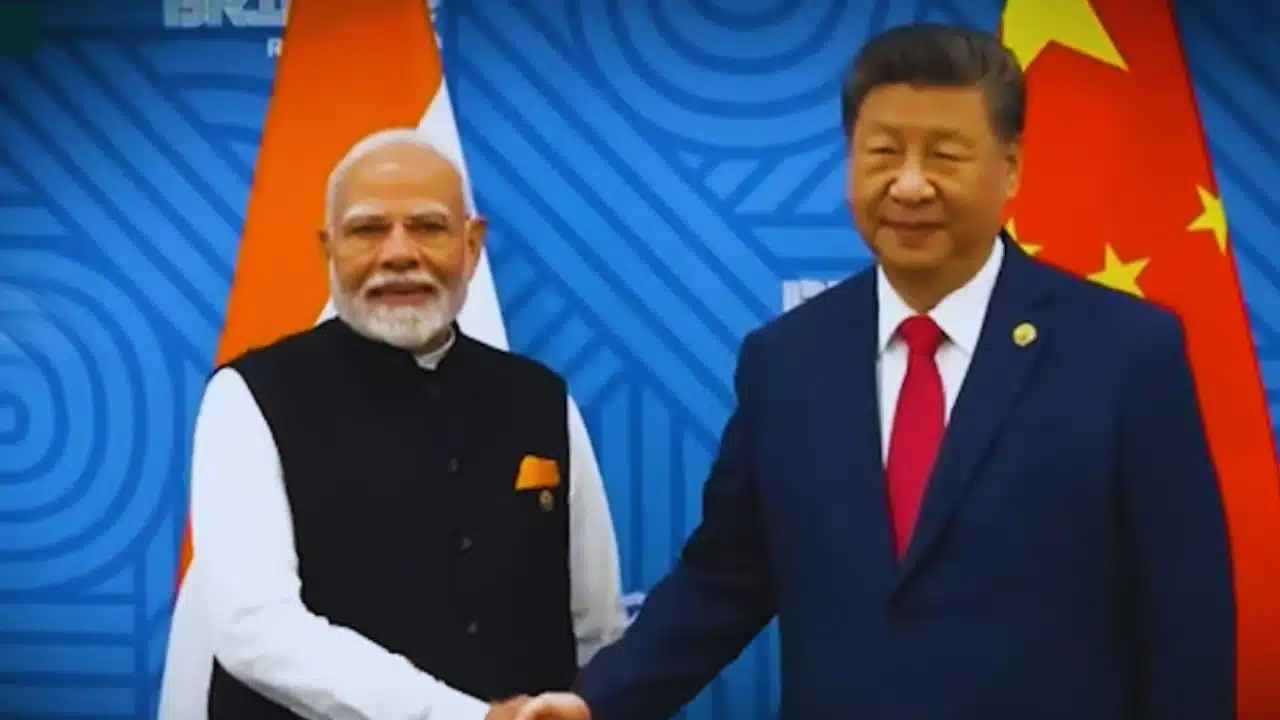
Indian Prime Minister Narendra Modi is likely to undertake a significant international tour later this month, with planned stops in Japan and China, according to people familiar with the development. The trip is expected to begin around August 29, although the Indian Ministry of External Affairs (MEA) has not yet released an official statement confirming the schedule.
This multi-nation tour could prove to be one of the most important diplomatic engagements of the year for India, especially at a time when geopolitical tensions and strategic alignments are reshaping Asia and the world.
First Stop: Japan – Strengthening a Long-Standing Partnership
In the first leg of his trip, PM Modi is likely to visit Japan to hold the annual India-Japan Summit with Japanese Prime Minister Fumio Kishida. This yearly bilateral summit is an important diplomatic tradition between the two countries and serves as a platform to review ongoing cooperation and set future goals across several sectors.
What’s on the India-Japan Agenda?
- Strategic Partnership: India and Japan share a “Special Strategic and Global Partnership.” Both countries have aligned interests in maintaining peace and stability in the Indo-Pacific region.
- Defense & Security Cooperation: Discussions are expected to include defense cooperation, maritime security, joint military exercises, and intelligence-sharing under frameworks such as the Quad (India, Japan, the US, and Australia).
- Economic Collaboration: Japan has consistently supported infrastructure development in India, including projects like the Mumbai-Ahmedabad bullet train, and this summit could push forward investments in smart cities, renewable energy, and digital technologies.
- Semiconductor and Tech Partnerships: With global attention on supply chain security, India and Japan are likely to discuss partnerships in semiconductors and advanced technology manufacturing.
The India-Japan summit is usually accompanied by joint statements and announcements of new bilateral initiatives. If confirmed, this meeting will reinforce both nations’ commitment to democratic values, free trade, and regional cooperation.
Second Stop: China – Modi May Attend SCO Summit Amid Strained Ties
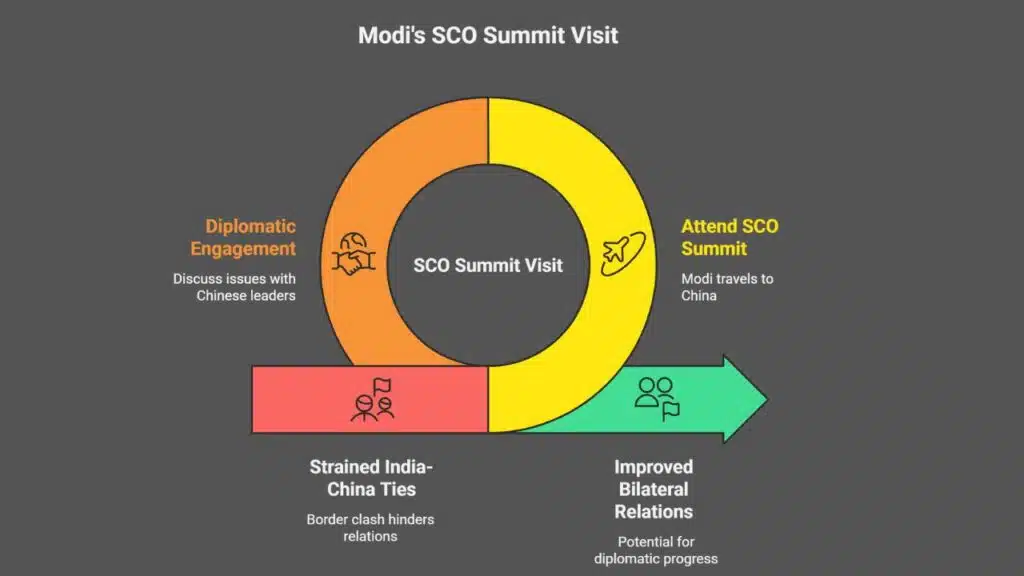
Following the Japan visit, Prime Minister Modi is expected to travel to China to participate in the Shanghai Cooperation Organisation (SCO) summit, which is scheduled to take place from August 31 to September 1.
This would be PM Modi’s first visit to China since the deadly 2020 Ladakh border clash, marking a potentially major diplomatic step if it takes place.
What is the Shanghai Cooperation Organisation (SCO)?
The SCO is a multilateral group founded in 2001, comprising:
- China
- Russia
- India
- Pakistan
- Four Central Asian nations: Kazakhstan, Kyrgyzstan, Tajikistan, and Uzbekistan
The organization focuses on regional security, counter-terrorism, economic cooperation, and connectivity. Over the past few years, India has actively engaged with the SCO, using it as a platform to engage with regional neighbors—including Pakistan and China—even when bilateral ties are tense.
India-China Relations Still Strained Since Border Standoff
If PM Modi does travel to China, it will be a major development in the context of India-China relations, which have remained fragile since the Galwan Valley clash in June 2020. In that deadly skirmish, 20 Indian soldiers and an unknown number of Chinese soldiers died, leading to the most serious military confrontation between the two countries in over four decades.
Key Points About the Border Tensions:
- Military Build-Up: Both countries have deployed tens of thousands of troops along the Line of Actual Control (LAC) in eastern Ladakh.
- Multiple Rounds of Talks: Over 20 rounds of military commander-level talks and diplomatic negotiations have taken place, but full disengagement has not been achieved in all areas.
- Trade Still Growing: Despite tensions, bilateral trade between India and China reached a record $136 billion in 2023, though India continues to push for reducing economic dependency on China.
While both sides have maintained official channels of communication, PM Modi has not visited China or held a full bilateral meeting with Chinese President Xi Jinping since the standoff began. His participation in the SCO summit could provide an opportunity for the two leaders to meet, though no bilateral talks have been officially confirmed.
Potential Outcomes If Modi Attends the SCO Summit in China
- Chance for Dialogue: Even though the SCO summit is a multilateral platform, it may create an opportunity for a brief meeting or informal exchange between Modi and Xi.
- Symbolic Significance: Modi’s presence would send a signal that India remains engaged in regional diplomacy and multilateral forums, despite tensions.
- Diplomatic Calculations: India may use the opportunity to raise security concerns, including cross-border terrorism, debt diplomacy, and Chinese influence in South Asia.
This will also be a chance for India to assert its position on a number of global issues like climate change, terrorism, and regional connectivity, especially as tensions grow between Western democracies and authoritarian powers like China and Russia.
No Official Confirmation Yet from Indian Government
Although reports from various credible media sources suggest that Modi is expected to visit both Japan and China starting around August 29, the Indian government has not yet officially confirmed the visit.
The Ministry of External Affairs (MEA) typically announces international travel plans only after logistics, security, and protocol details are finalized. A formal statement is expected closer to the planned dates.
Until then, all travel-related details remain speculative, and the final itinerary may change depending on regional developments, domestic factors, or international diplomatic conditions.
A Diplomatic Balancing Act for India
Prime Minister Modi’s possible visit to Japan and China later this month comes at a critical time for India’s foreign policy. While Japan represents a trusted strategic partner, China remains a complex neighbor with unresolved tensions.
- If Modi visits Japan, it will strengthen India’s role in the Indo-Pacific and push forward key bilateral agreements.
- If he visits China for the SCO summit, it may open limited doors for engagement and signal a willingness to participate in multilateral diplomacy, even with adversaries.
This potential two-nation tour will not only reflect India’s foreign policy balancing act but also underline Modi’s approach to managing rising Asian rivalries while keeping dialogue channels open.
As the world watches closely, the outcomes of this visit—if it occurs—could influence regional stability, strategic alignments, and India’s global image in the months to come.
The Information is Collected from The Hindu and Times of India.