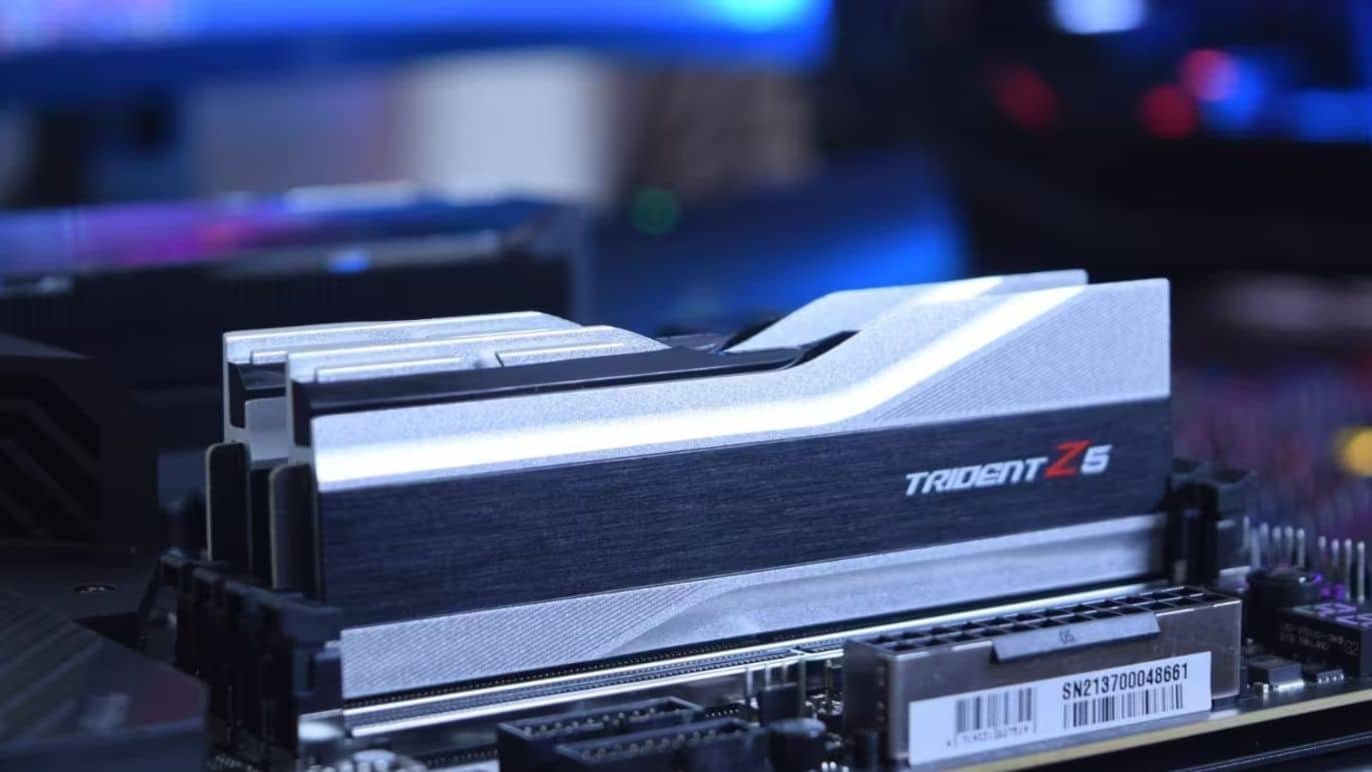
A looming global shortage of DRAM and NAND memory chips, fueled by explosive AI demand, is set to drive PC prices up by as much as 8% next year, according to market analysts. Major manufacturers like Dell and Lenovo have already signaled price hikes of 15% or more on pre-built systems, while some vendors sell PCs without RAM to cope with scarcity. This crisis, described as unprecedented by industry leaders, could reshape consumer tech markets well into 2027.
Roots of the Crisis
The memory crunch stems primarily from the insatiable appetite of AI data centers for high-bandwidth memory (HBM), which shares production lines with consumer-grade DRAM and NAND used in PCs. AI hyperscalers like those behind OpenAI’s projects have locked in multi-year contracts, consuming up to 900,000 HBM wafers monthly—far outpacing global output of around 350,000. Manufacturers such as SK Hynix report their entire 2026 capacity already allocated, leaving little for PCs, smartphones, and other devices.
Supply chains face additional strains from packaging bottlenecks, including shortages of through-silicon vias and precision bonders needed for HBM stacks. Only a few vendors produce these machines, creating 12-month backlogs, while substrate materials remain scarce. This has rippled into everyday memory: a 16GB DDR5 chip now costs $27, up sharply from earlier 2025 levels, with contract prices for DRAM and NAND surging 15-20% in Q4 2025 alone.
Historical parallels exist, like the 2018 crypto-mining boom or pandemic disruptions, but experts call this a “supercycle.” Unlike past shortages tied to temporary demand spikes, AI’s structural growth—coupled with manufacturers’ caution against overbuilding fabs costing billions—ensures prolonged tightness. TrendForce notes DRAM inventories have shrunk from 17 to 4 weeks, and firms like Micron have suspended price quotes to reallocate amid customer forecasts.
Price Surge Projections
IDC forecasts average PC acquisition costs rising 4-6% in a moderate scenario, or up to 8% in pessimistic outlooks, even as overall PC shipments contract 2.4-8.9%. Counterpoint Research predicts memory module prices could climb 50% through Q2 2026, hitting gaming rigs and high-end configs hardest. Real-world examples abound: one builder saw a PC jump from $1,900 to $2,500 due to RAM alone escalating from $210 to $750.
Suppliers plan 15-20% hikes from mid-2026, revising contracts accordingly. NAND flash, critical for SSDs, faces similar pressure; SanDisk announced 10%+ increases across products, while the global NAND market eyes $65 billion in 2026, dominated by AI shares. DDR4 phase-out exacerbates this, as DDR5 supply tightens for servers, stretching PC availability thin.
| Memory Type | Current Price Trend (Q4 2025) | 2026 Forecast Increase | Key Impact on PCs |
|---|---|---|---|
| DRAM (DDR5) | +72% index surge past 6 months | 20-50% modules | Higher RAM costs; 32GB configs +$130-230 |
| NAND/SSD | 15-20% contract spike | 10-30% enterprise | Storage upgrades +$765 in high-end |
| HBM (AI-driven) | Doubled in segments since Feb | Sold out through 2027 | Diverts consumer production lines |
These hikes aren’t uniform—enterprise PCs may absorb less via bulk deals, but consumer and gaming segments face the brunt.
Industry Responses Unfold
PC giants are adapting aggressively. Dell and Lenovo announced 15% adjustments, citing memory as the culprit, while Framework halted standalone RAM sales to deter scalpers. Some offer “RAM-less” pre-builts, forcing buyers to source modules separately at inflated rates. Lenovo stockpiles memory to balance price and availability, per Bloomberg reports.
Memory makers like Micron plan 20% shipment growth in 2026 but admit supply stays below demand, with CEO Sanjay Mehrotra warning of persistence beyond that year. Samsung and SK Hynix echo this, prioritizing long-term profitability over risky fab expansions that take years and billions. Intel faces related woes, with Intel 7 and 10nm shortages persisting into 2026 due to Xeon ramps and steady Raptor Lake demand.
Smaller players feel the squeeze too. Team Group warns the RAM crisis “has only just started,” with allocations drying up in Q1-Q2 2026. Silicon Motion’s CEO highlights a rare alignment: HDD, DRAM, HBM, and NAND all short simultaneously.
Consumer Fallout Hits Hard
For everyday buyers, this means tougher upgrades. A mid-range gaming PC requiring 32GB DDR5 could tack on hundreds; entry-level laptops might revert to 8GB configs to cut costs. The digital divide widens as low-end markets suffer—TrendForce predicts base smartphones dropping to 4GB RAM in 2026.
Gamers report $88 DDR5 sticks in February ballooning to $440 by late December 2025. Businesses face enterprise hikes of 10-30% on notebooks and desktops. PC Gamer notes this as “terrible news,” urging holds on upgrades unless essential.
Beyond PCs, smartphones shipments may dip 2.1%, and broader tech like USB drives suffers. Limited manufacturers—Samsung, SK Hynix, Micron dominate DRAM—amplify vulnerability.
Broader Market Ripples
This extends to servers, autos, and edge AI, where NAND demand for QLC SSDs accelerates amid HDD shortages. IDC sees DRAM supply growing just 16% and NAND 17% year-on-year in 2026, below norms. Cloud providers’ aggressive procurement tips balances, with high-stack 3D NAND sold out.
Economically, it delays AI productivity gains while inflating device costs across sectors. Reuters warns of project delays; S&P Global flags credit impacts on Asia tech hardware.
Historical Context and Lessons
Compare to 2018’s crypto crash, where prices plummeted post-boom, or 2021’s pandemic chip crunch easing by 2023. Today’s differs: AI demand grows steadily, not cyclically, deterring overcapacity. Post-2025 relief took 18 months historically, but forecasts here stretch to 2027-2028 as new fabs lag.
Past shortages spurred diversification; 2021 saw TSMC expansions. Yet caution prevails—memory “bubbles” burned firms before.
Expert Strategies for Buyers
Hold off if your rig lasts 2+ years; prices may stabilize in 6-12 months, though some say a decade. Prioritize used/refurbished RAM from trusted sources. Businesses: lock multi-year deals now.
Opt for 16-32GB minimums resilient to cuts. Monitor auctions cautiously—scalping thrives. For builds, pair efficient CPUs like AMD Ryzen to stretch memory.
Windows 11’s 4GB minimum helps, but 8GB feels bare. Linux users gain edge with lighter footprints.
Navigating Builds Amid Shortage
Step 1: Assess needs—gaming? 32GB DDR5; office? 16GB suffices.
Step 2: Source stockpiles from Newegg/Amazon pre-hikes.
Step 3: Consider laptops with soldered RAM for fixed costs.
Step 4: Explore enterprise surplus via eBay, verifying authenticity.
Warranty matters—buy from OEMs. Tools like PCPartPicker track pricing trends.
Long-Term Industry Outlook
Relief hinges on fabs: TSMC’s CoWoS eyes 25% output by late 2026, but AI outpaces. Micron’s $13.6B quarterly revenue (DRAM +69%) signals profits amid pain. A “memory supercycle” looms, with prices elevated through multiple cycles.
Innovation beckons: denser chips, but consumer trickle-down delays. Governments may intervene via subsidies, echoing CHIPS Act boosts.
Global Angles and Regional Pain
In South Asia and India, import reliance amplifies hits—local assemblers like those in Dhaka face 20-30% component jumps. Latin America and Europe see similar, with Portuguese/Spanish markets eyeing smartphone downgrades. China, NAND-heavy, pushes domestic fabs.
Enterprise shifts to cloud mitigate some pain, but SMBs struggle.
Policy and Innovation Horizons
U.S. policies under President Trump, post-2024 reelection, emphasize domestic semis via expanded CHIPS incentives. This could accelerate U.S. fabs, easing global strain by 2028. Meanwhile, edge AI grows, demanding efficient memory.
R&D focuses on next-gen like DDR6, but 2026 remains turbulent.