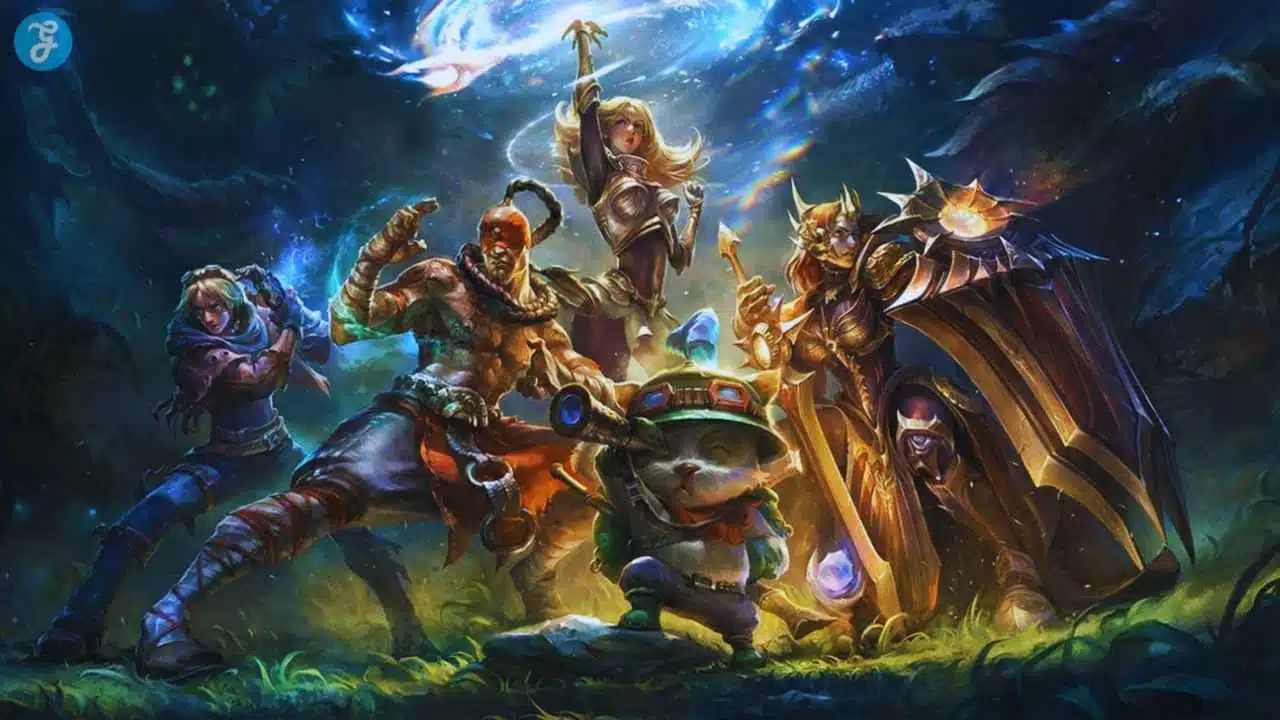
League of Legends overhaul 2027 is now on Riot Games’ public roadmap: the studio says it’s building a new “around-game” client that’s fully integrated with the in-game experience, plus a full visual overhaul of Summoner’s Rift with gameplay changes tied to that update, after the 2026 season.
What Riot announced and who is leading the message?
Riot’s latest update came via a social media post on December 18, 2025, pointing to “plans for League after 2026.” In the accompanying developer message, Riot outlined a broad set of upgrades intended to “lay the groundwork” for what it described as the game’s next era.
Two senior League leaders were highlighted in coverage of the announcement: Andrei van Roon, who leads Riot’s League studio group across multiple League titles, and Paul Bellezza, the Executive Producer of League of Legends. Their involvement matters because it suggests the 2027 effort is not a small feature project but a studio-level initiative that touches both the game’s core experience and the systems around it.
While Riot did not position the plan as a “League of Legends 2,” the company did confirm the direction players care about most: the client experience and Summoner’s Rift are both getting major work. The next step, Riot said, is continued information-sharing during 2026, before the larger changes arrive in 2027.
The new integrated client: what it is and why it’s a big deal
One of the clearest promises in the League of Legends overhaul 2027 plan is a brand-new “around-game” client that is “fully integrated” with the in-game experience. In plain terms, Riot is signaling a move away from the current split experience—where players interact with a separate client for many core functions—and toward a more unified flow.
If delivered as described, this shift could affect almost every part of the daily League routine, including:
- Logging in and account navigation.
- Friends and social features.
- Queuing and matchmaking flow.
- Champion select and pre-game configuration.
- Post-game progression, rewards, and match history access.
Riot did not publish technical details such as engine changes, platform requirements, or whether this will be a gradual migration versus a “big switch.” However, the intent is clear: streamline the path from launching the game to getting into matches, and reduce friction in the systems that live outside the actual 5v5 gameplay.
This is also where Riot’s “new player onboarding” goals connect to the client work. For many newcomers, the hardest part of League can be everything that happens before the match even starts—understanding runes, selecting summoner spells, learning roles, navigating menus, and interpreting progression systems. Riot specifically included onboarding among the areas targeted for improvement as part of the post-2026 plan, suggesting the client upgrade is not only about modernization but also about clarity and approachability.
Summoner’s Rift visual overhaul with gameplay tied to the update
Riot also confirmed a full visual overhaul of Summoner’s Rift, League’s flagship map. This matters for two reasons.
First, a “full” overhaul signals something beyond seasonal dressing or small environmental changes. Riot has already been experimenting with theming and presentation updates as part of its multi-season approach, but this announcement points toward a deeper rebuild of the map’s visuals.
Second, Riot added an important line: there will be gameplay changes tied to the visual update. That phrase suggests the 2027 project is not simply about making the Rift look better. Instead, Riot is linking art and gameplay together—often a sign that terrain readability, objective presentation, map clarity, or systems tied to the environment could be updated in tandem.
What remains unknown is the scope of those gameplay changes. Riot did not specify which systems might be touched, whether major objectives will change again, or how closely the gameplay changes will be coupled to the visual rebuild. Riot also has not yet outlined how competitive play will be handled during transition periods, which is typically a major concern when a map overhaul intersects with ranked integrity and esports stability.
Still, the direction is concrete the League of Legends overhaul 2027 plan includes both how the map looks and how at least some parts of it plays.
Quick clarity table: confirmed vs. not yet confirmed
| Area | Riot has confirmed | Riot has not confirmed yet |
| Client | New “around-game” client fully integrated with in-game experience | Release month, migration plan, hardware changes, exact feature list |
| Summoner’s Rift | Full visual overhaul + gameplay changes tied to visuals | Specific mechanics, objective redesigns, competitive rollout details |
| Systems around matches | Improvements to onboarding, runes, and pre-game systems | Exact rune changes, lobby flow redesign, tutorial scope and timing |
| Schedule | Post-2026 direction with target window in 2027 | Beta timing, phased launches, region-by-region rollout |
How 2026 sets the stage for the League of Legends overhaul 2027?
Riot’s 2027 announcement lands in a period where the company is already preparing major change for 2026. Riot’s published developer posts for 2026 describe sweeping goals: reshape the pace of games, reduce overload from objectives, adjust role influence, and smooth ranked experiences. Even though the 2027 overhaul is the headline, 2026 appears designed as the bridge year that reworks systems before the larger platform and presentation shift.
Riot’s 2026 Season One preview emphasizes that work is in progress and encourages testing feedback. It outlines meaningful changes to Summoner’s Rift gameplay, and Riot has also published a separate ranked-focused dev post that targets pain points such as matchmaking quality, autofill, queue times, and skill distribution.
This matters because many players will judge the League of Legends overhaul 2027 not only by how impressive it looks, but by whether 2026 changes make the game feel cleaner, fairer, and easier to understand. If 2026 delivers a more stable competitive experience, that creates more trust for a larger 2027 transformation.
2026 patch schedule snapshot (as published by Riot support)
| Patch | Scheduled date (PT) | Why it matters |
| 26.01 | January 8, 2026 (Thursday) | Signals the start of 2026’s first major cycle |
| 26.02 | January 22, 2026 (Thursday) | Early follow-up iteration window |
| 26.03 | February 4, 2026 | Continued tuning period |
| 26.04 | February 19, 2026 (Thursday) | Another early-season adjustment checkpoint |
| 26.24 | December 9, 2026 | End-of-year marker for the bridge year |
Riot notes that patch dates can change, but the schedule provides a rough structure for how often major updates can ship—and how many opportunities Riot has in 2026 to stabilize systems before 2027’s larger changes.
What the League of Legends overhaul 2027 could change next?
The most important thing Riot has done here is remove ambiguity the studio is publicly committing to a major post-2026 upgrade path, with two concrete pillars—an integrated client and a refreshed Summoner’s Rift—and additional work aimed at onboarding, runes, and pre-game systems.
What happens next is mostly about execution and communication. Riot has indicated players should expect more details throughout 2026, which likely means clearer timelines, previews, and testing windows as the 2027 plan moves from concept to concrete rollout steps.
For players, the practical implications are straightforward:
- The client experience may change how you navigate everything from queueing to rewards.
- The Rift overhaul may change how clearly the game reads, how the map feels, and how certain map-linked mechanics function.
- Newer and returning players may see improvements where League has historically been difficult: onboarding, configuration, and pre-game (where confusion often starts).
For competitive League, the key question is how Riot manages transition periods—especially if gameplay changes are truly tied to the Rift overhaul. Riot hasn’t published those details yet, but by anchoring the plan around 2026 as a lead-in year, the studio is signaling it intends to prepare the ground rather than rush a disruptive switch.
If Riot can pair 2026’s systemic cleanup with 2027’s platform and map modernization, the League of Legends overhaul 2027 could end up being less about novelty and more about longevity: keeping a 2009-era title competitive, readable, and welcoming for the next generation of players.