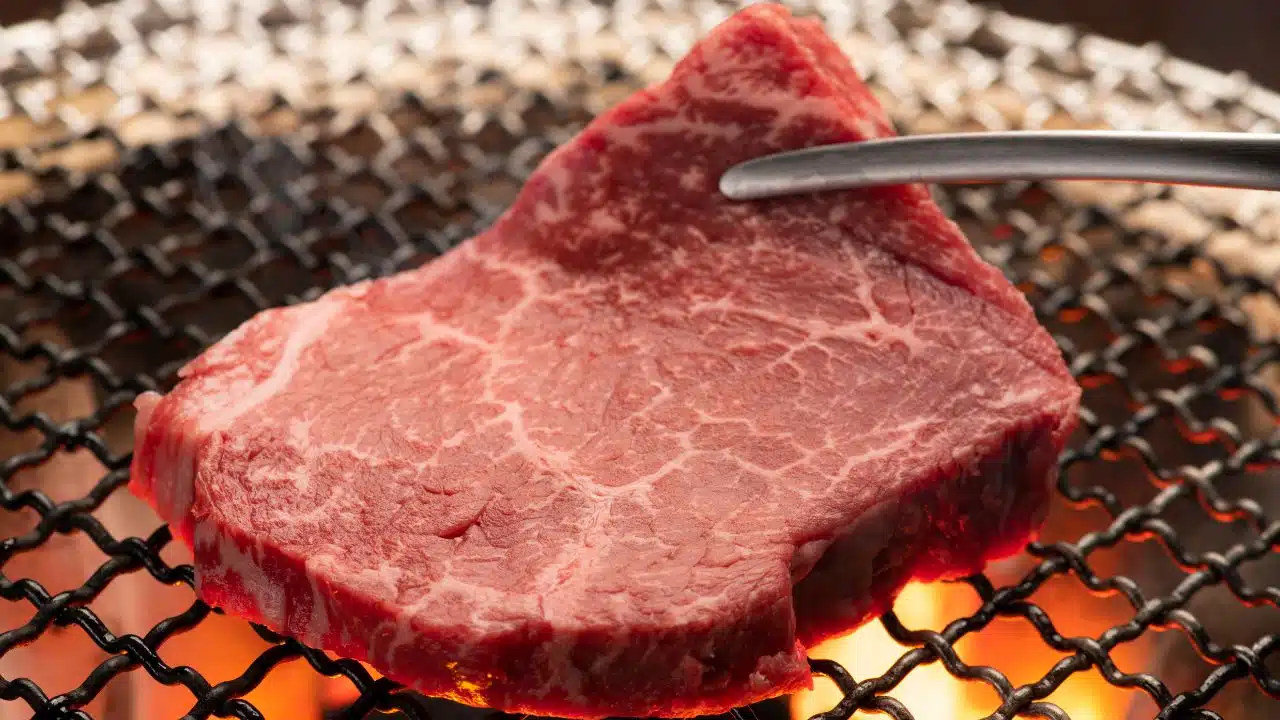
Japanese Wagyu is more than just a type of beef; it is a reflection of Japan’s rich agricultural history and cultural pride. The origins of Wagyu cattle can be traced back centuries, when livestock were primarily used as draft animals in rice cultivation rather than for meat. Over time, selective breeding for endurance and muscle density inadvertently led to the development of intricate marbling. This marbling, now a defining characteristic of Wagyu, was never the original goal but emerged as a remarkable byproduct of generations of precise breeding. The historical journey from fieldwork to fine dining adds to the mystique that surrounds Wagyu today.
The breed’s genetic heritage is carefully protected, with Japan enforcing stringent regulations to preserve purity. There are four recognized breeds: Japanese Black, Japanese Brown, Japanese Shorthorn, and Japanese Polled, each offering subtle variations in flavor and texture. Japanese Black cattle, prized for their superior marbling, dominate the premium market. These cattle are not just animals; they are living embodiments of meticulous record-keeping and lineage tracking. Japan’s prohibition on exporting live breeding cattle ensures that authentic Wagyu genetics remain firmly rooted in their homeland.
This dedication to heritage results in beef that cannot be replicated elsewhere with complete authenticity. While other countries have developed their own Wagyu-style beef, the cultural and environmental context in Japan is an inseparable part of the product’s quality. Soil composition, regional feeding practices, and traditional husbandry techniques all play a role in shaping Wagyu’s identity. For global consumers, enjoying true Japanese Wagyu is not simply about taste but about connecting with a centuries-old tradition.
Marbling: The Signature of Luxury
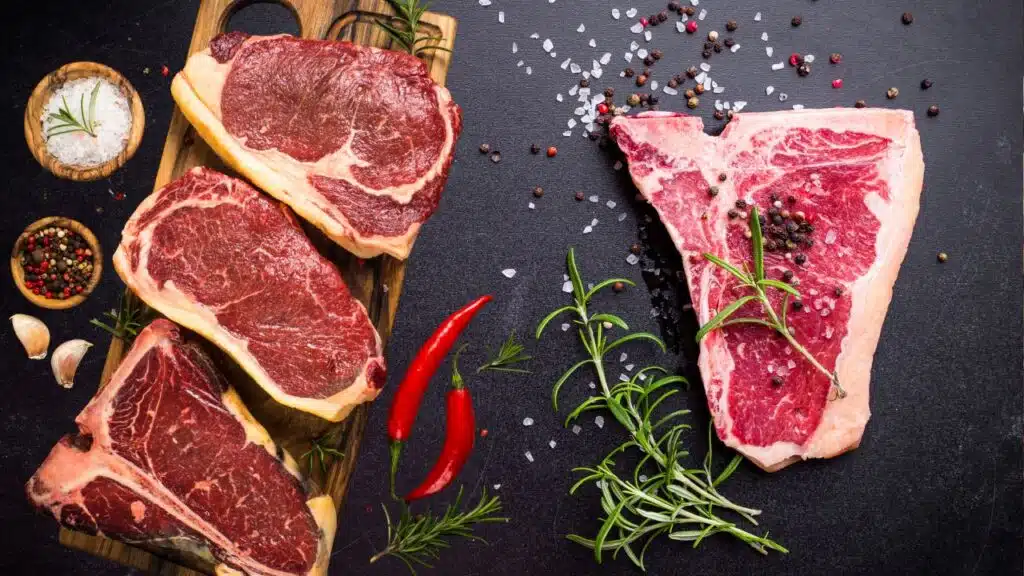
The most visually striking and sensory-defining trait of Japanese Wagyu is its marbling. Marbling refers to the fine strands of intramuscular fat woven throughout the muscle fibers, creating a snowflake-like pattern. This delicate fat structure is unlike anything seen in conventional beef breeds, both in density and in its low melting point. When cooked, the fat melts seamlessly into the meat, infusing it with a rich, buttery flavor and extraordinary tenderness. This results in a dining experience that is at once indulgent and refined.
Japan’s grading system measures marbling with scientific precision. The Beef Marbling Score (BMS) ranges from 1 to 12, with scores above 8 considered exceptionally rare and valuable. Japanese Wagyu often achieves scores in the 10 to 12 range, a feat that reflects both the breed’s genetic predisposition and the farmers’ care. In addition to marbling, the grading system evaluates meat color, firmness, and fat quality, ensuring that each cut meets exacting standards. The emphasis on detail in grading underscores the product’s premium nature.
For diners and chefs alike, marbling is more than an aesthetic appeal; it is a hallmark of quality. It guarantees a particular sensory experience that is consistent yet nuanced with each cut. The interplay between fat and muscle creates layers of flavor that unfold with every bite. This is why Japanese Wagyu commands respect in culinary circles worldwide, and why it remains a benchmark for luxury beef.
From Pasture to Plate: The Art of Rearing Wagyu
Raising Japanese Wagyu is an exercise in patience, skill, and respect for the animal. Farmers prioritize a stress-free environment, understanding that stress can affect muscle quality and fat distribution. Wagyu cattle are often raised in smaller herds, allowing for closer monitoring and individualized care. Their diets are tailored, often including rice straw, barley, corn, and wheat bran, along with clean water and occasional supplements. This combination of nutrition and care ensures optimal marbling and flavor development.
The rearing period for Wagyu cattle is longer than that of typical beef breeds, often extending to 28 or 30 months. This extended growth period allows for gradual fat deposition, producing the intricate marbling patterns that define the meat. Farmers frequently monitor the animals’ weight and health, adjusting diets and care as needed. Such diligence is not about maximizing speed or volume but about cultivating the highest possible quality in each animal.
The journey of authentic Wagyu from farm to table depends on trusted sources that value heritage breeding and attentive animal care. Among these, premium online Wagyu retailers such as Destination Wagyu partner with select Japanese farms while presenting a carefully curated selection of premium cuts that reflects slow, low-stress rearing with balanced nutrition. That coordination safeguards provenance, grading transparency, and cold-chain integrity from ranch to doorstep. The result is beef that embodies cultural heritage and exceptional craftsmanship.
Culinary Versatility and Global Appeal
Japanese Wagyu’s unique flavor and texture profile have made it a prized ingredient across a wide range of culinary traditions. Its high fat content requires a careful, measured approach to cooking, as even gentle heat can release its delicate aromas and flavors. In Japan, Wagyu features in traditional dishes such as sukiyaki, shabu-shabu, and yakiniku, each of which highlights the meat’s tenderness in different ways. Internationally, it is equally at home in haute cuisine and modern fusion menus, adapting seamlessly to diverse techniques.
The adaptability of Wagyu stems from its balance of flavor and texture. Chefs value it for its consistent quality, which allows them to focus on creative presentation without compromising taste. In fine dining, Wagyu is often the centerpiece of tasting menus, paired with carefully chosen wines or sake to enhance its natural richness. Its flavor complexity means it can carry both bold and subtle seasonings, making it a versatile canvas for culinary artistry.
In-home kitchens, Wagyu offers an opportunity for elevated cooking without requiring elaborate preparation. Simple searing or grilling allows its qualities to shine, while incorporating it into familiar dishes like burgers or stir-fries brings a touch of luxury to everyday meals. This versatility, combined with its cultural heritage, ensures Wagyu’s enduring appeal in markets worldwide.
The Economics of Exclusivity
The premium status of Japanese Wagyu is reinforced by its scarcity and the high cost of production. Limited supply stems from strict breeding controls, small-scale farming, and extended rearing times. Each of these factors raises the cost per animal, which in turn increases the market price for each cut of meat. The investment in time, labor, and resources ensures that the final product meets the highest standards of quality.
Export restrictions play a significant role in maintaining Wagyu’s exclusivity. Only select suppliers are authorized to export Wagyu outside of Japan, and each shipment undergoes thorough inspection. These measures not only protect the authenticity of the brand but also safeguard against market dilution by inferior products. For the global consumer, this means a high level of trust in the integrity of the product they purchase.
The high price of Wagyu positions it alongside other luxury goods, from fine wines to rare truffles. Consumers purchasing Wagyu are often as interested in the story and craftsmanship as they are in the flavor. This alignment with the luxury market reinforces its appeal to those who value quality over quantity and are willing to invest in exceptional dining experiences.
Nutritional Profile and Health Considerations
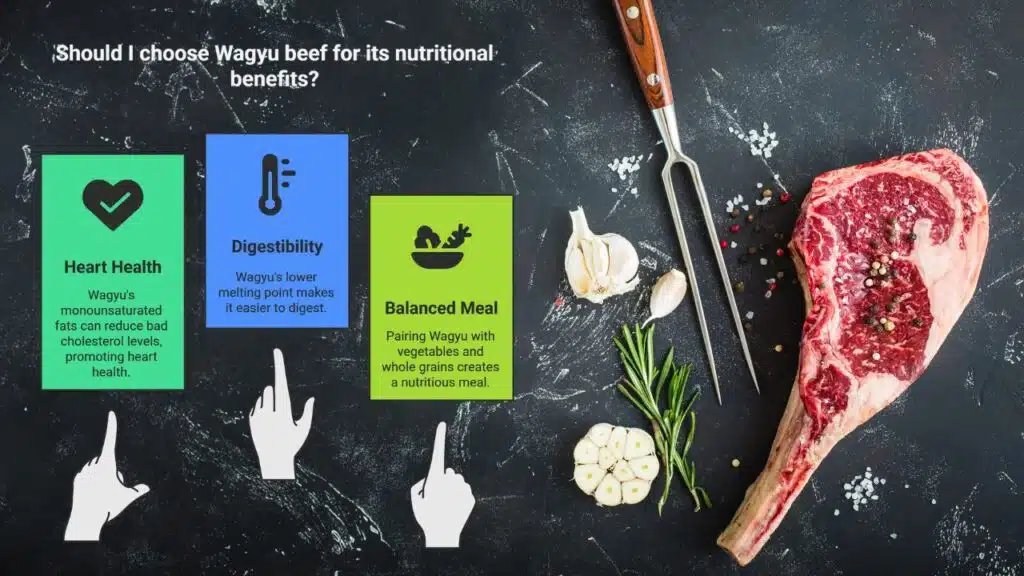
Japanese Wagyu’s rich marbling might suggest an indulgence to be approached with caution, yet its fat composition offers unique nutritional advantages. A significant portion of its fat is made up of monounsaturated fatty acids, particularly oleic acid, which is associated with heart health. This gives Wagyu a favorable lipid profile compared to other high-fat meats. The lower melting point of Wagyu fat also contributes to its digestibility.
Research suggests that monounsaturated fats can help reduce bad cholesterol levels when consumed in moderation. This positions Wagyu as a more health-conscious choice among indulgent foods. While it is still calorie-dense, the balance of fats makes it a better option than many perceive. This nutritional profile adds another layer to its premium positioning, offering both luxury and health awareness.
Of course, portion control remains essential. Wagyu’s richness means that smaller servings can still deliver a satisfying experience. Pairing Wagyu with vegetables, whole grains, or fresh salads can create a balanced meal that combines indulgence with nutrition. This mindful approach allows diners to enjoy the best of both worlds.
The Experience Beyond the Meat
Eating Japanese Wagyu is as much about the experience as it is about the taste. Presentation plays a vital role, whether the beef is served in a minimalist Japanese setting or as part of an elaborate Western fine dining spread. The anticipation begins the moment the meat arrives, often in premium packaging that signals the quality within. Every stage, from unwrapping to cooking, becomes part of the ritual.
In Japan, the cultural significance of Wagyu is reflected in the way it is served. Communal dining experiences, such as hot pots or shared grills, foster connection among diners and enhance appreciation for the meat’s qualities. These traditions add depth to the enjoyment of Wagyu, linking the meal to a broader cultural narrative.
For global consumers, the allure of Wagyu lies in its ability to transcend geography. It represents a blend of artistry, heritage, and flavor that few other foods can match. Whether enjoyed in Tokyo or New York, it offers a sensory journey rooted in one of the world’s most celebrated culinary traditions.