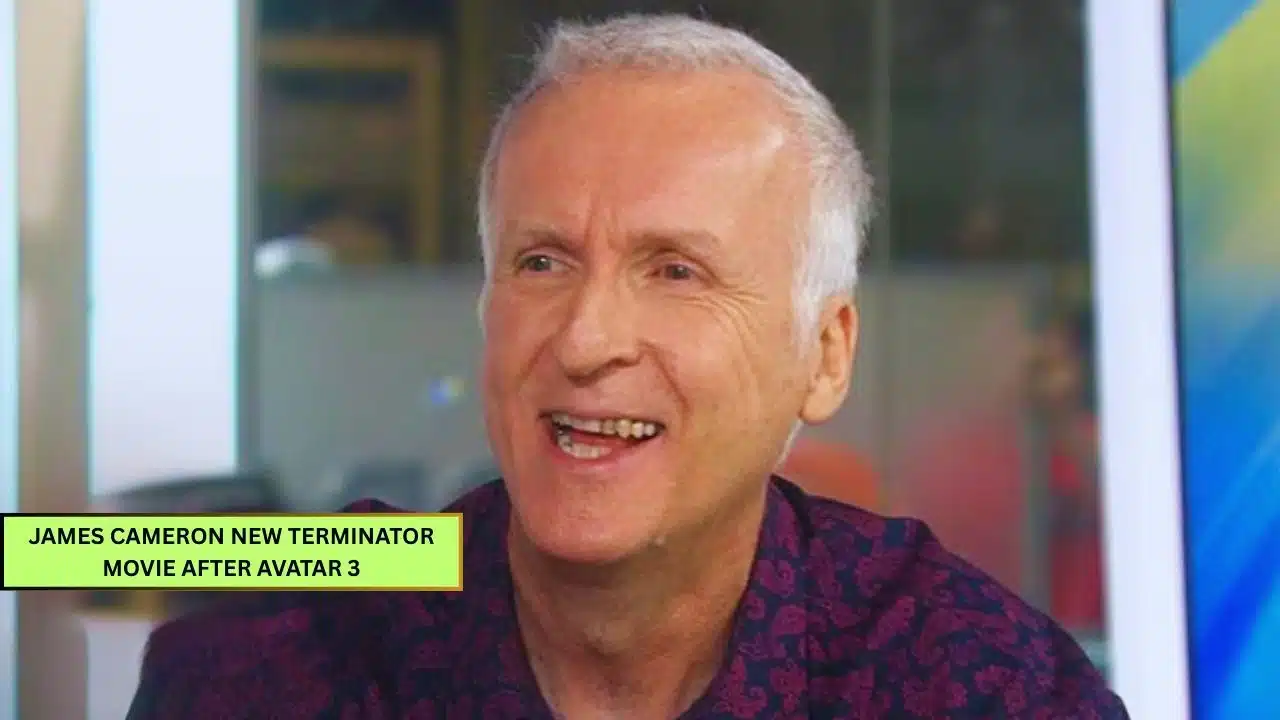
Director James Cameron, the visionary behind some of cinema’s biggest sci-fi hits, plans to jump into writing a fresh Terminator movie immediately after wrapping promotion for his upcoming Avatar: Fire and Ash, scheduled for theatrical release on December 19, 2025. At 71 years old, Cameron revealed in a recent interview with Gizmodo that he already has a substantial stack of notes—roughly three inches thick—outlining his ideas for the script. This hands-on approach marks his return to the franchise he launched, signaling a potential revival for the series that once dominated box offices worldwide.
Cameron’s commitment comes at a pivotal time. He directed the groundbreaking original Terminator in 1984, which introduced audiences to a relentless cyborg assassin from a dystopian future, and followed it with the iconic Terminator 2: Judgment Day in 1991, widely regarded as one of the best sequels ever made. Those films grossed over $1 billion combined (adjusted for inflation) and set new standards for action, effects, and storytelling. Now, with Avatar 3’s marketing duties concluding in early 2026, Cameron intends to “pour himself into” the project as the primary writer, dedicating significant focus before tackling other endeavors.
However, Cameron faces a profound creative challenge in today’s landscape. Rapid advancements in artificial intelligence have blurred the line between his once-futuristic visions and everyday reality, making it harder to craft believable sci-fi threats. Science fiction has caught up and is actually overwhelming us at this point,” he explained to Gizmodo. We’re living in a science fiction world, and we’re literally having to deal with problems that in the past only existed in science fiction books and movies.” Real-world AI tools, from generative models to autonomous systems, echo the Skynet nightmare he imagined decades ago, forcing him to rethink narrative possibilities. Cameron candidly admitted, “I’ll never be as prescient as I was back in 1984,” but he aims to “future-proof” the story by projecting just a couple of years into the future, staying ahead of current trends without overreaching.
A Complete Reboot for the Iconic Franchise
James Cameron envisions a total reset for Terminator, deliberately jettisoning nearly everything tied to the past four decades of films to create something entirely new. This bold move means no reprises for Arnold Schwarzenegger’s unforgettable T-800 cyborg or Linda Hamilton’s fierce Sarah Connor, characters who became synonymous with the series across multiple entries. Earlier plans, like those from 2017, had hinted at Hamilton’s return, but Cameron has since pivoted toward innovation over nostalgia.
At the heart of this reboot are “powerless main characters” thrust into a desperate fight for survival, receiving zero aid from governments, corporations, or other power structures. These protagonists must navigate around entrenched systems, evade AI-driven dangers, and cling to a strong moral compass amid chaos—principles Cameron believes resonate deeply in contemporary society. Those principles are sound principles for storytelling today,” he noted in his September 2024 comments to Empire magazine, emphasizing human resilience against unchecked technology. By stripping away familiar lore, the film could explore modern fears like AI ethics, surveillance, and institutional failures in ways that feel urgent and relevant.
The Terminator series, despite its legendary start, has endured a rocky path since T2. Later installments like Terminator 3: Rise of the Machines (2003), Terminator Salvation (2009), and Terminator Genisys (2015) saw diminishing returns, with Genisys bombing domestically despite international earnings. The most recent, Terminator: Dark Fate in 2019—produced by Cameron and directed by Tim Miller—promised a direct sequel to T2 but faltered badly. It pulled in just $261 million globally against a hefty $185 million production budget (plus marketing costs), resulting in studio losses estimated between $120 million and $123 million for partners including Skydance, Paramount, and 20th Century Fox. Critics praised some action sequences and Hamilton’s return, but audiences stayed away, effectively shelving sequel plans and leaving the franchise in limbo.
Production Timeline and Broader Horizons
Cameron expects to begin intensive scriptwriting in early 2026, post-Avatar 3 promotion, with filming potentially delayed until 2027 or later due to pre-production needs and his packed schedule. A release in 2028 or beyond seems realistic, given Hollywood’s typical two-to-three-year pipeline from script to screen. This timeline allows him to balance Terminator with other passions, such as a long-gestating World War II drama centered on the atomic bomb’s development and an adaptation of the novel The Devils.
Meanwhile, Cameron’s Avatar saga continues unabated. Avatar: Fire and Ash caps the second trilogy phase, immersing viewers in Pandora’s fiery conflicts with advanced motion-capture and visuals that push IMAX boundaries. Avatar 4 follows in December 2029, and Avatar 5 wraps the core storyline in 2031, cementing his status as a box-office titan—the first director to surpass $10 billion in worldwide grosses. His involvement could breathe new life into Terminator by leveraging cutting-edge AI anxieties, timeless human-vs-machine conflicts, and his proven track record of prescient blockbusters. Fans eagerly await whether this reboot delivers the fresh spark the series desperately needs.