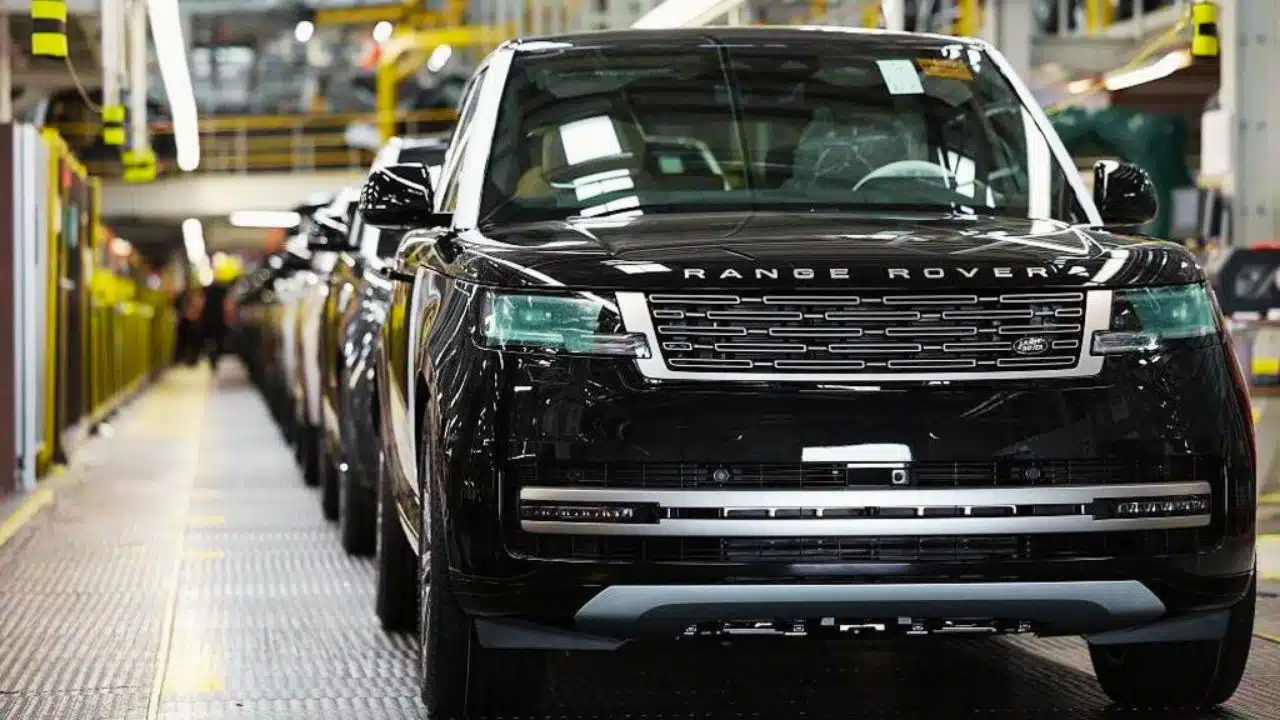
Jaguar Land Rover has warned that customer information may have been accessed in a major cyber incident that has already become one of the most disruptive and costly attacks ever to hit a UK manufacturer.
Cyberattack Halts Production And IT Systems
The incident was first detected around the start of September 2025, when Jaguar Land Rover (JLR) uncovered an intrusion in its IT environment and moved quickly to shut down systems to contain the attack.
Dealers reported being unable to register new cars on 1 September, traditionally one of the busiest days for UK registrations, while JLR halted production at plants as core applications and factory systems were taken offline.
The shutdown affected global operations, including sales, registration and manufacturing, and systems only began to come back online in phases from early October.
Analysts have since estimated the broader economic impact of the disruption at around 1.9–2.5 billion pounds, making it the most damaging cyber event in UK history in economic terms.
From “No Evidence” To Data Theft Warning
In its early public statements, JLR stressed that there was no evidence that customer data had been stolen, even as it acknowledged that some data had been “impacted” and that regulators had been notified as a precaution.
However, as forensic work progressed and hackers began publishing claims and samples of stolen files, the company’s language shifted from reassurance to an explicit admission that data had been accessed.
By 10 September, JLR confirmed that data was stolen during the attack, while declining to specify what type of information was involved, how many records were affected, or whether customers, employees, or suppliers were among those impacted.
The company has now warned that customer details may be among the compromised data and has committed to contacting individuals directly if the ongoing investigation finds that their personal information was involved.
Hackers Claim Responsibility And Leak Samples
Responsibility for the breach has been claimed by a group styling itself “Scattered Lapsus$ Hunters”, which security researchers say has links to well‑known threat clusters including Scattered Spider, Lapsus$ and ShinyHunters.
The group boasted on Telegram that it had gained access to JLR systems and exfiltrated data, posting screenshots and snippets purportedly taken from internal tools as proof.
Separate reporting and security analysis suggest that attackers may have combined social engineering and credential theft with exploitation of third‑party software vulnerabilities to move inside the network.
In at least one earlier JLR‑related incident in 2025, intruders allegedly leveraged credentials harvested by infostealer malware and weaknesses in systems such as SAP NetWeaver and Jira to gain access, escalate privileges and search for valuable data.
What Data May Have Been Exposed
JLR has not published a detailed breakdown of the information exposed in the cyberattack, but statements and leaked material indicate that multiple categories of data could be at risk.
Security and legal analyses cite indications of development logs, tracking information, source code and a large dataset of employee records, including usernames and corporate email addresses, among the material seen in the wild.
Crucially for drivers and buyers, some reporting now refers to “customer information” being included in the compromise, although it is not yet clear whether this relates to contact details, vehicle ownership records, service history, or financial information processed through dealerships.
External estimates have suggested that up to several million customer records could potentially be implicated, but JLR has not confirmed any figure and continues to insist that the precise scope remains under investigation.
Company Response And Regulatory Scrutiny
Following discovery of the intrusion, JLR brought in specialist cyber‑security firms and notified the UK Information Commissioner’s Office (ICO) within the 72‑hour window required by data protection law.
The manufacturer says it has been working “around the clock” with external experts to rebuild and restart systems securely, while also running a detailed forensic investigation into how the attackers got in and what they accessed.
Data‑protection and compliance experts say regulators are likely to examine not just the technical root cause but also JLR’s preparedness, monitoring and earlier assurance that no customer data had been stolen.
Questions may focus on credential management, segmentation of critical systems and the adequacy of security controls, particularly in light of indications that outdated passwords and inconsistent use of multi‑factor authentication aided the attackers.
Costliest Cyberattack In UK Manufacturing
Beyond the privacy and security implications, the attack has had a heavy financial and industrial impact on one of Britain’s most prominent manufacturers.
Weeks of halted production at key sites, combined with recovery spending on consultants, system rebuilds and incident response, have translated into direct costs estimated in the hundreds of millions of pounds for JLR alone.
A UK government‑linked Cyber Monitoring Centre has classified the incident as a “Category 3” national‑level cyber event, reflecting its scale and knock‑on effect on the wider economy and supply chain.
Analysts say the disruption to JLR’s factories, suppliers and dealerships, plus lost output and delayed sales, has pushed the overall economic impact close to 2 billion pounds.
What Customers Are Being Told To Do
For now, many JLR customers are still waiting to find out whether their personal data has been caught up in the breach.
The company has said it will contact anyone “as appropriate” if investigators determine their information was accessed, and has urged people to remain vigilant in the meantime.
Cyber‑security experts advise customers to watch closely for suspicious emails, calls or messages that reference JLR, vehicles or finance agreements, as attackers could use stolen information to craft convincing phishing or fraud attempts.
Specialists also recommend checking credit reports regularly, enabling strong, unique passwords and multi‑factor authentication for online accounts, and treating unsolicited communications that request personal or financial details with particular caution.
A Warning Shot For The Automotive Sector
The JLR incident is being held up as a wake‑up call for the automotive industry, which is increasingly reliant on connected systems, over‑the‑air updates and complex digital supply chains.
Experts say the combination of high‑value intellectual property, large volumes of customer data and tightly integrated production networks makes carmakers an especially attractive target for sophisticated cybercriminal groups.
Commentators argue that the scale and cost of the JLR breach underline the need for manufacturers to elevate cyber risk to the same level as safety and quality, with board‑level oversight and sustained investment in defences.
They add that regulators and insurers may use this case to push for stricter standards on access control, third‑party risk management and incident disclosure across the sector.