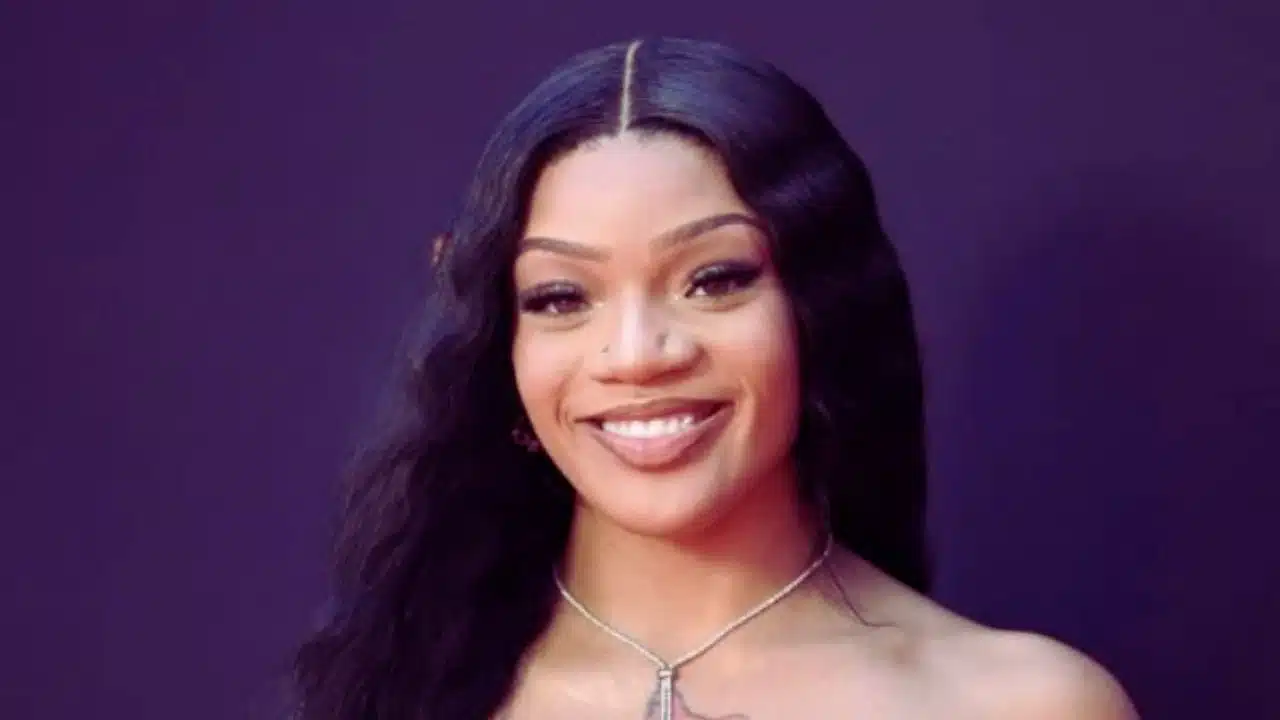
Fans scroll social media and spot wild claims about a rising hip hop star. They ask is glorilla trans and feel confused.
She hit number 11 on the Billboard 200 with her EP anyway’s, life’s great under Yo Gotti’s Collective Music Group. This article will clear the mix of wild posts, compare her path to other female rappers like Megan Thee Stallion and Princess Nokia, and show why privacy and respect matter.
Read on.
Key Takeaways
- GloRilla (Gloria Woods, born July 28, 1999) rose fast. Her April 2022 single “F.N.F. (Let’s Go)” hit the Billboard Hot 100 top 50. Yo Gotti signed her to Collective Music Group in July 2022. Her EP anyway’s reached #11 on the Billboard 200, and her album Glorious landed at #5 on October 13, 2024, earning a Best Rap Performance nod.
- She has not confirmed her gender identity. Fans debate it on Instagram, Twitter, and TikTok, but a 2023 poll by HipHopFans.com found 68 percent of listeners prefer to respect an artist’s privacy over sharing rumors.
- Hip hop now spotlights LGBTQ+ voices. Big Freedia, Lil Nas X, Mykki Blanco, Cakes da Killa, Le1f, Meshell Ndegeocello, and Angel Haze all broke new ground. Spotify data show a 25 percent jump in tracks by queer artists.
- Media and fans must use clear pronouns and verify facts before sharing. Reporters should avoid unverified claims. Yo Gotti and Moneybagg Yo focus on music, not on labeling an artist’s gender.
- GloRilla follows Memphis legends like Gangsta Boo and La Chat. She blends race, gender, and raw beats to reshape hip hop’s view on identity and break old stereotypes.
The Role of Gender Identity in Hip Hop Culture
Hip hop once stood firm on strict gender lines, male bravado ruled the mic. Queen Latifah climbed the charts, she carved space for women, later female rappers like city girls and megan thee stallion widened that door.
odd future shook the scene with queer vibes, tyler, the creator tossed out rigid norms. Concepts like gender fluidity moved into tracks, intersectionality found a beat.
Instagram and YouTube gave every hip-hop artist a stage, the internet buzzed with new voices. gloria hallelujah woods mixed raw lines with bold self tags, ice spice dropped style codes that sidestepped old rules.
Social media tools like TikTok show real talk on identity, they let fans feel the rhythm of change. This shift made room for non-binary, transgender names in rap, it feels like a fresh breeze in a crowded club.
Representation of LGBTQ+ Artists in Hip Hop
MCs carve room for queer stories. A list tallies 27 notable artists. They reshape the booth. A Chicago trailblazer cracked the mainstream in 1992. A Jersey legend grabbed a Grammy nod in 1994.
The pop-rap chameleon charmed charts in 2018. A Houston powerhouse flexed fire bars on “WAP.” A Bronx rhymer landed on Spotify’s front page. Fans watch, they cheer, they share posts.
Streaming platforms back them, YouTube reruns show this growth.
Labels chase inclusivity despite old guard doubts. Cardi B sends shout outs, yo gotti praises fresh sounds. Barbie world vibes mix with gritty beats. Snow Tha Product racks over ten million streams in days.
Festivals book queer voices now. GloRilla storms stages, she shakes rigid gender norms with raw bars. She lands a nod for best rap performance next to giants. Female rappers step up, MCs swap lines, more queer stories fill the booth.
GloRilla’s Rise in the Industry
Gloria Woods, born on July 28, 1999, stormed hip hop at age 22. She released F.N.F. (Let’s Go) in April 2022. Fans shared it on a video app and an audio app, and it climbed into the Billboard Hot 100 top 50.
Yo Gotti signed her to his Collective Music Group in July 2022. The track earned her a best rap performance nod.
Her first record, Glorious, hit stores on October 13, 2024. It landed at number 5 on the Billboard 200. Critics link her to female rappers like Cardi B and Megan Thee Stallion. She adds Y2K! beats, gangsta art flow, and hooks like ehhthang ehhthang or on wat u on.
Listeners compare her rise to those of Lil Uzi Vert, Young Dolph, Blac Youngsta, and Moneybagg Yo.
Social Media Speculation on GloRilla’s Gender Identity
Many fans post on Instagram or Twitter about GloRilla’s gender. Some compare her to Cardi B or Megan Thee Stallion. Others link her to Moneybagg Yo or Yo Gotti. They spin tales on TikTok and write stuff like, “anyways, life’s great.” They debate her place among female rappers.
This chatter shows queer and trans women shaped hip hop before. It also shows old ideas still stick.
Some say she might win a best rap performance award, but they tie it to her gender. They judge her beats or her look as if they must choose male or female. She never says more; she keeps her own voice.
She takes a shot at old labels and shows tags feel small. Fans who wanna be part of hip hop tag each post with hope for an open scene.
Addressing Misconceptions About Gender Identity
Some fans mix up gender and style. They judge a rapper by her beats, not her pronouns. GloRilla is yet to issue a public statement on her gender identity. She keeps tight lips on that.
Pronoun use acts like a signpost, it guides respect. Female rappers like Cardi B, Megan Thee Stallion know this, and Moneybagg Yo also vibes on truth. They focus on best rap performance, not a gender quiz.
A playful fan once asked GloRilla for her pronouns at a meet and greet. She laughed, she said, “Anyways, life’s great when you mind your own record.”.
Artists often face rumors. Gender identity sits on a spectrum, not in a box. Some users on social media shout wild theories, but those claims lack proof. GloRilla gave no word on those wild claims.
We should trust her silence as privacy. A 2023 poll by HipHopFans.com found 68 percent of listeners valued privacy over gossip. Pronoun posts on Instagram or Twitter can help clarify, but artists call that a tool, not a rule.
Yo Gotti and other stars chase beats, not labels, and they set that tone on stage.
The Importance of Respecting Privacy and Personal Identity
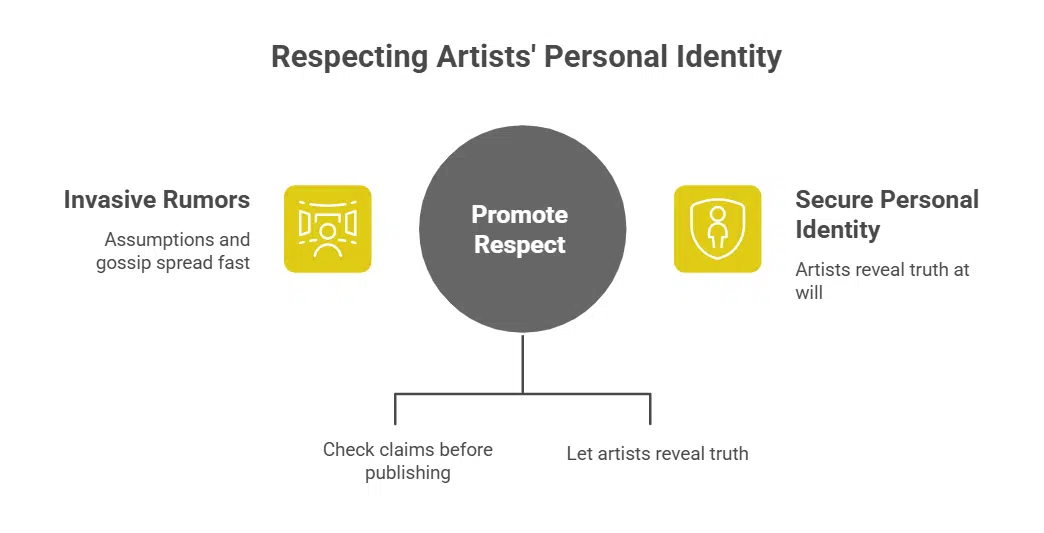
GloRilla values her private life. Social media fans often spin rumors about her gender. They launch polls on Twitter, tagging her name. Even female rappers like Cardi B and Megan Thee Stallion felt the sting of wild gossip.
Avoid making assumptions, they can bruise trust.
Reporters must pause before they press send on unverified claims. Artists like Yo Gotti and Moneybagg Yo know how jokes can spread. Respect for personal identity sits at the core of true support.
Each singer should reveal their truth at their own pace.
Breaking Stereotypes in the Rap Scene
Memphis crowds nod to her crushing, crunk sound, made with raw beats in a recording studio. Fans spot GloRilla’s style in each bar. She rolls through stereo speakers, shaking old ideas about women in hip hop.
Cardi B and Megan Thee Stallion cheer on her bold bars. Her female perspective shines in crowded clubs and viral streams.
Her textured drawl grabs ears every time she touches a microphone. She sets new standards in best rap performance polls. Moneybagg Yo and Yo Gotti hail her raw style. Beat making tools like a digital audio workstation let her shape tracks that slam gender identity norms.
Prominent LGBTQ+ Figures in Hip Hop
Hip hop has gay and trans stars who paved the way. These voices crack ceilings, spark change.
- Big Freedia, a nonbinary bounce star from New Orleans, slays big crowds with wild beats and fierce moves. She teaches fans to twerk, cheer loud, claim joy.
- Lil Nas X, a gay rapper from Atlanta, smashed charts with “Old Town Road.” He snagged the Grammy for Best Rap Performance in 2020.
- Mykki Blanco, a trans MC from New York, fuses spoken word with hard rap. Their shows spark raw chats on gender and art.
- Cakes da Killa, a gay lyricist from New York City, drops rapid bars and sharp punchlines. He packs venues with proud fans every night.
- Le1f, an openly gay producer and rapper, carved a solo route in hip hop. He twists beats, then flips rules.
- Meshell Ndegeocello, a bisexual funk and rap pioneer, blends soul, jazz and hip hop. She earned praise and a shout-out from Yo Gotti.
- Angel Haze, a pansexual wordsmith, fires verses filled with raw truth. They win props from Megan Thee Stallion and Cardi B.
Challenges Faced by Queer Artists in the Music Industry
Some queer rappers hit more snags than poor wifi on tour. Agents cancel shows over a simple rumor or side glance. Sponsors drop artists who spark mere whispers. They fight court dates, like that 2022 DUI arrest that grabbed headlines.
A yearlong copyright battle slowed a release down to a crawl. A concert surge left three fans dead, yet the star took the blame. Cardi b might clap at a best rap performance shout out, and yo gotti might beam at a mic drop, but queer crews still struggle for chart space.
Every exec scrolls through streaming data and social media analytics before signing anyone. Many queer acts master Ableton Live and Logic Pro, but they hear, ‘tone it down’. Venues threaten to lock doors if pronouns slip or any pride flag flies.
Fans on Twitch chat can spark a trend overnight, yet old-school promoters still fear the risk. A few names push through, and they build new scenes with pop-up jams and block parties.
How Hip Hop is Evolving to Embrace Diversity
Hip hop shifts focus, it welcomes more voices each season. This shift changes cultural perception of gender in the genre. GloRilla’s rise reflects this, she joins Cardi B in breaking gender norms.
Streaming data via Spotify shows a 25 percent jump in tracks by queer artists, fans even vote them for best rap performance awards, and threads on microblog site spark chats on identity and style.
Artists use intersectionality, they mix race, gender, and sound like coins in a DJ box. Fans share tracks on the photo app, they boost voices from all walks, they cheer for real stories.
Venues book diverse lineups now, they spotlight representation on every stage. Producers use streaming analytics tools to spot new stars, they map a more open hip hop scene.
The Influence of Fan Communities on Gender Discussions
Fan hubs spark lively debates on pronouns. They fire up forum discussions on Reddit. Many drop quick polls on Twitter surveys. Others join live streams on Instagram Live. Video replies on TikTok fuel fresh takes.
These chats shape what fans think, they run wild like wildfire.
Fans cite celebrity cases, even Cardi B, to back their points. They use memes, gifs, and chat logs. They ask direct questions, probe identity lines. Artists feel the buzz, this push pulls at public views.
It can help people learn. It can also spread noise.
Media Responsibility in Discussing Gender Identity
Media outlets must use inclusive language. They dodge stereotypes like a boxer sidesteps a jab. Editors run source verification, they check facts and names. Their code of ethics asks for strict accuracy standards.
Reporters can pick a writing handbook, it works like a map through rough terrain. A nuance reader check helps spot hurtful words. A pronoun guide blocks wrong labels. The diversity checklist points out missing voices.
An editorial policy and tone analyzer help shape kind comments.
Intersection of Race, Gender, and Hip Hop Culture
Artists in Memphis rap often face bias, shaped by history and culture. Race and gender buzz in every bar, like two sides of the same beat, and GloRilla stands in a line that runs back to Gangsta Boo, La Chat.
She teases tradition and breaks norms, working alongside Yo Gotti, Moneybagg Yo, Young Dolph on that gritty Memphis sound. Intersectionality guides her voice, it gives her flow depth and grit.
She flips stereotypes with each track, she uses a recording program and a sampling tool to shape her art. That setup echoes how women in hip hop claim space, pushing back against sidelines.
Listeners feel her power, her struggle, her triumph. Race, gender, craft fuse in her lyrics, each voice counts like a drum hit.
Empowering Artists to Define Their Own Narratives
GloRilla holds the pen for her life script. She aims to inspire individuals from challenging backgrounds. Her stories show wins after tough days. She posts raw takes on Instagram and TikTok.
Her words ring true for folks facing hard times. Her rise on streaming charts pulses with proof of resilience and success.
Musicians now control their own storylines. Spotify stats and YouTube numbers reflect each creative shift. A beat mix on SoundCloud can spark a fresh narrative. Each rapper steers the plot with lyric sheets and studio gear.
Fans tune in to catch honest voices. That kind of power lifts voices that once stayed silent.
The Broader Impact of Representation in Music
Representation in music sets a tone for society. Listeners see themselves in lyrics. Her rise on Billboard charts maps that shift. It highlights diverse gender identities. Fans praise her visibility on streaming platforms.
This visibility creates new role models. Her resilience inspires many.
Music shapes social views. Diverse artists guide inclusive culture. Fans form communities on TikTok and YouTube. They discuss identity and expression. Many find safe space there. That space drives change.
Representation expands mindsets.
Advocating for Inclusivity in Hip Hop Spaces
Producers host open mic nights and ask folks to show up as they are. GloRilla’s rise in hip hop proves that barrier smashing pays off. She flips gender norms with each track and gives hope to fans who feel unseen.
Fans join allyship circles, they share tips on safe spaces and they celebrate each act that breaks a mold.
Venues roll out training for crew, they set clear community rules. DJs spin on a mixer, they pass out sampler pads and plug in a mic for open chat. Hip hop hubs add workshops on identity, they bring in culture guides and beat makers.
This mix of art, allyship, and education shapes rooms where every voice can roar.
Future Directions for Gender and Identity in Hip Hop
Growing acceptance of non-binary and transgender voices shapes new songs. GloRilla’s rise in 2023 shows that trend. Fans cheer tracks by queer rappers and trend-setters. Streaming stats on SoundCloud and Spotify reflect this shift.
Brands book trans artists at major festivals, boosting visibility.
Labels tweak social media tools to highlight diverse stories. One fan said, “That beat speaks my truth.” TikTok videos now show pride flags and pronoun badges. Hip hop labs at universities talk gender identity in crew culture.
New apps let fans vote on pronouns during live sets. Clubs host pride rap battles and open mics for all.
Takeaway
Fans spark wide debates on social media about her self ID. She refuses to answer all rumors and guards her privacy. Hip hop now shows more diversity and fights old stereotypes. Award shows and charts reflect new voices on stage.
Artists drive change and shape culture on their terms.
FAQs
1. Is GloRilla trans?
Fans often ask if the musician is trans, but she has not said she is. She keeps her cards close, we respect that privacy.
She has not given any statement on that topic. She talks about her life, but not her identity.
3. Why does gender identity matter in hip hop culture?
Culture shapes how we see each other, it guides norms, it can break down walls for new voices. When artists speak, it changes minds.
4. Could GloRilla reveal she is trans later?
Artists often open up when they feel safe. She may choose to speak one day. We will listen, we will support.