In the world of modern accounting, efficiency and accuracy are paramount. As businesses grow, so do the complexities involved in managing financial transactions, particularly invoices. Invoice processing automation has emerged as a solution designed to streamline this critical function, reducing human error and enhancing overall productivity. This blog post delves into the integral role that automation plays in transforming traditional accounting practices.
Invoice processing automation refers to the use of technology to handle the entire lifecycle of invoices—from receipt through approval and payment—without the need for extensive human intervention. This transformation not only mitigates errors but also frees up valuable time for accountants and financial professionals to focus on strategic decision-making.
Understanding Human Error in Accounting
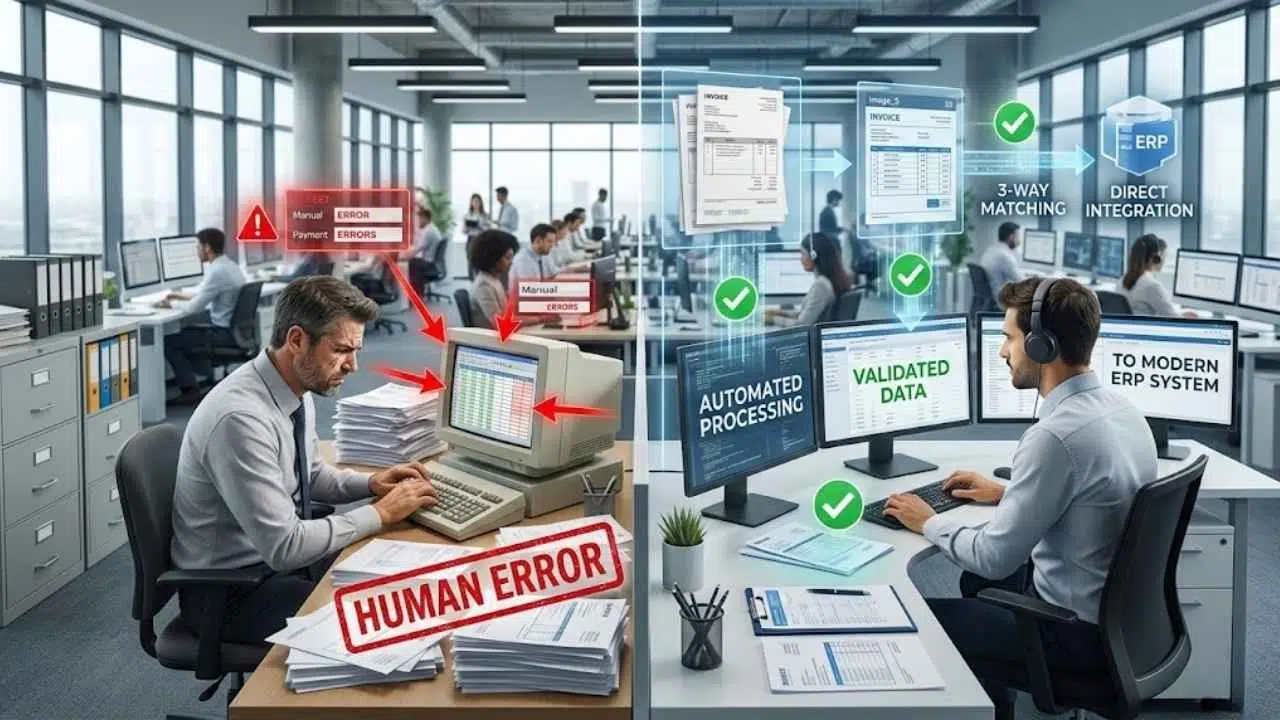
Human error is an inevitable aspect of any profession, but it can have particularly severe consequences in accounting. Invoices can be misread, data can be entered incorrectly, and approvals can be delayed, leading to financial discrepancies that impact cash flow and vendor relationships.
Several statistics underscore this issue:
- Research indicates that up to 30 percent of invoices contain errors.
- Manual data entry can result in an error rate as high as 1 in 1000 characters.
- An estimated 70 percent of finance professionals report that manual processes lead to mistakes.
Understanding these dynamics is crucial for recognizing the need for automation solutions that can effectively address these pitfalls.
The Benefits of Invoice Processing Automation
The implementation of invoice processing automation brings a multitude of benefits to organizations looking to refine their accounting processes:
- Error Reduction: Automated systems significantly decrease the chances of human error during data entry and processing.
- Improved Efficiency: By streamlining processes, automation allows for quicker invoice approvals and payments, enhancing overall operational speed.
- Cost Savings: Reducing manual labor leads to lower operational costs, freeing up budget resources for other strategic initiatives.
- Better Cash Flow Management: With timely invoice processing, businesses can manage their cash flow more effectively, ensuring they meet obligations promptly and avoid late fees.
- Enhanced Compliance: Automated systems often come with built-in compliance checks, ensuring adherence to regulatory standards.
These advantages highlight why many companies are turning to invoice processing automation as a strategic initiative.
Key Features of Effective Invoice Processing Systems
When evaluating invoice processing automation solutions, certain features are essential for optimal performance:
- Optical Character Recognition (OCR): OCR technology enables systems to read and extract data from scanned documents automatically, reducing manual data entry needs.
- Integration Capabilities: An effective automated system should seamlessly integrate with existing accounting software and enterprise resource planning (ERP) systems.
- Workflow Management: The ability to create custom workflows enhances approval processes, ensuring that invoices reach the right personnel without unnecessary delays.
- Real-Time Reporting: Dashboards and analytics tools provide insights into spending patterns and cash flow status, allowing for informed decision-making.
- User-Friendly Interface: A straightforward interface encourages user adoption across departments, minimizing training time and resistance.
Yooz offers a comprehensive suite with these features, making it a popular choice among organizations seeking efficient invoice processing solutions.
Case Studies: Success Stories in Invoice Automation
Several companies have successfully integrated invoice processing automation into their operations, yielding remarkable results:
- A large retail chain implemented an automated invoicing system that reduced its processing time from 30 days to just two days. This improvement significantly enhanced supplier relationships and reduced late payment penalties.
- A mid-sized manufacturing firm adopted an automated solution that decreased invoice discrepancies by over 80 percent within six months of implementation, saving them substantial amounts in dispute resolutions.
- An international consulting firm used Yooz’s automation tools to enhance its reporting capabilities, allowing it to generate real-time financial reports that informed strategic business decisions.
These case studies illustrate how effective automation can provide tangible benefits across various industries.
Implementing Yooz: A Case for Innovative Solutions
Yooz stands out as a leader in invoice processing automation due to its commitment to innovation and user-centric design. Its platform enables businesses to automate their entire invoicing process seamlessly while providing robust support throughout implementation.
Key factors contributing to Yooz’s success include:
- Scalability: Yooz solutions are designed to grow with organizations, accommodating increased transaction volumes without compromising performance.
- Cloud-Based Flexibility: Being cloud-based allows users access from anywhere at any time, which is increasingly important in today’s remote work environment.
- Comprehensive Support: Yooz provides extensive onboarding support and ongoing customer service, ensuring that users maximize the value from their investment.
By choosing Yooz for invoice processing automation, organizations can significantly reduce human errors while benefiting from advanced features tailored for modern accounting needs.
Overcoming Challenges in Transitioning to Automation
Transitioning from manual invoicing processes to automation is not without challenges; however, understanding potential hurdles helps organizations navigate this crucial shift:
- Resistance to Change: Employees may be accustomed to traditional methods; therefore, thorough training programs are essential for fostering acceptance.
- Data Migration Issues: Moving existing data into a new automated system can present technical difficulties; meticulous planning is required for a smooth transfer.
- Integration Complexities: Ensuring that new systems work well with existing software may require additional IT resources or support from vendors like Yooz.
Organizations should approach these challenges proactively by engaging stakeholders early in the process and providing clear communication about the benefits of automation.
Future Trends in Invoice Processing Automation
The landscape of invoice processing is continuously evolving due to advancements in technology and changing business needs:
- Artificial Intelligence (AI): AI is poised to enhance invoice processing by enabling smarter data analysis and predictive modeling for cash flow forecasting.
- Blockchain Technology: The introduction of blockchain could revolutionize how invoices are verified and processed by providing immutable records that enhance security and transparency.
- Mobile Solutions: As mobile technology advances, more organizations will adopt mobile-friendly platforms that allow users to manage invoices on-the-go.
These trends indicate a future where invoice processing will become even more efficient and integrated into broader financial management strategies.
Final Insights on the Importance of Automation
As we move forward into an increasingly digital world, the role of invoice processing automation becomes ever more critical in modern accounting practices. By reducing human error through streamlined processes, organizations not only save time but also position themselves competitively within their industries.
Embracing solutions like those offered by Yooz ensures businesses remain agile and responsive—key attributes necessary for thriving amidst ongoing economic challenges and technological advancements.
Ultimately, investing in invoice processing automation is not merely about efficiency; it is about redefining how organizations manage their finances for future success. Implementing such innovations paves the way for a more strategic approach towards financial management—one where every cent counts toward achieving long-term goals while minimizing risk along the way.
By leveraging technology wisely now, firms can set themselves up for sustainable growth that meets tomorrow’s demands head-on, without being hindered by yesterday’s limitations.