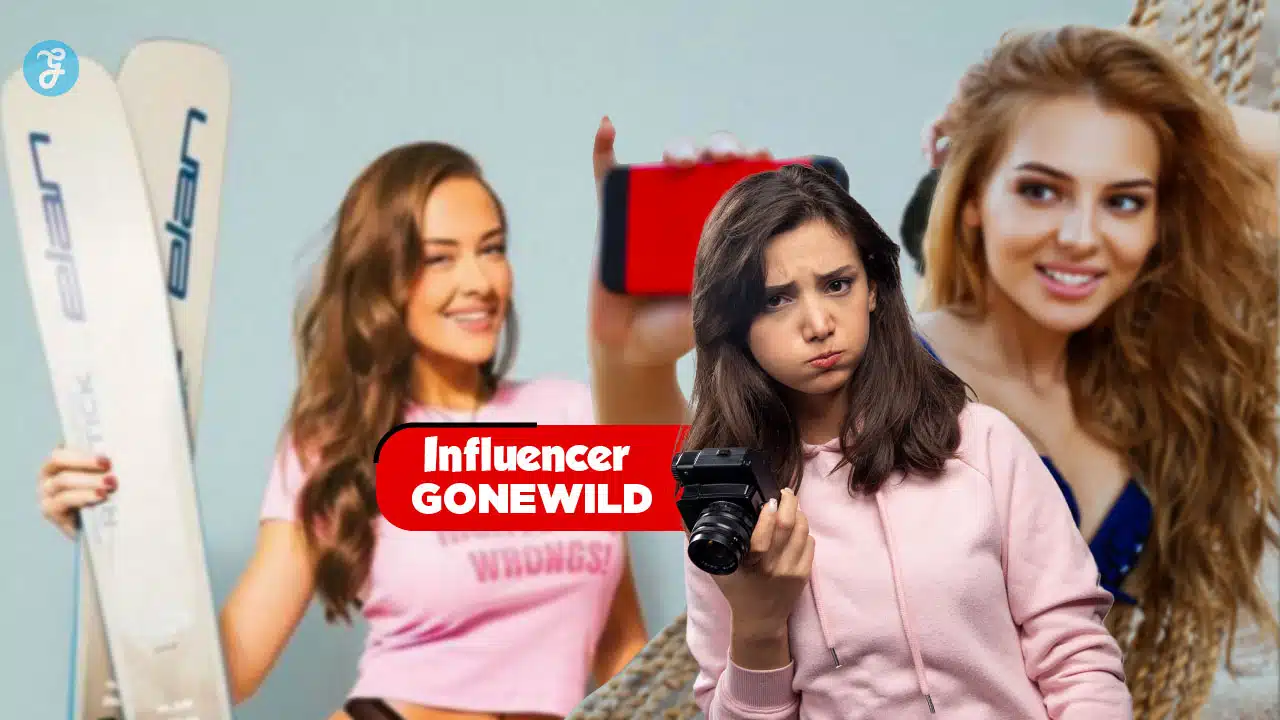
Seeing shocking posts on your TikTok feed can be unsettling, especially with “Influencer Gonewild” clips racking up more than 1 billion views globally. For some creators, likes and views act as fuel for increasingly bolder stunts, pushing the boundaries of the platform’s rules. Some even cross-post to platforms like OnlyFans to capture more attention and monetize controversial content.
This guide will help you understand the “influencer gonewild” phenomenon. We’ll show you how to spot these trends, explore the risks for creators and brands, and clarify the real consequences of chasing viral fame. Understanding the shifts in influencer culture on TikTok and Instagram is key to seeing the whole picture.
Key Takeaways
- The “Influencer Gonewild” trend has generated over a billion views on TikTok, with a single stunt of a teen jumping an electric scooter over a car reaching 20 million views alone. Creators often use shocking content to drive engagement, sometimes moving their audience to less-regulated platforms like OnlyFans.
- TikTok’s algorithm often rewards content with fast edits, trending audio, and high initial engagement, which has given rise to dangerous hashtag challenges like the “Devious Licks” school vandalism trend.
- Brands face significant risks, including public relations disasters and FTC fines, when associated with controversial influencers. For example, influencer David Dobrik lost major sponsorships from brands like DoorDash and EA after details of his “Vlog Squad” stunts emerged.
- Audiences are divided, with some celebrating the unfiltered content while others raise serious concerns about mental health, consent, and the impact on young users. This has led to calls for stricter age verification and clearer content policies from critics.
- Influencers who violate platform rules face declining engagement, loss of ad revenue, and permanent bans. Many analyze their performance using tools like YouTube Analytics and Social Blade to navigate content limits and sometimes pivot to subscription-based platforms like Patreon to maintain their income.
What Is the Rise of the Influencer Gonewild Trend?
TikTok stars are chasing viral fame with extreme stunts and challenges that test the limits of the platform’s content policies. They leverage trending sounds and an understanding of TikTok’s algorithm to maximize views and engagement at any cost.
What types of content cause controversy on TikTok?
Edge-pushing pranks, dangerous physical challenges, and overly revealing content often go viral. A clip of a teen jumping an electric scooter over a car sped past 20 million views because the algorithm favors shocking, high-energy content.
These stunts frequently inspire hashtag challenges that encourage widespread imitation. For instance, the “Devious Licks” trend resulted in students across the U.S. vandalizing and stealing school property for TikTok clips.
Risqué dances and lip-sync videos also generate significant debate and controversy. The comment sections become a battleground of support and criticism, which only fuels the algorithm further.
How are online behavior boundaries changing on TikTok?
Users on TikTok are constantly testing social media boundaries, with some teens engaging in reckless behavior to achieve internet fame. The platform’s recommendation engine can turn a dangerous stunt into a viral phenomenon overnight, rewarding content creators with likes and attention.
The “influencer gonewild” tag helps categorize these flashy videos, boosting their discoverability. While TikTok updated its Community Guidelines in early 2023 to implement a stricter “strike” system against harmful content, the sheer volume of uploads means risky scenes still get through.
The audience’s thrill-seeking appetite often encourages creators to push for more extreme stunts. This dynamic forces a public conversation about digital ethics and responsibility.
Impact on Influencer Culture
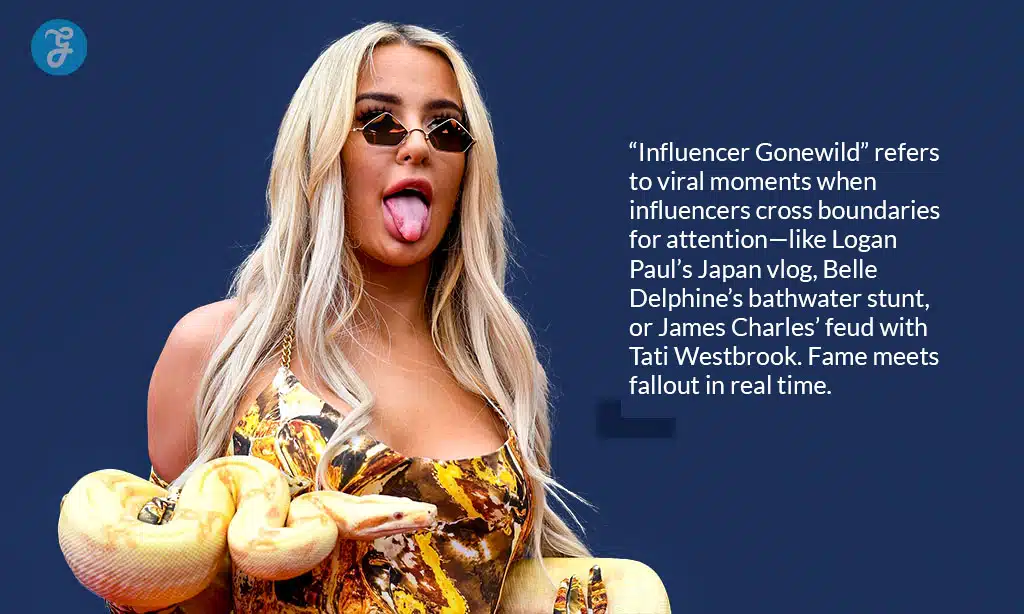
Shocking clips can cause brands to cancel lucrative partnerships almost instantly. They use sophisticated vetting tools to flag risky behavior, knowing that younger audiences are quick to judge the ethics of every viral moment.
What risks do brands face with influencers’ controversial content?
Brands face a public relations disaster if they are associated with an influencer gonewild stunt. Negative press spreads rapidly across social media platforms, leading to public apologies and customer boycotts.
The Federal Trade Commission (FTC) can also issue fines for improper disclosure or misleading endorsements. A prime example is the backlash against David Dobrik, which caused sponsors like DoorDash, EA, and SeatGeek to sever ties to protect their brand image.
Companies now use influencer marketing platforms like CreatorIQ and HypeAuditor to analyze a creator’s history for red flags before signing a deal. A weak vetting process can lead to significant financial and reputational damage.
How do audiences react, and what ethical issues arise?
Audience reactions are sharply divided. While some fans praise the authenticity and excitement of wild content, others raise alarms about privacy, consent, and the pressure it puts on young people.
Many users point out the flaws in the TikTok algorithm that seem to promote dangerous behavior. Critics consistently highlight the potential harm to mental health and body image, especially among adolescent viewers.
This ongoing debate puts the future of influencer culture at a crossroads. Industry experts are watching closely to see how platforms, creators, and brands adapt to these ethical challenges.
What Are the Consequences for Influencers?
Influencers who repeatedly violate content rules see their brand partnerships disappear. Fan backlash can be intense, and analytics tools show a clear drop in engagement and viewership after a major controversy.
What career effects and public backlash do influencers face?
A top model reportedly lost a $50,000 contract after a controversial clip labeled “influencer gone wild” surfaced online. Her social media feeds were flooded with negative comments, and brands immediately pulled their ads.
This kind of public backlash can permanently damage an influencer’s reputation and earning potential. When ad revenue from platforms like YouTube and TikTok dries up, many rising stars are left with few options.
Some pivot to subscription services like Patreon, where they can offer edgier content to a dedicated fanbase without relying on brand sponsorships. Others use tools like Social Blade to track audience sentiment and find a safer content niche, like lifestyle vlogging. This strategic shift is often a crucial lifeline for a career in crisis.
Takeaways
The “influencer gonewild” trend on TikTok impacts everyone involved. Brands worry about their reputation with every viral clip, while fans are caught between being entertained and concerned.
The demand for brand safety is growing louder with each controversy. Ultimately, the cycle of audience engagement continues to shape the rules of the game.
Each post holds the power to build a career or to burn it to the ground. The next viral trend is always just around the corner, and the entire digital world is watching to see what happens next.
FAQs on Influencer Gonewild
1. What does influencer gonewild mean on TikTok?
It refers to influencers creating content that is unscripted, shocking, or pushes platform boundaries. This can include daring stunts, raw confessions, or controversial pranks that break from their usual polished posts.
2. Why are influencers creating this type of content?
Audiences often respond strongly to content that feels authentic and unfiltered. By “going wild,” influencers can create a sense of genuine connection that drives higher engagement, likes, and shares.
3. How can brands work with the influencer gonewild trend?
Brands have a few options. They can embrace the buzz by sponsoring a creator known for edgy but safe content, use the trend as inspiration for their own marketing, or avoid it entirely by dropping collaborations with risky influencers.
4. Are influencer gone wild clips real or staged?
It’s a mix of both. Many viral moments are carefully planned to look spontaneous, but some are genuinely captured in the heat of the moment. You can often spot a staged clip by looking for professional camera angles or perfect timing that seems too good to be true.