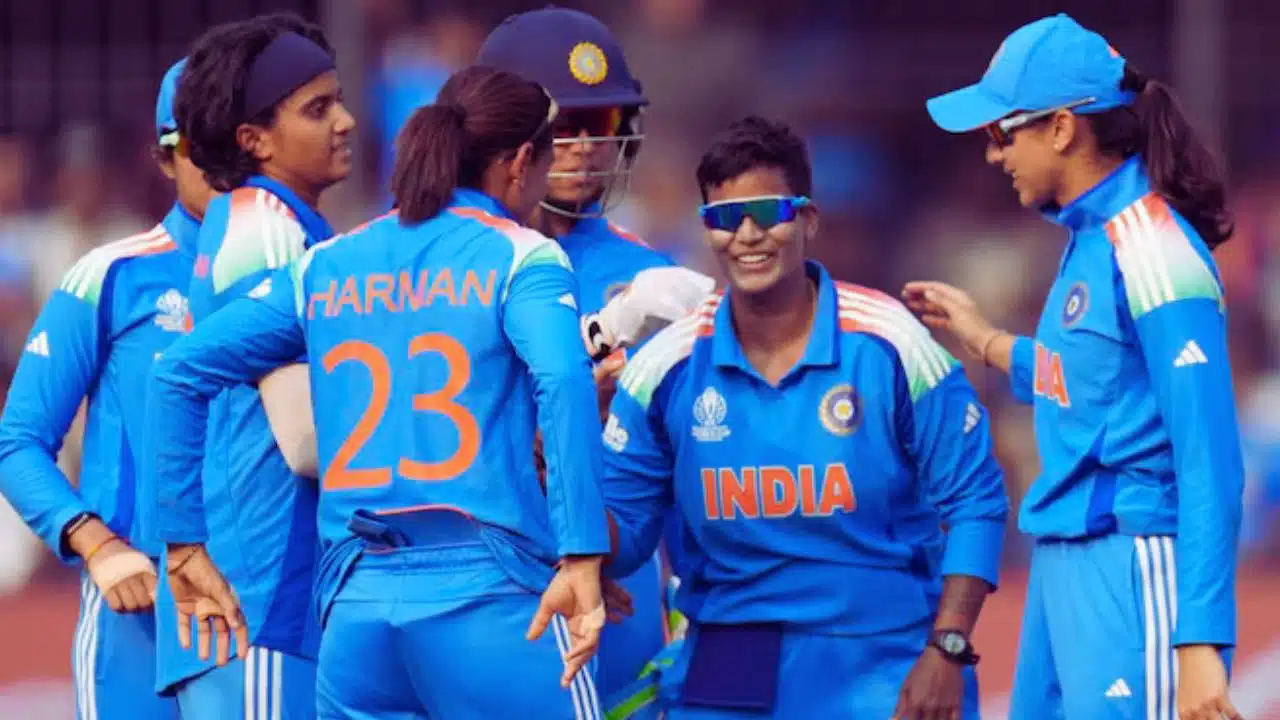
India’s women’s cricket team, fresh off their maiden World Cup win, are being celebrated far and wide. Alongside the global prize money and prestigious trophy, the players are receiving a remarkable array of rewards—cash awards, luxury gifts, government jobs, brand endorsements and public honours.
The 2025 ICC Women’s Cricket World Cup triumph marked a defining moment: as hosts and champions, India ended a long wait for the title and ushered in what many call a new era for women’s sport in the country.
Massive Cash Rewards and State-Level Incentives
The Board of Control for Cricket in India (BCCI) announced a historic cash prize of ₹51 crore for the winning squad, support staff and selection committee—marking one of the largest monetary incentives ever offered following an Indian team victory.
State governments followed suit with their own packages:
-
In Maharashtra, players like the state-based trio (including Smriti Mandhana, Jemimah Rodrigues and Radha Yadav) were each awarded ₹2.25 crore by the chief minister.
-
In Andhra Pradesh, left-arm spinner Sree Charani received a ₹2.5 crore cash prize, a Group I government job and a housing plot.
These state-level incentives underscored how local governments are now willing to recognise female athletes’ achievements at a scale previously reserved largely for male athletes.
Luxury Gifts, Brand Endorsements and Social Media Surge
Beyond state and board incentives, the players are being courted by brands and corporations. Their social media followings have soared, validating the perception of these athletes as emerging commercial icons.
For example:
-
Players like Jemimah Rodrigues and Shafali Verma (those who performed strongly in the semis and final) have reported rapid increases in their Instagram followers and endorsement valuations.
-
Corporate entities have pledged vehicles, land and other perks: Tata Motors announced it will provide SUVs to each member of the winning side. One jewellery company announced they would gift natural diamond-studded custom pieces and solar-panel installations to every team member.
These moves reflect the belief that the women’s team’s market potential has shifted—from niche sporting success into mainstream star status.
Personal and Family Recognition
The victory has also translated into deeply personal gains for team members and families. In Madhya Pradesh, the government announced it would revoke a 15-year suspension of Kranti Gaud’s father, a constable, as part of its gesture of recognition. The player’s family described this as restorative of honour and a seismic change in opportunity.
In smaller hometowns, athletes have returned to civic receptions, public processions and even hopes for further employment prospects (such as police officer roles) being discussed as realistic outcomes. The personal transformation of players’ lives—from training grounds to national icons—has become a recurring theme in post-victory stories.
Broader Significance for Women’s Sport and India
Analysts are calling this moment a turning point for women’s sport in India. The rewards are significant not just for the athletes but for the signal they send: women’s cricket is now a national priority.
The financial rewards, commercial deals, governmental recognition and public celebrations combine into what many believe will be the equivalent of the “1983 moment” for India’s women cricketers—a catalyst that could reshape investment, media attention and societal perceptions of women in sport.
Additionally, as more girls see athletes from their own country being celebrated and rewarded, the hope is that participation in cricket and other sports will scale up, parental support will grow and professional pathways will open more widely.
Infrastructure and Legacy: What’s Ahead
The celebrations come with longer-term commitments:
-
Stadium development plans have been announced in districts such as Chhatarpur in Madhya Pradesh, home of one of the players. Governments have pledged “best-in-class” cricket infrastructure for women in those regions.
-
Government jobs, institution building and elite academies are also being proposed to sustain this moment rather than letting it fade.
In this way, the victory is seen not as an end but a launch-pad—an incentive to deepen domestic pathways, strengthen grassroots programs and extend the commercialisation of women’s sport beyond individual athletes.
India’s women’s team victory has generated far more than a trophy. The mix of cash prizes, state rewards, endorsements, luxury gifts, increased social-media prominence and personal recognition reflects a structural shift in women’s sport in India. The real challenge now will be translating this moment into sustainable change—ensuring that the rewards morph into investments, infrastructure, equality and a growing talent pipeline for years to come.
The Information is Collected from ESPNcricinfo and Yahoo.