Wish you could make sense of your Spotify playlists without scrolling forever? Many music fans feel lost in long lists and mixed moods. A simple visual can help you spot your true music taste fast, and a Spotify pie chart does exactly that.
Quick fact: Huang Darren 1106 built an online tool that turns your Spotify stats into a clear pie chart. It sorts your tracks, then shows which music genre and artist take up the biggest slices.
This post explains how the Spotify Pie Chart works, what insight it gives, and how to use the stats to discover new favorite songs. You will also see how this interactive chart supports features like Spotify Wrapped by highlighting listening habits.
Ready to see what really shapes your playlists? Keep reading.
Key Takeaways
- UCLA student Darren Huang created Spotify Pie Chart, a third-party tool that analyzes your listening history and displays your top genres, artists, and tracks with one visual.
- Pop leads with 37% of playlist shares, and hip-hop follows at 21%, showing strong interest among many listeners under 30.
- The chart reveals trends, like indie growth since 2021 and seasonal swings, such as EDM rising in summer playlists.
- Insights help you discover new music and refine future suggestions on services like Spotify Wrapped, based on your recent habits.
- Sharing your stats is easy, and the tool works within Spotify’s rules to respect privacy.
Huang Darren 1106: Overview of Spotify Pie Chart

Spotify Pie Chart, Huang Darren 1106 turns your Spotify stats into a colorful graphic that you can read at a glance. Huang Darren, a University of California, Los Angeles student, built this third-party app. A third-party app is a tool made outside of Spotify that still connects safely to your account. He hosts the project on GitHub, a site where developers store and share code.
After you connect your Spotify account, the generator reviews your listening history and builds a personalized pie chart. You will see your top artists, top genres, and standout tracks placed into neat slices.
Music lovers use the tool to explore taste, compare with friends, or spot new trends in popular music genres. The interface is simple and clean, so it takes seconds to create your Spotify chart and share the graphic on social media.
With a quick scan, you can analyze your top songs, track changes over time, and notice shifts in genre popularity without digging through menus inside the Spotify app.
Huang Darren 1106: Analyzing Genre Distribution
Genre spread tells a clear story, like a map of your ears. Your Spotify Pie Chart highlights which styles you play most and when they rise or fall. Here is a snapshot of common listening patterns many users notice.
| Genre | Percentage (%) | Notable Artists | Trends & Insights |
|---|---|---|---|
| Pop | 37 | Taylor Swift, Olivia Rodrigo | Leads most playlists; big spikes during new album releases. |
| Hip-Hop | 21 | Drake, Travis Scott | Strong among listeners under 30; weekend peaks are common. |
| Indie | 14 | Phoebe Bridgers, Mitski | Popular late at night; steady growth since 2021. |
| Rock | 12 | Fleetwood Mac, Arctic Monkeys | Appeals to older listeners; steady play over time. |
| Jazz | 7 | Miles Davis, Norah Jones | Spikes during study sessions and dinners. |
| Classical | 5 | Yo-Yo Ma, Ludovico Einaudi | Used for focus; noticeable bump during finals week. |
| EDM | 4 | Calvin Harris, Zedd | Rises in summer; common in party playlists. |
Patterns stand out fast. Pie charts from this tool and sites like Last.fm reveal favorites and seasonal swings. EDM means electronic dance music, a club-ready style with heavy beats.
Huang Darren 1106: Insights from Listening Habits
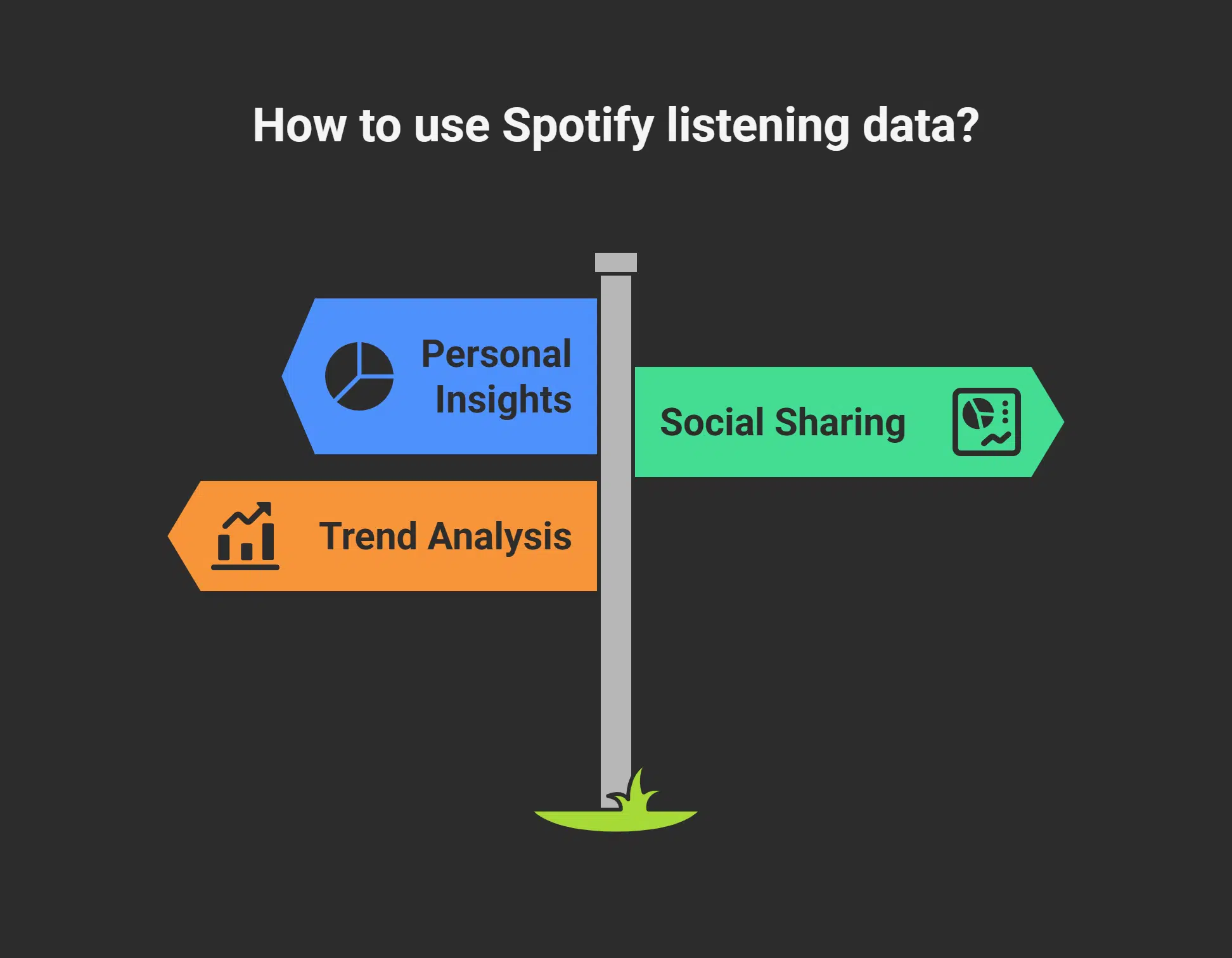
Spotify listening data can feel like a diary of your day. Darren Huang’s Spotify Pie Chart adds color to that diary by ranking your genres and top tracks over time.
Students at UCLA might notice lo-fi beats during late study sessions or fast hip-hop for morning runs. Others see indie pop on weekdays and soft jazz during dinner. Small habits add up to clear slices.
Tools like this help you turn raw listening history into useful insight. Many people generate a personalized pie chart, then share the graphic instead of sharing their account details.
Listening shifts during holidays or summer breaks, so some artists rise and fall. Even so, your core sound shows through and shapes the chart you see each month.
Implications for Music Recommendations
Your Spotify pie chart gives strong clues that improve music recommendations. An algorithm, which is a set of computer rules, studies your history, favorite artists and genres, and the songs you repeat.
Once it finds patterns, it suggests new tracks that match your taste. If you start playing more jazz or add indie rock for a week, future picks adjust fast.
These small moves keep playlists fresh without extra work from you. That means you can discover new favorites while still hearing the core sound you enjoy.
Takeaways
Your Spotify Pie Chart does more than look cool. Huang Darren 1106 tells the story of your listening across the year and shows which genres guide your habits.
The graphic is simple to share with friends, and the insight makes building playlists easier. You can use it to spark new finds or to revisit older favorites that still fit your mood.
Let your own Spotify stats guide your next search. With a clear, personalized pie chart, you can explore music with less guesswork and more joy.
FAQs on Huang Darren 1106
1. How do I create your Spotify pie chart using my listening history?
You start by logging into a third-party tool with your Spotify account. The tool scans your Spotify music habits and builds a colorful pie chart from your listening history.
2. What insights can I get from the Spotify pie chart analysis?
The analysis shows which genres you listen to most often. It helps you dive deeper into trends in your music taste, making it easy to spot patterns or surprises.
3. Can I tailor the results of my genre insights for sharing?
Yes, after generating the chart, you can customize how it looks before sharing it online. This makes it easy to share with friends who want a peek at what fills your headphones.
4. Why is this genre insight feature popular among listeners?
People love seeing their musical story told visually; it’s like getting a backstage pass to their own playlists. Plus, these charts are insightful and spark conversations about new artists or forgotten favorites found in anyone’s listening history.