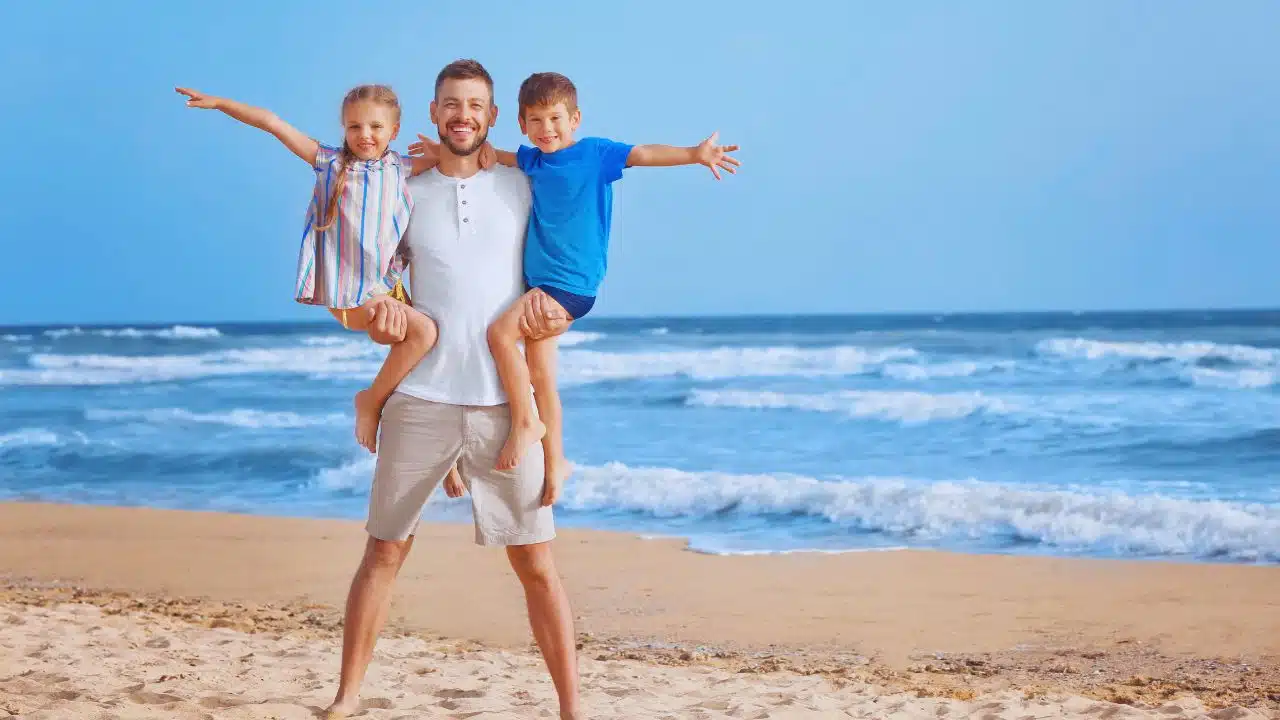
For decades, the traditional image of a father was that of a provider—a man who worked outside the home and left child-rearing to the mother. But things have changed. Modern fatherhood reflects a deeper shift in how we view parenting, gender roles, and the emotional bond between parent and child. Today, fathers are not just involved in their children’s lives; they are actively reshaping what it means to be a parent.
Modern fatherhood is about presence, care, and emotional connection. It is no longer unusual to see dads at the playground, attending school meetings, or even taking paternity leave. This transformation marks an important step toward parenting equality and helps families grow stronger together.
Why Modern Fatherhood Matters Today
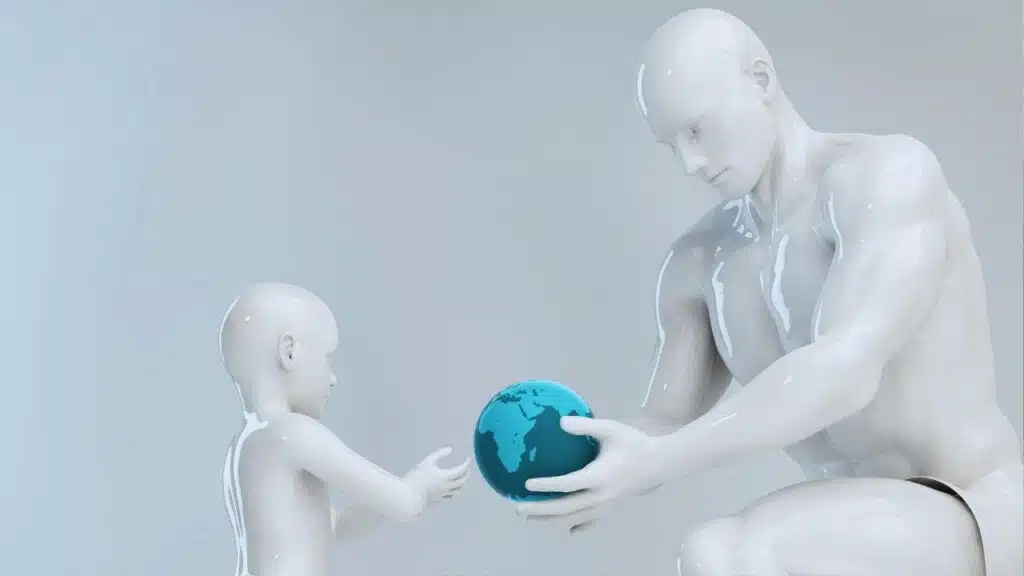
Modern fatherhood represents a vital cultural shift. As gender roles evolve, fathers are no longer seen as just financial providers but as equal partners in raising well-rounded, emotionally healthy children. Their active participation supports stronger family bonds and contributes to the well-being of society as a whole.
Changing Family Dynamics
Today’s families are built on shared responsibility. With more women in the workforce and growing support for gender equality, dads are stepping up to co-parent like never before. Modern dads cook, clean, and care for their kids, not out of obligation, but because they want to be part of every moment.
This shift isn’t just a domestic one—it reflects broader societal progress. When fathers engage more at home, it encourages employers, schools, and communities to support balanced parenting. It sends a powerful message that care work is valuable, regardless of who performs it.
The Role of Dads in Parenting
Studies show that children benefit greatly when their fathers are involved. Kids with engaged dads do better in school, have fewer behavioral problems, and form stronger relationships later in life.. With more women in the workforce and growing support for gender equality, dads are stepping up to co-parent like never before. Modern dads cook, clean, and care for their kids, not out of obligation, but because they want to be part of every moment.
Studies show that children benefit greatly when their fathers are involved. Kids with engaged dads do better in school, have fewer behavioral problems, and form stronger relationships later in life.
| Benefit of Engaged Father | Impact on Children |
| Emotional Support | Increased self-esteem |
| Academic Involvement | Better school performance |
| Physical Presence | Reduced risk of risky behavior |
| Co-Parenting Participation | Healthier relationships |
The Many Faces of Modern Dads
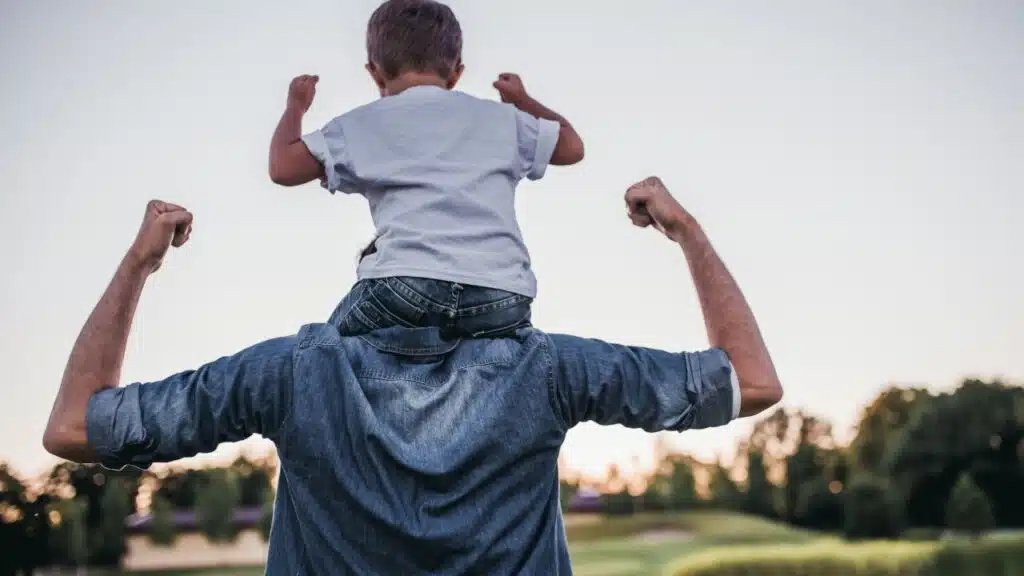
Today’s fathers wear many hats—caregiver, teacher, emotional anchor, and equal partner. The image of fatherhood is no longer one-size-fits-all. From full-time caregivers to co-parents balancing work and home life, modern dads come from diverse backgrounds and experiences, each redefining what fatherhood means in their own way.
The Stay-at-Home Dad Revolution
One of the most visible changes in modern fatherhood is the rise of stay-at-home dads. More men are choosing to care for their children full-time, while their partners pursue careers. This role reversal is breaking long-held stereotypes and proving that caregiving is not limited by gender.
| Year | Number of Stay-at-Home Dads (USA) |
| 2010 | 1.5 million |
| 2020 | 2.1 million |
| 2024* | 2.6 million (estimated) |
The Emotionally Present Father
Fathers today are not just physical caretakers. They are also emotionally available. Modern dads are learning to express affection, talk about feelings, and create safe spaces for their children.
| Old Stereotype | Modern Reality |
| Dads are emotionally distant | Dads express love and vulnerability |
| Dads discipline, moms nurture | Both parents share nurturing roles |
The Co-Parenting Partner
In healthy households, parenting is a shared effort. Co-parenting means dads are active in decisions about schooling, healthcare, meals, bedtime, and more. This team approach leads to a balanced family dynamic.
| Task | Shared by Mom and Dad |
| Homework Help | Yes |
| Bedtime Routine | Yes |
| Grocery Shopping | Yes |
| Pediatric Appointments | Yes |
Social and Cultural Forces Driving the Change
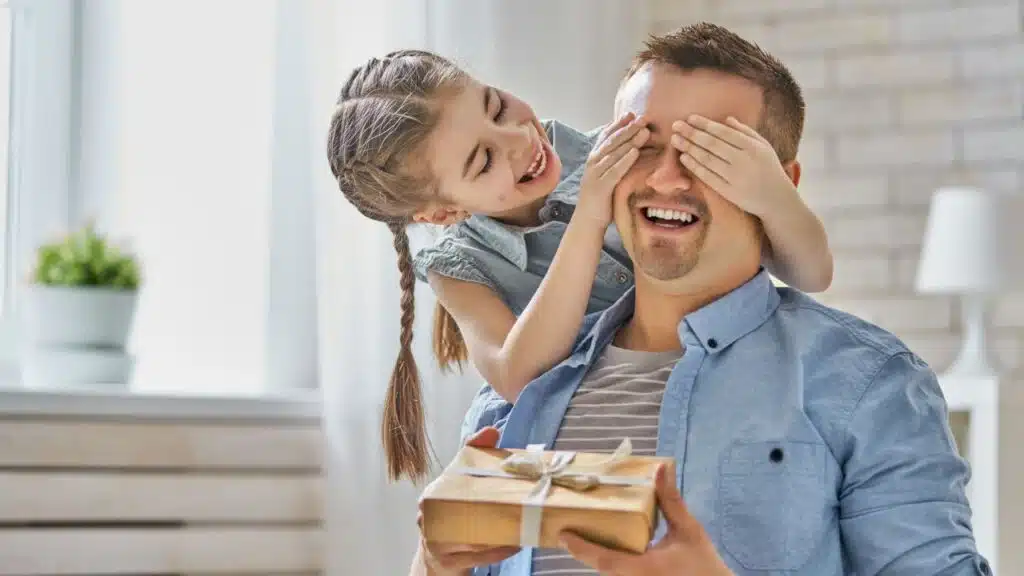
The shift in fatherhood roles is also driven by broader cultural forces. Television shows, social media, and advertising are portraying dads as competent caregivers and not just comic relief characters.
Pop Culture and DadLife
Hashtags like dadlife or #fatherhood are trending across platforms. Dads proudly share diaper-changing tips, school lunch ideas, and emotional wins.
Celebrity Dads Making a Difference
Public figures like Dwayne “The Rock” Johnson and Chris Hemsworth often speak about their love for parenting. Their influence helps normalize involved fatherhood.
| Celebrity Dad | Impact |
| Dwayne Johnson | Advocates emotional bonding with daughters |
| Chris Hemsworth | Shows active parenting through social posts |
| Barack Obama | Opened dialogue on fatherhood and responsibility |
Challenges Modern Dads Still Face
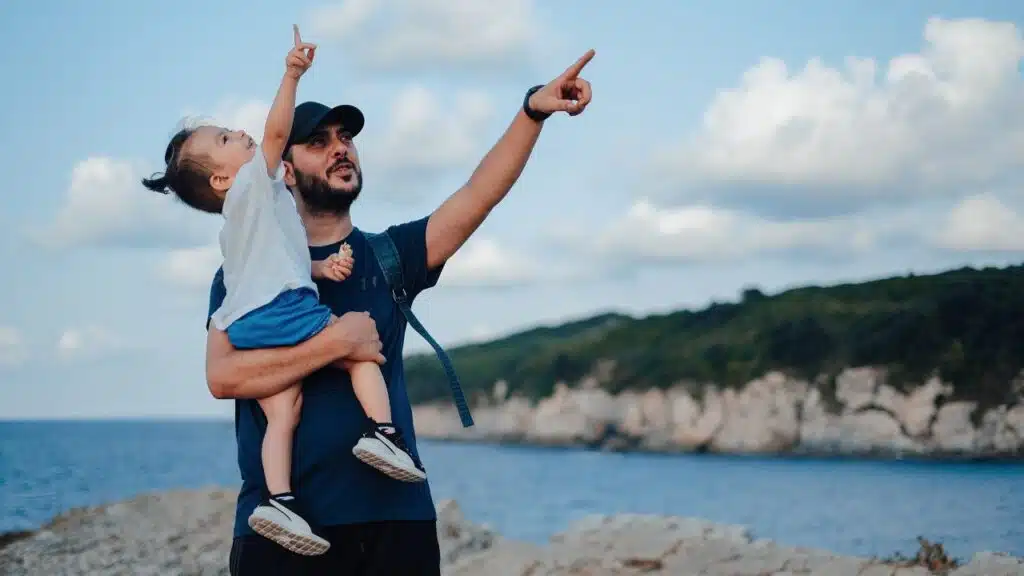
Despite progress, modern dads still encounter many barriers.
Workplace Stigma
Many men hesitate to take paternity leave, fearing they might be seen as less committed. Not all companies offer paid leave, and those that do often see low uptake by male employees.
| Country | Weeks of Paid Paternity Leave |
| Sweden | 12 weeks |
| Canada | 5 weeks |
| USA (varies by state) | 0 to 12 weeks (unpaid/paid) |
Mental Health and Isolation
Men often don’t speak up about the stress and exhaustion that come with parenting. This silence can lead to loneliness and mental health struggles.
| Common Challenge | Impact on Dads |
| Sleep Deprivation | Fatigue, anxiety, low productivity |
| Financial Stress | Depression, mood swings |
| Social Isolation | Emotional detachment |
Tools and Support Systems Empowering Today’s Fathers
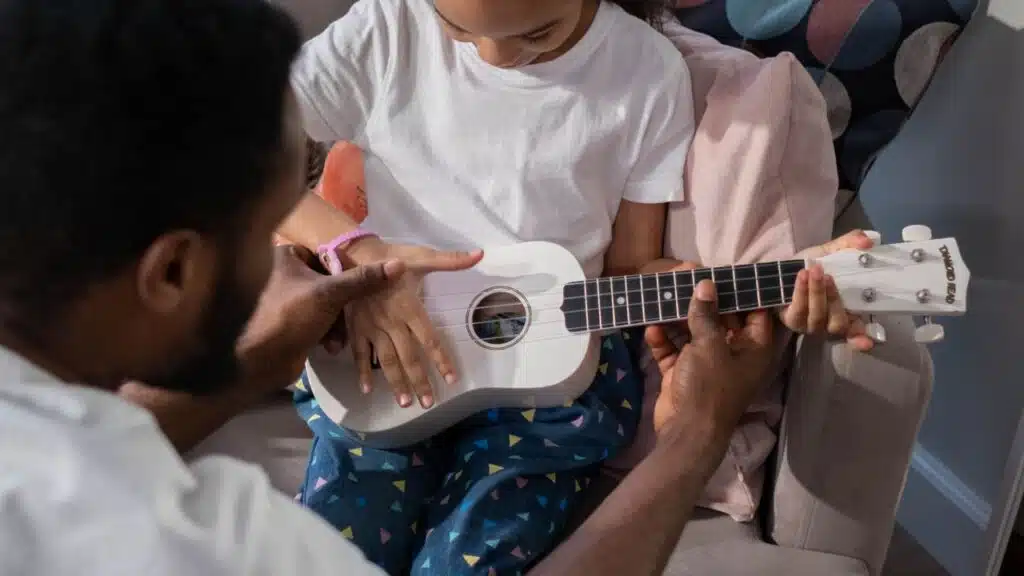
As the role of fathers expands, so too does the need for support. Thankfully, today’s dads have access to a growing range of tools, resources, and communities that help them navigate parenting. Whether through technology, peer networks, or workplace initiatives, these systems play a crucial role in helping fathers thrive in their caregiving responsibilities.
Online Dad Communities and Parenting Forums
Fathers now have access to communities where they can ask questions and share their journeys. Websites like City Dads Group and Fatherly provide helpful resources.
| Platform | Purpose |
| Reddit (r/Daddit) | Forum for daily dad discussions |
| Fatherly.com | Tips, stories, and product reviews |
| City Dads Group | Meetup groups and local events |
Parenting Apps and Digital Tools
Apps are making fatherhood easier to manage. Whether it’s tracking baby sleep or planning meals, technology offers support.
| App | Use Case |
| Cozi Family Planner | Shared family calendar and chores |
| BabyTime | Track feeds, sleep, and diapers |
| Calm | Meditation and stress relief for dads |
Workplace Initiatives
Some companies are leading the way by offering paternal leave, daycare assistance, and mental health support.
| Company | Family Support Policy |
| Netflix | Up to 52 weeks parental leave |
| 18 weeks paid paternity leave | |
| Facebook (Meta) | Family support and on-site childcare |
How Modern Fatherhood Benefits Families and Society
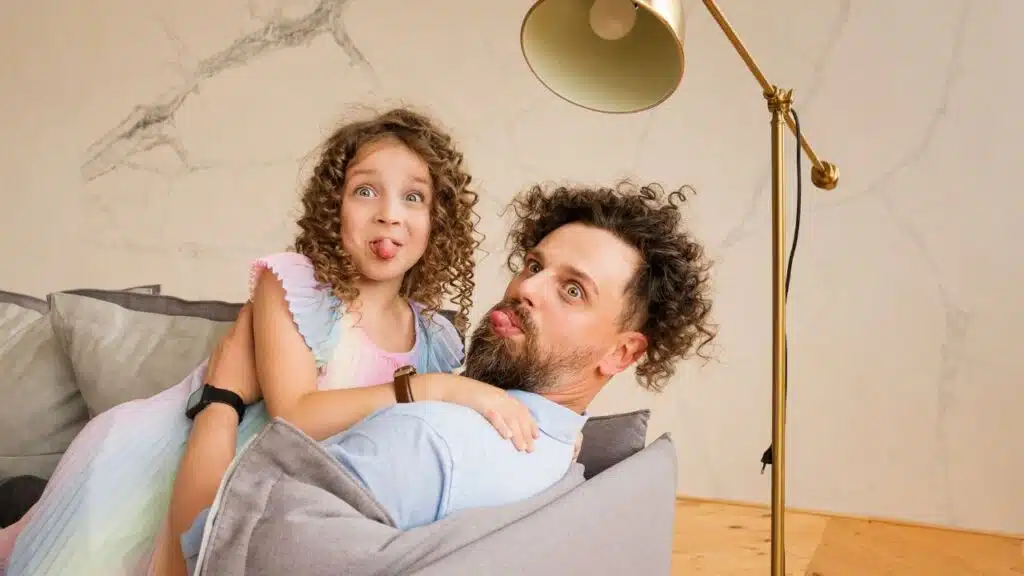
As more fathers take on active parenting roles, the effects are felt far beyond the household. Involved dads create stronger emotional foundations for their children and reduce the pressure on mothers. They foster equality within the home, encourage respect for all genders, and model positive relationships. Modern fatherhood is not just a family matter—it’s a societal asset that helps build more empathetic, balanced communities.
Child Development
Kids with hands-on fathers tend to do better emotionally and socially. They learn to trust, communicate, and empathize more effectively.
Family Bonding and Balance
Shared parenting reduces stress on mothers and builds a stronger family unit. Everyone feels heard and valued.
| Positive Effect | Outcome |
| Shared Chores | Less stress, better communication |
| Involved Fathers | Increased self-confidence in children |
| Balanced Decision-Making | Healthier family environment |
Expert Quotes and Real Stories
Dr. Michael Lamb, a pioneer in fatherhood studies, once said, “Fathers are as capable as mothers in caring for children, if given the opportunity and support.”
Real Story: Jamal, a father of two in Atlanta, shared: “I never imagined being a stay-at-home dad. But now I wouldn’t trade these years for anything. I’ve grown closer to my kids and my wife sees me as a true partner.”
Global Perspectives on Fatherhood
Different countries approach fatherhood in unique ways.
| Country | Fatherhood Norms |
| Sweden | Shared parental leave is expected and encouraged |
| Japan | Traditional roles shifting slowly, low leave uptake |
| South Africa | Growing movement for active fatherhood |
| India | Fathers still secondary in caregiving roles |
The Future of Fatherhood
Modern fatherhood is not a trend; it’s a transformation. Fathers today are challenging outdated norms and building a new path forward. They’re nurturing, they’re present, and they’re essential.
To support this shift, society must do its part: offer better paternity leave, encourage open conversations about dad’s mental health, and treat caregiving as a shared responsibility.
In doing so, we not only redefine fatherhood—we reshape the future of families.