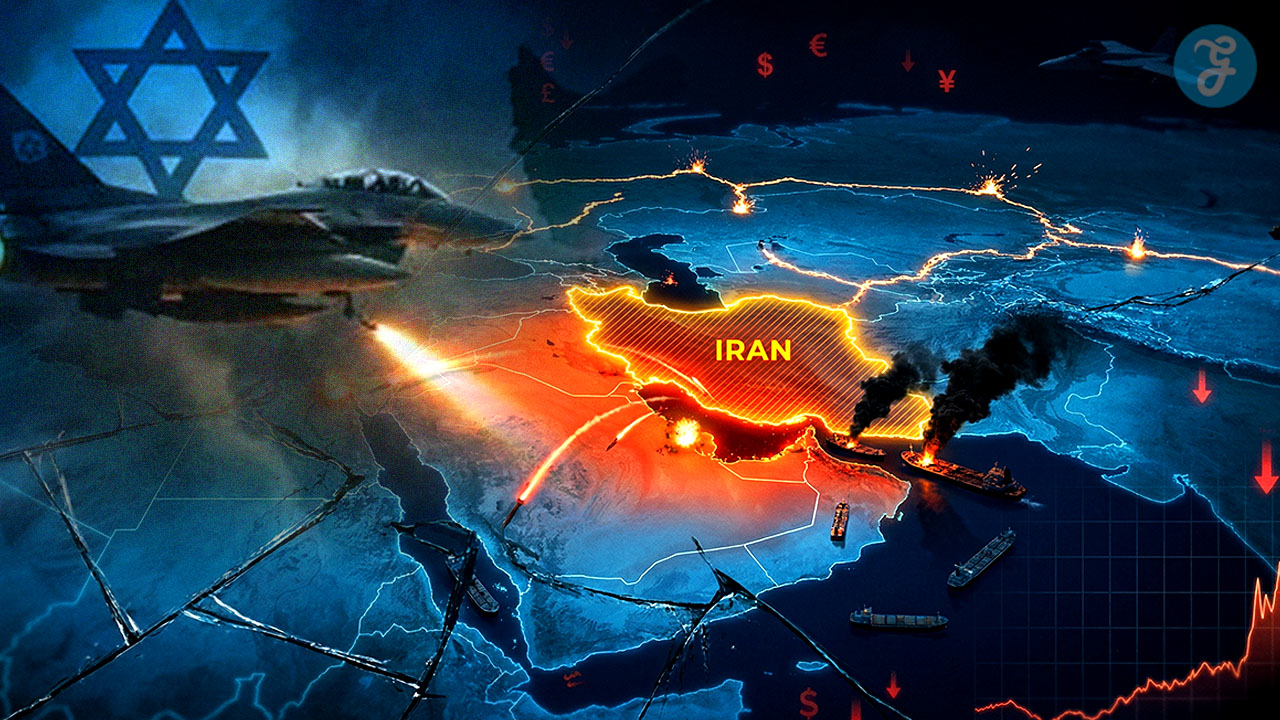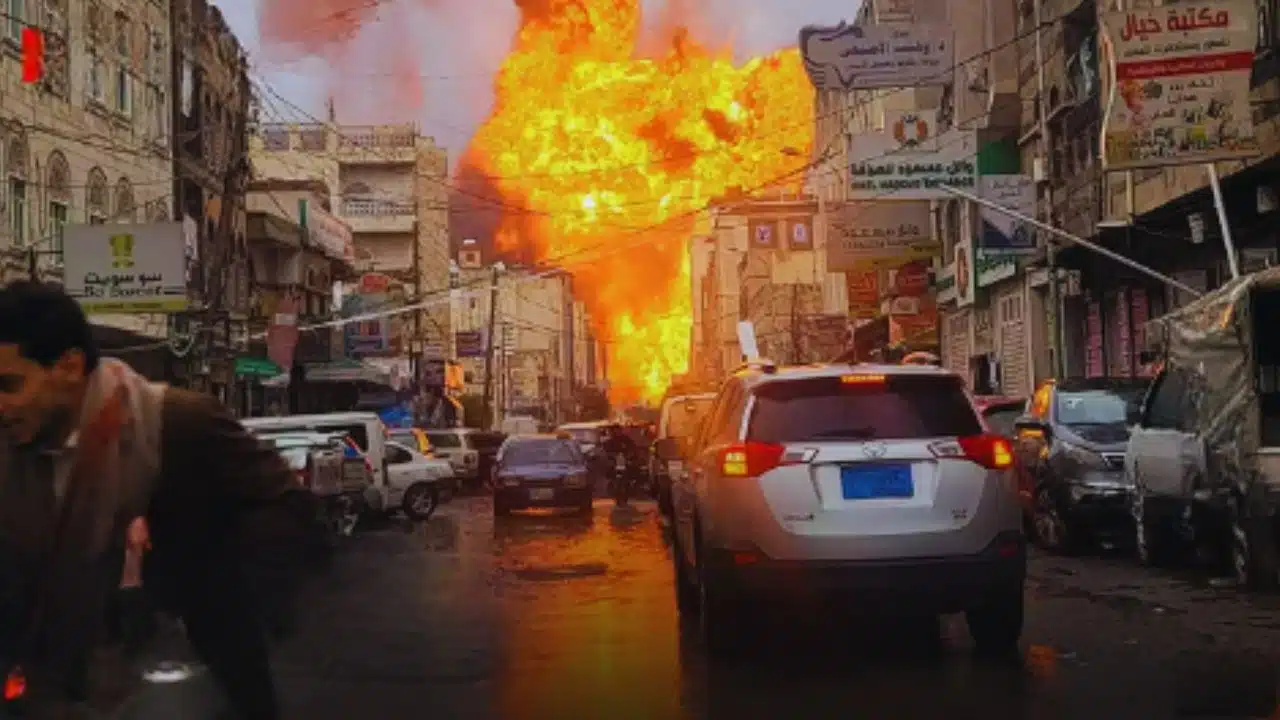
The Yemeni Houthi movement has confirmed that its prime minister, Ahmed al-Rahawi, was killed in an Israeli airstrike that struck the capital city, Sanaa, on Thursday, August 28, 2025. According to the group, al-Rahawi was attending a government workshop when the attack hit, alongside a number of senior officials. Several other ministers were also killed in the same strike, though the Houthis did not disclose the exact number of casualties.
The strike marks one of the deadliest and most significant Israeli attacks on Houthi leadership since direct hostilities between the two sides intensified earlier this year. Witnesses reported that the explosion destroyed parts of the presidential complex in Sanaa, with emergency teams struggling to recover bodies from the rubble.
Who Was Ahmed al-Rahawi?
Ahmed Ghaleb al-Rahawi was appointed prime minister of the Houthi-run government in 2024. While his administration operated only in Houthi-controlled parts of Yemen, his role was symbolically important for consolidating the group’s hold over northern and western Yemen. His government was known as the “Government of Change and Construction”, a title used in official Houthi communications.
Al-Rahawi was widely regarded as a figure who managed internal governance tasks while balancing political messaging aligned with the Houthi leadership’s anti-Israel and anti-Western stance. His death has now created a political vacuum within the group’s hierarchy, though his deputy, Muhammad Ahmed Miftah, has already stepped in as acting prime minister to prevent administrative collapse.
Israel’s Justification for the Strike
The Israeli military confirmed responsibility for the attack, stating that it struck what it described as a “Houthi terrorist regime military target.” According to the Israeli Defense Forces (IDF), the operation was based on real-time intelligence indicating that key figures of the Houthi leadership—including al-Rahawi, defense officials, and senior commanders—were present in the meeting.
This marks a significant escalation in Israel’s Yemen operations. Previously, Israeli air raids had focused on weapons depots, missile launch sites, drone storage facilities, and military infrastructure. Now, the shift toward “decapitation strikes”—targeting senior leadership—suggests Israel is adopting the same strategy it has used against Hezbollah, Hamas, and Palestinian Islamic Jihad in other parts of the Middle East.
Israeli Defense Minister Yoav Gallant stated earlier this month that targeting leadership would be necessary since previous airstrikes had “not been sufficient to deter Houthi aggression.”
Houthis Vow Retaliation
In a televised address following the announcement of al-Rahawi’s death, Mahdi al-Mashat, chairman of the Houthis’ Supreme Political Council, declared that Israel would face retaliation.
“We shall take vengeance, and we shall forge from the depths of wounds a victory,” al-Mashat said in a message broadcast on Houthi television.
The Houthis emphasized that their military operations against Israel and its allies will not stop. They described the killing of al-Rahawi as a sacrifice in the group’s broader campaign, vowing to “continue building armed forces and developing capabilities.”
The group also reaffirmed its solidarity with Palestinians in Gaza, stating that its support would remain “steadfast until the aggression ceases and the siege is lifted.”
Escalating Attacks and Regional Fallout
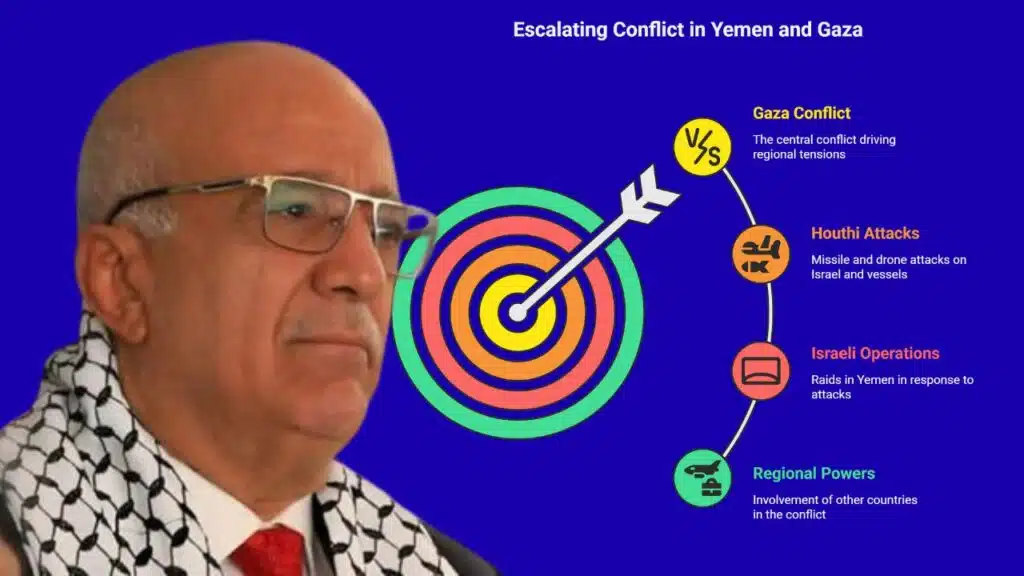
The killing of al-Rahawi came just days after Israeli warplanes carried out a separate series of raids on August 24, 2025, which killed at least 10 people and wounded more than 90 others, according to Yemeni health officials. That earlier strike had hit the presidential palace and several military installations in Sanaa.
Israel has stepped up its operations in Yemen since the Houthis launched missile and drone attacks against southern Israel and against Western commercial vessels in the Red Sea and Gulf of Aden. The Houthis describe these attacks as a show of support for Palestinians during the ongoing war in Gaza, which has already drawn in regional powers and heightened tensions across the Middle East.
On August 27, 2025, only one day before the strike that killed al-Rahawi, the Houthis claimed responsibility for a ballistic missile attack on southern Israel. The Israeli military reported that the missile was intercepted before it reached populated areas.
International Reactions
While official global reactions are still emerging, the strike is expected to deepen regional divisions:
- Iran, a key supporter of the Houthis, has previously condemned Israeli airstrikes on Yemen and may now increase military or financial aid to the group.
- The United States and Western allies, who have been patrolling the Red Sea to protect shipping routes, may view Israel’s attack as part of a broader campaign to limit Houthi capabilities.
- Humanitarian organizations have raised concerns that further escalation will worsen Yemen’s already dire humanitarian crisis, where millions remain food insecure after nearly a decade of war.
Why This Strike Matters
The targeted killing of a sitting prime minister, even one from an unrecognized government, is a rare and high-profile escalation. It indicates that Israel is willing to broaden its military strategy beyond Gaza and Lebanon to directly confront regional actors who attack its territory and shipping lanes.
For the Houthis, al-Rahawi’s death could become a rallying symbol, strengthening their narrative of resistance but also complicating governance in the areas they control. Analysts suggest that while his role was not primarily military, removing a figure of authority could disrupt the group’s ability to present itself as a functioning government.
With al-Rahawi killed, the Houthis will likely intensify their drone and missile attacks on Israel and possibly expand operations against Western naval assets in the Red Sea. Israel, on the other hand, appears committed to its campaign of leadership targeting, similar to strategies it has deployed in Gaza and Lebanon.
The strike underscores how the conflict, which began primarily as a Gaza-centered war, is rapidly spreading across multiple fronts, now pulling Yemen more directly into the battlefield.
The Information is collected from NBC News and MSN.