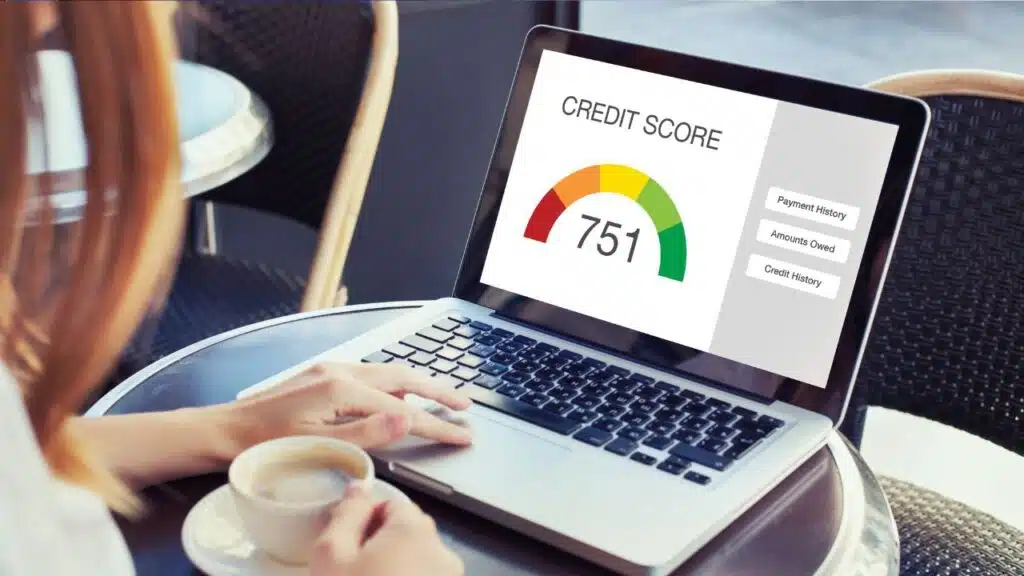
Your credit score controls more of your life than you think. It decides if you can get a car loan, rent an apartment, or even switch insurance companies. Many people focus on paying bills on time and keeping credit card balances low.
But other sneaky factors can hurt your credit score without warning.
Over one-third of Americans have a credit score below 670, according to Experian. Your FICO score ranges from 300 to 850, and small changes can make big differences in your financial life.
This guide reveals nine surprising ways your credit score can drop, even when you think you’re doing everything right. You’ll learn about hidden traps that catch smart people off guard.
Ready to protect your credit from unexpected hits?
Key Takeaways
- Canceling old credit cards can drop your credit score by 40 or more points by reducing credit history length and increasing utilization ratios.
- Missing a single payment that reaches 30 days past due can slash your credit score by 50 to 100 points or more.
- Cosigning loans makes you legally responsible for debt, and late payments by the primary borrower will hurt your credit score too.
- Carrying credit card balances on purpose does not improve credit scores and actually hurts them due to higher credit utilization ratios.
- Medical bills and parking tickets become dangerous to credit scores only after going unpaid for months and landing in collections agencies.
How Does Canceling Old Credit Cards Affect My Credit Score?
Canceling old credit cards can drop your credit score by 40 or more points, making it one of the costliest mistakes you can make. Credit bureaus look at two key factors that take a hit: your credit history length gets shorter, and your credit utilization ratio jumps higher.
Think of it like this: if you have $5,000 in total credit limits and owe $1,000, you’re using 20% of your available credit. Close a card with a $2,000 limit, and suddenly you’re using 33% of your remaining $3,000 limit.
Credit scoring models don’t like seeing high utilization rates.
Old credit cards act like the foundation of your credit history, showing lenders you’ve managed credit responsibly over time. Closing these accounts reduces your total available credit and can make your credit mix less diverse.
The good news is that closed accounts in good standing stay on your credit reports for up to 10 years, so the damage isn’t immediate. Still, keeping those old cards open costs you nothing and helps maintain a strong credit profile.
Put them in a drawer if you must, but don’t close them unless they carry hefty annual fees.
What Happens When You Cosign on a Loan or Credit Card?
Cosigning on a loan or credit card makes you legally responsible for the debt, just like the primary borrower. This means late payments by the person you cosigned for will hurt your credit score too.
Credit bureaus don’t care who actually missed the payment. They report it on both credit reports. Your payment history takes a hit every time the primary borrower pays late. The debt also shows up on your credit report, which increases your debt-to-income ratio.
This can make it harder to get approved for your own personal loans, mortgages, or car loans in the future.
Cosigning creates a financial partnership that can backfire quickly. Banks and lending institutions see you as equally responsible for the debt. If the primary borrower defaults on student loans or credit cards, debt collectors will come after you.
Your credit utilization ratio might also increase if the cosigned account carries high balances. This partnership affects your ability to refinance existing loans or open new lines of credit.
Credit reporting agencies track every missed payment, late fee, and maxed-out credit limit on the cosigned account. Your financial stability becomes tied to someone else’s spending habits and payment behavior.
Can Missing a Single Payment Hurt My Credit Score?
Missing a single payment can drop your credit score by 50 to 100 points or more. This dramatic decline happens because payment history makes up the largest portion of your credit score calculation.
Credit bureaus track every missed payment that reaches 30 days past due. Late payments signal financial instability to lenders, which damages your creditworthiness instantly.
About two-thirds of your credit score depends on payment history and outstanding debt levels. One missed payment creates a domino effect across your entire credit report. Credit monitoring services will alert you to these changes, but the damage occurs quickly.
Setting up automatic payments for minimum balances helps avoid this costly mistake and protects your financial stability.
Does Paying Off a Loan Early Impact My Credit?
Paying off installment loans early can temporarily impact your credit scores negatively. This may seem counterintuitive, but credit bureaus consider your credit mix when calculating FICO scores.
Credit mix accounts for 10% of your total score. Car loans, personal loans, and mortgage loans demonstrate to lenders your ability to manage various types of debt. Settling these loans ahead of schedule reduces your account diversity.
Length of credit history is also affected when you pay off loans early. This factor constitutes 15% of your FICO credit scores. Closing an installment loan reduces your overall credit history.
Credit reports reflect less variety in your credit products. While your credit utilization ratio might improve, the reduction in credit mix can counterbalance those gains. The effect typically persists for a few months before your credit scores stabilize.
Why Would Carrying a Credit Card Balance on Purpose Affect Your Credit?
Many people think carrying a balance on credit cards helps build credit. This myth costs money and hurts credit scores. Carrying a balance on credit cards does not improve credit scores; it can lower them due to higher utilization.
Your credit utilization ratio accounts for 30% of FICO scores, making it the second most important factor after payment history. Credit bureaus track how much you owe compared to your credit limits.
High balances signal financial stress to lenders. They worry you might struggle with future payments.
Credit utilization calculation works like this: balance ÷ limit × 100 equals percent used. Balances should be kept below 30% of available credit for decent scores. Top credit scores need even lower numbers.
Ideal credit utilization is below 10% for top scores. A $500 balance on a $5,000 credit line equals 10% utilization. Maintaining high balances incurs interest, which can add up, especially for those nearing retirement.
Credit card companies love this myth because they profit from interest payments. Smart consumers pay off their revolving accounts each month. This strategy keeps credit utilization low while avoiding costly interest charges.
What Are the Consequences of Only Paying the Minimum Due?
Paying only the minimum due on credit cards prolongs debt repayment and increases interest paid. This approach keeps you trapped in a cycle of debt that can last for years. Your credit utilization ratio stays high, which hurts your credit score.
Interest charges pile up month after month, making your original purchase cost much more than you planned.
Smart borrowers pay more than the minimum, even $50 extra per month, which accelerates debt reduction significantly. Credit card companies love minimum payers because they make the most profit from these customers.
Your payment history looks good to credit bureaus, but your financial stability suffers. Consider debt consolidation or balance transfer cards with 0% interest rates to break free from this expensive trap.
How Can Retirement Affect Your Credit Score?
Retirement brings many changes to your financial life, and your credit score is no exception. Credit scores remain important in retirement for unexpected expenses like medical bills or home repairs.
Many retirees think they can ignore their credit reports once they stop working. This thinking can hurt their financial stability later. Credit scores can affect the ability to refinance your mortgage or cosign for family members in retirement.
Your adult children might need help getting their first car loan or mortgage. Banks still check your credit report before approving these requests.
Maintaining high credit card balances incurs interest, which can be especially burdensome for those nearing retirement. Fixed incomes make it harder to pay off debts quickly. Closing old accounts or letting them go inactive in retirement can reduce available credit and lower scores.
Your credit utilization ratio jumps up when you close cards with high credit limits. Keeping credit utilization below 30%, ideally under 10%, is recommended even in retirement. Credit monitoring becomes more important as you age since identity theft often targets seniors.
How Do Divorce and Joint Debt Influence Credit Scores?
Divorce brings many challenges, and your credit score often becomes an unexpected casualty. Joint accounts can hurt both parties’ scores if not legally separated through proper channels.
Credit bureaus don’t care about your divorce decree. They only track payment history and credit utilization on shared accounts. Missed payments by one spouse damage both credit reports, sometimes for years after the split.
Your ex-partner’s financial mistakes become your credit nightmare. Late payments on joint credit cards, personal loans, or a home equity line of credit will drag down both scores. The credit reporting system treats joint debt holders as equally responsible, regardless of who actually uses the account.
Joint debts remain on both parties’ credit reports until paid off or legally separated through the lender. Legal agreements in divorce do not remove responsibility for joint debts with lenders.
Your divorce lawyer might assign debt to your former spouse, but credit card companies and banks don’t recognize these arrangements. Missed payments by either spouse on joint accounts can result in significant score drops for both people.
Smart couples close joint accounts before filing divorce papers. They also remove authorized users from all credit products. Some financial advisors suggest paying off shared debt completely during divorce proceedings.
Others recommend transferring balances to individual accounts. Each person should pull their credit reports from all three consumer credit bureaus. This helps identify every shared account that needs attention.
What Happens If You Let Accounts Go Inactive?
Inactive accounts create problems for your credit score. Lenders may close accounts you don’t use, which hurts your credit utilization ratio and shortens your credit history. Credit bureaus track how long you’ve had accounts open.
Closed accounts reduce your available credit, making your debt look bigger compared to your limits.
Credit cards sitting unused for months often get shut down by the bank. This action removes positive payment history from your active credit mix. Your credit score drops because you lose that account’s credit limit.
The good news is that closed accounts in good standing stay on your credit report for up to 10 years. Still, losing active credit lines makes it harder to maintain a low credit utilization rate, especially if you carry balances on other cards.
Can Unpaid Medical Bills or Parking Tickets Damage Your Credit?
Medical bills and parking tickets don’t directly hurt your credit score. These debts become dangerous only after they go unpaid for months. Hospitals and parking authorities typically don’t report regular bills to credit bureaus.
Your payment history stays clean as long as you handle these debts before they escalate.
Trouble starts once these unpaid bills land in collections. Debt collection agencies report delinquent accounts to credit reporting companies. Collections accounts can slash your credit score by 50 to 100 points.
The damage sticks around for seven years on your credit report. Medical debt collections hit millions of Americans each year, making this a common credit killer that catches people off guard.
Do Phone Payment Plans and Utility Bills Affect Credit Scores?
Phone payment plans and utility bills generally do not affect credit scores. Most cell phone companies and utility providers don’t report your monthly payments to credit bureaus. This means paying your electric bill on time won’t boost your credit score.
Missing payments tells a different story, though. Utility companies may send overdue accounts to debt collections agencies after several months of non-payment. Collections accounts can seriously damage your credit report and lower your score.
Experian Boost offers a way to change this game. This free service lets consumers add positive utility payment history to their Experian credit report. You can include electric, gas, water, and phone bills in your credit mix.
The program connects to your checking account and tracks your payment history. Capital One and other major lenders now consider this data when reviewing credit applications. Phone payment plans work the same way as utility bills, staying invisible to credit bureaus unless you default on payments.
Takeaways
Your credit score affects more than you think. Small choices can make big changes to your financial future. Missed payments, closed accounts, and cosigning loans all leave their mark on your credit report.
Smart money moves today protect your credit tomorrow. Work with a credit counselor or financial advisor if you need help managing debt and building better credit habits.
FAQs
1. Can overdue library books really hurt my credit score?
Yes, overdue library books can damage your credit score if the library sends your debt to collections. Most libraries give you plenty of time to pay, but once it hits your credit report, it stays there for years.
2. How do gym membership cancellations affect my credit?
Gym membership cancellations can hurt your credit if you still owe money and stop paying. The gym might send your unpaid balance to collections, which shows up as a negative mark on your credit reports.
3. Do utility bills impact my credit score?
Utility bills don’t usually help build credit, but missed payments can hurt you. If you skip payments and the utility company reports it to credit bureaus, your credit score drops fast.
4. Can bank overdrafts lower my credit score?
Bank overdrafts themselves don’t directly affect your credit score. However, if you don’t pay back the overdraft fees and your account goes to collections, that will definitely hurt your credit rating.
5. How does credit monitoring help me avoid credit score surprises?
Credit monitoring alerts you to changes in your credit report right away. You can catch errors, identity theft, or missed payments before they cause major damage. It’s like having a financial advisor watching your back 24/7.
6. Why do hard inquiries from applying for credit products matter?
Hard inquiries happen when lenders check your credit for loans or credit cards. Too many hard inquiries in a short time makes you look desperate for credit, which lowers your score. Soft inquiries from checking your own credit don’t count against you.