Herbalism is the practice of using plants and plant preparations to support wellbeing. It’s not a replacement for modern medicine, and it’s not automatically safe just because something is “natural.” But when approached responsibly, herbalism can be a practical home skill: you learn a few versatile herbs, understand what the evidence does and doesn’t say, and build simple routines like teas, infused oils, or skin-soothing gels.
This beginner herbalism guide focuses on 7 widely available herbs that many people keep at home because they’re versatile and relatively easy to use. You’ll also learn how to start herbalism without buying a hundred products, how to avoid common mistakes, and when to check with a clinician first.
What Herbalism Is (and What It Isn’t)
Herbalism is best understood as a complementary practice rather than an alternative to modern healthcare. It combines traditional plant knowledge with observation, preparation methods, and emerging scientific research. Different cultures have used herbs for centuries, often as part of daily life rather than treatment.
Today, herbalism is most effective when approached with realistic expectations. Understanding its limits is just as important as understanding its benefits.
Herbalism sits at the intersection of tradition, food culture, and modern research.
What it is
- Using plants (leaves, flowers, roots, seeds) in preparations like teas, tinctures, capsules, and topical products
- Learning basic plant identification, sourcing, storage, and safe use
- Pairing traditional knowledge with current evidence where available
What it isn’t
- A guaranteed cure for serious disease
- A safe alternative in every situation (herbs can trigger allergies and interact with medications)
- A one-size-fits-all approach (different bodies, different conditions, different risks)
A helpful mindset for beginners: start small, go slow, and track what you use and how you respond.
Safety First: The Beginner Rules That Prevent Most Problems
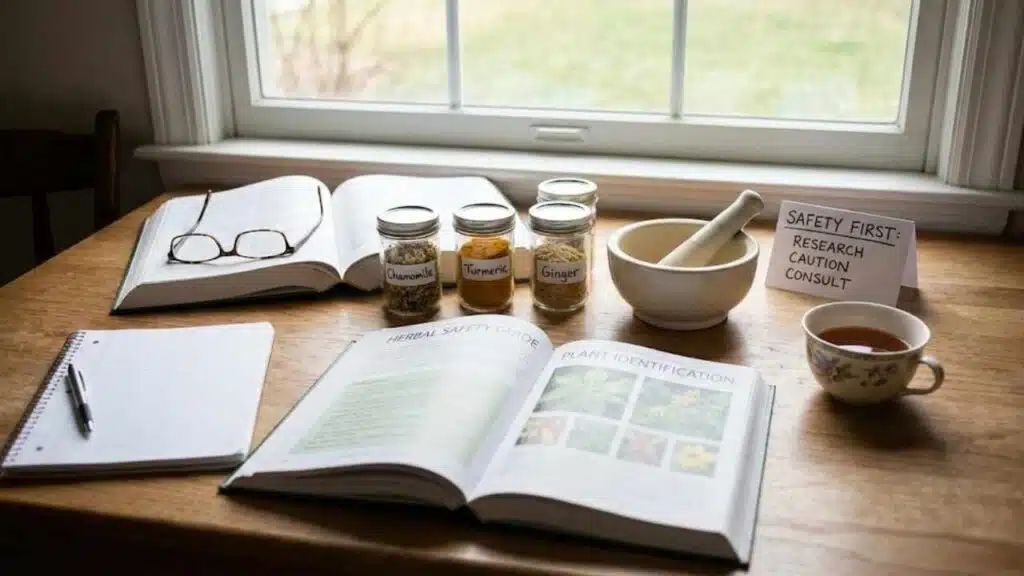
Safety is the foundation of responsible herbal use, especially for beginners. Many herbs are gentle, but improper use can still lead to side effects or interactions. Dosage, preparation method, and individual health conditions all play a role. Reliable sources and professional guidance help reduce unnecessary risks. Starting cautiously builds confidence and long-term success with herbal remedies.
Before we talk about the 7 essential herbs, these safety basics matter more than any recipe.
1. Herbs can interact with medicines
Some herbs can change how medications work (for example, by increasing sedation, increasing bleeding risk, or affecting drug levels). Chamomile, for instance, has documented interaction cautions.
2. “Natural” doesn’t mean “risk-free”
Even common kitchen herbs can cause side effects in concentrated supplement form. Turmeric/curcumin products, for example, can vary widely in formulation and absorption, and high-bioavailability products have raised safety concerns, including liver injury warnings.
3. Use extra caution if you are pregnant, breastfeeding, immunocompromised, or managing a chronic condition
This is where professional guidance matters most. NCCIH fact sheets are a good starting point for evidence and safety summaries.
4. Quality and correct identification matter
- Buy from reputable suppliers with clear labeling (species name, part used, batch/lot info if possible)
- Avoid wild-harvesting unless you’re trained in identification
- Store dried herbs away from heat, light, and humidity
How to Start Herbalism at Home Without Getting Overwhelmed
Beginning herbalism does not require advanced knowledge or expensive tools. A small, intentional setup makes learning easier and more sustainable. Focusing on a few multipurpose herbs prevents confusion and waste. Simple preparations help beginners observe how herbs affect them personally. Consistency matters more than variety when building herbal habits.
You do not need a full apothecary to begin. You need a small, repeatable system.
A simple beginner herbal kit
- 7 core herbs (dried or fresh depending on the herb)
- A kettle and mug or teapot + a small strainer
- A few labeled glass jars (for dried herbs)
- Optional: carrier oil (like olive or sunflower) and beeswax for salves
- A notebook (your mini “materia medica”)
Your beginner routine
- Choose one herb per week
- Use it in one simple form (usually tea or topical)
- Write down what you used, how much, and how you felt
The 7 Essential Herbs for Your Home
Choosing the right herbs early on can shape a beginner’s entire experience with herbalism. The herbs listed here are commonly available, versatile, and widely used across cultures. They are often included in beginner herbalism guides because they can serve multiple everyday purposes. While research support varies, each herb has enough traditional and practical value to justify its place in a home herbal setup. This section explains why these herbs are frequently recommended for beginners.
1. Chamomile
Chamomile is one of the most widely consumed herbal teas in the world. It is often associated with relaxation, sleep routines, and gentle digestive support. Because it is mild and familiar, many people encounter chamomile before realizing they are practicing herbalism. Its long history of use makes it an accessible starting point. However, even common herbs like chamomile require awareness of allergies and interactions.
Chamomile is best known as a calming tea, often used in evening routines.
Common home uses
- Wind-down tea for relaxation
- Mild digestive comfort (after meals)
- Gentle skin use in some topical preparations (with care)
What research suggests
Chamomile has been studied for sleep outcomes, with systematic review/meta-analysis work indicating potential benefits for aspects of sleep (results across trials can be mixed depending on preparation and population).
How to use at home
- Tea: steep dried flowers in hot water (covered) for 5–10 minutes
- Evening routine tip: keep the dose modest and consistent for a week before judging effects
Safety notes
NCCIH notes chamomile is generally safe in amounts commonly found in teas, but it can trigger allergic reactions (especially in people allergic to ragweed-related plants) and may interact with some medicines.
2. Peppermint
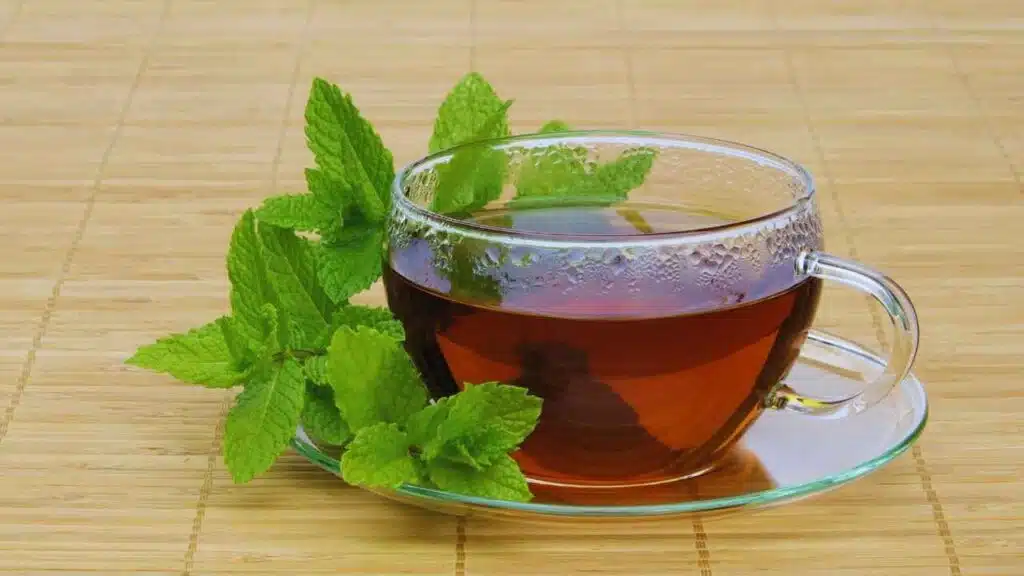
Peppermint is valued for both its flavor and its functional properties. It is commonly used in digestive teas, supplements, and aromatherapy products. Unlike many herbs, peppermint has been studied in more structured clinical contexts, particularly for digestive concerns. This makes it especially interesting for beginners who want some research-backed context. Still, how peppermint is used matters just as much as the herb itself.
Peppermint is a classic “stomach herb” and one of the most studied herbs for IBS in the form of peppermint oil capsules.
Common home uses
- Tea for post-meal comfort
- Aromatic support (the smell alone can feel refreshing)
- Digestive routine support
What research suggests
For irritable bowel syndrome (IBS), evidence suggests peppermint oil may reduce symptoms for some people, and NCCIH specifically notes some evidence of benefit.
Meta-analyses and trials have examined enteric-coated peppermint oil formulations for IBS symptom relief.
How to use at home
- Tea: steep dried peppermint leaf 5–10 minutes
- For IBS: do not assume peppermint tea is equivalent to enteric-coated peppermint oil capsules used in clinical studies; the delivery method matters
Safety notes
Peppermint oil capsules can cause side effects (often reflux/heartburn in some people) and quality/formulation matters for targeted release. If you have GERD, peppermint may worsen symptoms.
3. Lavender
Lavender is best known for its aroma, but its traditional uses extend beyond fragrance. It has long been associated with calming routines and relaxation practices. Many beginners are drawn to lavender because it feels familiar and easy to use. However, lavender products vary widely, from dried flowers to concentrated essential oils. Understanding these differences is essential for safe and effective use.
Common home uses
- Aromatherapy (diffuser, inhalation, sachets)
- Bath or bedtime routines
- Occasional tea use (culinary lavender), though many people prefer aroma-only
What research suggests
NCCIH notes it’s unclear whether lavender aromatherapy benefits anxiety, stress, depression symptoms, pain, or sleep quality, though some people report improved quality of life. There are also systematic reviews and analyses exploring lavender and anxiety outcomes, but results can vary depending on delivery method, dose, and study design.
How to use at home
- Aromatherapy: 1–3 drops in a diffuser; keep spaces ventilated
- Sleep routine: lavender sachet near the bed (not on the pillow if you’re sensitive)
Safety notes
Essential oils are concentrated. Do not ingest essential oils unless under professional supervision. Keep essential oils away from children and pets, and patch-test if using diluted topically.
4. Ginger
Ginger occupies a unique space between food and herbal medicine. It is used daily in many cuisines while also appearing in traditional remedies across cultures. This dual role makes ginger especially approachable for beginners. Its warming nature and strong flavor make its effects noticeable for many people. Because it is often consumed as food, it provides a lower-risk entry point into herbal practice.
Common home uses
- Nausea support (tea, ginger chews, food)
- Digestive comfort
- Warming beverage for seasonal routines
What research suggests
NCCIH notes evidence that ginger may help control nausea related to pregnancy or chemotherapy, while evidence for other nausea causes is less clear.
How to use at home
- Fresh ginger tea: slice fresh ginger and steep 10–15 minutes (or simmer gently)
- Food-first approach: add ginger to soups, stir-fries, and rice dishes
Safety notes
Ginger can cause heartburn or stomach upset in some people at higher amounts. If you take anticoagulants or have gallbladder issues, talk to a clinician.
5. Turmeric
Turmeric has gained global attention for its potential health-related properties. Traditionally used as a culinary spice, it has become widely marketed in supplement form. This popularity has created confusion about what turmeric can realistically do. Beginners benefit from understanding the difference between dietary use and high-dose extracts. A grounded approach helps avoid exaggerated expectations and unnecessary risks. Turmeric is another food-as-herb staple, but it’s also where supplements can get complicated fast.
Common home uses
- Cooking (curries, soups, lentils)
- “Golden milk” style drinks
- Food-based inflammation-support routines (as part of an overall diet)
What research suggests
NCCIH notes it’s challenging to compare turmeric/curcumin evidence because products vary widely, and they emphasize uncertainty about definitive benefits for health purposes. They also highlight safety concerns with highly bioavailable curcumin formulations (including possible liver harm).
How to use at home
- Culinary turmeric: use consistently in food
- If making golden milk: treat it as a comforting beverage, not a medical treatment
Safety notes
Be cautious with high-dose supplements, especially formulations designed to increase absorption. If you take blood thinners or have liver disease, get medical guidance first.
6. Echinacea
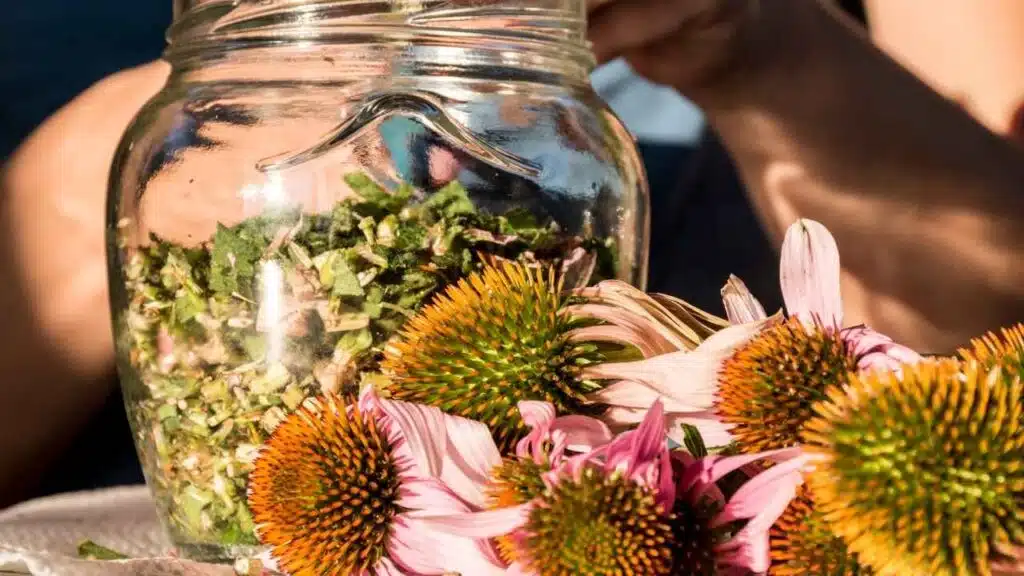
Echinacea is commonly associated with immune support, especially during seasonal illness. It is one of the most debated herbs in modern herbal research due to mixed study results. Product differences play a major role in how echinacea performs. For beginners, this makes echinacea a valuable learning example. It highlights why evidence, formulation, and expectations must be considered together. Echinacea is commonly used during “cold season,” but the evidence is mixed and product differences matter.
Common home uses
- Short-term use at the first sign of a cold (popular practice)
- Seasonal wellness routines (often as teas, tinctures, or capsules)
What research suggests
Cochrane evidence indicates that some echinacea products may be more effective than placebo for treating colds, but overall evidence for clinically meaningful effects is weak; prevention trials generally do not show significant reductions in getting sick, though many point toward small preventive effects.
NCCIH provides a detailed overview of usefulness and safety for echinacea preparations.
How to use at home
- If you use it, keep it short-term (for example, during early symptoms), and choose standardized products
- Treat it as “might help a bit” rather than “will stop a cold”
Safety notes
People with allergies (especially to plants in the daisy family) may react. Those with autoimmune conditions or on immunosuppressive therapy should be especially cautious and consult clinicians first.
7. Aloe Vera
Aloe vera is often one of the first medicinal plants people grow at home. Its clear gel is widely used for skin comfort and minor irritation. Unlike many herbs, aloe is primarily applied topically in household use. This makes it easy to observe immediate effects, which appeals to beginners. However, internal and external uses of aloe differ significantly and require careful distinction.
Aloe is the “skin herb” many people keep as a living plant on a windowsill.
Common home uses
- Cooling gel for minor skin irritation
- Post-sun exposure comfort
- Moisturizing support (in some routines)
What research suggests
NCCIH notes aloe is used topically and orally, and topical aloe is promoted for burns and other skin issues; evidence varies by condition and product.
Systematic reviews and meta-analyses have examined aloe vera for burn wound healing, with mixed conclusions depending on study quality and burn type.
How to use at home
- Fresh gel: cut a small piece, remove the outer rind, and apply the clear gel to intact skin
- Patch test first: apply a small amount to the inside of the forearm and wait 24 hours
Safety notes
Avoid putting aloe on deep, severe burns or infected wounds; seek medical care. Oral aloe products are a different category and can have laxative effects depending on the type—do not assume “aloe drink” equals “skin gel.”
Simple Herbal Preparations Beginners Can Make
Herbal preparations do not need to be complex to be effective. In fact, simpler methods often reduce the risk of misuse. Teas, decoctions, and infused oils are among the most accessible options for beginners. These methods also help users connect preparation with experience. Learning these basics creates a foundation for more advanced techniques later.
You don’t need complex extraction methods to start.
Herbal tea (infusion)
Best for leaves and flowers (peppermint, chamomile, lavender culinary use).
- Add herb to hot water
- Cover while steeping (keeps volatile compounds from escaping)
- Strain and drink
Decoction
Best for tougher roots and rhizomes (ginger, turmeric).
- Simmer gently 10–20 minutes
- Strain and drink
Infused oil (for topical use)
Great for a beginner “first project.”
- Put dried herb in a clean jar
- Cover fully with a carrier oil
- Steep 2–4 weeks in a cool, dark place; strain
Simple salve (optional)
- Warm infused oil + beeswax until melted, pour into tins, cool
This is best for dry skin support, not for treating serious skin conditions.
What to Expect (and How to Tell If It’s Working)
Herbalism works gradually and often subtly, which can be frustrating for new users. Unlike pharmaceuticals, herbs typically support systems rather than forcing rapid changes. This makes tracking and observation especially important. Small improvements in comfort or routine consistency are often more realistic than dramatic results. Understanding this helps beginners avoid disappointment and misuse.
Herbs often work subtly, and “working” can look like:
- Slightly easier digestion after meals
- A more consistent evening routine
- Mild improvement in comfort (not a dramatic cure)
A practical tracking checklist
- What did you take/use (herb + form)?
- When and how much?
- Any noticeable effect (positive, negative, neutral)?
- Anything else that could explain the change (sleep, stress, food, illness)?
If you notice rashes, swelling, breathing trouble, severe GI symptoms, or signs of allergy, stop and seek medical help.
Final Thoughts
Herbalism for beginners doesn’t require deep botanical knowledge or an overflowing cabinet of remedies. It starts with curiosity, caution, and a small set of well-researched herbs you can learn to use confidently at home. By focusing on versatile options like chamomile, peppermint, ginger, and aloe vera, you build practical skills that fit naturally into daily routines rather than chasing quick fixes.
The most sustainable approach to herbalism is thoughtful and evidence-aware. Understanding what herbs can realistically support, how to prepare them correctly, and when to seek professional guidance helps prevent common mistakes and builds long-term trust in natural wellness practices. Start slowly, observe how your body responds, and let experience—not hype—guide your next steps.
With consistency, patience, and reliable information, herbalism can become a simple, empowering home skill that complements modern healthcare while reconnecting you with time-tested plant traditions.
FAQs
What is the best herb to start with for beginners?
Chamomile or peppermint are common starting points because they’re easy to prepare as teas and widely available. If your goal is nausea support, ginger is often a practical first choice. For skin routines, aloe vera is a popular beginner option. Safety and individual conditions matter more than popularity.
Can I use herbal remedies every day?
Often yes for food-based use (like ginger and turmeric in cooking). For concentrated extracts or supplements, daily long-term use is not always appropriate. When in doubt, use the “lowest effective amount” and take breaks, especially with supplements.
Are these herbs safe with medications?
Not always. Some herbs may interact with medications; chamomile and turmeric/curcumin products have specific cautions, and product formulations vary. Check reliable references and consult a clinician if you’re on prescription meds.
Does peppermint tea help IBS the same way peppermint oil capsules do?
Not necessarily. Clinical research for IBS commonly involves enteric-coated peppermint oil capsules and specific formulations, which can deliver peppermint oil to targeted areas of the gut. Tea is different in dose and delivery.
Is echinacea proven to prevent colds?
Evidence is mixed. Reviews suggest prevention effects are small at best, and results depend on the product used.
Can aloe vera treat burns?
Aloe vera is commonly used topically for minor burns and soothing, and research has examined its role in burn healing, but study quality varies and it’s not appropriate for severe burns. Seek medical care for serious burns.