

Cold floors waste energy and make your home feel chilly. Many homes use forced-air or baseboard heating, but they still leave cold spots. You want a warm floor and lower bills.
Radiant floor heating can cut heat loss by up to 20%, says industry data. This guide shows 10 underfloor heating systems that fuse radiant heat, electric heating mats, and hydronic water tubing.
You will learn how each option can boost comfort, save energy, and match your floor covering. Keep reading.
Key Takeaways
- Radiant floor heating can cut heat loss by up to 20%, lowering bills and boosting comfort (industry data).
- Warmboard uses aluminum panels and crosslinked polyethylene (PEX) pipes to circulate hot water, pairs with solar collectors, and works best in new builds despite higher upfront costs.
- Electric mats like Nuheat and Schluter-DITRA-HEAT install in one day, cost only a few cents per day to run, and carry ETL/UL listings plus 10-year warranties under tile, stone, marble, vinyl, or laminate.
- Foil and tape heaters (Warmup’s DCM-PRO at ~$10/sq ft; TempZone mats at ~$5/sq ft) draw 12–15 W/sq ft, fit under wood or engineered floors, and link to Wi-Fi thermostats for precise control.
- Hydronic systems (Uponor’s PEX tubing; EcoWarm RadiantBoard with foam insulation) pump hot water through slabs or molded panels, deliver whole-house warmth, trim energy use, and reduce dust for allergy relief.
Warmboard
Warmboard works like a hot stone under your feet, with panels and an insulation layer hiding in your slab. It heats fast and cuts energy waste, so you can stop chasing cold toes.
Radiant subfloor panels for efficient heat distribution
Aluminum panels spread warmth quickly across the subfloor, boosting heat distribution underfoot. The Warmboard system links these panels with crosslinked polyethylene pipes to circulate hot water.
This hydronic underfloor heating cuts operating costs, yet it needs more up-front cost and maintenance. Builders install it best in new homes or big renovations. Panels pair with solar collectors or air-source units to boost energy efficiency.
Radiant panels share silent warmth and lift home value.
Zone manifolds drive water where rooms need it, to control heat precisely. Aluminum’s high conductivity drives radiant heat fast, so stepping on tile feels like a warm hug. The Warmboard solution shines in whole-house layouts seeking energy savings.
Nuheat Mats

Nuheat Mats slip under tile floors, pair with a smart thermostat for energy-efficient control, and pump out even, fast heat that hugs your toes—read on to see why installers rave about them.
Pre-configured electric heating mats for easy installation
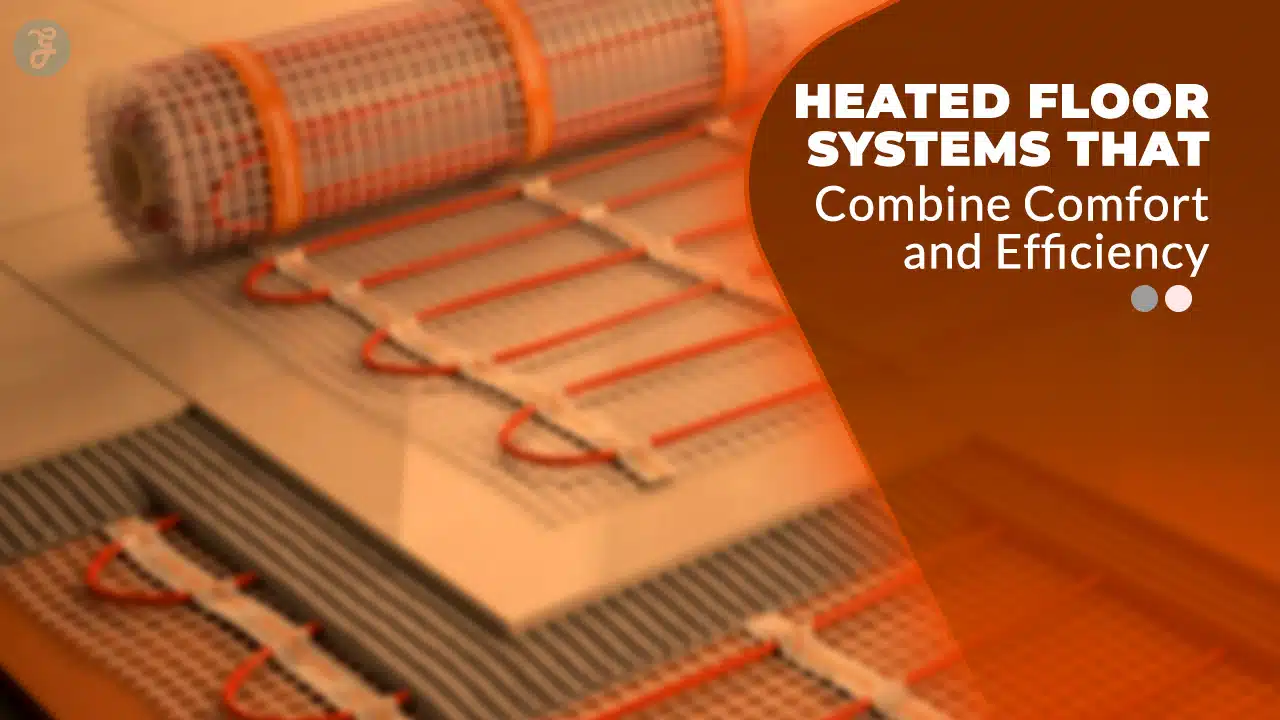
Pre-configured mats save time. You unroll them on the subfloor and press them into thinset. Floor sensors link to a temperature controller. This underfloor heating design warms tile, stone, marble and vinyl.
The cables use electrical resistance to emit radiant heating from below. They deliver fast warm-up times and even heat distribution.
Small bathrooms or kitchens get a cozy boost. Costs stay low at a few cents per day. Folks cut heat loss and boost energy efficiency with radiant floor heating. Installers often add insulation barriers on concrete floors.
An electrician or skilled DIYer can wire the mat and set up the temperature controller.
Schluter-DITRA-HEAT
Schluter-DITRA-HEAT lays down a thin separation mat and electric ribbon under tile floors. It boosts heat transfer, slashes energy waste, and locks in warmth on a concrete slab.
Combines heating cables with uncoupling membranes
A dimpled sheet holds the electric heat cables in place. It stops tile cracks by uncoupling grout from the subfloor. A pro can set up this underfloor heating layer in one day on wood or concrete.
You can space cables to fit each room size and layout. This ETL listed sheet meets U.S. and Canada safety rules.
You can lay it beneath ceramic tile, stone, or marble floor coverings. It boosts radiant floor heating and cuts heat loss. Link it to WiFi or a smart thermostat for precise temp control.
A 10-year warranty gives extra peace of mind. The system brings energy savings and thermal comfort to any room.
Uponor Hydronic System
Uponor’s hydronic floor setup uses flexible polymer piping and a flow control unit to spread gentle warmth from a condensing water heater. Discover how its radiant heat transfer slashes energy use and keeps tile, wood, and stone floors toasty.
Hot water tubing for consistent heat in large spaces
Uponor leads water-based heating with PEX piping under slabs. They pump hot water through loops beneath the floor to drive radiant heat transfer. Pumps run off a boiler, solar thermal, or a heat pump.
These hydronic systems cut heat loss and trim bills. They suit whole houses or big open areas.
Installers embed the piping in concrete or between subfloor panels. Each line links to a central manifold for easy control. The upfront cost runs higher, but long term energy efficiency keeps bills down.
Users note allergy relief since radiant floor heating stirs no dust. Floors feel like a cozy blanket underfoot. They tap thermal mass in tile or wood to hold heat.
ThermoSoft Electric System
ThermoSoft Electric System tucks slim heat pads beneath tile or wood, pairs a WiFi thermostat with heat-reflective foil for fast, even radiant floor heating and energy savings—keep reading to see it in action.
Flexible heating mats for various floor types
Flexible mats hug subfloors. Cable loops fit under wood, laminate, carpet, vinyl, and tile. Electric heating cable runs inside thin mesh for quick radiant heating. Designers test thermal conductivity to share heat fast and cut heat loss.
ThermoTile mats supply 12 W per square foot in up to 1.5-inch cement pours. Factory-attached leads slash labor time and tool needs, and UL and ETL certification backs the build with a 10-year or lifetime warranty.
Vernon Hills, Illinois company launched in 1996 and holds an A+ BBB rating. Customers left 1,098 positive reviews. Live US-based tech support guides DIYers and pros. This underfloor heating system boosts energy efficiency and cost-effective heating.
Radiant-floor heating pairs with reflective insulation for even heat distribution and low maintenance. It outshines bulky HVAC ducts, water heaters, and forced-air systems in energy savings.
Warmup Foil Heater
Warmup’s foil heater slips beneath floor finishes, and it spreads heat fast thanks to thin aluminum layers that boost thermal conductivity. Pair it with a thermostat and a thermal camera to cut heat loss, then watch your energy bill shrink.
Ideal for laminate and wood flooring
Foil mats slip under laminate or engineered wood floors like a warm hug for your toes. These mats use a thin foil-based heating element for quick underfloor heating, with no glue needed.
This low-profile design does not raise floor height much. A full-room layout runs about $10 per square foot with a DCM-PRO sheet, cable, and WiFi thermostat.
You can retrofit these mats into old rooms with ease. The DCM-PRO sheet guards against floor cracks and adds insulation for radiant floor heating. The WiFi controller keeps temps in check, cuts heat loss, and boosts energy efficiency.
It joins your HVAC system to balance heating loads smoothly.
SunTouch TapeMat
SunTouch TapeMat hugs floors with thin heating cables. You hook it to a smart thermostat, so you set precise schedules, cut heat loss, and boost energy efficiency.
User-friendly electric heating mats for DIY projects
DIYers unroll the heating mat and tape it in place. They cut and bend the mat to fit odd angles. It fits under tile or natural stone floors in kitchens and bathrooms. A spot heating setup warms sink areas or entryways on demand.
The mat carries a UL listing for wet locations. A backup floor sensor comes with most floor heating systems. You can finish a bathroom in a day, with little mess. Radiant floor heating adds energy efficiency and trims heat loss.
EcoWarm RadiantBoard
EcoWarm RadiantBoard uses built-in insulation and boards with low thermal conductivity to trap heat under tile floors and slash energy loss—read on to learn more.
High-performance panels with integrated insulation
High performance panels pair rigid foam insulation with hydronic radiant heating modules, cutting heat loss to the subfloor, and boosting energy efficiency. Dense cores tweak thermal conductivity so heat moves up, not down.
They cradle PEX tubing in molded channels, so hot water flows smoothly, delivering even warmth underfoot, like a cozy blanket hugging your floors.
Installers can snap panels into place in minutes, cutting labor time and trimming installation costs. Boards fit under tile, wood, or laminate. They work across whole-house or large-area setups in homes and offices.
Customers enjoy steady underfloor heating, low maintenance, and lasting energy savings.
HeatTech Electric Cables

HeatTech Electric Cables snake beneath the tile, like veins weaving a warm web of heating elements. A smart control panel, and a thermal imager, help you tune every strand, and the next section shows pro layout tips.
Customizable heating cables for irregular layouts
These electric cables suit odd room layouts for underfloor heating. Installers can set spacing at 3, 4, or 5 inches to balance heat output and energy efficiency. They embed in thinset under tile, marble, or stone floors to boost thermal conductivity in new builds or remodels.
System connects to 120V or 240V and heats up to 240 sq ft with a single thermostat. A UL listed floor sensor tracks temperature to boost radiant floor heating safety in wet locations like bathrooms.
Homeowners can use cables as main or supplemental heat to streamline HVAC performance.
WarmlyYours TempZone
WarmlyYours TempZone pairs thin heat mats with a Wi-Fi thermostat to warm your tile or wood floors, so you can ditch chilly toes at dawn. You can tweak temps from a mobile app, and the floor sensor keeps your spot cozy and your energy use in check.
Versatile mats compatible with multiple floor finishes
Versatile mats work under ceramic tile, Carrara marble, travertine, and luxury vinyl plank. Their mesh holds pre-spaced cable so you roll out, cut, and turn the mat to match any layout.
You can install it for as low as $5 per square foot as primary or supplemental radiant floor heating. They draw 12 to 15 W per square foot to boost energy efficiency.
Mats link to heating and cooling systems via a backup floor sensor and a choice of WiFi or basic thermostat. It secures a 98.0% satisfaction rate across 1,345 reviews. It fits wet locations so you can heat showers or kitchen floors without fear of heat loss.
The Build Your Kit tool helps you grab mats that match your exact floor plan. You can grab up to 15% off right now.
Takeaways
Picking the right system can warm your toes and trim energy bills. Radiant floor heating and hydronic underfloor systems both score high on heat distribution and thermal mass benefits, letting you enjoy even, soothing warmth.
Many units link to wireless interfaces, so you set schedules from a mobile device. Electric mats fit tile or stone, while hydronic pipes suit larger areas. Each model cuts heat loss and boosts efficiency.
Start installation with a professional for proper seals and optimal R-values. You will love that cozy, cost-saving glow underfoot.
FAQs on Heated Floor Systems
1. What is radiant floor heating?
Radiant floor heating uses pipes or mats under the floor to warm your space, it cuts heat loss, it gives a cozy hug from the ground up.
2. What types of underfloor heating are there?
You can pick water-based systems, they run on boilers and pumps, or electric mats that plug into power, both send heat up through the floor.
3. How do heated floors save energy?
They boost energy efficiency, they run at lower temps than radiators, they cut HVAC system work. I once skated on a chilly tile floor, now I barely touch the thermostat.
4. Can I use a heated floor in new construction?
Yes, you lay pipes under concrete, you add insulation to stop thermal bridging, you pick the right energy source. This makes cost-effective heating that matches passive house goals.
5. Will my tile or wood floor work with a heated system?
Tile floors are ideal, they hold heat like a warm brick, they use thermal mass well. Wood can work, you just use stable boards and good underlay to cut heat loss.
6. Can the same system heat and cool my floor?
Some pump setups can run in reverse, they do underfloor heating and cooling. You must watch air humidity at dew point to skip frost or moisture on the floor.






























