Have you ever been scared to use the school bathroom alone? In Japan, students know about a ghost girl who lives in school toilets. Her name is Hanako San. This spooky story has been around since the 1950s and still frightens kids today.
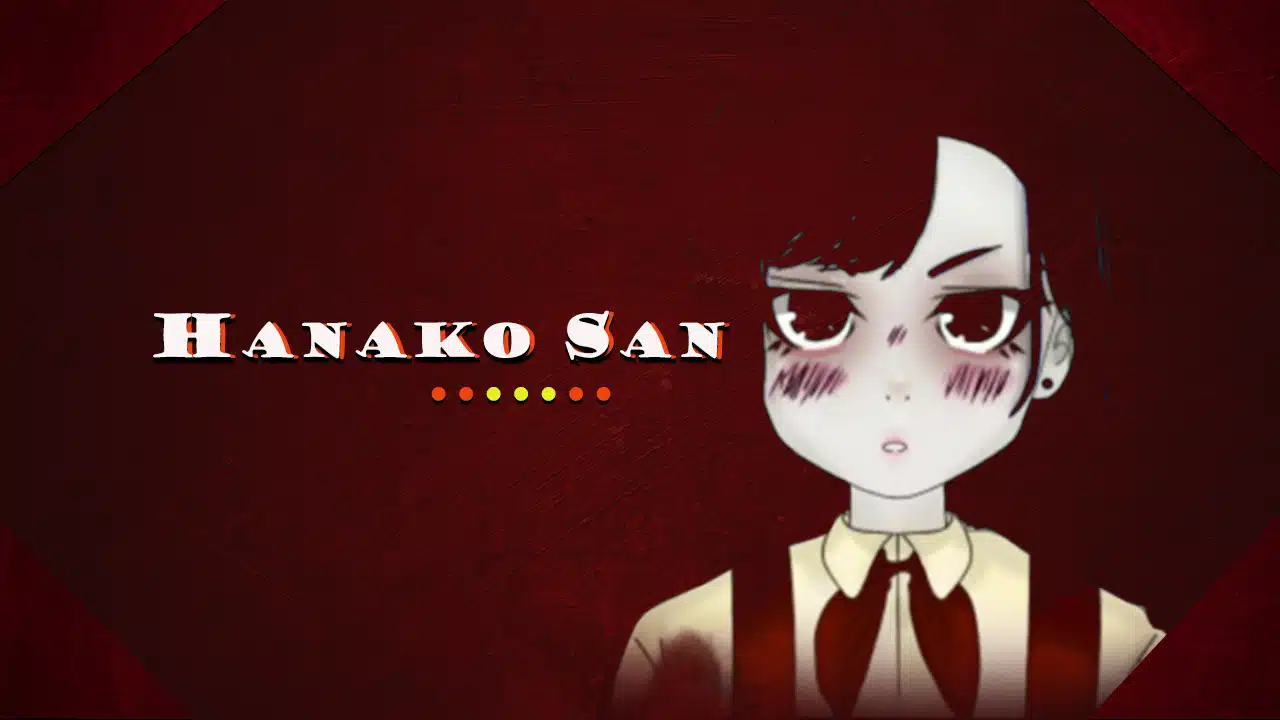
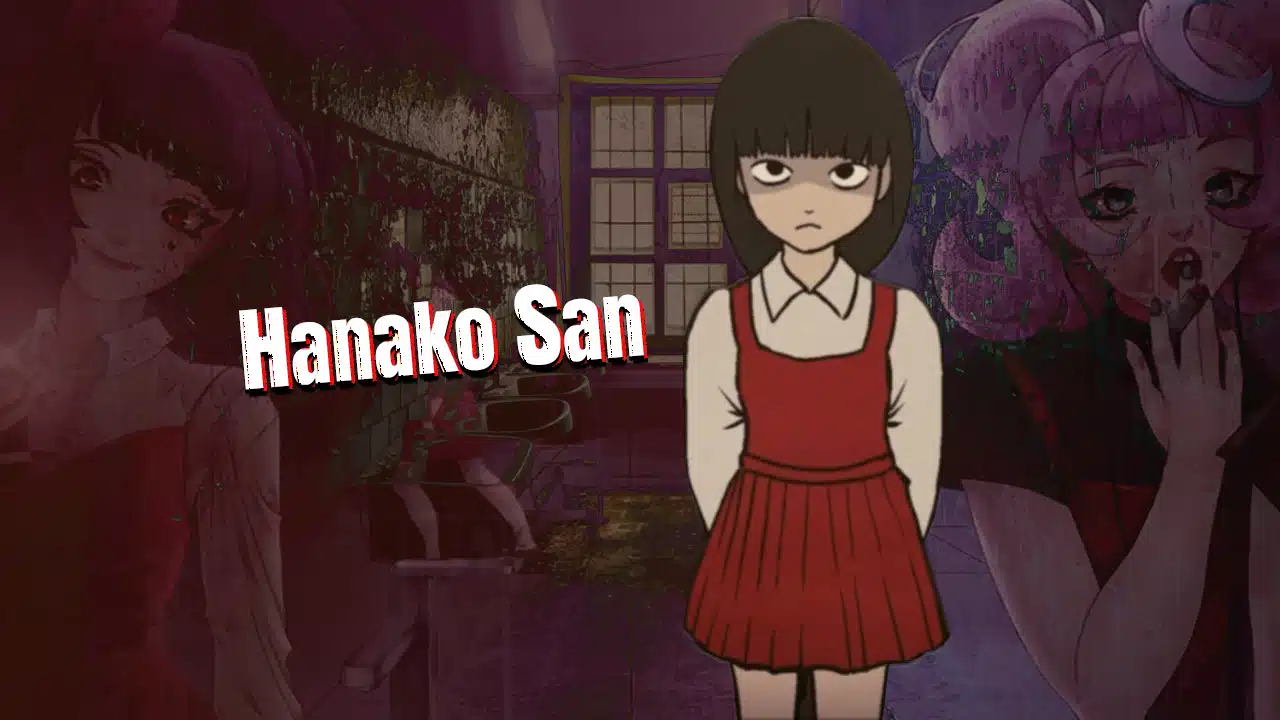
Hanako San is a young ghost with short black hair. She wears a red skirt and hides in bathroom stalls. To find her, you knock three times on the third stall door. Then you ask if she’s there. Some say she died during World War II. Others tell different stories about how she became a ghost.
This bathroom ghost appears in different ways across Japan. Each school has its own version of the tale. Some stories are scary. Others show her as a helpful spirit. Today, Hanako San shows up in movies, games, and books. She’s become one of Japan’s most famous ghosts.
Key Takeaways
- Hanako San is a ghost story from the 1950s about a girl who died in school bathrooms. She has short hair and wears red. Students knock three times on the third stall to summon her.
- Different parts of Japan tell the story their own way. Tokyo says she’s friendly. Osaka warns about bloody hands. Some places add a three-headed lizard to the tale.
- The legend became part of Japanese culture through movies like “Toire no Hanako-san” (1995) and games like “Yo-kai Watch.” In 2020, an anime called “Toilet-Bound Hanako-kun” brought her story to new fans.
Origins of the Hanako San Legend
The Hanako San story began in Japanese schools during the 1950s. Students whispered about a girl who died in the school bathroom. Each school told the story differently. Some said she died during World War II air raids. Others claimed a stranger hurt her. Many versions say bullying led to her death.
The ghost has a bob haircut and stays in school bathrooms. To call her, students knock three times on the third stall. They ask, “Are you there, Hanako-san?” The ghost might answer back. Folklorist Matthew Meyer says the story became very popular in the 1980s and 1990s.
Researcher Michael Dylan Foster found something interesting. Almost every school in Japan has its own Hanako San story. The legend has been part of Japanese culture for about 70 years. Kids still tell these stories at recess and sleepovers.
How did the Hanako San legend first emerge in Japan?
The ghost story started spreading through Japanese schools in the 1950s. Students told it during lunch breaks. They shared it after school. The tale moved from one school to another quickly. By the 1980s, kids everywhere in Japan knew about the bathroom ghost.
Students created special rules for meeting Hanako San. First, you go to the girls’ bathroom. Then you knock three times on the third stall door. You must ask, “Are you there, Hanako-san?” A voice might answer, “Yes, I am.” The door might open slowly. A girl with a bob haircut could appear.
Different schools added their own details. Some said she died in World War II. Others thought mean adults hurt her. A few stories blamed school bullies. By the 1990s, the legend was so famous that experts started studying it. Matthew Meyer and other folklorists wrote about these bathroom ghost stories.
Japanese children keep the legend alive today. They still dare each other to knock on bathroom stalls. The story spreads through manga, anime, and video games. Hanako San remains Japan’s most famous school ghost.
Regional Variations of Hanako San
[Video Credits @MerrilyHorrorAnimations]
Every part of Japan tells the Hanako San story differently. Schools add their own scary details. Some make her friendly. Others make her dangerous. The basic story stays the same, but each area has special twists.
- Most schools say you knock three times on the third stall. Some schools change the rules. You might need to visit a different floor or stall.
- Tokyo schools describe a helpful ghost. She wears a red skirt and has short black hair. Sometimes she helps lost students find their way.
- In Osaka, Hanako San has bloody hands. She tries to grab children who enter her stall. Students must run away quickly or she’ll pull them into the toilet.
- Northern Japan adds a three-headed lizard to the story. This creature guards Hanako’s bathroom. It attacks anyone who bothers the ghost girl.
- Some schools say you can escape by showing perfect test scores. Good grades make Hanako San happy. She lets smart students leave safely.
- Other places tell kids to bring milk from lunch. The ghost likes milk boxes. She won’t hurt children who bring her drinks.
- Kyoto calls her “Hanako of the Third Stall.” Each city gives her different nicknames. The names change but the ghost stays the same.
- Many schools say she died in World War II. Some say bombs killed her. Others say bad people found her hiding spot.
- Modern kids use phones to look for ghosts. They take pictures in bathrooms. But they still follow the old knocking rules.
- Some versions show Hanako San as a protector. She watches over lonely kids. She acts like a big sister to scared students.
What are the unique features of Hanako San in various localities?
Each Japanese town gives Hanako San special features. The ghost changes based on local fears and stories. Here are the different versions students tell:
- Tokyo students say she wears a red skirt with a white shirt. She has suspenders and short black hair. You must go to the third-floor bathroom to find her.
- Some towns make her ask for test papers. She wants to see perfect scores. Kids without good grades might get grabbed by the ghost.
- Northern areas say she carries a milk carton. Students bring her milk to stay safe. She always says “Yes, I am” when someone calls.
- Osaka schools warn about a different creature. Instead of Hanako San, they have a three-headed lizard. It hides in toilets and eats students who enter alone.
- Rural schools say she plays hide and seek. The third-floor bathroom is her hiding spot. If you find her, she might pull you into the toilet.
- Coastal regions give her bloody hands. She knocks three times before appearing. Kids must run when they hear her knocking.
- City versions make her friendly. She helps lost students. Some say she protects kids from bullies in the bathroom.
- The third floor is important in most stories. Ghost stories often use the number three. It makes the tale scarier for young students.
These different versions show how stories change over time. Each school makes the legend fit their own fears. Some focus on grades. Others worry about bullies. The ghost becomes what scares students most.
Symbolism and Cultural Impact of Hanako San
Hanako San represents the fears children face at school. She shows worries about bullying and feeling unsafe. The bathroom is a private place. Kids are alone there. This makes it the perfect spot for a scary story.
The ghost helps Japanese people talk about difficult topics. School can be hard for students. They face pressure to get good grades. Some kids deal with bullies. Hanako San gives them a way to discuss these fears. They can talk about a ghost instead of their real problems.
Japanese folklore has many spirits like Hanako San. There’s Aka Manto, who haunts bathrooms too. Teke Teke is another scary school ghost. These stories help kids share their worries. Adults understand that ghost stories often hide real fears.
The legend also connects to Japanese history. Many versions mention World War II. This shows how historical events become part of folklore. The war affected many families. Ghost stories help people remember and process difficult times.
How has Hanako San influenced media and popular culture?
Hanako San jumped from playgrounds to movie screens. In 1995, filmmakers made “Toire no Hanako-san.” More movies followed in 1998 and 2013. Each film told the story differently. Some were scary. Others were funny.
The ghost appears in many anime shows. “Ghost Stories” featured her in an episode. “GeGeGe no Kitaro” included her too. Video game fans know her as Toiletta in “Yo-kai Watch.” The game made her famous worldwide.
Comic books keep reinventing the legend. “Toilet-Bound Hanako-kun” started in 2014. It became so popular that it got an anime in 2020. The story changes Hanako San into a boy ghost. This shows how old legends can become new again.
A Japanese idol group even named themselves after the ghost. They mix spooky themes with pop music. Their songs tell ghost stories. Fans love the combination of scary and cute.
Movies and games spread the legend beyond Japan. Kids in other countries now know about Hanako San. She appears in horror collections and urban legend books. The bathroom ghost has become internationally famous.
Takeaways
Hanako San continues to haunt Japanese schools after 70 years. Students still knock on bathroom stalls. They still ask if she’s there. The ghost story teaches us about Japanese culture and childhood fears.
This bathroom spirit has grown beyond simple ghost stories. She appears in movies, manga, and video games. Each new version adds something fresh. Young fans discover her through anime. Older ones remember playground tales.
The legend shows how stories evolve and survive. Every school adds its own details. Every generation makes Hanako San their own. She represents fears about school, bullying, and being alone. These worries never really go away.
Modern Japanese kids keep the tradition alive. They share Hanako San stories on social media. They create new versions for their schools. The ghost in the third stall proves that good scary stories last forever. Next time you’re in a school bathroom, you might think twice before knocking.
FAQs on Hanako San
1. Who is Hanako-san in Japanese urban legends?
Hanako-san is the ghost of a young girl who haunts elementary school bathrooms in Japan. According to legend, she died during the Empire of Japan era, either by suicide or at the hands of a stranger or an abusive parent.
2. How do people summon Hanako-san?
To summon Hanako-san, students must enter the girl’s bathroom, knock three times on the third stall door, and ask “Are you there, Hanako-san?” Some versions of the story say you need to be playing hide-and-seek first.
3. What happens when Hanako-san appears?
When Hanako-san appears, people might see a bloody or ghostly hand. Some stories say she may pull an individual into the toilet. In scarier versions, the person may be eaten by a three-headed lizard.
4. Is Hanako-san always harmful?
Not always. While some origin stories paint her as vengeful like other Yokai (Japanese monsters), other tales show her as benevolent. She sometimes helps lost classmates in the restroom.
5. How old is the legend of Hanako-san?
The legend dates back to the post-war period in modern Japanese history. It became popular among elementary school students and continues to spread through anime news and fandom communities.
6. How is Hanako-san different from other ghost stories?
Unlike Western ghost stories like Bloody Mary, Hanako-san has many versions of the story across Japan. Some say she’s a friendly ghost who haunts school bathrooms, while others tell scary tales about her curse.