New Zealand is quickly becoming a hub for green technology and sustainability innovations.
As we look towards 2025, several startups are leading the charge in developing eco-friendly solutions to address global environmental challenges.
This article highlights the top 8 green technology and sustainability startups in New Zealand that are set to make a significant impact in the coming years.
Top 8 Startups on Green Technology and Sustainability in New Zealand for 2025
Here is the overview table about the top 8 green technology startups in New Zealand for 2025
| Startup Name | Focus Area | Location | Founded |
| Cetogenix | Waste-to-energy conversion | Rotorua, NZ | 2022 |
| Mushroom Material | Biodegradable packaging | Auckland, NZ | 2020 |
| Nilo | Plastic waste repurposing | Auckland, NZ | 2017 |
| Zincovery | Zinc recycling | Christchurch, NZ | 2020 |
| TasmanIon | Aluminium-ion batteries | Wellington, NZ | 2021 |
| Solarferm | Sustainable sugar production | Auckland, NZ | 2020 |
| Basis | Residential energy management | Christchurch, NZ | 2019 |
| Geo40 | Mineral recovery from underground fluids | Taupo, NZ | 2010 |
1. Cetogenix
Cetogenix is a New Zealand-based cleantech startup that specializes in sustainable waste-to-resource technology.
Founded in 2022, the company has developed innovative systems for converting organic waste into renewable energy and other valuable products.
Their patented process uses hydrothermal oxidation to break down waste efficiently, reducing organic waste volumes by 95% and eliminating contaminants like microplastics and pathogens.
| Detail |
Information |
| Key Features | Sustainable waste-to-energy conversion, 95% waste volume reduction |
| Technology Focus | Organic waste conversion to renewable energy and circular economy products |
| Headquarters | Rotorua, New Zealand |
| Key Collaborations | Scion (research partnership) |
| Founded | 2022 |
| Website | https://www.cetogenix.co.nz/ |
Key Innovations:
- Ceto-Boost™ system for breaking down organic wastes
- Hydrothermal oxidation process without additional chemicals
- Potential to replace up to 12% of fossil natural gas production globally
2. Mushroom Material
Mushroom Material is an Auckland-based startup revolutionizing the packaging industry with sustainable, fungi-based alternatives to synthetic styrofoam.
Founded in 2020, the company has developed a unique process to grow millions of fungi-based pellets, which are then coated in a binding agent to create customized packaging solutions.
Their innovative approach offers a biodegradable and eco-friendly alternative to traditional polystyrene packaging.
| Detail | Information |
| Key Features | Sustainable packaging solutions, biodegradable alternatives to polystyrene |
| Technology Focus | Mycelium-based materials for packaging |
| Headquarters | Auckland, New Zealand |
| Key Collaborations | Potential customers include Estée Lauder, Panasonic, Ikea, and Toshiba |
| Founded | 2020 |
| Website | https://www.mushroommaterial.com |
Key Innovations:
- Pelletised fungi packaging technology
- Compression molding process for shaping mycelium-based materials
- Biodegradable packaging with protective qualities of polystyrene and strength of concrete
3. Nilo
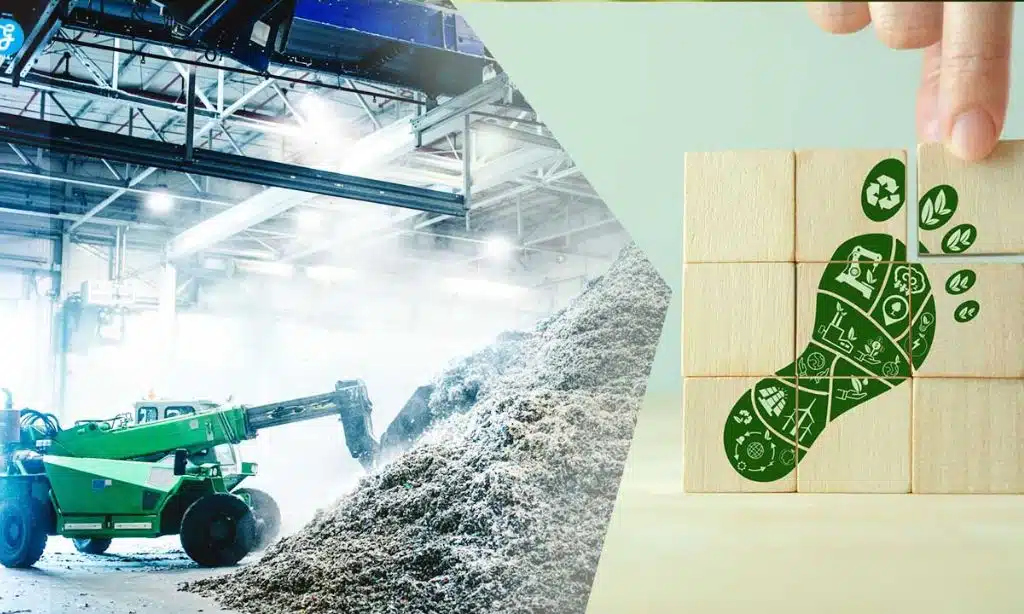
Nilo is a deep tech company based in Auckland, New Zealand, focused on transforming plastic waste into valuable resources.
Founded in 2017, Nilo has developed technology to convert various types of plastic waste, including non-recyclable plastics, into industrial adhesives.
Their innovative approach aims to create a new plastic waste economy by incentivizing the collection and repurposing of plastic waste.
| Detail | Information |
| Key Features | Plastic waste conversion to industrial adhesives, lower carbon footprint than traditional products |
| Technology Focus | Transforming plastic waste into non-toxic adhesives for wood-based products |
| Headquarters | Auckland, New Zealand |
| Key Collaborations | Inter IKEA (12.5% stake) |
| Founded | 2017 |
| Website | https://www.nilo.world |
Key Innovations:
- Low-carbon emission process for plastic waste conversion
- Technology to replace carcinogenic binders in particleboard manufacturing
- Potential to use nearly two-thirds of the global waste plastic stream as feedstock
4. Zincovery
Zincovery is a Christchurch-based startup that has developed innovative technology for recycling zinc from hazardous furnace dust.
Founded in 2020, the company’s process achieves a 95% reduction in emissions compared to traditional methods and a 45% reduction in production costs.
Zincovery’s technology offers a sustainable solution for the galvanized steel industry, addressing the environmental challenges associated with zinc recycling.
| Detail | Information |
| Key Features | 95% emission reduction in zinc recycling, 45% reduction in production costs |
| Technology Focus | Zinc recycling and decarbonization technology |
| Headquarters | Christchurch, New Zealand |
| Key Collaborations | Steel mills and cleantech investors |
| Founded | 2020 |
| Website | https://www.zincovery.com |
Key Innovations:
- Low-cost recovery method for pure zinc
- Sustainable recycling solution for the galvanized steel industry
- Prototype capable of recycling 15% of Christchurch’s galvanized steel industry acid waste
5. TasmanIon
TasmanIon is a Wellington-based startup developing innovative battery technology.
Founded in 2021, the company focuses on creating non-flammable and recyclable aluminium-ion batteries as a safer alternative to lithium-ion batteries.
TasmanIon’s technology aims to address the limitations of current battery solutions, offering potential applications in stationary storage and micromobility sectors.
| Detail | Information |
| Key Features | Non-flammable and recyclable batteries, safer alternative to lithium-ion |
| Technology Focus | Aluminium-ion battery technology |
| Headquarters | Wellington, New Zealand |
| Key Collaborations | Battery manufacturers and industry partners for commercialization |
| Founded | 2021 |
| Website | https://www.tasmanion.com |
Key Innovations:
- Development of aluminium-ion batteries for various applications
- Focus on safety and recyclability in battery technology
- Potential solutions for stationary storage and micromobility sectors
6. Solarferm
Solarferm is an innovative Auckland-based startup that has developed patented bioreactor technology to revolutionize sugar production.
Founded in 2020, the company aims to significantly reduce the cost and carbon footprint of sugar production while optimizing feedstocks for precision fermentation.
Their groundbreaking approach has the potential to transform the sugar industry and contribute to more sustainable food production practices.
| Detail | Information |
| Key Features | Low-cost and low-carbon sugar production, optimized feedstocks for precision fermentation |
| Technology Focus | Bioreactor technology for sustainable sugar production |
| Headquarters | Auckland, New Zealand |
| Key Collaborations | Food and beverage industry partners |
| Founded | 2020 |
| Website | Not available |
Key Innovations:
- Patented bioreactor technology for sugar production
- Significant reduction in carbon footprint compared to traditional methods
- Optimization of feedstocks for precision fermentation applications
7. Basis
Basis is a Christchurch-based startup that is revolutionizing residential energy management.
Founded in 2019, the company has developed a smart electrical panel that seamlessly integrates with renewable energy sources.
This innovative solution aims to help homeowners reduce their carbon footprint and optimize their energy consumption, contributing to a more sustainable future.
| Detail | Information |
| Key Features | Smart electrical panel, integration with renewable energy sources |
| Technology Focus | Residential energy management and optimization |
| Headquarters | Christchurch, New Zealand |
| Key Collaborations | Renewable energy providers and smart home technology companies |
| Founded | 2019 |
| Website | Not available |
Key Innovations:
- Smart electrical panel for efficient energy management
- Seamless integration with renewable energy sources
- User-friendly interface for homeowners to monitor and control energy usage
Takeaway
New Zealand’s green technology startup ecosystem is thriving, with top companies driving sustainable innovation.
From waste management solutions to renewable energy technologies, these startups are tackling environmental challenges and fostering economic growth.
Innovations like Cetogenix’s waste conversion, Mushroom Material’s biodegradable packaging, and TasmanIon’s safer batteries highlight New Zealand’s commitment to sustainability.
As they grow, these companies will attract investment, create jobs, and inspire future entrepreneurs.
The future looks bright for New Zealand’s green tech sector, positioning the country as a global leader in sustainability.