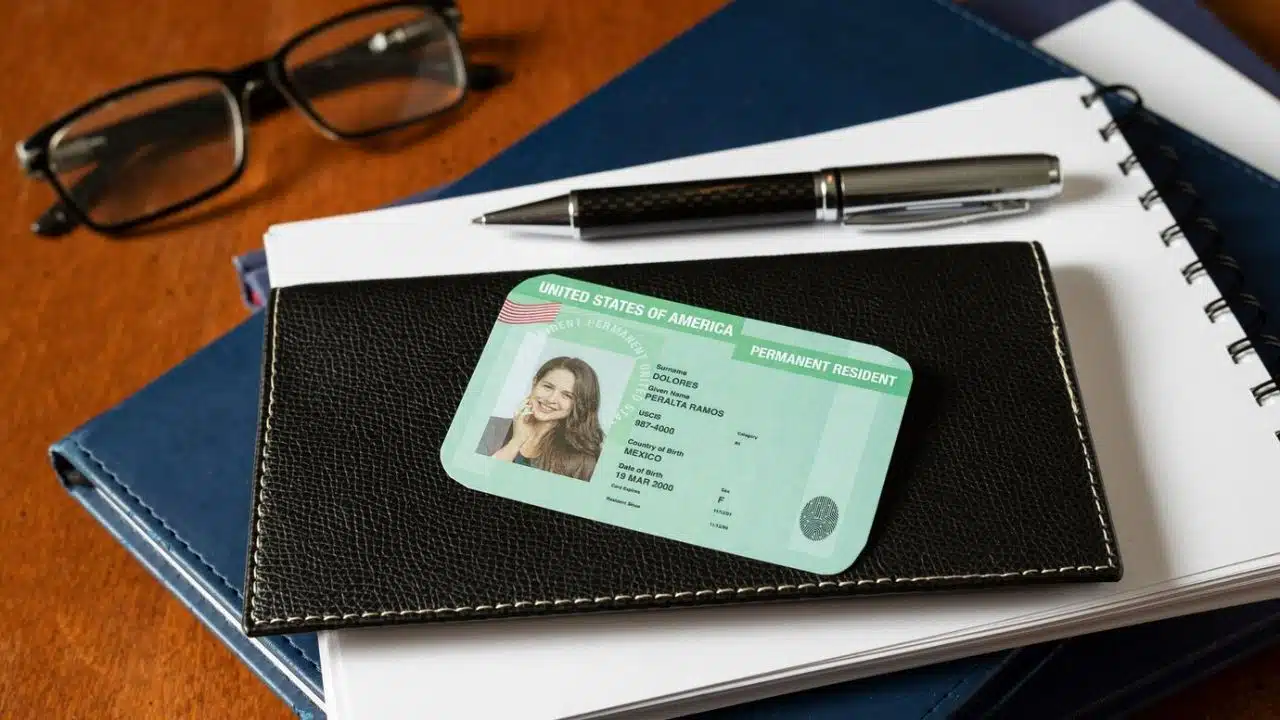
A Green Card stands as a beacon of opportunity, granting individuals the right to live and work permanently in the United States. Navigating the application process can be complex, with many questions arising. This article aims to demystify the process by answering frequently asked questions about Green Card applications providing clarity and guidance to prospective applicants.
Frequently Asked Questions about Green Card Application
1. What is a Green Card?
A Green Card signifies lawful permanent residency in the U.S., allowing holders to engage in unrestricted employment and potentially apply for citizenship after meeting specific criteria. It is a critical step for those seeking to make the United States their long-term home. If you want to learn more about this visa, check out this Green Card guide and learn everything there is to know about it.
2. What are the different types of Green Cards?
Green Cards can be categorized based on the pathway through which an individual qualifies:
- Family-Based: For immediate relatives of U.S. citizens or permanent residents.
- Employment-Based: For workers in various professional fields, investors, and special categories of jobs.
- Diversity Lottery: For individuals from countries with low immigration rates to the U.S.
- Refugee or Asylee Status: For those granted asylum or refugee status in the U.S.
- Special Immigrant: Includes several less common categories, such as certain religious workers or individuals who have provided specific services to the U.S. government.
3. How can I smoothen the Green Card application process?
Working with a specialized service or immigration attorney can significantly streamline the application process. These professionals offer expertise in navigating the complexities of immigration law, ensuring that paperwork is correctly filed and deadlines are met. They can also provide personalized advice tailored to your needs, enhancing the likelihood of a successful application.
4. Can family members be included in my Green Card application?
Yes, in many cases, when you apply for a Green Card through employment or special immigrant categories, you can also apply for Green Cards for your spouse and unmarried children under 21 as derivatives of your application. For family-based applications, the process might differ depending on whether you are an immediate relative of a U.S. citizen or fall under family preference categories. Each family member must submit their application forms, but will be included under your principal application.
5. How long does the Green Card application process take?
The Green Card application process duration varies widely depending on the category under which you apply and your country of origin. Family-based applications can take several months to years, while employment-based categories may have shorter or similarly lengthy timelines. The Diversity Lottery and special immigrant categories also vary. It’s essential to check current processing times for your specific category and be prepared for a potentially lengthy process.
6. What are the financial requirements for sponsoring a Green Card applicant?
Sponsors of Green Card applicants, particularly in family-based categories, must demonstrate the ability to support the immigrant financially. This is done by filing Form I-864, Affidavit of Support, which requires the sponsor to show income at least 125% above the Federal Poverty Guidelines for their household size. This requirement ensures that the immigrant will not become a public charge and rely on the sponsor’s financial resources if necessary.
7. How do I check the status of my Green Card application?
Check online the status of your application through the USCIS website using your receipt number, which is found on notices received from USCIS. This tool provides up-to-date information on the progress of your application, including any actions you need to take or upcoming steps in the process.
8. Can I work while my Green Card application is pending?
Yes, applicants can work in the U.S. while their Green Card application is pending. Nevertheless, you must get an Employment Authorization Document (EAD) by filing Form I-765, Application for Employment Authorization. This document grants temporary permission to work in the U.S. and is typically valid for one year, with the possibility of renewal until the Green Card application is processed.
9. What happens if my Green Card application is denied?
A denial can be disheartening, but options may be available depending on the reason for the denial. Sometimes, you can file a motion to reopen or reconsider the decision if new information or evidence has come to light. Alternatively, reapplying may be an option. Consulting with an immigration attorney can guide the best course of action.
10. How can I ensure my Green Card application is successful?
Ensuring success involves several key strategies:
- Thoroughly understand the eligibility requirements for your chosen category.
- Complete all forms accurately and provide comprehensive supporting documentation.
- Meet all deadlines and respond punctually to any requests from USCIS.
- Consider professional assistance to navigate complex aspects of the application.
The Bottom Line
Applying for a Green Card is a noteworthy step toward building a life in the United States, filled with opportunities and responsibilities. While the process can seem daunting, armed with the correct information and resources, prospective applicants can navigate it more confidently. Individuals can enhance their chances of success by understanding the types of Green Cards, leveraging specialized services for assistance, and preparing thoroughly for each step of the process. Remember, each application is unique, and patience and persistence are crucial to achieving the goal of U.S. permanent residency.