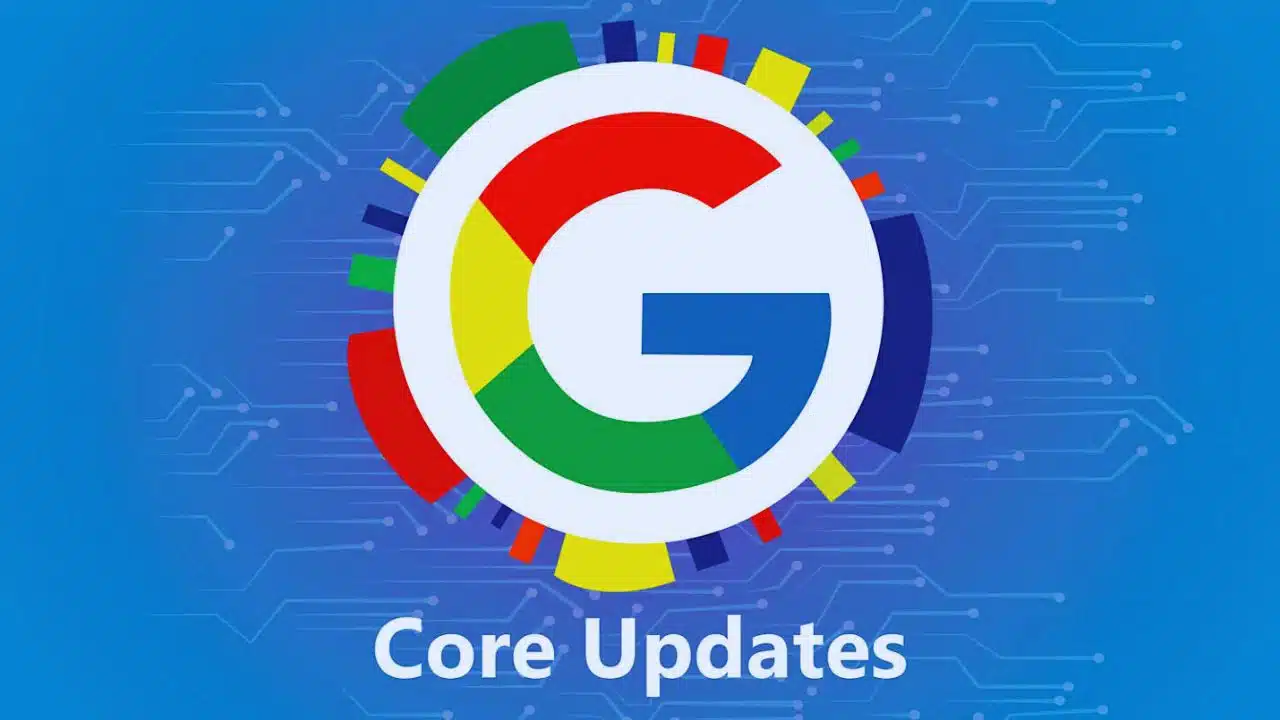
Google has finished rolling out its December core update after about 18 days, closing a multi-week period of search ranking shifts and prompting site owners to review traffic changes using Search Console and Google’s core update guidance.
What Google confirmed
Google’s Search Status Dashboard lists a “December 2025 core update” under Ranking incidents starting on Dec. 11, 2025.
The dashboard’s incident history also shows the rollout lasting about 18 days and 2 hours, indicating the update has completed.
Google describes core updates as significant, broad changes to its search algorithms and systems that happen several times a year, with notices posted to its ranking updates list.
What a core update is (and isn’t)
Google says core updates are built to improve Search overall by delivering helpful and reliable results, and the changes are broad rather than aimed at specific sites or individual pages.
Google also notes that pages that decline after a core update are not necessarily “bad,” and the update does not inherently mean a site violated policies or received a targeted action.
Core updates can also affect Google Discover, according to Google’s guidance for site owners.
Why rankings move during rollout
Google compares a core update to revisiting a “top restaurants” list: new options appear, preferences change, and some items move up or down even if they are still good.
In practical terms, Google frames core updates as a reassessment of content quality and usefulness across the web, which can produce noticeable drops or gains for some sites.
Timeline and what to monitor
Google advises site owners to first confirm a core update has finished rolling out using the Search Status Dashboard, and then note the start and end dates for analysis.
Google also recommends waiting at least a full week after the rollout completes before digging into Search Console comparisons.
For analysis, Google recommends comparing the week after completion to a week before the update started, reviewing top pages and queries, and separating performance by search type (Web, Images, Video, News tab).
December core update at a glance
| Item | What Google shows |
| Update name | December 2025 core update |
| Start date shown on dashboard | Dec. 11, 2025 |
| Rollout duration shown in dashboard history | About 18 days, 2 hours |
| What it is | Significant, broad changes to Google Search ranking systems (“core updates”) |
What Google recommends if traffic drops
Google’s documentation says a small ranking drop (for example, moving from position 2 to 4) is not a reason for drastic changes, and it specifically cautions against making unnecessary edits to content that is still performing well.
For a large drop (for example, moving from position 4 to 29), Google recommends a deeper, site-wide assessment focused on whether the overall site is delivering helpful, reliable, people-first content.
Google also advises avoiding “quick fix” changes and instead making improvements that are meaningful for users and sustainable over time.
Practical checklist aligned to Google’s guidance
| Step | What to do | Why it matters (per Google) |
| 1) Confirm rollout is over | Check the Search Status Dashboard and note start/end timing. | Google recommends confirming completion before diagnosing changes. |
| 2) Wait before judging | Hold analysis for at least one week after completion. | Google says this helps reduce noise and improves comparisons. |
| 3) Compare date ranges | Compare a week after completion vs. a week before rollout started. | Google says this can help pinpoint what changed. |
| 4) Review top pages/queries | Identify the pages and queries with the biggest shifts. | Google recommends focusing on what was most impacted. |
| 5) Break out by surface | Analyze Web vs Images vs Video vs News separately. | Google says shifts may differ by search type. |
| 6) Improve meaningfully | Rewrite/restructure for clarity; delete only as a last resort. | Google cautions against quick fixes and says deletion is a last resort. |
How long recovery can take
Google says improvements may take time to show results—some changes may be reflected in a few days, but it can take several months for Google’s systems to learn and confirm that a site is producing helpful, reliable, people-first content over the long term.
Google also says that, even if a major core update has finished, sites don’t always have to wait for the next major core update because Google continually makes smaller core updates that can help reflect improvements.
Google’s Search Central documentation changelog notes it added clearer information about “smaller core updates” to explain how improvements might be rewarded without waiting for the next major announcement.
Why this update matters for creators and publishers
Google’s public messaging over recent years has emphasized rewarding content that people find useful and reducing the visibility of content that appears primarily designed to attract clicks.
In March 2024, Google explicitly said a core update was designed to improve quality by showing less content “made to attract clicks” and more content people find useful, alongside new spam policy work.
Google has also said it aims to connect people with a range of high-quality sites—including small or independent sites—when relevant, and that updates can better capture improvements that creators have made.
Final thoughts
With the December core update now complete after roughly 18 days, ranking changes that appeared during the rollout should begin settling, making this the right window to start structured, date-based diagnostics in Search Console.
Google’s core-update guidance points site owners toward patient, evidence-based analysis (waiting at least a week, comparing the right periods, and segmenting by search type) rather than sudden site-wide edits.
For publishers that saw declines, Google’s stated path forward is long-term: improve usefulness and reliability, avoid quick fixes, and give its systems time—while recognizing that ongoing smaller core updates may also reflect progress.