Germany’s federal budget committee has approved the country’s financial plan for 2026, marking one of the most significant expansions of public borrowing in modern German history. The decision highlights the evolving financial pressures facing Europe’s largest economy—ranging from soaring welfare obligations and demographic shifts to renewed military commitments and the urgent need to overhaul deteriorating infrastructure. It also underscores the political struggle of balancing fiscal responsibility with strategic investments during a prolonged period of uncertainty.
The core federal budget for 2026 amounts to more than €524 billion. This includes nearly €98 billion in new borrowing within the main budget itself—already €8 billion more than lawmakers from the governing coalition anticipated only a few weeks ago. But the headline figure rises sharply when Germany’s two massive special funds are included. Combined, these push total new borrowing for 2026 to around €180 billion, marking the second-highest borrowing level in Germany’s post-war history, surpassed only by the emergency financing during the COVID-19 pandemic.
The government argues that these unprecedented borrowing levels are unavoidable. Germany, officials say, is simultaneously managing the long-term aftermath of the pandemic, responding to Russia’s war against Ukraine, expanding military capabilities after decades of underinvestment, and repairing a national infrastructure that experts warn has reached a critical stage. Finance Minister Lars Klingbeil emphasized that the country cannot afford to delay major spending any longer because each year of hesitation raises future economic, security, and social costs.
The 2026 budget reflects this philosophy. It earmarks nearly €198 billion for social benefits, far more than any other category. This is driven largely by Germany’s aging population and the structural strain on its pension system. Pension expenditures alone consume an increasingly dominant share of federal spending, and demographic trends—lower birth rates, rising life expectancy, and a shrinking workforce—are pushing the system to its limits. Officials argue that without sustained federal support, the pension fund would face funding gaps that could undermine economic stability and public confidence.
Defense spending has also surged. Almost €83 billion is allocated to strengthen the Bundeswehr, marking a major shift in Germany’s approach to national security. For decades, Germany maintained a relatively limited defense posture, relying heavily on NATO partners. However, Russia’s invasion of Ukraine has fundamentally changed Berlin’s threat assessment. The new funding will go toward modernizing equipment, expanding military readiness, replenishing ammunition reserves, and upgrading digital command systems. Government officials repeatedly stress that Germany must become a country capable of defending itself and contributing meaningfully to European security—not only symbolically but operationally.
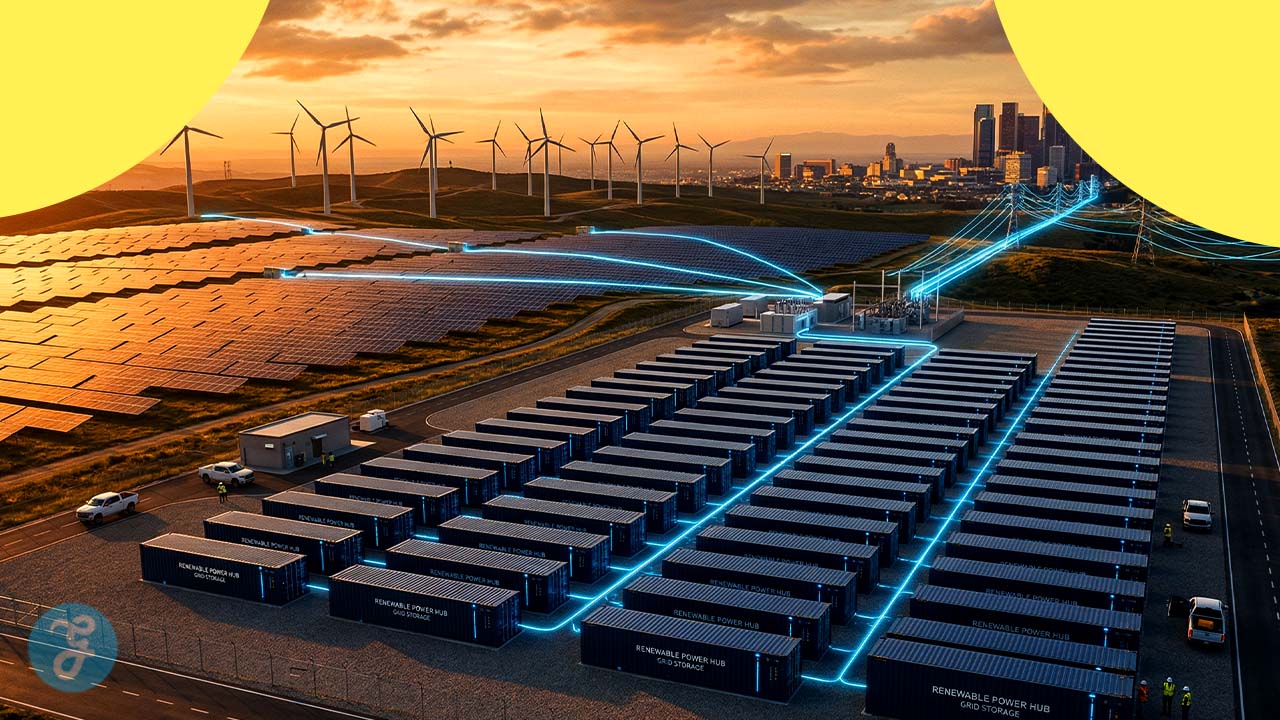
Beyond the regular budget, two special funds—each valued at €500 billion and jointly agreed upon earlier this year by the governing coalition and key opposition parties—represent a structural shift in how Germany approaches long-term investment. The first fund is dedicated to defense modernization, while the second focuses on infrastructure, transportation routes, renewable energy, and climate protection. These special funds are exempt from the constitutional “debt brake,” which would otherwise restrict Germany’s ability to borrow. The government plans to begin drawing from these funds for the first time in 2026, meaning the effects will be felt immediately in public spending and national debt.
SPD budget expert Thorsten Rudolf framed the massive spending as a necessary correction after years of shocks. According to Rudolf, Germany is still navigating what he called the “sixth year of crisis” following the pandemic. He argued that expecting rapid economic or social stabilization after such prolonged turbulence was unrealistic. Instead, the government sees heavy investment as the most effective path toward restoring growth, modernizing key sectors, and rebuilding public trust.
Yet the budget approval has not come without criticism. Opposition parties accuse the government of masking structural fiscal weaknesses by shifting expenses into special funds rather than implementing real reforms. The Greens—despite being part of the federal government—have criticized the way the special funds are being used, arguing that money originally intended for future-oriented climate and infrastructure investments is instead being redirected to patch immediate budget holes. Their budget expert, Sebastian Schäfer, described the plan as “yet another chapter in the long story of shifting expenditures around without addressing the core issues.”
The Left Party echoes these concerns from a different ideological angle, warning that the long-term rearmament of the Bundeswehr cannot be financed through debt indefinitely. They argue that Germany risks locking itself into a cycle of military spending that could squeeze social priorities in the future.
The far-right Alternative for Germany (AfD) has taken the most aggressive stance, accusing the government of irresponsible fiscal behavior. AfD budget spokesman Michael Espendiller described the borrowing plan as “gigantic debt” and claimed that nearly one-third of all government spending would now be financed through loans. The AfD proposes drastic cuts, including eliminating support for Ukraine and reducing Germany’s climate protection spending—positions other parties have rejected as economically short-sighted and geopolitically dangerous.
Complicating the picture further is a new government plan to reduce industrial electricity prices to help struggling manufacturers remain competitive. Early estimates suggest this could cost taxpayers an additional €5 billion, adding yet another unresolved financing question to the already complex budget landscape.
Despite these controversies, government representatives expressed relief that they had finally reached a budget agreement after months of negotiations. Yet even as they celebrate, Germany’s Council of Economic Experts—often referred to as the country’s “economic sages”—issued a stern warning. According to the panel, Germany is still not investing enough to drive long-term growth. Without stronger and more targeted investments in innovation, digitalization, education, energy infrastructure, and productivity, Germany risks falling behind global competitors and remaining stuck in a low-growth cycle.
The final decision now rests with the Bundestag, which must formally vote to approve the 2026 budget. While the coalition holds enough votes to pass it, the debate is expected to be intense. Germany stands at a turning point: embrace historic borrowing to modernize the country—or confront the risks of rising debt amid a sluggish economy. The outcome will shape not only the 2026 fiscal year but the broader trajectory of the German economy for the rest of the decade.
Germany’s 2026 budget signals the most dramatic pivot in its fiscal and economic strategy since reunification. The shift reflects a growing recognition among policymakers that the old model—strict debt control, limited defense spending, and incremental infrastructure upgrades—is no longer adequate in a world defined by geopolitical instability, climate urgency, and structural demographic shifts.
At the heart of the budget is the reality that Germany can no longer postpone major investments. Its infrastructure is aging: rail lines, highways, bridges, and public digital systems are all in need of modernization. The government believes that sustained investment in transportation and clean energy is crucial to maintaining industrial competitiveness, preventing further economic slowdown, and preparing the country for a low-carbon economy. This includes upgrading rail networks, modernizing logistics routes, expanding renewable energy capacity, and strengthening climate resilience.
In the defense sector, the Bundeswehr’s modernization has become a strategic imperative. Germany’s previous defense posture was based on assumptions of long-term peace and low external threats. The war in Ukraine shattered that assumption. Defense analysts have long warned that even basic military readiness—such as sufficient ammunition stocks, operational aircraft, or deployable armored units—was inadequate. The new special fund attempts to close decades-long capability gaps.
The welfare and pension systems remain the largest and most politically sensitive expenditure. Germany’s rapidly aging population means that fewer workers are supporting more retirees. Pension funds are under mounting pressure, and without federal support, the system would face deficits. This demographic reality creates a long-term fiscal commitment that no German government can avoid.
Still, Germany’s debt expansion raises critical questions. Critics argue that relying on borrowed money without complementary reforms—such as modernizing public administration, accelerating permitting processes, attracting skilled immigrants, or incentivizing innovation—will not generate the growth needed to justify the borrowing. Others worry that once exceptions to the debt brake become normalized, it will be politically difficult to return to pre-crisis fiscal discipline.
For the economy, the stakes are high. Germany has recently struggled with sluggish growth, industrial contraction, weak consumer confidence, and structural competitiveness challenges. The government hopes that large-scale public investment will serve as a catalyst for private investment, strengthening supply chains, boosting labor productivity, and stabilizing long-term growth.
The political tensions around the budget reflect broader shifts within German society: debates over national security, climate responsibility, demographic change, and the future of the welfare state are becoming more intense. The choices made in this budget—and how effectively they are executed—will influence Germany’s economic stability, military posture, and infrastructure resilience for years to come.
Germany’s 2026 budget is therefore not just a financial plan. It is a strategic statement: a recognition that the country must reinvent aspects of its economic model to meet new realities. Whether this transformation succeeds will depend on political will, administrative execution, and the economy’s ability to respond to unprecedented levels of public investment.