Video games have a problem. For decades, they have shown Indigenous peoples in wrong ways. Many games use old, harmful ideas about Native Americans. They show them as wild fighters or simple helpers.
This hurts how people see Indigenous cultures today.
Never Alone broke new ground in 2014. This game was made with real Iñupiak people from Alaska. It tells their stories the right way. The game won awards and got millions of downloads.
It showed that authentic Indigenous representation in video games can work well.
This article will show you seven games that get it right. These video games work with Indigenous peoples to tell true stories. You will learn about games made by Indigenous game developers like Elizabeth LaPensée.
Each game respects Indigenous wisdom and culture. These games prove that authentic stories make better entertainment.
Ready to discover games that honor Indigenous heritage?
Key Takeaways
- Never Alone broke new ground in 2014 as the first commercial game made by Alaska Native people, reaching millions of downloads.
- Elizabeth LaPensée, an Anishinaabe and Métis designer, creates games like Thunderbird Strike that showcase authentic Indigenous perspectives and environmental protection.
- Games like Coyote & Crow and Ehdrigohr prioritize Indigenous values like community building and cooperation over traditional Western combat-focused mechanics.
- When Rivers Were Trails flips The Oregon Trail’s perspective, showing westward expansion through Indigenous eyes rather than settler viewpoints.
- These authentic Indigenous games prove that working with Indigenous peoples creates better, more meaningful gaming experiences for all players.
What is Never Alone (Kisima Inŋitchuŋa) and why is it important?

Never Alone stands as a groundbreaking puzzle-platform game that changes how we see indigenous representation in video games. The Cook Inlet Tribal Council produced this remarkable title, making it the first commercial game created by Alaska Native people.
Players control an Iñupiaq girl named Nuna and her arctic fox companion as they journey through a world filled with traditional stories. The game draws from authentic Iñupiaq tales, bringing ancient wisdom to modern screens.
Cultural insights appear throughout the adventure through documentary videos that teach players about real indigenous peoples and their traditions.
This game matters because it has reached millions of downloads while winning multiple awards for its authentic storytelling. Universities now use Never Alone in their courses, and global public school curricula include it as an educational tool.
Museums display the game as a cultural artifact, showing how indigenous game developers can preserve their heritage through interactive media. The title proves that educational games can entertain while teaching indigenous wisdom to new generations.
Thomas Deer and other native american historians praise how the game respects traditional knowledge while making it accessible to modern audiences.
How does Thunderbird Strike represent Indigenous culture?
Elizabeth LaPensée created Thunderbird Strike to showcase authentic indigenous representation through interactive media. This Anishinaabe and Métis designer crafted a game that puts players in the role of protectors defending Turtle Island from oil industry threats.
The game breaks away from typical video games by centering Indigenous perspectives rather than Western viewpoints. Players control a thunderbird, a sacred creature in many Indigenous cultures, as they fight against pipeline construction and environmental destruction.
LaPensée serves as Narrative Director at Twin Suns video game studio, bringing her cultural knowledge directly into game development. The game mechanics themselves reflect Indigenous values of environmental protection and community defense.
Thunderbird Strike emphasizes Indigenous-led narratives in ways that educational games rarely achieve. The gameplay connects players to traditional stories about thunderbirds while addressing modern environmental challenges facing Indigenous peoples.
LaPensée’s portfolio focuses specifically on Indigenous perspectives and issues, making this game part of a larger movement toward authentic cultural representation. The game teaches players about the spiritual connection between Indigenous communities and the land.
Oil companies appear as the clear antagonists, reflecting real-world conflicts over pipeline construction on Indigenous territories. This approach gives players cultural insights into how Indigenous communities view environmental protection as both a practical and spiritual responsibility.
What makes Coyote & Crow unique in Indigenous storytelling?
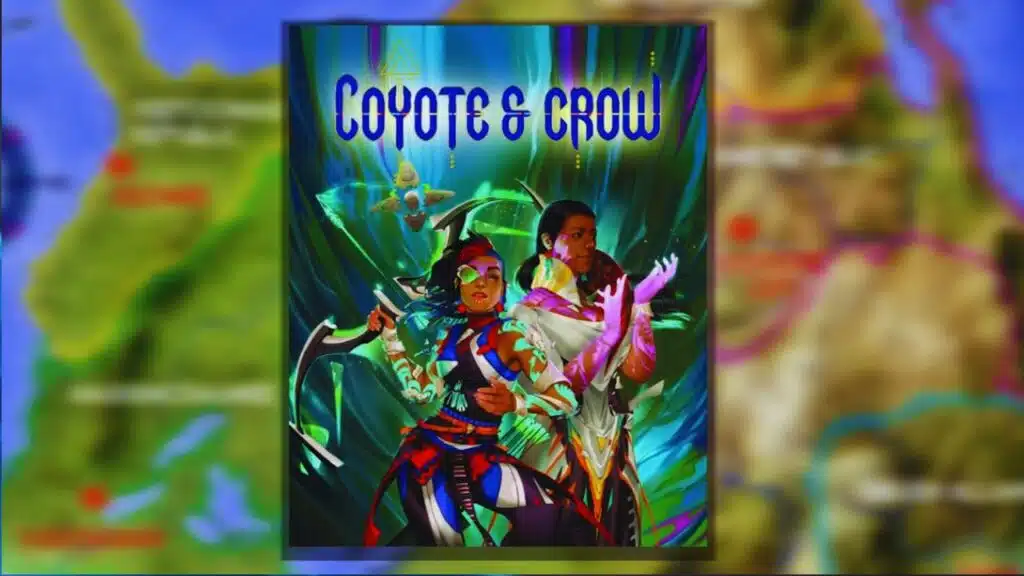
Coyote & Crow represents a new wave of Indigenous-designed games prioritizing authentic storytelling. This tabletop role-playing game creates a world where colonization never happened.
Players explore a thriving Indigenous civilization in an alternate North America. The game avoids traditional Western game goals, focusing instead on Indigenous values like community building and spiritual growth.
Indigenous game developers crafted every aspect of this experience. They drew from real tribal traditions and oral histories. The storytelling emphasizes cooperation over conquest.
Indigenous peoples created this game from the ground up. The developers rejected combat-focused mechanics that dominate most video games. Instead, players solve problems through wisdom and collaboration.
Cultural insights drive the narrative forward. The game teaches players about Indigenous wisdom through interactive storytelling. Characters face challenges that reflect real Indigenous experiences.
This approach breaks away from stereotypical portrayals found in mainstream gaming. The creators built a system that honors Indigenous perspectives on leadership, spirituality, and community responsibility.
How does Ehdrigohr incorporate Indigenous perspectives?
Ehdrigohr stands apart from typical video games by weaving Indigenous worldviews directly into its core mechanics and storytelling. This tabletop role-playing game moves away from stereotypes that plague many mainstream titles.
The creators built the game around authentic Indigenous perspectives rather than adding them as an afterthought. Players experience stories rooted in real Indigenous wisdom and cultural practices.
The game reflects Indigenous perspectives not often seen in mainstream media, giving players access to rich traditions and ways of thinking.
Consultation with Indigenous communities and experts forms the backbone of Ehdrigohr’s development process. The creators worked closely with cultural advisors to maintain accuracy and respect throughout the game.
This approach emphasizes depth and complexity in Indigenous characters, moving far beyond surface-level representation. Ehdrigohr is part of a broader movement of games that incorporate Indigenous worldviews and storytelling.
The game joins titles like Never Alone and Thunderbird Strike in creating authentic experiences that honor Indigenous peoples and their rich cultural heritage.
Why is When Rivers Were Trails significant for Indigenous representation?
Elizabeth LaPensée created “When Rivers Were Trails” as a powerful response to the famous “you have died of dysentery” message from The Oregon Trail. This educational game flips the script on westward expansion stories.
Players experience colonization from Indigenous perspectives instead of settler viewpoints. The game follows Indigenous peoples during one of history’s most challenging periods. LaPensée, a Métis game developer, crafted authentic narratives that honor Indigenous wisdom.
Her work stands apart from mainstream video games that often ignore native voices. The game presents real historical events through Indigenous eyes. Players face the same struggles that Indigenous communities endured during westward expansion.
This narrative-driven experience serves as an educational tool in classrooms across Turtle Island. Native American historians praise the game for its authentic portrayal of Indigenous stories.
The game explores themes that mainstream educational games rarely touch. Players learn about forced displacement, cultural survival, and Indigenous resistance. LaPensée worked with Indigenous communities to create accurate cultural insights.
The game challenges players to think differently about American history. Teachers use it to show students the other side of westward expansion. The game proves that Indigenous game developers can create powerful educational content.
It demonstrates how video games can preserve and share Indigenous heritage with new generations.
What story does Inua: A Story in Ice and Time tell about Indigenous heritage?
Inua: A Story in Ice and Time intertwines three different time periods to tell a powerful story about Indigenous heritage. The game follows characters across centuries, illustrating how Indigenous peoples have lived, survived, and thrived in the Arctic.
Players experience life through the eyes of a journalist in the 1950s, an Inuit hunter in the early 1900s, and a shaman from ancient times. Each character’s story connects to the others, creating a rich tapestry of Indigenous wisdom and cultural insights.
This interactive storytelling approach educates players about the depth of Indigenous cultures in ways traditional media cannot match. The game contributes to broader cultural awareness and understanding through its immersive narrative.
Inua is part of a growing collection of games moving away from one-dimensional portrayals of Indigenous peoples. The developers created each storyline with care, showing respect for the traditions and experiences they represent.
Players learn how Indigenous communities have maintained their connections to the land, their ancestors, and their spiritual beliefs across generations.
How does Potlatch: A Card Game About Economics teach Indigenous economics?
Potlatch: A Card Game About Economics teaches players about Indigenous economic systems through hands-on gameplay. This educational game shows how gift economies work in Native communities.
Players learn that Indigenous peoples value sharing resources over collecting wealth. The card game highlights the differences between Indigenous and Western economic principles. Gift-giving creates strong community bonds, while Western systems focus on individual profit.
Educational settings use this game to teach Indigenous approaches to economics. Students discover how community-based resource distribution works in practice. The game shows that Indigenous wisdom values relationships over money.
Players see how sharing creates abundance for everyone. Indigenous game developers created this tool to share their economic knowledge with others. The game proves that Indigenous economic systems build stronger communities than Western models.
Takeaways
These games prove that authentic indigenous representation can transform how we see Native cultures. Elizabeth LaPensée and other indigenous game developers are changing the industry one title at a time.
Players now have access to stories that honor traditional wisdom while engaging modern audiences. Gaming companies are starting to realize that working with indigenous peoples creates better, more meaningful experiences.
The future looks bright for indigenous voices in video games, and that benefits everyone who loves great storytelling.
FAQs
1. What makes Thunderbird Strike special for indigenous representation?
Elizabeth Lapensée created Thunderbird Strike to show real indigenous wisdom and cultural insights. The game lets players protect Turtle Island from oil pipelines. It’s not just entertainment, it’s education wrapped in engaging gameplay.
2. How does Never Alone showcase indigenous peoples authentically?
Never Alone was made with the Cook Inlet Tribal Council to tell real stories. The game shares indigenous wisdom through beautiful visuals and storytelling. Players learn about survival while experiencing authentic cultural traditions.
3. Which Assassin’s Creed character offers the best indigenous representation?
Ratonhnhaké:ton, also called Connor, stands out in the series. He’s a Mohawk warrior during the American Revolution. The developers worked with the Kahnawà:ke Mohawk community to get his story right.
4. What role do indigenous game developers play in creating authentic games?
Indigenous game developers like Elizabeth Lapensée bring real cultural knowledge to video games. They work with native American historians and tribal councils. This partnership creates games that respect and celebrate indigenous peoples properly.
5. How does When Rivers Were Trails differ from The Oregon Trail?
When Rivers Were Trails tells the story from an indigenous perspective during westward expansion. Unlike The Oregon Trail, it shows how expansion affected native communities. The game was created with input from tribal historians and cultural centers.
6. Are there educational games that teach about indigenous cultures?
Yes, several educational games focus on indigenous representation and wisdom. Never Alone teaches about survival traditions, while Thunderbird Strike explores environmental protection. These games help players learn real cultural insights through interactive storytelling.