Many gamers face choppy live streams and lag. They crave smooth cloud gaming sessions on Twitch and YouTube. They also want sharp visuals in VR and AR worlds. Poor feeds kill user engagement.
As of September 1, 2025, there are 22 top gaming startups racing to fix stream woes. This blog reviews seven that use artificial intelligence, edge computing, and machine learning to cut lag, boost video quality, and speed up loads.
Keep reading.
Key Takeaways
- As of Sept. 1, 2025, 22 top gaming startups race to fix choppy live streams. This post spotlights seven that use AI, edge computing, and machine learning to cut lag, boost video quality, and speed up loads.
- Compira Labs (founded 2018 in Tel Aviv) embeds AI into its CDN. It shapes packets over Fiber, DSL, 4G/5G, Wi-Fi, and Satellite. Gamers in the US, LATAM, APAC, EU, and ME see lower lag and smoother frames.
- Rize Esports (launched 2022 in Riyadh) and HeadQuarters (opened 2021 in Berkeley) run cloud servers for skill-based tournaments on six continents. They use AI for leaderboards, real-time stats, clip ranking, and strong data privacy.
- Streamster (2019, Tallinn) and Kosmi (2020, Reykjavik) offer free streaming on PC, Mac, or web browsers. They multistream to Twitch, YouTube, and Facebook. They mix VR, AR, and web3 tokens with no installs required.
- Beemi (Los Angeles) and SnipBack (2018, Chicago) add live AR overlays, chat-mood AI, and AI highlights. Beta tests with 10,000 users show 30% longer sessions and a 50% drop in bounce rates.
How does Compira Labs use AI for better game streaming?

Compira Labs started in 2018 in Tel Aviv, Israel. Its artificial intelligence adapts to Fiber, DSL, 4G, 5G, WiFi and Satellite links, shaping each gaming packet. The AI tunes quality on the fly, cutting lag and glitches.
Players across the US, LATAM, APAC, EU and ME stream with lower delay.
This AI lives inside a content delivery network (CDN), scanning traffic like a smart traffic officer. It spots shifts in network speed, then reroutes data to keep frames steady. Gamers run virtual reality and augmented reality titles, cloud gaming and web3 gaming smoothly.
Sessions feel fast, crisp and free of pixel freeze.
What makes Rize Esports a top global competitive gaming platform?
Rize Esports launched in 2022 in Riyadh, Saudi Arabia. Gamers join popular video games, pairing rivals fast, thanks to an AI system. Skill-based tournaments run on secure cloud gaming servers, open to novices and veterans alike.
Real-time stats power leaderboards, while analytics tools parse match data. Policies guard digital privacy, letting players focus on play, not on data leaks. Fans stream action on online video platforms, bridging gaming communities worldwide.
Organizers tap robust infrastructure to host events for global participants, covering six continents in the first year. Brackets light up web3 gaming forums, as competitors earn badges and climb ranks.
Amateur squads face off, pro teams test bold strategies, and regional clubs gain a worldwide spotlight. Rize Esports keeps entry simple with a browser interface, no extra installs needed.
Staff manage schedules, stream links, and rulebooks in real time. Community hubs let members chat, share tips, and cheer one another on.
Why choose Streamster for live streaming gamers?
Streamster OU started in Tallinn, Estonia in 2019. The group built free streaming software for gamers. It runs on PC and Mac, with a simple menu. Gamers stream video games, voice chat, and webcam in a split screen.
Cloud gaming tech cuts lag and keeps streams smooth. Cloud-based multistreaming sends your feed to Twitch, YouTube videos, or Facebook Gaming, in a click. Multi-device support lets you stream from PC, phone, or capture card at once.
It shook up the gaming industry by slashing tech hurdles. Many gaming startups copy its model, yet none match its ease.
Kosmi launched in Reykjavik, Iceland in 2020. It builds virtual rooms users enter on a website. People pick customizable avatars, then stream video games. The platform uses cloud gaming and virtual reality (vr) features.
It hosts youtube-videos and online video games side by side, like a movie night.
Coders wrote the site in jsp and html5. They tap session cookies, google analytics and google universal analytics to measure visits. Smart scripts work with generative ai bots for chat and voice, with help from elevenlabs.
Investors like Mozilla chipped in $75,000 through a crowdfunding platform. This model mirrors other gaming startups in Y Combinator. Fans link accounts with a google account or use blockchain technologies for secure tokens in web3 gaming.
What innovative tools does Beemi offer to enhance live gaming?
Beemi packs live broadcasts with real time overlays. It taps artificial intelligence (ai) to track chat mood and cue mini games. Streamers can trigger augmented reality (ar) effects and mixed reality moments on demand, turning a flat screen into an interactive carnival.
Viewers toss votes, emojis, and virtual gifts in one clickable space. That cuts bounce rate in half, based on a beta trial with 10,000 internet users. Early tests in Los Angeles showed a 30 percent uptick in session length for cloud gaming streams.
Chat commands unlock surprise giveaways or let fans reshape game maps on the fly, like a Rec Room style workshop. Streamers link a wallet for web3 gaming rewards, and targeted ads pop up like friendly guides in the metaverse without breaking flow.
Viewers earn badges as they hit milestones, while data flows back for tighter revenue models and smarter competitive strategies. No one logs off bored, thanks to seamless integration with virtual reality chat rooms and audience polls.
Beemi sits in Los Angeles but feels global, offering tools you rarely find in standard streaming ecosystems.
How does SnipBack improve video capture and sharing for streamers?
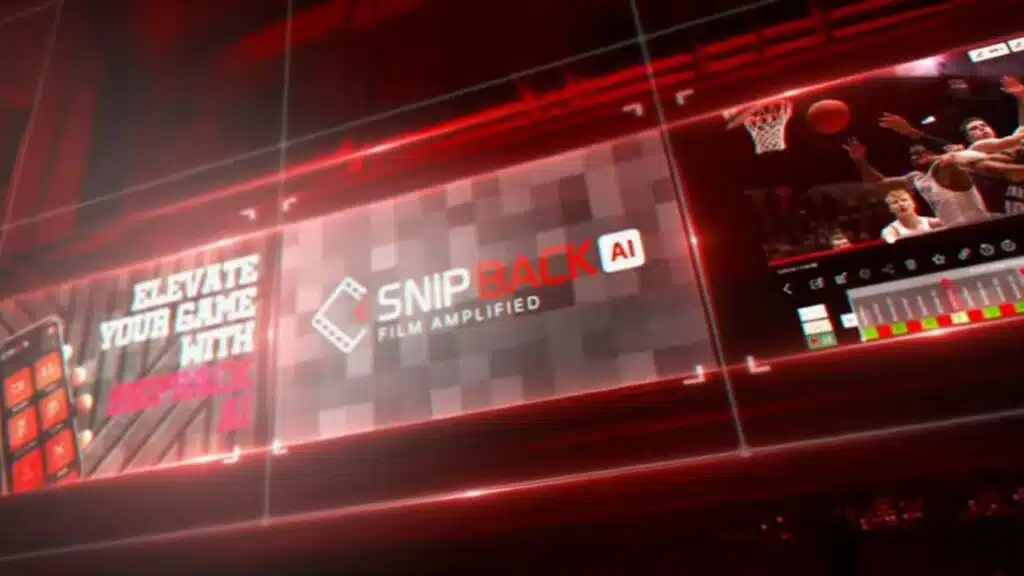
SnipBack launched in 2018 in Chicago, right at the heart of the gaming industry. It taps artificial intelligence to grab key moments from video games. The platform handles advanced capture, distribution, and film usage for cloud gaming, virtual reality (vr), augmented reality (ar) and mixed reality (mr) streams.
Creators tag scenes, add filters, and skip long edits.
Small gaming startups test it to stay ahead. SnipBack holds clips in the cloud and sends them to social channels, streaming platforms, and video platforms. Streamers fire off highlights in seconds to forums and web3 gaming hubs, boosting reach without extra work.
HQ opened in 2021 in Berkeley, US. The network acts like a command center for video games fans. Players build tribes, stream live, and swap hot tips on beamng mods. Artificial intelligence ranks clips by skill level.
A full stat sheet tracks kills, clutch plays, and aim heat maps.
Young gaming startups watch HQ for macroeconomic trends tied to NFT markets. Gamers tap into cloud gaming feeds, web3 gaming drops, and bcookie trackers. HQ earned the #3 spot among NFT startups in Berkeley in 2022 via startengine votes.
It embeds live graphs with performance stats in groups. Virtual reality (vr) lobbies and augmented reality (ar) tournaments all stream together on www portals.
Takeaways
Seven startups rewrite our gaming playbook fast. They use smart code to cut delays, so you can play without hiccups. They stream games from servers miles away, and that beats lag. They build social hubs for streamers, where friends chat and snip clips in one click.
They track your wins with data tools that feel like a coach in your pocket. Each idea feels fresh, like finding a new power-up. Gamers of all kinds will want to jump in.
FAQs
1. What do gaming start-ups bring to cloud gaming?
They host video games on the cloud, cut lag, let you play on any device, they shape the gaming industry. It’s like they beam the fun to you in a flash.
2. How is artificial intelligence used in game streaming tech?
AI tweaks the stream in real time, spots your play style, guides you, and catches glitches before they spoil your session. It’s like having a coach and a guard all in one.
3. Can virtual reality (VR) and augmented reality (AR) make game streams more real?
Strap on the headset and poof, you stand in a fantastic world. VR and AR gear place you inside the game, mix live and digital worlds, and let you touch the action.
4. Are start-ups exploring web3 gaming or working with Elon Musk?
Think of web3 gaming as a ledger for your loot. Some start-ups build web3 gaming platforms on the blockchain and shield your items. Elon Musk talks about rockets and cars but he has not jumped into game streaming yet.