
The travel industry is constantly evolving, and new innovations are emerging all the time. Some of these innovations are small and incremental, while others have the potential to revolutionize the way we travel.
In this article, we will explore 15 game-changing innovations that have the potential to transform travel.
1. Virtual Reality
Technology has improved to the point where we may virtually travel to a location before actually visiting it. How? Virtual reality enables passengers to have immersive experiences. Users can virtually “step into” diverse areas using VR headsets or immersive displays, allowing them to explore and interact with their environment as if they were truly there.
These kinds of experiences can let people see locations they otherwise would not have been able to see. It also gives useful information that can assist passengers in making decisions prior to their trip.
2. Mobile Apps
The days of using massive maps to navigate unfamiliar territory on your excursions are over. Travel apps have transformed the way we plan and manage our trips. It appears that any problem or issue can be quickly remedied by simply unlocking a smartphone and downloading various apps.
Airlines have their own flight booking apps. Some hotels and activities can also be booked via apps, as can vehicle rentals and tickets for other kinds of transportation. Furthermore, any Maps program on a smartphone can provide real-time information and even trip guidance while away from home.
3. Autonomous Vehicles
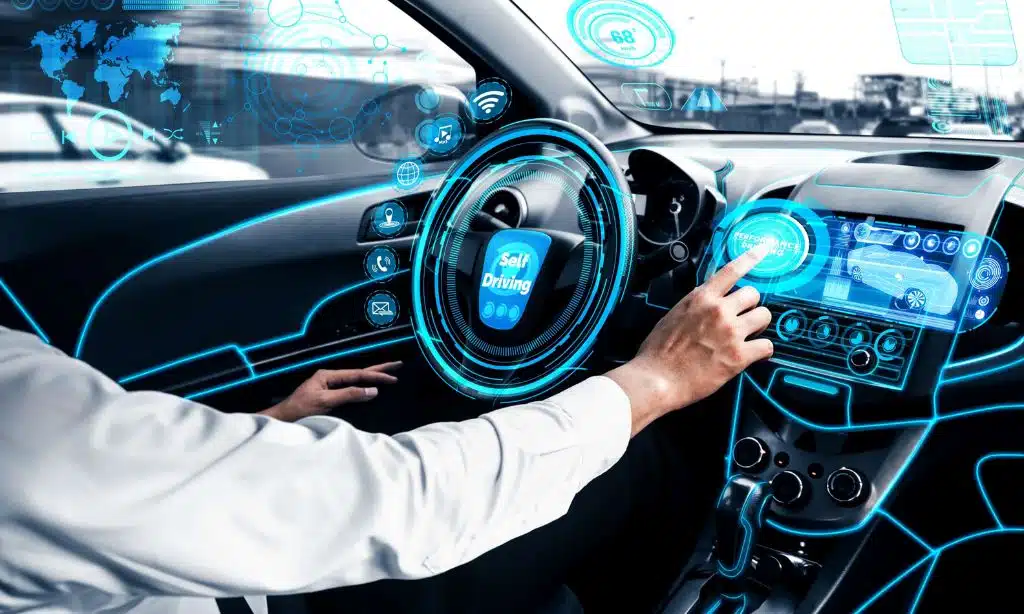
While still in their early stages, driverless cars have the potential to forever revolutionize the way we travel. Companies such as Tesla and localities such as San Francisco have begun to experiment with driverless automobiles. The fundamental advantage of self-driving cars is that they eliminate human error, which is the biggest cause of accidents caused by distractions, fatigue, or intoxicated driving.
They detect advanced sensors and cameras while driving and utilize artificial intelligence algorithms to navigate and make decisions. Autonomous vehicles may also improve accessibility and mobility for persons who are unable to drive.
4. Biometrics
When it comes to traveling, many people prioritize safety above all else. Biometrics has aided in making great progress on this criterion. Biometric technology such as fingerprint scanning, facial recognition, and iris scanning provide greater security than traditional identifying methods.
Biometrics have sped up airport security and immigration operations, lowering wait times and eliminating the need for physical documents and manual verification. By integrating individuals’ biometric data with their travel preferences and profiles, biometrics offer customised travel experiences.
5. Internet of Things
The Internet of Things (IoT) refers to a network of ordinary objects that are linked to the internet through embedded devices equipped with sensors, software, and other technologies. IoT gadgets have also had an impact on the traveling experience.
Smart luggage trackers and hotel room controls, for example, increase the traveler’s experience and organization. It also contributes to safety when traveling with gadgets like smart surveillance systems outfitted with IoT sensors.
6. Augmented Reality

Augmented reality apps assist visitors by displaying real-time information about specific locations, attractions, and destinations. AR can help people traverse unfamiliar cities while also learning about them.
AR apps provide passengers with features such as interactive guides, real-time translation, and personalized recommendations. They increase consumers’ involvement with the destination they’re visiting and provide much-needed information when exploring new places and navigating unfamiliar territory.
7. Big Data
In today’s data-driven world, Big Data enables businesses to collect and evaluate massive volumes of data from travelers. This enables them to provide customised travel experiences based on individual tastes, tailored promos, and personalized suggestions.
Big data allows organizations to obtain a more in-depth insight of their customers’ demands and preferences. In terms of business, it studies market trends and demand patterns in order to optimize selling methods and pricing. It also assists passengers in better planning and trip management.
8. Ride-Sharing Services
Alternatives to standard car rentals and taxis have finally appeared in the last few years. With their simple ways of getting a car to get around a city, companies like Uber and Lyft have changed transportation.
Travelers can use smartphone apps to request a trip, track their driver’s whereabouts, and pay for the service without using cash. Pricing approaches such as dynamic pricing based on supply and demand can provide competitive rates, particularly during non-peak hours when normal taxis are unavailable or difficult to locate in some locations. These organizations typically provide safety and transparency by doing driver background checks, vehicle inspections, and real-time ride tracking.
9. Electric and Hybrid Vehicles
In a world where there is practically everywhere air pollution, the transportation industry is attempting to change that with electric and hybrid vehicles. The pursuit of environmental sustainability has enabled these cars to alter the way we travel.
Electric and hybrid vehicles emit less or no carbon emissions, aiding in the fight against air pollution, greenhouse gas emissions, and climate change. In this way, countries that have and create these types of cars can achieve sustainable and eco-friendly transport.
10. Artificial Intelligence (AI)

The AI takeover has occurred. Internet users frequently use platforms such as ChatGPT and Bard. When it comes to travel, artificial intelligence may be extremely beneficial, and chatbots can be used to deliver information and assist with bookings.
AI algorithms are capable of analyzing vast volumes of data, such as user preferences and prior travel behavior. AI can provide customised trip recommendations based on this data. AI algorithms can assess market trends and demand patterns to produce selling strategies and offer the best prices to maximize income for firms in the tourism industry.
11. Online Travel Agencies (OTAs)
Many problems with travel lodgings have been overcome by online travel agencies. Expedia, Booking.com, and Airbnb have made it easy to find and reserve lodging wherever you go.
OTAs minimize the need to visit various websites or make numerous phone calls to book vacations by providing a wide selection of options at competitive pricing. User reviews and ratings, as well as 24/7 availability and customer assistance, have assisted travelers in making decisions about potential destinations and hotels.
Many problems with travel lodgings have been overcome by online travel agencies. Expedia, Booking.com, and Airbnb have made it easy to find and reserve lodging wherever you go.
OTAs minimize the need to visit various websites or make numerous phone calls to book vacations by providing a wide selection of options at competitive pricing. User reviews and ratings, as well as 24/7 availability and customer assistance, have assisted travelers in making decisions about potential destinations and hotels.
12. Mobile Payment Solutions
Mobile payment solutions have played a significant part in the growth of travel. Indeed, the globalization of digital payment options has improved passengers’ experiences wherever they go while decreasing the need for real cash.
Many mobile payment systems are widely recognized around the world, allowing tourists to make payments in other countries without having to deal with currency conversion or foreign banking concerns. It also promotes financial inclusion by giving people who may not have access to traditional banking services while on the road access to digital payment alternatives.
13. Blockchain

Blockchain technology has had a significant impact on travel in terms of cybersecurity and transparency. The decentralized blockchain stores passenger IDs and booking records, lowering the risk of fraud, identity theft, and data breaches.
Blockchain technology also aids in payment processing. In the travel business, blockchain eliminates payment intermediaries such as banks, enabling peer-to-peer (P2P) transactions, saving time and money, and increasing transparency. It also plays an important role in loyalty programs, with the usage of blockchain-based tokens or cryptocurrencies that allow for greater flexibility in program benefits and may be redeemed across many participating travel providers.
14. Smart Travel Accessories
Many hassles and problems for travelers have been alleviated by smart travel gadgets. Portable Wi-Fi hotspots or smart travel routers, for example, allow tourists to stay connected to the internet while on the go, which is essential while exploring unfamiliar locations.
Portable chargers, noise-cancelling headphones, and smart luggage with built-in GPS are examples of travel technologies that improve convenience and maximize travel. These intelligent accessories are also employed for safety.
15. Travel Sharing Platforms with User Reviews
Trusting the individuals in charge of transportation, accommodations, tours, and other trip activities is one of the most critical components of traveling. Travel sharing systems have grown in popularity over the years due to the tools they provide for both parties to communicate and interact.
User-generated evaluations and recommendations are another important aspect of trip sharing systems. Platforms such as TripAdvisor and Yelp assist tourists in making informed decisions based on the opinions of other travelers.