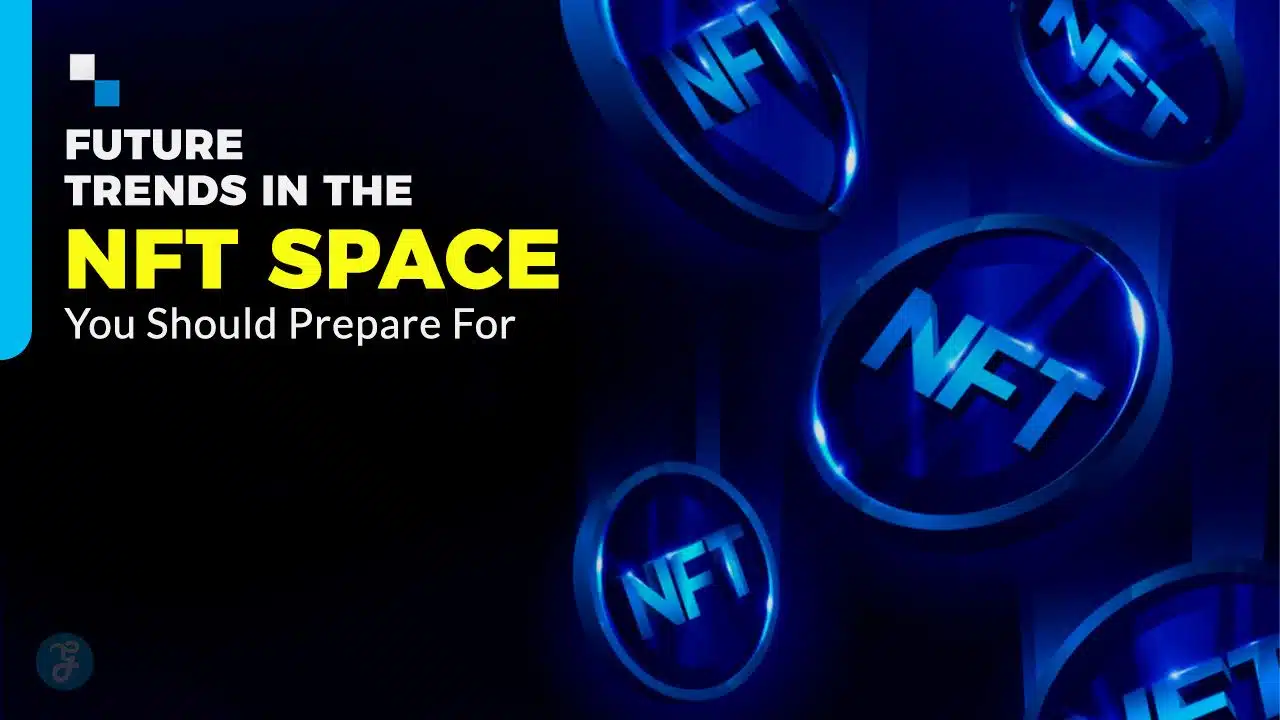
The NFT world moves fast, and keeping up feels like chasing a moving target. Many people bought digital collectibles during the hype, only to watch prices crash. Others missed out completely and now wonder if they should jump in.
The constant changes in blockchain technology, new nft marketplaces, and shifting trends make it hard to know what comes next.
Here’s something that might surprise you: the NFT market will grow from $62.19 billion in 2024 to $711.73 billion by 2034. That’s massive growth ahead. This article breaks down seven key trends that will shape non-fungible tokens in the coming years.
We’ll cover everything from AI-powered NFTs to real-world asset tokenization, plus how virtual reality will change digital ownership forever.
Get ready to discover what’s really coming next.
Key Takeaways
- The NFT market will grow from $62.19 billion in 2024 to $711.73 billion by 2034, showing massive growth ahead.
- NFTs are moving beyond collectibles into utility-driven uses like event tickets, gaming assets, real estate, and brand engagement tools.
- AI-powered NFTs can change appearance and behavior based on real-time data, creating dynamic digital assets that evolve over time.
- Multi-chain adoption across Ethereum, Polygon, Solana, and other blockchains reduces costs and improves accessibility for NFT users worldwide.
- Real-world asset tokenization allows fractional ownership of properties, art, and luxury items through blockchain-based smart contracts and digital tokens.
How are NFTs becoming more useful in everyday life?
Non-fungible tokens are moving far beyond simple digital collectibles. Mainstream brands now use NFTs for fan engagement and new revenue streams. These utility-driven NFTs offer token-gated content, event access, and exclusive memberships.
Music artists tokenize albums and control their work while earning royalties directly. Gaming NFTs provide genuine digital ownership of in-game assets that players can actually resell.
Fashion brands create digital wearables and use NFTs to fight counterfeiting.
Real estate tokenization allows fractional ownership of properties through smart contracts. Event tickets become programmable through NFTs, stopping fraud and controlling resale markets.
Media and entertainment companies lead NFT adoption as the largest end-user sector. DAOs give collectors voting rights and foster community participation. Social marketplace features encourage user connections within NFT platforms.
This shift prioritizes utility and community over pure speculation, making NFTs practical tools for everyday use.
How will NFTs work with Virtual Reality (VR) and Augmented Reality (AR)?
Virtual reality and augmented reality are changing how we experience non-fungible tokens. VR/AR integration trends include virtual galleries where people can walk through digital art collections like they would in a real museum.
These virtual art galleries let you see NFTs in three-dimensional spaces, making digital ownership feel more real and exciting. AR try-ons take this further by letting you wear digital collectibles on your phone or AR glasses.
You can see how a virtual hat or shirt looks on you before buying it. This technology enhances user engagement because people can interact with their NFTs instead of just looking at flat pictures on screens.
Concert tickets as NFTs serve as both event access passes and digital memorabilia within VR/AR environments. Imagine buying a ticket that works in the real world and also gives you special items in virtual worlds.
Hybrid NFTs are being created for luxury fashion, linking physical and digital assets that can be displayed in AR/VR spaces. Your real sneakers might come with a digital version you can wear in the metaverse.
Virtual real estate in these digital spaces uses smart contracts to prove ownership, just like buying a house in the real world. Gaming NFTs work perfectly with VR because players can hold, use, and trade their in-game assets while feeling like they are really inside the game world.
What are AI-powered NFTs and how are they changing the market?
Artificial intelligence is breathing new life into non-fungible tokens, creating digital assets that adapt and evolve. AI-powered NFTs can change their appearance, features, or behavior based on real-time data or user interactions.
These smart contracts now incorporate machine learning algorithms that make digital collectibles respond to market conditions, weather patterns, or social media trends. Gaming NFTs benefit greatly from this technology, as in-game assets can level up, change stats, or unlock new abilities based on player performance.
Dynamic NFTs represent a major shift from static digital ownership models. AI-curated NFTs create personalized collections that grow and change with each owner’s preferences. Post-2030 predictions show AI-generated assets will expand creative opportunities across virtual environments and the metaverse.
These adaptive features transform simple digital art into interactive experiences that maintain user engagement long after purchase. The technology drives new revenue models through evolving utility-driven NFTs that offer ongoing value rather than one-time ownership benefits.
Benefits of using multiple blockchain platforms for NFTs
NFT creators are spreading their digital collectibles across different blockchain networks to reach more buyers and reduce gas fees. This multi-chain approach gives collectors more options, while smart contracts work smoothly on various platforms like Ethereum blockchain and other public blockchain systems.
Which blockchains support NFTs and why use several?
Multiple blockchain networks now support non-fungible tokens, each offering different benefits. Smart contracts on various platforms create new opportunities for digital ownership and trading.
- Ethereum blockchain leads with 70% market share but becomes expensive under high traffic, making it the gold standard for established NFT collections despite higher gas fees.
- Polygon offers low fees while staying compatible with Ethereum, allowing creators to mint digital collectibles without breaking the bank on transaction costs.
- Solana processes 65,000 transactions per second with minimal fees, making it perfect for gaming NFTs and in-game assets that need fast trading speeds.
- Binance Smart Chain provides cheap transactions and connects to a strong trading ecosystem, giving NFT creators access to millions of active crypto users.
- Tezos runs on energy-efficient systems with on-chain governance, attracting projects focused on reducing carbon emissions and meeting climate goals.
- Flow blockchain was built specifically for NFTs with user-friendly features, supporting mainstream adoption without technical barriers for new users.
- Multi-chain adoption reduces risks by spreading NFT projects across several blockchains, protecting against network failures or sudden fee increases on single platforms.
- Cross-chain compatibility lets collectors move tokenized assets between different blockchain networks, creating more liquid markets for virtual real estate and digital twins.
- Diversified infrastructure helps NFT projects reach different user bases, as some collectors prefer specific cryptocurrencies or wallet integration options on particular networks.
How does multi-chain adoption improve NFT accessibility?
Multi-chain support breaks down barriers that keep people away from NFTs. Different blockchain networks have different costs and speeds. Some charge high gas fees that make small purchases impossible.
Others process transactions slowly during busy times. Cross-chain interoperability lets users pick the network that works best for their needs and budget.
This approach opens doors for more people to join the NFT market. Broader blockchain support taps into different communities across various networks. Someone might prefer Ethereum for security but choose Polygon for lower costs.
Multi-chain adoption allows for more inclusive ecosystems that welcome users from all backgrounds. Asset interoperability means your digital collectibles can work across multiple platforms and marketplaces, giving you more options for trading and using your NFTs.
How can NFTs become more sustainable and eco-friendly?
The NFT space has made huge strides in tackling climate change concerns. Ethereum’s transition to proof-of-stake reduced its energy consumption by over 99%, which directly addresses environmental criticisms of NFTs.
This shift means cryptocurrency mining no longer burns through massive amounts of electricity for most popular non-fungible tokens. Layer-2 solutions like Polygon, Arbitrum, and Optimism also cut down energy usage while reducing gas fees for users.
Smart NFT platforms now use carbon offset programs and energy-efficient collections to attract eco-conscious buyers. Tezos stands out as an energy-efficient blockchain with on-chain governance that supports sustainable NFT development.
Some marketplaces prioritize sustainability practices, including gas-efficient minting and carbon offsets. The crypto industry keeps developing greener alternatives that make digital collectibles more planet-friendly without sacrificing functionality or market value.
What does tokenizing real-world assets with NFTs involve?
Real-world asset tokenization transforms physical items into digital tokens on blockchain networks. This process breaks down expensive assets like real estate, art pieces, and luxury wine into smaller, tradeable parts.
Fractional ownership becomes possible through smart contracts that divide ownership rights among multiple investors. Physical asset tokenization opens doors for people who couldn’t afford entire properties or masterpiece paintings before.
Luxury brands lead this movement by creating digital twins of their products. These NFTs serve as proof of authenticity and fight counterfeiting problems that plague high-end markets.
Pandora made headlines as the first ERC-404 token in February 2024, reaching a market cap of around $180 million. This success shows strong demand for hybrid NFTs that combine divisibility with digital ownership features.
Real estate tokenization allows investors to buy portions of buildings or land parcels through tokenized assets. Art collectors can now own fractions of famous paintings or sculptures using this technology.
Wine enthusiasts participate in profit sharing from rare bottle collections through fractional property ownership systems. Gaming NFTs and in-game assets also benefit from this approach, letting players own parts of virtual spaces or equipment.
Wallet integration makes buying and selling these fractional tokens simple for everyday users.
How are NFT royalties and revenue sharing evolving?
NFT royalties are changing fast, and creators are feeling the impact. Smart contracts typically set royalties at 5-10% of each resale. Compatible marketplaces like OpenSea and SuperRare automatically pay these fees to artists.
One creator has earned over $7 million from secondary NFT royalties alone. This shows the real money potential for digital artists and creators.
February 2023 brought major shifts to the market. Blur’s optional royalties and zero-gas model beat OpenSea in both market share and royalty revenue. This sparked what people call the “royalty wars.” Some traders now use platforms without enforced royalties or direct NFT transfers to skip creator fees.
Security Token Offerings (STOs) provide regulatory-compliant frameworks that support fractional ownership and new investment models. Reliable royalty systems remain vital for keeping artists and creators active on NFT marketplaces.
Takeaways
The NFT space moves fast, like a race car speeding down a highway. These seven trends will shape how we buy, sell, and use digital assets in the coming years. Smart investors and creators who prepare now will have the best chances to succeed.
Gaming NFTs and virtual reality will create new worlds where digital ownership matters more than ever. Multi-chain platforms will make transactions cheaper and faster for everyone.
Real-world asset tokenization will let people own pieces of houses, art, and other valuable items through blockchain technology.
Get ready for this exciting future, because the NFT revolution is just getting started.
FAQs
1. What makes real-world asset tokenization such a big deal for NFTs?
Real-world asset tokenization lets you own pieces of actual stuff, like buildings or art, through non-fungible tokens. Think of it like buying a slice of pizza instead of the whole pie. This opens doors for fractional ownership that regular folks couldn’t afford before.
2. How will gaming NFTs change the way we play?
Gaming NFTs turn your in-game assets into real digital ownership. You can trade that rare sword or cool skin on cryptocurrency exchanges, just like trading baseball cards. Virtual economies are becoming as real as your local market.
3. Are gas fees still going to be a problem for NFT collectors?
Smart contracts are getting smarter about gas fees, but they’re not going away completely. New solutions pop up daily, though some still drain your wallet faster than a leaky bucket. The good news is that competition drives innovation.
4. What role will AI-powered NFTs play in virtual reality?
AI-powered NFTs will create personalized experiences in virtual reality spaces. Your digital collectibles might adapt and change based on how you use them. Virtual art galleries could showcase pieces that respond to your mood or preferences.
5. How serious is the carbon emissions problem with NFT creation?
Carbon emissions from crypto mining and proof of work systems worry many people. Some platforms switch to cleaner methods, while others stick with energy-hungry processes. The industry faces pressure from regulators like Gary Gensler to clean up its act.
6. Will central bank digital currencies affect the NFT market?
CBDCs and digital yuan could shake things up for NFT trading. Fintech companies watch these developments closely, especially with regulatory compliance getting tighter. Major players like Coinbase prepare for changes that could reshape how we buy and sell tokenized assets.