Are you wondering if movie theaters will still be kicking in 2026? You are not alone. Streaming at home is easy. Popcorn costs less on your couch. And honestly, going out to the movies feels different these days. Maybe you have skipped a few big releases and caught them online just weeks later.
Here is the reality. A lot of new films now come to homes super fast. Sometimes they land on digital platforms within two or three weeks of opening weekend.
This might make you worry about what all this means for cinemas and their future.
In Future Of Cinema, today’s theater troubles are explored alongside the cutting-edge technology upgrades helping cinemas remain competitive. The discussion also examines how blockbuster releases continue to fill seats and why many audiences still value the shared movie experience.
As the industry evolves, Will Theaters Survive becomes a central question, shaped by innovation, audience habits, and the enduring appeal of watching films together on the big screen.
Stick around. Let’s see where your favorite seat in the cinema might be heading next.
The Current State of Movie Theaters
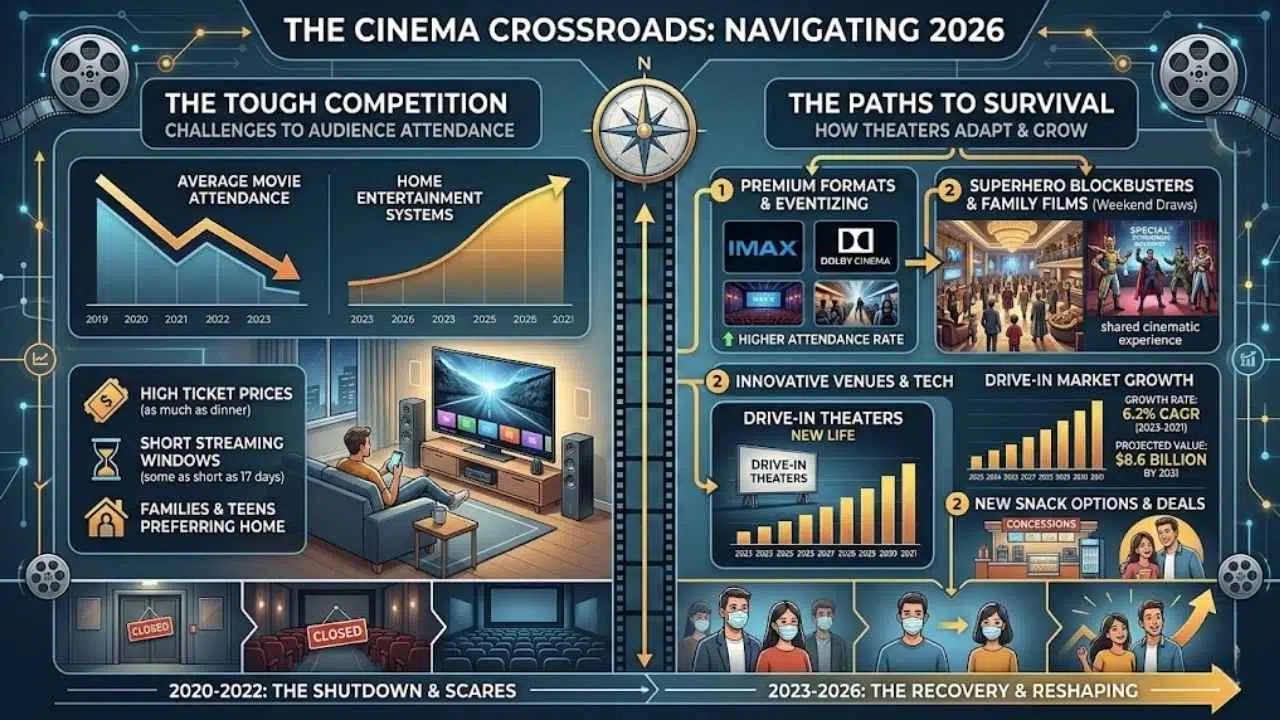
Many movie theaters still feel quiet. You might see empty seats and fewer lines at the snack counter. People now wonder if these big screens can fill up again or if home couches have claimed the crown.
Recovery from the Pandemic
Movie theaters faced a rough patch a few years ago. Big chains like AMC and Regal had to shut their doors for months. It was a scary time for the industry.
But today, moviegoing is bouncing back in America. Box-office hits still draw crowds in 2026.
Theaters fill up for superhero blockbusters or family films on weekends. In fact, specific formats like IMAX and Dolby Cinema are seeing higher attendance rates than standard screens because people want that premium feel.
Drive-in theaters have found new life too. Take a look at these growth numbers:
- Growth Rate: The market is growing at a 6.2 percent CAGR between 2023 and 2031.
- Projected Value: Experts predict these outdoor cinemas will reach $8.6 billion by 2031.
New movies often hit home rental just weeks after opening weekend now. Yet people still line up outside cinemas to watch major releases together on the big screen.
Decline in Attendance
Fewer people are heading to cinemas for average movies these days.
Streaming services give quick access to new titles. Sometimes you can watch them just 17 days after they open in theaters if the box office numbers aren’t huge.
Families and teens now stay home more often. They watch film releases on their own couches with snacks from their kitchens.
High ticket prices also play a big role. Going out for a movie night can cost as much as dinner at a restaurant. We will break down those costs in the next section.
American audiences still enjoy the cinematic experience. But box office trends show shifting habits. Theaters face tough competition from home entertainment systems that offer great sound and big screens.
Even so, blockbusters manage to fill seats now and then. This hints at possible comebacks for audience attendance in 2026. While some small indie films struggle at the box office, industry leaders continue to drive interest with technical extravaganzas.
Challenges Facing Movie Theaters
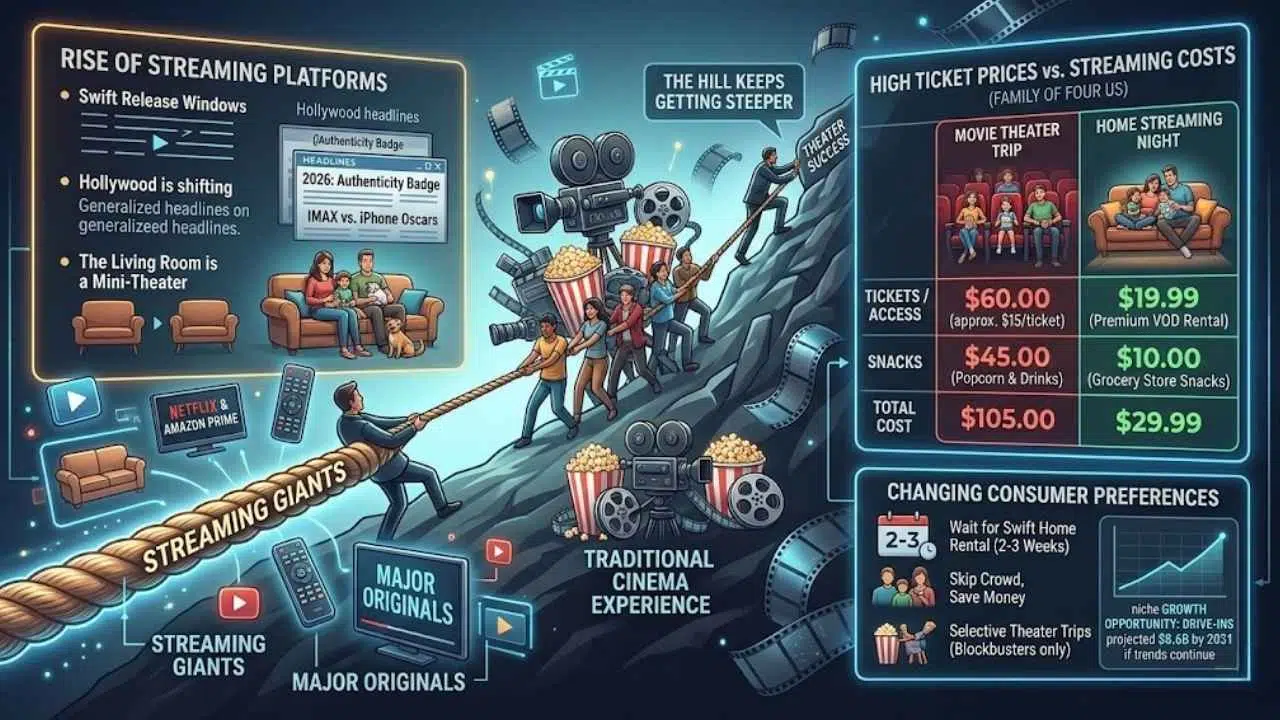
Movie theaters face some tough hurdles these days. The hill keeps getting steeper.
It almost feels like a tug of war. You have streaming on one side and old-school popcorn fun on the other.
Rise of Streaming Platforms
Streaming services have changed how people watch films. New releases show up at home fast, making it easy for viewers to skip the drive and the ticket lines.
Big names like Netflix and Amazon Prime continue to pour money into their own originals. They often grab potential box office hits soon after theater runs finish.
Hollywood is shifting fast. Experts predict bold changes in 2026. We might see things like an “Authenticity Badge” replacing old film festival awards. We may even see IMAX movies competing directly against films shot on iPhones for Oscars.
Every living room now feels a bit like its own mini-theater. You get pets on the couch instead of strangers munching popcorn behind you.
High Ticket Prices vs. Streaming Costs
Big-screen thrills in 2026 do not come cheap. Movie ticket prices climb each year, leaving many families feeling the pinch.
A night at the cinema can now cost more than a month of most streaming services. For some fans, it stings to shell out for popcorn and soda on top of those steep seats.
Let’s look at the real cost difference for a family of four in the US:
| Expense | Movie Theater Trip | Home Streaming Night |
|---|---|---|
| Tickets / Access | $60.00 (approx. $15/ticket) | $19.99 (Premium VOD Rental) |
| Snacks | $45.00 (Popcorn & Drinks) | $10.00 (Grocery Store Snacks) |
| Total Cost | $105.00 | $29.99 |
Many people wait for movies to hit home rental just two or three weeks after release. They save money by skipping crowded theaters and pricey snacks.
Even with box-office hits returning, high costs push folks toward cozy nights at home. Wallets are tight. Options keep growing faster than drive-in theater profits, which could reach $8.6 billion by 2031 if trends continue.
Changing Consumer Preferences
More people now want to watch new movies at home. Fast and easy is the name of the game.
In 2026, it is normal to rent a film online shortly after it opens in cinemas. Streaming services keep growing because families like the comfort of their own couch.
Movie theaters see fewer visitors as ticket prices stay high. Audiences can get so much entertainment on demand.
Some viewers still crave the grand experience for blockbusters. But they often skip smaller films unless those movies are truly special. The way people spend money on box office tickets keeps changing as streaming choices multiply.
Technological Innovations in Theaters
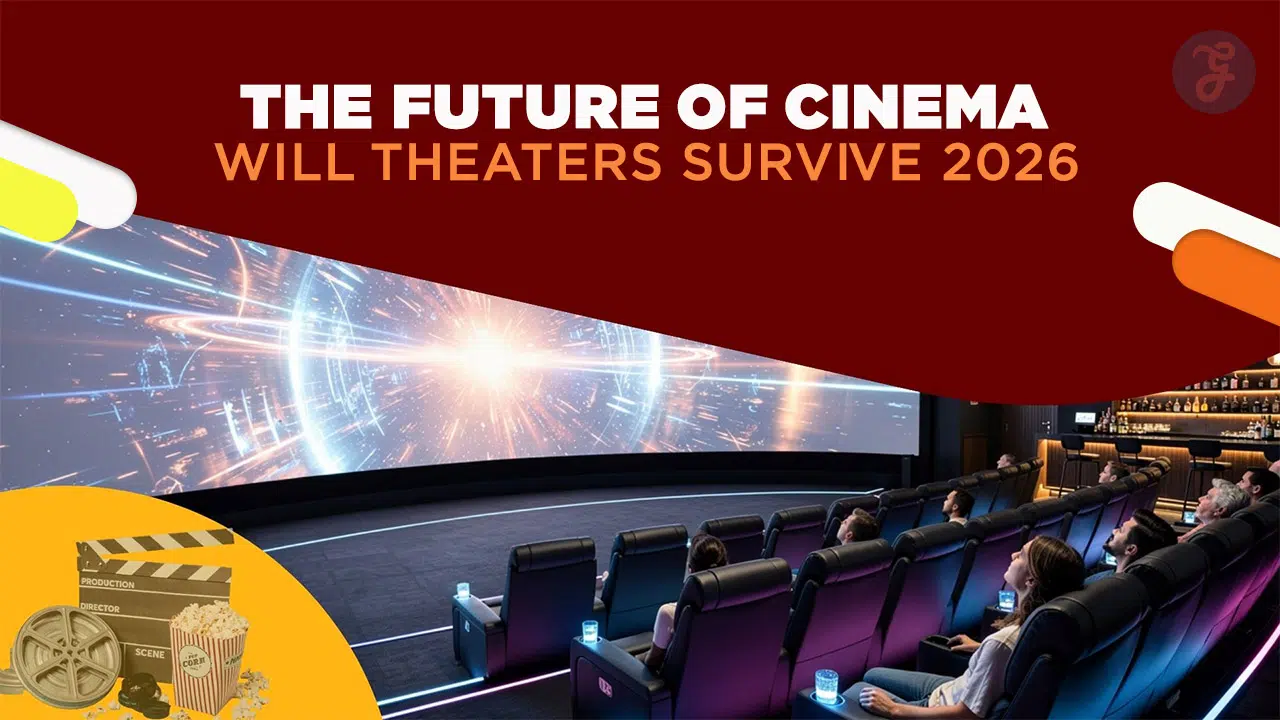
Some theaters now offer wild new tech. Think seats that shake, lights that flash, and screens sharp as a tack.
These changes turn an ordinary night out into something straight from a sci-fi flick. To survive, cinemas are becoming closer to theme parks.
Laser Projection and Immersive Sound
Laser projection brings sharp, bright colors to every seat. Even in the biggest theaters, you can spot every detail on screen, day or night.
Families and film buffs see movies like Dune or the latest Avatar sequel with true lifelike quality. It is almost like peeking through a window into another world.
Immersive sound systems fill the theater from floor to ceiling. Dolby Atmos makes thunder rumble overhead and whispers slide past your ear. In 2026, these upgrades help draw crowds back after years of lower attendance.
Studios keep betting big on technical extravaganzas for box-office hits. People crave an experience their living rooms just cannot match.
AR/VR Theatrical Experiences
AR and VR are shaking up the movie industry in 2026. Cinemas use headsets to place viewers right inside a film’s story.
Imagine dodging raindrops as superheroes fly above. Or picture walking through new worlds with just a turn of your head. Some theaters take it further by bringing virtual actors into the aisles. This lets kids talk to their favorite cartoon characters mid-movie.
These digital innovations help theaters fight back against streaming platforms. With box office numbers proving big hits can still draw crowds, AR and VR keep audiences excited for what comes next.
People crave experiences you cannot get on your couch. Sometimes reality needs a bit of magic too.
Motion Seats and Interactive Features
Seats now shake, tilt, and vibrate during action scenes. The most popular version of this is 4DX.
You feel a car chase in your bones. You sense a sudden drop as if you are falling with the hero. Some chairs blow cool air to mimic wind or spray light mist for rain.
Kids giggle when seats rumble. Adults gasp at big explosions that really thump their backs.
Theaters use buttons on armrests so viewers can choose how much motion they want. This keeps everyone happy. Here is why these features work:
- Physical Immersion: You aren’t just watching; you are feeling the movie physically.
- Hard to Replicate: Home furniture simply doesn’t move like a programmed cinema seat.
- Event Status: It turns a casual viewing into a special event.
In 2026, new interactive features join movie magic with tech tricks from AR/VR experiences too. These touches help cinemas pull crowds away from home couches.
The Role of Blockbusters and Big Productions
Big movies with stunning effects still draw crowds. Grab your popcorn and keep reading to see if they can save theaters.
Importance of Technical Extravaganzas
Blockbusters need more than star power to pull crowds in 2026. Huge budgets go to technical extravaganzas. We are talking mega IMAX screens, rumbling sound, and laser projectors you can almost feel in your bones.
Studios like Disney and Marvel set the stage with jaw-dropping effects. Box office numbers climb whenever a movie offers something people just cannot stream at home.
“Audiences still want to witness those technical marvels together; popcorn flying during explosions is half the fun!”
These upgrades are essential for ticket sales. Movie theaters use innovations like motion seats so viewers get caught up in an experience they simply cannot pause.
Decline of Small Indie Films in Theaters
Small indie films face a tough road at the box office in 2026. Most theaters focus on big technical extravaganzas and well-known franchises.
These movies fill more seats. So, they get priority screens.
Indie filmmakers now see their work offered for home rental just weeks after opening weekend. This makes theatrical runs even shorter. Major releases pull crowds with IMAX effects or star power, while smaller titles often disappear quickly.
Streaming platforms offer another challenge to indie cinema. Audiences enjoy the ease of watching new movies from home instead of going out for lesser-known titles.
Theater managers notice that attendance for small productions drops year after year. This tempts them to fill their schedules with superhero flicks and sequels instead.
Can Home Entertainment Replace Theaters?
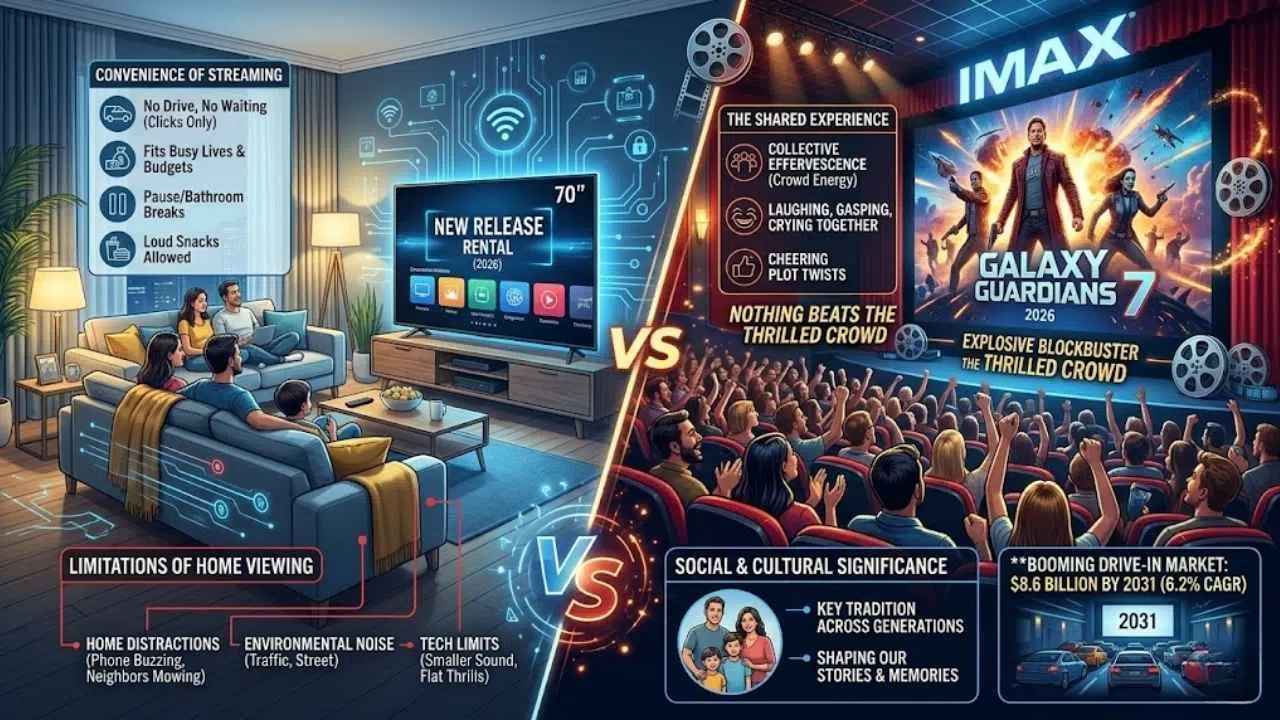
Streaming may feel easy. But nothing beats the thrill of a big screen and a crowd.
Convenience of Streaming Services
Streaming services hand you movies on a silver platter right in your living room.
Today, big films often hit digital rental just weeks after their opening weekends. By 2026, this quick turnaround feels normal to most people.
No need for long drives. No need for waiting in line at the box office. You find new releases with only a few clicks.
Families love streaming because it fits busy lives and budgets. Watch anytime. Snack as loud as you want. Pause for bathroom breaks.
The couch is king now. The entire movie industry has changed its tune since the pandemic. More studios use digital platforms to reach wide audiences fast.
Limitations of Home Viewing Experiences
Big screen thrills at home can feel flat. A 70-inch TV just cannot match a movie theater’s IMAX sound or laser projection, even in 2026.
There are specific distractions at home that kill the vibe:
- The Environment: Neighbors mowing their lawn or street noise ruins the mood.
- The Tech: Home speakers rarely deliver that rumble-in-your-chest bass.
- The Focus: Your phone buzzing makes it hard to get lost in the story.
Many blockbusters still sell out theaters for good reason. Technical extravaganzas lose impact on living room couches.
Streaming makes movies easy to rent within weeks of release. But Hollywood fights to keep big hits on cinema screens because box office numbers matter.
There is just something special about laughing, gasping, or even crying in a crowded theater with strangers.
Keep reading to see why moviegoing still matters.
Social and Cultural Significance
People still love going out to watch movies in a dark room surrounded by strangers. Laughter fills the air. Sometimes quiet hangs heavy during an intense scene.
This shared feeling sticks with folks long after they leave. Sociologists call this “collective effervescence.” It is the energy you feel when a whole group reacts to the same moment at the same time.
Even now, moviegoing in America keeps its place as a key tradition for families and friends. Blockbuster hits at the box office spark excitement and pull big crowds across generations.
Cinemas help shape our stories and memories together. The drive-in movie theater market is even set to grow 6.2% each year through 2031, reaching around $8.6 billion dollars in value by then.
Cultures use movies to talk about problems or dreams on screen. People gather to cheer heroes and cry over losses together under one roof.
Audience Engagement in Theaters
Moviegoing keeps its charm in 2026. Even with streaming services and quick home rentals, the box office still draws crowds for big film releases.
Laughs echo off the walls. Popcorn spills during jump scares. Fans cheer together at plot twists. These moments tie strangers into a single audience.
The drive-in movie theatre market is booming too. It is hitting that $8.6 billion mark by 2031 as more families seek shared entertainment outside their homes.
Blockbuster movies light up screens while viewers react in real time. Clapping or gasping side by side creates memories hard to copy on your couch.
The Path Forward for Movie Theaters
Theaters must pivot fast. They need to find fresh ways to wow us and keep the popcorn popping.
Curious what’s on their drawing board? Let’s take a look.
Adapting to Consumer Demands
Cinemas now face viewers who want movies fast, cheap, and flexible. By 2026, renting new films for home viewing two or three weeks after opening is common.
This shift means movie theaters need to offer more than a big screen and popcorn to keep seats filled. They are investing in three key areas:
- Premium Formats: Expanding IMAX and Dolby Cinema screens.
- Better Food: Offering full meals and cocktails, like Alamo Drafthouse.
- Subscription Plans: Programs like AMC Stubs A-List to encourage frequent visits.
Big screens still draw crowds for blockbusters. Still, ticket prices stay high while streaming captures attention at home.
The industry looks different from ten years ago. Yet people return for box office hits, showing that both change and tradition shape the future of entertainment.
Embracing Hybrid Models with OTT Platforms
Some movie theaters now work with streaming services like Netflix and Disney Plus. Movie availability for home rental just a few weeks after opening weekend is everywhere in 2026.
Audiences can pick between the silver screen or their couch. Sometimes they do both on the same day.
This mix helps keep box office sales up while also letting people enjoy blockbusters at home. Big films still premiere in theaters first. But small indie movies often go to streaming sites right away.
The film industry adapts fast to changing preferences and smart technology trends. Studios win by reaching more viewers. Audiences get greater choice and convenience.
Final Thoughts
Movie theaters face many challenges. But they keep finding new ways to pull us in. From comfy seats to wild sound systems, they are fighting hard. Streaming services make it easy to watch anything at home. Yet people still crave the magic of a big screen and shared laughter. Will you catch the next blockbuster with popcorn in hand? Or will you stick to your couch? The answer shapes how movies evolve.
Curious about what is next? Check out local screenings. Peek into new tech news for cinemas. Or simply share your last great theater memory. After all, this story is yours too.