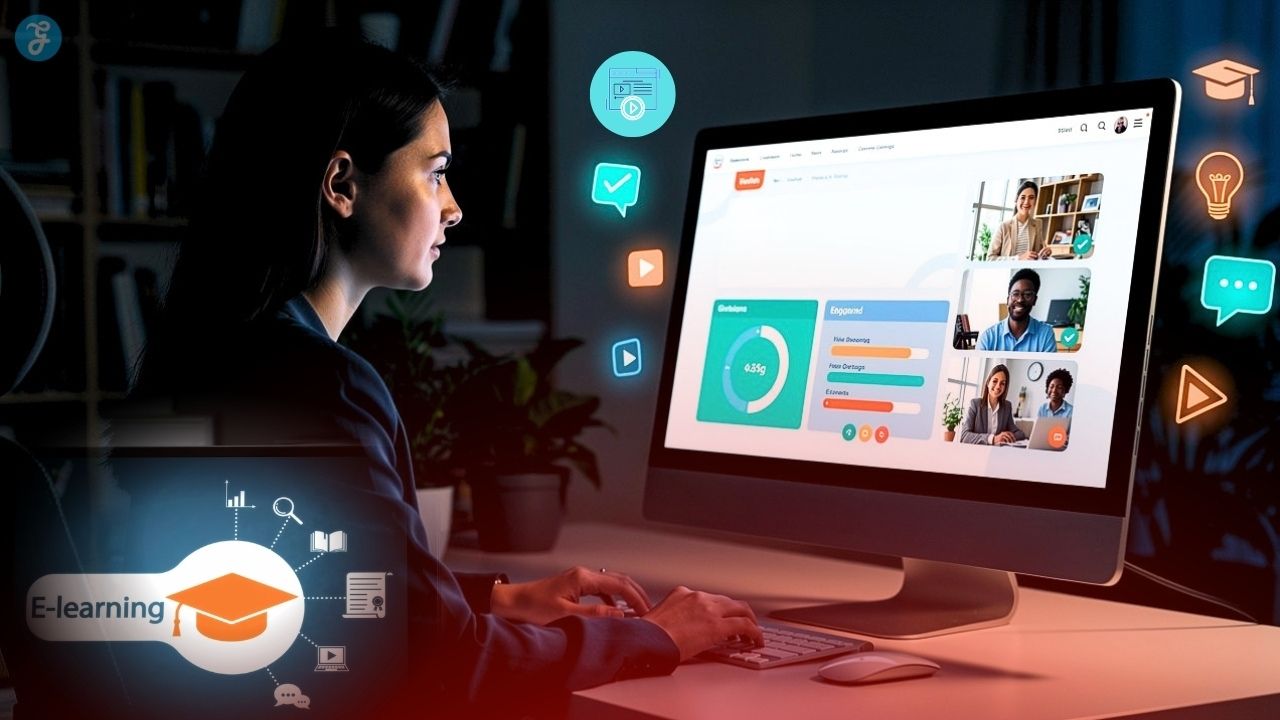
Teachers have long recognized the effectiveness of having students collaborate to solve problems and acquire new knowledge. The age-old adage Two heads are better than one” underscores this wisdom. In an age when student participation is crucial to academic success, technology and collaborative learning can revolutionize teaching methods and inspire and motivate students.
Technology is igniting a revolution in the way we acquire knowledge and learn. This discussion is particularly relevant today, given the increased accessibility of academic support and assignment help, when you, readers, need any assistance with your assignments. As we contemplate the future of education, it becomes clear that we stand at the exciting intersection of student participation, technology, and cooperative learning.
Traditional vs. Tech-Enhanced Collaborative Learning
As traditional methods are being reevaluated and improved upon with the aid of technology, this field is undergoing a dramatic transformation. In its most common form, collaborative learning has students physically getting together in a classroom or study group to do their homework, participate in class discussions, and share their thoughts. Despite the strategy’s merits, it is not without its flaws, such as difficulties in monitoring progress, scheduling conflicts, and geographical limitations. But things have changed drastically since the invention of technology.
By utilizing digital tools, online platforms, and virtual classrooms, we’re able to remove these limitations from collaboration. Now, students from all over the world can work together on projects. This makes studying more flexible. Changes in student-teacher and student-to-student interactions can result from this transition from the conventional to the tech-enhanced paradigm.
In the table below, you can see some of the main differences between traditional group study and tech-enhanced group study. Although both methods have their uses, the tech-enhanced model provides more room for customization, accessibility, and data-driven progress in education.
|
Aspect |
Traditional Collaborative Learning |
Tech-Enhanced Collaborative Learning |
|
Location |
Physical classroom or study group |
Virtual, online environments |
|
Scheduling |
Dependent on fixed class schedules |
Flexibility in timing and access |
|
Geographic Constraints |
Limited to students in close proximity |
Inclusive, no geographical barriers |
|
Progress Tracking |
Manual and often subjective |
Data-driven, automated tracking |
|
Resource Access |
Limited to physical materials |
Access to a wealth of digital resources |
|
Communication |
Face-to-face, verbal and non-verbal |
Online text, audio, and video tools |
|
Collaboration Tools |
Whiteboards, paper, in-person discussions |
Online collaboration software, cloud storage |
Virtual Classrooms and Online Collaboration
Virtual classrooms that are not limited by space are now available to both students and teachers thanks to advances in technology. With virtual classrooms, students from all over the world and from a variety of backgrounds can talk to each other in real time, making the educational environment more open to everyone. The switch to digital platforms has not only made education more available to more people, but it has also opened up new ways for groups to study that were not possible before.
One of the main draws of online classes is how flexible and convenient they are. Web-based education allows students the flexibility to study whenever and wherever they like by providing them with access to course materials, including lectures, readings, and assignments. Some easy-to-use online tools that students can use to work together on class projects and assignments are videoconferencing, online discussion boards, and editing documents that are shared with others. A brand-new era of convenient and interconnected group study has begun as a result of the gradual but steady introduction of technology into educational settings.
Educators gain invaluable insights into student engagement and performance through virtual classrooms and online collaboration, in addition to the obvious benefits of ease and flexibility. Teachers can keep tabs on student engagement, gauge their grasp of the content, and adjust their methods of instruction based on the results of data analytics and tracking tools. Both the general standard of education and the quality of collaborative learning experiences are improved by this data-driven approach.
The Future of Collaborative Learning
As we look to the future, it is abundantly clear that technology will continue to play a significant role in the development of cooperative learning. By using new tools like virtual reality (VR) and augmented reality (AR), teachers can create more interactive and interesting lessons for their students. This will make group study even better. AI could also change the way group projects and lessons are adjusted to meet the needs of each student in real time, which would be a huge step forward. These new ideas, along with the growing popularity of virtual classrooms, are changing the way we learn and creating great new chances for groups to study together.
The Benefits of Collaborative Learning Enhanced by Technology
Collaborative learning, when enhanced by technology, offers a multitude of advantages that significantly enrich the educational experience.
- Improved Engagement: Technology-driven collaborative learning is inherently engaging. It capitalizes on students’ natural desire to use digital tools and social media for learning, making the educational process more interactive and enjoyable.
- Enhanced Communication Skills: It encourages students to communicate effectively, express their ideas, and provide constructive feedback. These skills are not only crucial for academic success but also for future career prospects. And, as technology allows students to interact with people from various backgrounds, they gain a much broader range of communication experience.
- Flexibility and Accessibility: Technology allows for flexible schedules and accessibility. Online platforms often support asynchronous communication, enabling students to participate at their own pace and from different locations.
- Improved Problem-Solving Skills: Collaborative learning often involves solving complex problems as a team. Technology supports the creation of virtual problem-solving scenarios and simulations, enhancing students’ critical thinking and problem-solving skills.
- Efficient Resource Management: Technology streamlines the management of collaborative projects and assignments. Tools for document sharing, version control, and project management can enhance efficiency and organization within group activities.
- Data-driven Insights: Cooperative learning platforms often generate data on student interactions, participation, and performance. Educators can use this data to gain insights into individual and group working patterns, allowing for more targeted and informed instructional decisions.
Conclusion
Collaborative learning and technological advancements are transforming education. It is not a static adage, but a dynamic, constantly changing strategy that can unlock the full potential of learners everywhere. This became crystal clear as we explored the benefits of online collaboration and virtual classrooms, went from traditional to tech-enhanced collaborative learning, and looked into the future of education.