You chase big hits like The Last of Us or GTA V, but their tunes often feel safe and familiar. Forgotten games hide soundtracks that punch harder, with fresh beats and deep feels. Think about it, you play for hours, yet the music sticks in your head long after.
It’s like finding a hidden gem in your backyard, one that outshines the shiny store stuff. Video game music from spots like Hyrule Field or Vice City grabs you, but overlooked tracks do it even better.
Life Is Strange proves indie games pack soundtracks that beat many AAA giants, with emotional layers that pull you in tight. This post spotlights 12 such forgotten titles, from Secret of Mana’s vibes by Hiroki Kikuta to Undertale’s chiptune magic by Toby Fox.
You’ll discover why their music builds worlds and stirs hearts, helping you find new favorites beyond the hype. Dive deeper now.
Key Takeaways
- Loom from 1990 uses classical music like Swan Lake. Hiroki Kikuta made vibes for Secret of Mana.
- Hollow Knight in 2017 has sounds by Christopher Larkin. It rivals AAA titles with 26 underrated games noted.
- The Path in 2009 draws from Silent Hill 2. Toby Fox’s Undertale chiptune magic stirs hearts.
- Hyper Light Drifter from 2016 features synth by Disasterpeace. It outshines Final Fantasy like top 25 soundtracks.
- The Dig in 1995 by Michael Land blends synth. Katana ZERO in 2019 has dynamic tracks like Toby Fox’s style.
Exploring Loom’s Overlooked Soundtrack (1990)
Loom hit shelves in 1990 as an adventure game from Lucasfilm Games. Its soundtrack draws from classical pieces like Swan Lake. Players use a distaff to play notes and weave spells, turning music into gameplay.
This setup builds immersion, much like in indie hits such as Undertale with Toby Fox’s memorable tunes. Video game music here feels special, outshining many big AAA titles from later years.
Folks often skip Loom, but its sounds create emotional depth. Think of it as a hidden gem, similar to Life Is Strange surpassing fancy productions. CD-ROM tech let the team pack in rich audio tracks back then.
Composers aimed for atmosphere, pulling players into a mystical tale. Games like this prove old video game soundtracks can beat new ones hands down.
The Atmospheric Sounds of Hollow Knight (2017)
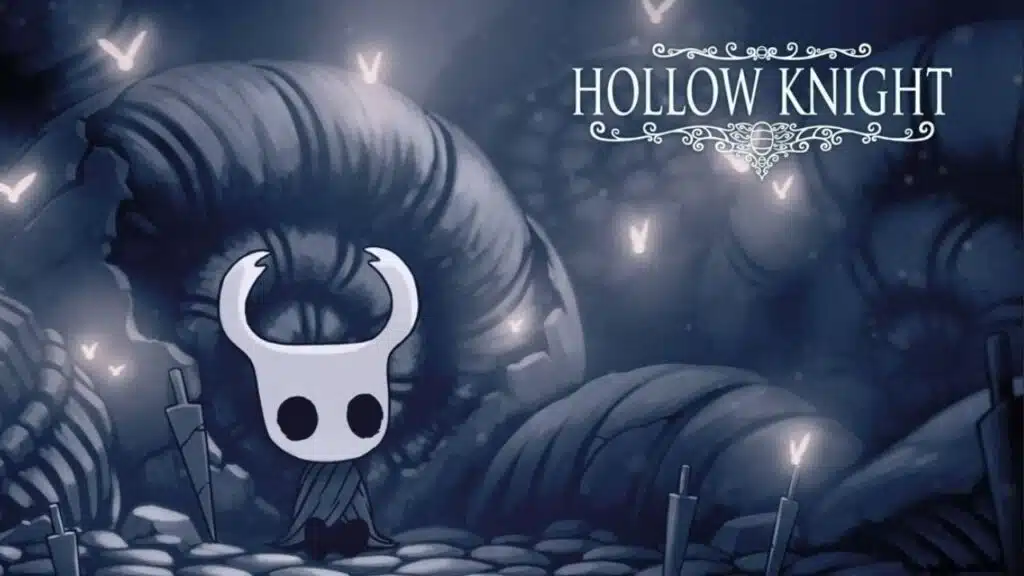
Hollow Knight hit the scene in 2017 as an indie gem, and its soundtrack stands out like a beacon in a dark cave. Composer Christopher Larkin crafted atmospheric sounds that pull you deep into the game’s bug-filled world.
Think of those eerie, echoing tunes during boss battles; they build tension like a storm brewing. This music goes beyond normal tracks in most games, hitting that special level where it rivals top AAA titles.
Fans often say it creates an emotional connection, much like in Undertale or Life Is Strange.
Larkin drew from cinematic styles, blending quiet moments with intense rhythms to boost immersion. Picture exploring Hallownest with soft, mystical notes whispering secrets. Indie games like this, including Little Nightmares and Slime Rancher, show how fresh video game music can outshine big budgets.
Old soundtracks sometimes feel better than new ones, as sequels often drop the ball on tunes. Hollow Knight proves that point, with 26 underrated games from this century backing up the idea of overlooked brilliance.
The Mystical Ambiance of The Path (2009)
The Path hit shelves in 2009 as an indie gem from Tale of Tales. This game twists Little Red Riding Hood into a dark fairy tale. Its soundtrack builds a mystical ambiance with eerie whispers and haunting melodies.
Think of it as a walk through a foggy forest, where every note pulls you deeper into mystery. Developers drew from survival horror games like Silent Hill 2 to craft that tense feel.
Video game music here shines, much like in Undertale or Hollow Knight. Toby Fox and Christopher Larkin set high bars for emotional depth, and The Path follows suit with its ambient tracks.
Indie hits like Life Is Strange show how soundtracks can outshine AAA titles. Little Nightmares and Slime Rancher join that list with their standout tunes. The Path’s music enhances immersion, creating emotional connections that linger.
It fits into talks of top 25 video game soundtracks, including boss battle themes and in-game radio tracks. Underrated games from the 21st century, like this one, prove great audio gets overlooked.
CD-ROM games paved the way for such rich sounds back then. Indie developers push musical innovation, blending genres for that special spark.
The Synth Soundscapes of Hyper Light Drifter (2016)
Hyper Light Drifter hit the scene in 2016 as an indie gem, packing synth soundscapes that pulse with mystery and drive. You feel the beats throb like a heartbeat in a pixelated dream world.
Disasterpeace composed these tracks, blending retro vibes with emotional depth that rivals big hits from Final Fantasy or Kingdom Hearts. Indie games like this, much like Undertale by Toby Fox, show how video game music can outshine AAA titles.
Little Nightmares and Slime Rancher join the list too, proving small teams craft tunes that stick with you long after play.
Picture drifting through ruins with synth waves crashing around you, building tension for boss battles. These sounds enhance the atmosphere, just as in Hollow Knight by Christopher Larkin.
Old game soundtracks often feel special, different from today’s normal music in sequels. CD-ROM tech back then let composers like those in Shovel Knight push boundaries. Hyper Light Drifter’s music creates immersion, pulling you into its world like a siren’s call.
Fans rave about how it develops emotional connections, much like in Life Is Strange or Stardew Valley.
The Distinctive Elements of Forgotten Game Soundtracks
Forgotten game soundtracks often mix wild genre blends, like the chiptune sparks in Shovel Knight that pull players into pixel worlds. Composers such as Toby Fox craft tunes that stir deep feelings, turning simple gameplay into heartfelt journeys, you know.
Genre Diversity in Music
Video game music spans many styles, from chiptune beats to orchestral scores. Take Undertale, an indie game by Toby Fox with its memorable soundtrack that mixes retro sounds and emotional tunes.
Life Is Strange pulls in folk and indie rock, creating vibes that beat out many big AAA titles. Little Nightmares uses creepy ambient tracks, while Typoman adds puzzle-solving rhythms, and Slime Rancher brings fun, upbeat melodies.
These games show how diverse genres build immersion, like in-game radio tracks from GTA: Vice City or boss battle themes in Hollow Knight by Christopher Larkin. Think about old gems like The Secret of Mana from 1993, with its mystical vibes, versus modern ones in Hyper Light Drifter’s synth soundscapes.
A blog post lists the top 20 video game soundtracks of all time, highlighting this mix, including Monument Valley’s calm puzzles and Shovel Knight’s chiptune brilliance. Another article talks about the top 25, noting radio hits in Fallout: New Vegas and intense fights in Batman: Arkham City.
Diversity shines in underrated picks too, as one piece mentions 26 overlooked games of the 21st century, proving great soundtracks get lost in the shuffle. Old game music often feels special, like in CD-ROM titles from the 90s, while sequels sometimes drop the ball on fresh tunes.
Most games stick to normal music, but a few, like Grim Fandango by Tim Schafer’s Double Fine Productions, blend jazz and noir for something different. An article explores the “Cinematic Promise” of video game music, showing how it borrows from films, converging styles for deeper feels.
Picture Koji Kondo’s work in The Legend of Zelda: Ocarina of Time, with its epic folk, next to Hideki Naganuma’s funky beats in Jet Set Radio. This range hooks players, from The World Ends with You’s J-rock to Brütal Legend’s heavy metal riffs.
Indie developers push boundaries, like in What Remains of Edith Finch or That Dragon, Cancer, adding emotional layers that rival AAA efforts.
Composing for Emotion and Immersion
Composers craft music that pulls players deep into the game world, like a magnet drawing iron filings. Take Life Is Strange, an indie title where the soundtrack beats out many big AAA games in stirring feelings.
It builds immersion through soft, haunting tunes that mirror the story’s twists. Little Nightmares uses creepy, sparse sounds to heighten fear, while Typoman and Slime Rancher add playful beats that make worlds feel alive.
Undertale, by Toby Fox, shines with memorable tracks that tie right into boss battle themes, creating emotional bonds. Think about the top 25 video game soundtracks of all time; they often include in-game radio tracks that boost that “you are there” vibe.
A blog post lists the top 20 video game soundtracks, showing how music in games like Hollow Knight, scored by Christopher Larkin, explores cinematic promise. This blends film scoring styles with game needs, making scenes pop with emotion.
Old game soundtracks, from CD-ROM days, often outshine new ones, especially in sequels that lose that special spark. Most games stick to normal music, but a few, like those 26 underrated titles from the 21st century, offer different tunes that immerse you fully.
Jet Set Radio, with Hideki Naganuma’s vibrant beats, turns skating through Tokyo into a rhythmic adventure. Great games get overlooked, yet their soundtracks, full of video game music magic akin to Koji Kondo’s work in The Legend of Zelda series, forge deep connections.
Factors Leading to the Overlook of These Games
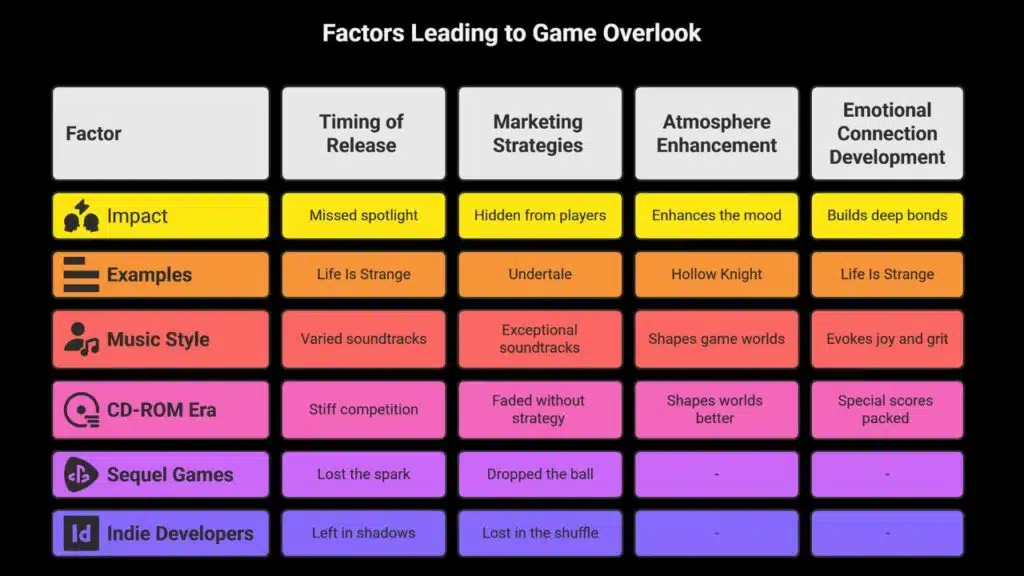
Games like Shovel Knight and Hollow Knight slipped under the radar because they hit shelves during crowded seasons, when big hits stole the spotlight. Poor promotion left gems such as Undertale and Hyper Light Drifter whispering in the shadows, begging fans to dig them up and give their tunes a spin.
Timing of Release
Release timing can make or break a game’s spotlight. Life Is Strange dropped as an indie title in 2015, right when AAA giants like Batman: Arkham Knight stole the show. That meant its stellar soundtrack, full of emotional layers, got buried.
Toby Fox crafted Undertale’s music that same year, blending chiptune brilliance with heartfelt tunes, yet it flew under the radar at first due to crowded shelves. Old games from the CD-ROM era, like those in the 1990s, often faced stiff competition from hits such as Super Mario 64 or Sonic Adventure.
They packed special music, different from the norm, but sequel fatigue hit hard. Many follow-ups, think Kingdom Hearts II or Sonic Adventure 2, lost that spark, making originals seem forgotten.
Christopher Larkin’s work on Hollow Knight in 2017 clashed with big releases too, like days gone by in the Mojave Wasteland of Fallout games.
Folks, it’s like hiding a gem in a haystack during holiday rush. Little Nightmares and Slime Rancher, both indie standouts, launched amid hype for PS4 blockbusters, their atmospheric sounds overlooked.
An article points out 26 underrated games of the 21st century, proving great ones slip through cracks. Old soundtracks, from CD-ROM days, often outshine new ones, as sequels ditch innovation for safe bets.
Take The Dig from 1995, a hidden musical gem with cinematic promise, blending film and game scoring styles. Most games stick to normal music, but a few, like those by Hideki Naganuma in Jet Set Radio, bring vibrant beats that deserve revival.
Indie devs, from Giant Sparrow to Dennaton Games, push boundaries, yet timing leaves them in shadows, much like Arstotzka in Papers, Please.
Marketing Strategies
Poor marketing often hides great games from players. Developers of indie titles like Life Is Strange pour heart into soundtracks that beat AAA ones, yet small budgets limit ads. Think about Undertale by Toby Fox; its memorable tunes, including boss battle themes, shine in top 25 video game music lists.
But weak promotion means fans miss out. Games such as Hollow Knight, with scores by Christopher Larkin, suffer too. They join 26 underrated games of the 21st century, overlooked due to bad timing and tiny marketing pushes.
Big studios push hard on titles like Tony Hawk’s Pro Skater series, flooding airwaves with hype. Indie gems like Little Nightmares or Slime Rancher get lost in the shuffle. Their exceptional soundtracks, full of emotional depth, rival top 20 lists of all time.
Old CD-ROM games brought special music, but without strong strategies, they fade. Sequel games often drop the ball on tunes, as noted in talks on video game music trends. Hideo Kojima knows promotion matters; without it, even ethereal scores in games like Jet Set Radio by Hideki Naganuma stay hidden treasures.
Atmosphere Enhancement
Music in games like Undertale boosts the mood, pulling you right into the story. Toby Fox crafted tunes that make boss battles feel epic, like a heartbeat racing in the dark. Think about Hollow Knight, where Christopher Larkin’s scores paint shadowy caves with sound, turning simple walks into thrilling adventures.
Indie hits such as Life Is Strange use tracks that mirror movie scores, blending film styles with game play for deeper immersion. Little Nightmares adds creepy whispers through its music, making every corner feel alive with fear.
Video game music, from old CD-ROM titles to modern ones, shapes worlds better than many big hits. Take Shovel Knight’s chiptune brilliance; it pumps energy into pixel jumps, like a retro party in your ears.
Games like Typoman twist words and sounds for puzzles that grip your emotions. Slime Rancher pairs bouncy beats with farm life, creating a cozy yet wild vibe. These underrated gems, part of the top 25 soundtracks ever, prove how in-game radio tracks and themes can turn ordinary play into something special, just like Koji Kondo’s classics did years ago.
Emotional Connection Development
Games build deep bonds through sound. Take Life Is Strange, an indie title with tracks that outshine big AAA hits. Its music pulls you in, like a warm hug during tough moments. Little Nightmares scares you with eerie tunes, while Slime Rancher charms with fun beats.
Typoman adds puzzle vibes that stick. Undertale, by Toby Fox, shines here too. His chiptune brilliance creates laughs and tears, forging real ties. Think of boss battle themes in top 25 lists; they amp up feelings fast.
Old soundtracks often feel stronger than new ones. Many sequels drop the ball on music now. Yet, games like Hollow Knight, scored by Christopher Larkin, explore emotion. His atmospheric sounds make you care about bugs in a vast world.
Shovel Knight’s chiptune tracks evoke joy and grit. Video game music, from Koji Kondo’s classics to Hideki Naganuma’s Jet Set Radio beats, turns play into personal stories. CD-ROM games started this trend, packing in special scores that most titles lack today.
Honorable Soundtrack Mentions
Games like The Dig pack a punch
The Dig: A Hidden Musical Gem (1995)
LucasArts released The Dig in 1995, and its soundtrack stands out like a buried treasure. This adventure title uses CD-ROM tech to deliver rich video game music that pulls players into a sci-fi story.
Think of it as a space opera, with tunes that build tension during asteroid digs and alien puzzles. Michael Land composed the score, blending synth waves and ambient echoes that rival big hits from Koji Kondo.
Fans often compare it to indie gems like Life Is Strange, where the music surpasses many AAA titles. Little Nightmares and Undertale share that vibe too, with memorable tracks that stick in your head long after play.
Picture exploring ancient ruins while ethereal sounds guide your steps, much like in Hollow Knight by Christopher Larkin. The Dig’s music creates emotional layers, just as in top 25 video game soundtracks that include boss battle themes and in-game radio tracks.
It fits among 26 underrated games of the 21st century, proving great scores can fly under the radar. Indie developers, like those behind Shovel Knight, innovate in similar ways, using chiptune brilliance for immersion.
You might spot nods to Toby Fox’s style in its narrative depth, even if release timing hid it from the spotlight.
Katana ZERO’s Dynamic Tracks (2019)
Katana ZERO hits hard with its dynamic tracks from 2019. This indie game packs a punch, much like Undertale or Life Is Strange, where music steals the show over big AAA hits. Picture slicing through enemies while synth beats pulse like a heartbeat.
Those rhythms build tension, pull you in deep, and make every level feel alive. Developers craft these sounds to mirror your moves, turning fights into a dance of danger.
Fans often overlook such gems, but Katana ZERO’s video game music rivals the best. It draws from chiptune brilliance, like in Shovel Knight, yet adds modern twists. Tracks shift with your choices, creating emotional layers that stick.
Indie creators, think Toby Fox style, push boundaries here. Give it a spin on streaming platforms; you might find it tops even Hollow Knight’s atmospheric vibes.
Accessing Soundtracks of Forgotten Games
You crave those forgotten tunes from games like Shovel Knight or Hollow Knight, right? Fire up Spotify or Apple Music to stream tracks by composers
FAQs
1. Hey, what forgotten game boasts a soundtrack by Toby Fox that rivals big AAA hits?
Toby Fox crafted the tunes for a gem like Undertale, you know, that little RPG where the music pulls at your heartstrings like a puppet master. It sneaks in emotions deeper than many blockbuster scores, making you hum along for days.
2. Ever wonder why Hollow Knight’s music by Christopher Larkin feels so epic?
Christopher Larkin’s work in Hollow Knight paints vast underground worlds with sound, like a brush dipping into mystery and adventure.
3. What’s the deal with Jet Set Radio and its killer beats from Hideki Naganuma?
Hideki Naganuma’s funky rhythms in Jet Set Radio turn skating through Tokyo into a dance party, outshining the bland tracks in some AAA racers like Need for Speed. You feel the groove in your bones, like graffiti coming alive on the streets. It’s pure energy, folks.
4. Tell me about Shovel Knight’s soundtrack that beats out modern giants.
Shovel Knight digs deep with chiptune magic that echoes Koji Kondo’s classic vibes, but with a fresh twist that makes you leap like Epona in an old Zelda tale.
5. Why does Monument Valley have a soundtrack worth remembering over AAA fluff?
Monument Valley’s serene melodies guide you through impossible mazes, whispering secrets like an old friend sharing a story around a campfire.
6. How does Ni No Kuni: Wrath of the White Witch stack up in music against big titles?
In Ni No Kuni: Wrath of the White Witch, the score sweeps you into a fairy tale battle against the Dominion of the Dark Djinn, trumping the orchestral pomp in games like Batman: Arkham Origins with its heartfelt whimsy. It’s like Studio Ghibli met video game music and sparked pure wonder.