Extreme Heat Will Affect to Billions by 2100

Extreme Heat

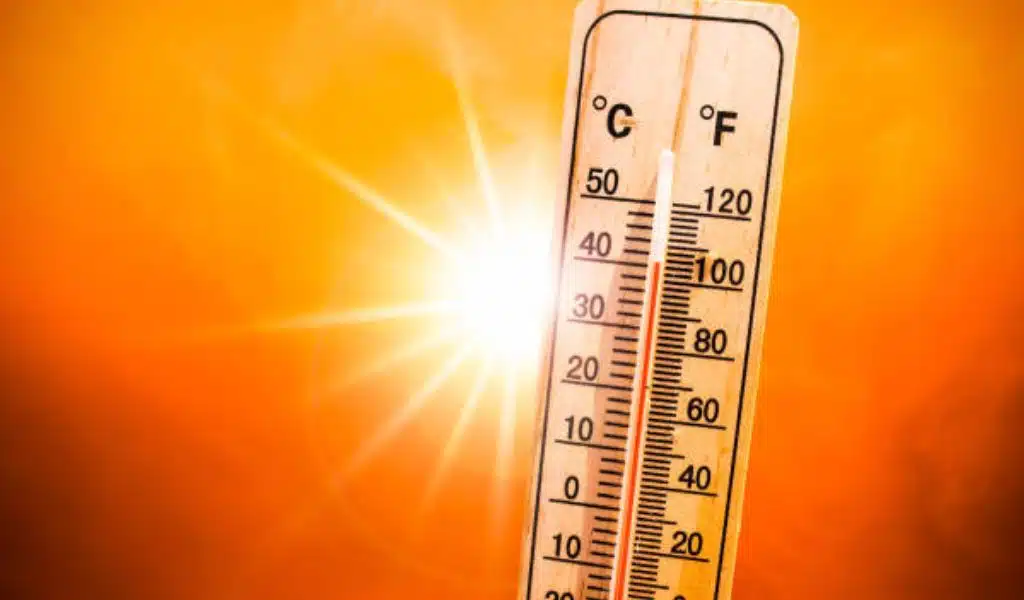
More than a fifth of the world’s population would likely experience extreme heat by 2100 if existing measures to slow global warming are kept in place, researchers said on Monday (May 22). According to AFP, the findings was published in the journal Nature Sustainability.

The research states that India (600 million), Nigeria (300 million), Indonesia (100 million), the Philippines, and Pakistan (80 million each) have the largest populations at risk.

Lead author Tim Lenton, head of the Global Systems Institute at the University of Exeter, said that the change “is a profound reshaping of the habitability of the surface of the planet, and could potentially lead to the large-scale reorganisation of where people live.”

The results highlighted the urgent need for action to keep global warming to 1.5C. According to it, doing so would drastically lower the number of people who are at risk. The amount would drop to 500 million. This will represent about 5% of the estimated 9.5 billion people on the planet.

The intensity or duration of heatwaves, droughts, and wildfires have already increased due to just under 1.2C of warming, beyond what would have been possible without the carbon pollution produced by burning fossil fuels and forests. It has been the hottest eight years on record.

Global warming costs are frequently expressed in monetary terms, but our study emphasizes the astronomical human cost of ignoring the climate emergency,” said Lenton.

The number of people who will be exposed to harmful heat will increase by 140 million for every 0.1C of warming above current levels.

The Threshold for ‘Dangerous Heat’

The threshold for “dangerous heat” has been identified by the latest research. According to the report, the temperature is at MAT of 29C.

Around two MATs, human habitations have historically been most dense. 13C for temperate regions and 27C for more tropical ones.

Everywhere the temperature is rising due to global warming, but in areas that are already close to the red 29C line, there is a clearly larger risk of reaching fatal temperatures.

According to studies, sustained high temperatures at or above this threshold are strongly linked to higher mortality, lower labor productivity, and worse crop yields. Additionally, the likelihood of greater armed conflict and infectious diseases rises as a result.

Only 12 million people globally were exposed to such extremes 40 years ago.

According to the report, that number has climbed fivefold since then and will continue to rise sharply in the next decades.


Subscribe to Our Newsletter

Related Articles

Top Trending

On This Day March 31
On This Day March 31: History, Famous Birthdays, Deaths & Global Events
Procurement Analytics
The Rise of Procurement Analytics: A Data-Driven Approach [Revolutionize Your Strategy]
Mental Health Impacts Of AI Companions
The Psychological Impact of AI Companions on Mental Health [All You Need to Know]
Second Passports for Global Mobility
11 Smart Ways Americans Are Obtaining Second Passports for Global Mobility
Operations Management
Operations Management Best Practices For 2026: Future-Proof Your Business!

Fintech & Finance

Ai In Financial Services
How AI Is Making Financial Services More Accessible: Unlocking Opportunities
crypto remittances New Zealand
17 Critical Facts About How New Zealanders Are Using Crypto for International Remittances
Smart Contracts
Smart Contracts Explained: Real-World Applications Beyond Crypto
Tokenization Of Real-World Assets
Tokenization Of Real-World Assets: The Next Big Crypto Trend!
how to spot Crypto Scam
How to Spot a Crypto Scam Before It's Too Late: Protect Your Investment!

Sustainability & Living

Green Building Certifications For Schools
Green Building Certifications For Schools: Boost Learning Environments!
Smart Water Management
Revolutionize Smart Water Management In Cities: Unlock the Future!
Homesteading’s Comeback Story, Why Americans Are Turning Back To Self Reliance In Record Numbers
Homesteading’s Comeback Story: Why Americans are Turning Back to Self Reliance In Record Numbers
Direct Air Capture_ The Machines Sucking CO2
Meet the Future with Direct Air Capture: Machines Sucking CO2!
Microgrid Energy Resilience
Embracing Microgrids: Decentralizing Energy For Resilience [Revolutionize Your World]

GAMING

Geek Appeal of Randomized Games
The Geek Appeal of Randomized Games Like Pokies
Best Way to Play Arknights on PC
The Best Way to Play Arknights on PC - Beginner’s Guide for Emulators
Cybet Review
Cybet Review: A Fast-Growing Crypto Casino with Fast Withdrawals and No-KYC Gaming
online gaming
Why Sign-Up Bonuses Are So Popular in Online Entertainment
How Online Gaming Platforms Build Trust
How Online Gaming Platforms Build Trust With New Users

Business & Marketing

Procurement Analytics
The Rise of Procurement Analytics: A Data-Driven Approach [Revolutionize Your Strategy]
Operations Management
Operations Management Best Practices For 2026: Future-Proof Your Business!
Supplier Diversity
Supplier Diversity: Why It Matters And How To Implement It
Top European Startup Ecosystems to Watch
Top European Startup Ecosystems to Watch in 2026
Building long-term Supplier Relationships
How to Build Supplier Relationships That Last: Proven Strategies! [Transform Your Business]

Technology & AI

Mental Health Impacts Of AI Companions
The Psychological Impact of AI Companions on Mental Health [All You Need to Know]
App Development For Startups With Garage2Global
iOS and Android App Development For Startups With Garage2Global
AI Data Privacy In Smart Devices
AI and Privacy: What Your Smart Devices are Collecting?
tech giants envision future beyond smartphones
Tech Giants Envision Future Beyond Smartphones: What's Next in Technology
AI Bias
The Rise of AI Bias: Why It Matters To Everyday Consumers

Fitness & Wellness

Regenerative Baseline
Regenerative Baseline: The 2026 Mandatory Standard for Organic Luxury [Part 5]
Purposeful Walk Spaziergang
Mastering the Spaziergang: How a Purposeful Walk Can Reset Your Entire Week
Avtub
Avtub: The Ultimate Hub For Lifestyle, Health, Wellness, And More
Integrated Value Chain
The Resilience Framework: A Collaborative Integrated Value Chain Is Changing the Way We Eat [Part 4]
Nutrient Density Scoring
Beyond the Weight: Why Nutrient Density Scoring is the New Gold Standard for Food Value in 2026 [Part 3]