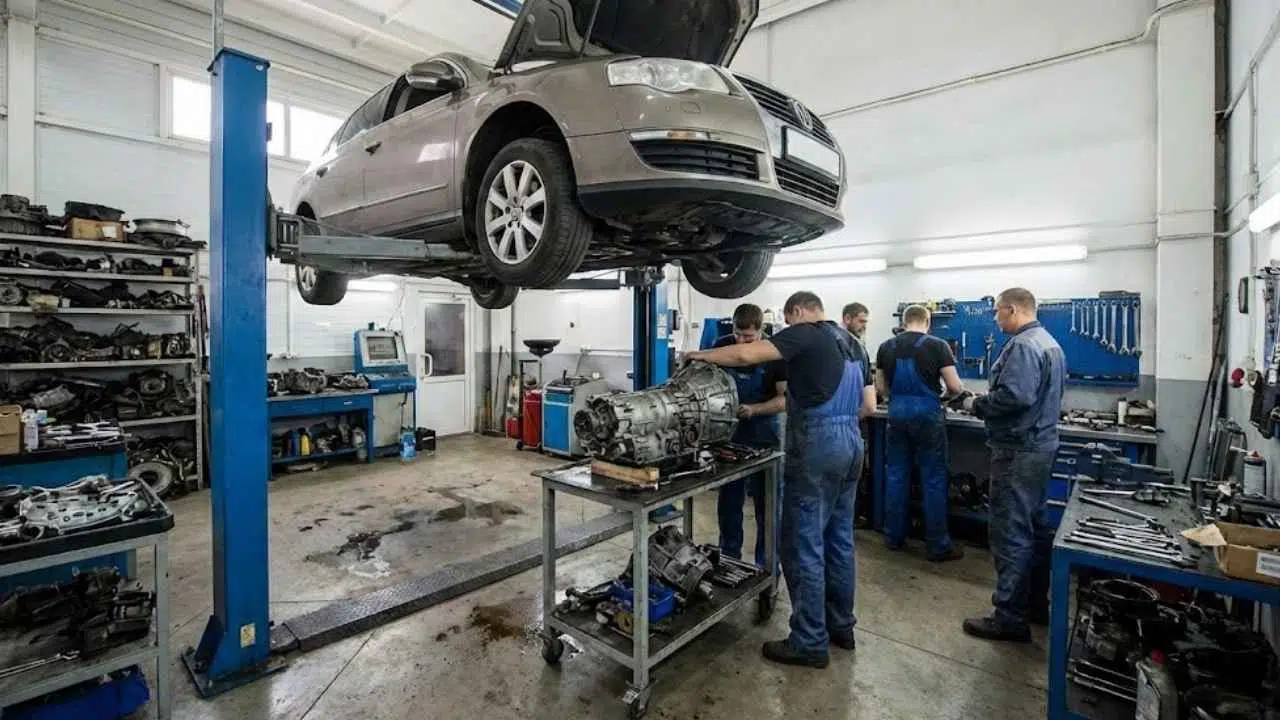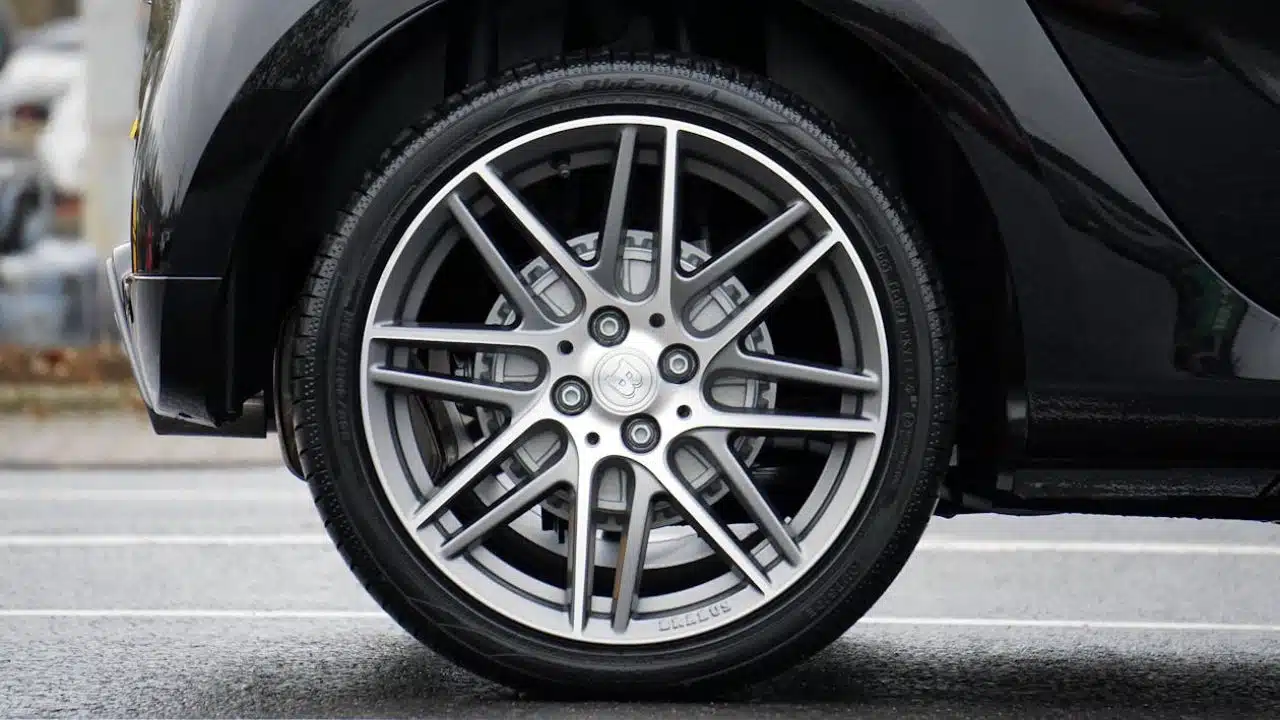
Your vehicle’s tires are its only point of contact with the road, making them one of the most critical components for safety, performance, and efficiency. Yet, despite their importance, tires are often one of the most neglected parts of a vehicle. Regular tire maintenance is not just about ensuring safety; it’s also about maximizing the lifespan of your tires, saving you money in the long run.
In this comprehensive guide, we’ll cover the essential tire maintenance tips and tricks that will help you extend the life of your tires, maintain optimal performance, and ensure your safety on the road.
Why Tire Maintenance Matters
Before diving into the specifics of tire maintenance, it’s important to understand why taking care of your tires is crucial. Well-maintained tires offer several key benefits:
- Safety: Properly maintained tires provide better traction, handling, and braking, reducing the risk of accidents.
- Fuel Efficiency: Well-inflated and balanced tires reduce rolling resistance, improving your vehicle’s fuel economy.
- Cost Savings: By extending the life of your tires, you save money on replacements and reduce the overall cost of vehicle ownership.
- Performance: Proper tire maintenance ensures your vehicle performs at its best, whether you’re driving in the city, on the highway, or off-road.
Now we’ve established the importance of tire maintenance, let’s explore some actionable tips and tricks to help you get the most out of your tires.
1. Regularly Check Tire Pressure
Maintaining the correct tire pressure is one of the simplest yet most effective ways to extend the life of your tires. Under-inflated or over-inflated tires can cause uneven wear, reduce fuel efficiency, and compromise your vehicle’s handling.
How to Check Tire Pressure
- Use a Tire Pressure Gauge: Invest in a reliable tire pressure gauge. Digital gauges are easy to use and provide accurate readings.
- Check When Tires Are Cold: Tire pressure should be checked when the tires are cold, ideally in the morning or after the vehicle has been parked for a few hours. Driving heats up the tires and can give you an inaccurate reading.
- Locate the Recommended Pressure: The recommended tire pressure for your vehicle can be found in the owner’s manual or on a sticker located on the driver’s side door jamb.
- Measure and Adjust: Remove the valve cap from each tire, press the gauge onto the valve stem, and note the reading. If the pressure is too low, add air until it reaches the recommended level. If it’s too high, release some air.
Importance of Correct Tire Pressure
- Under-Inflation: This causes excessive wear on the edges of the tire tread, increases rolling resistance (leading to reduced fuel efficiency), and can cause the tire to overheat.
- Over-Inflation: This leads to wear in the center of the tread, reduces the contact area with the road, and can make the ride feel harsher.
Checking your tire pressure at least once a month and before long trips can help you avoid premature tire wear and improve your vehicle’s performance.
2. Rotate Your Tires Regularly
Tire rotation is the practice of moving tires from one position on the vehicle to another. This is done to ensure that all tires wear evenly, as the weight distribution of your vehicle can cause uneven tire wear.
When to Rotate Your Tires
It’s generally recommended to rotate your tires every 5,000 to 7,000 miles or as specified in your vehicle’s owner’s manual. If you’re getting an oil change, that’s often a good time to have your tires rotated as well.
Tire Rotation Patterns
There are several common tire rotation patterns, including:
- Forward Cross: The front tires move to the rear on the same side, and the rear tires cross to the opposite side at the front. This pattern is typically used for front-wheel-drive vehicles.
- X-Pattern: This is another pattern for front-wheel-drive vehicles. The front tires move to the opposite rear positions, and the rear tires move to the opposite front positions.
- Rearward Cross: The rear tires move to the front on the same side, and the front tires cross to the opposite side at the rear. This pattern is commonly used for rear-wheel-drive and 4WD vehicles.
- Side-to-Side: The tires are simply swapped from one side to the other. This pattern is used for directional tires (tires with a specific rotation direction).
Benefits of Tire Rotation
- Even Tire Wear: Rotating your tires ensures all tires wear evenly, extending their lifespan.
- Improved Performance: Even tire wear improves vehicle handling and traction.
- Cost Savings: By extending the life of your tires, you’ll save money on replacements.
3. Check Wheel Alignment
Wheel alignment refers to adjusting your vehicle’s suspension to ensure that the wheels are angled correctly relative to each other and the road. Proper alignment is crucial for tire longevity, as misalignment can cause uneven tire wear and affect handling.
Signs of Misalignment
- Uneven Tire Wear: If you notice one side of your tires is wearing faster than the other, it’s a sign of misalignment.
- Vehicle Pulling: If your vehicle pulls to one side while driving straight, it could indicate an alignment issue.
- Steering Wheel Off-Center: If your steering wheel is not centered when driving straight, your alignment may be off.
- Vibrations: If you feel vibrations in the steering wheel, it could be due to alignment issues.
When to Get an Alignment Check
It’s recommended to have your alignment checked annually or whenever you notice any of the signs mentioned above. Additionally, you should get an alignment check after hitting a significant pothole or curb, as these can knock your alignment out of place.
Benefits of Proper Alignment
- Even Tire Wear: Proper alignment prevents uneven tire wear, extending the life of your tires.
- Improved Handling: A well-aligned vehicle handles better, providing a smoother and safer ride.
- Fuel Efficiency: Proper alignment reduces rolling resistance, which can improve fuel efficiency.
4. Balance Your Tires
Tire balancing ensures your vehicle’s weight is evenly distributed across all tires. Unbalanced tires can cause uneven tire wear, vibrations, and stress on your vehicle’s suspension.
How Tire Balancing Works
During the balancing process, a technician will mount your tire and wheel assembly on a balancing machine. The machine spins the tire to determine where the imbalance is located, and small weights are then added to the wheel to correct the imbalance.
Signs Your Tires Need Balancing
- Vibrations: If you feel vibrations in the steering wheel, floorboard, or seat at certain speeds, your tires may be out of balance.
- Uneven Wear: Uneven tire wear can also indicate that your tires are not balanced.
- Increased Tire Noise: Unbalanced tires can cause an increase in road noise.
Benefits of Tire Balancing
- Smoother Ride: Balanced tires provide a smoother ride, reducing vibrations and improving comfort.
- Extended Tire Life: Properly balanced tires wear evenly, extending their lifespan.
- Reduced Wear on Suspension: Balanced tires reduce stress on your vehicle’s suspension components, potentially avoiding costly repairs.
5. Regularly Inspect Your Tires for Wear and Tear
Regular tire inspections are essential for catching early signs of wear and tear before they become serious issues. Identifying and addressing problems early can extend the life of your tires and keep you safe on the road.
What to Look for during a Tire Inspection
- Tread Depth: Your tires’ tread depth should be at least 2/32 of an inch. Use a tread depth gauge or the penny test (insert a penny into the tread with Lincoln’s head down; if you can see the top of Lincoln’s head, it’s time to replace the tires).
- Cracks and Bulges: Inspect the sidewalls of your tires for cracks, cuts, or bulges, which can indicate damage.
- Foreign Objects: Check for any nails, glass, or other debris that may have punctured the tire.
- Uneven Wear: Look for uneven wear patterns, which could indicate alignment, balancing, or suspension issues.
How to Perform a Basic Tire Inspection
- Visual Inspection: Start by inspecting each tire for signs of wear, damage, or foreign objects.
- Check Tread Depth: Use a tread depth gauge or perform the penny test to check the tread depth.
- Check Tire Pressure: While inspecting your tires, also check the tire pressure to ensure it’s at the recommended level.
- Listen for Noises: While driving, listen for any unusual noises coming from the tires that could indicate a problem.
Benefits of Regular Tire Inspections
- Early Detection of Problems: Regular inspections help catch issues early, preventing more serious problems down the road.
- Improved Safety: Identifying and addressing tire issues improves safety for you and your passengers.
- Extended Tire Life: Regular inspections ensure your tires are in good condition, which can extend their lifespan.
6. Avoid Overloading Your Vehicle
Overloading your vehicle can put excessive stress on your tires, leading to increased wear and the risk of a blowout. Every vehicle has a maximum load rating, indicating the maximum weight the tires can safely carry.
How to Determine Your Vehicle’s Load Rating
- Check the Owner’s Manual: Your vehicle’s owner’s manual will provide information on the maximum load rating.
- Check the Tire Sidewall: The tire’s sidewall also lists the maximum load rating, usually in pounds or kilograms.
Tips for Avoiding Overloading
- Distribute Weight Evenly: If you’re carrying heavy items, distribute the weight evenly across the vehicle to avoid putting too much stress on one tire.
- Know Your Limits: Be aware of your vehicle’s load rating and avoid exceeding it.
- Lighten Your Load: Remove unnecessary items from your vehicle to reduce the overall weight.
Benefits of Avoiding Overloading
- Extended Tire Life: Avoiding overloading reduces stress on your tires, preventing excessive wear.
- Improved Safety: Staying within your vehicle’s load limits reduces the risk of tire blowouts and other issues.
- Better Fuel Efficiency: A lighter vehicle requires less energy to move, improving fuel efficiency.
7. Store Tires Properly When Not in Use
If you use seasonal tires (such as winter or summer tires), proper storage during the off-season is crucial to extending their life. Improper storage can cause tires to deteriorate, leading to reduced performance and a shorter lifespan.
Tips for Proper Tire Storage
- Clean the Tires: Before storing your tires, clean them thoroughly to remove any dirt, debris, or brake dust.
- Store in a Cool, Dry Place: Store your tires in a cool, dry place away from direct sunlight, heat sources, and chemicals.
- Use Tire Covers: If possible, use tire covers to protect your tires from dust and UV rays.
- Store Tires Vertically: If you’re storing tires off the rims, it’s best to store them vertically to prevent flat spots. If they’re mounted on rims, you can store them horizontally or stack them.
- Avoid Stacking Heavy Items: Don’t stack heavy items on top of stored tires, as this can cause deformation.
Benefits of Proper Tire Storage
- Extended Tire Life: Proper storage prevents deterioration and extends the life of your tires.
- Maintained Performance: Correctly stored tires maintain their performance characteristics when you’re ready to use them again.
- Cost Savings: By extending the life of your tires, you save money on replacements.
Tire maintenance is essential for safety, performance, and cost savings. By following the tips and tricks outlined in this guide—such as regularly checking tire pressure, rotating your tires, ensuring proper alignment, and inspecting your tires for wear and tear—you can significantly extend the life of your tires.
Remember, investing a little time in tire maintenance now can save you money and keep you safe on the road in the long run.
Stay safe, and happy driving!