
You run an online store, and things get messy fast. Orders pile up, payments glitch, and inventory runs low without warning. Customers leave unhappy, sales drop, and you feel stuck fixing it all alone.
It’s like juggling flaming pins while riding a unicycle, tough and tiring.
One key fact stands out: the global API marketplace hit $18 billion in 2024, set to grow fast with tools like application programming interfaces that boost ecommerce platforms. This post breaks down 10 essential APIs for e-commerce integrations, from payment gateway APIs like Stripe API to inventory management systems and shipping options like Shippo API.
You’ll learn how to connect your online shop with third-party services for smoother order processing, better customer experience, and targeted marketing.
Ready to fix those headaches?
Key Takeaways
- Global API marketplace reached $18 billion in 2024 and will grow at 18.9% CAGR from 2025 to 2030.
- Stripe API handles payments like credit cards and Apple Pay with transaction fees, no fixed plans, and supports fraud detection.
- Shippo API offers free and premier plans for shipping with real-time tracking and ties into Shopify and WooCommerce for order processing.
- Shopify API starts at $39 per month for inventory tracking, order processing, and syncs with tools like Mailchimp and Stripe.
- FraudLabs Pro API spots fraud in real time, reduces chargebacks, and works with Shopify, BigCommerce, and payment gateways.
Overview of E-commerce APIs
E-commerce APIs act as bridges between your online store and other tools. They let systems talk to each other, like old friends catching up over coffee. In 2025, these API integrations prove crucial for online businesses.
Think of them as the glue holding payment processing, inventory management, and customer data together. APIs enhance security, reusability, scalability, and extensibility. Software developers use them to build custom tech stacks for better customer experiences.
The global API marketplace hit $18.00 billion in 2024. It will grow at a CAGR of 18.9% from 2025 to 2030. E-commerce platforms like Shopify API and WooCommerce API make order processing smooth.
Payment gateway APIs, such as Stripe API, handle credit cards and digital wallets. Third-party services sync data with CRM systems and ERP setups. Imagine your shop running like a well-oiled machine, thanks to these application programming interfaces.
Essential Payment Gateway APIs
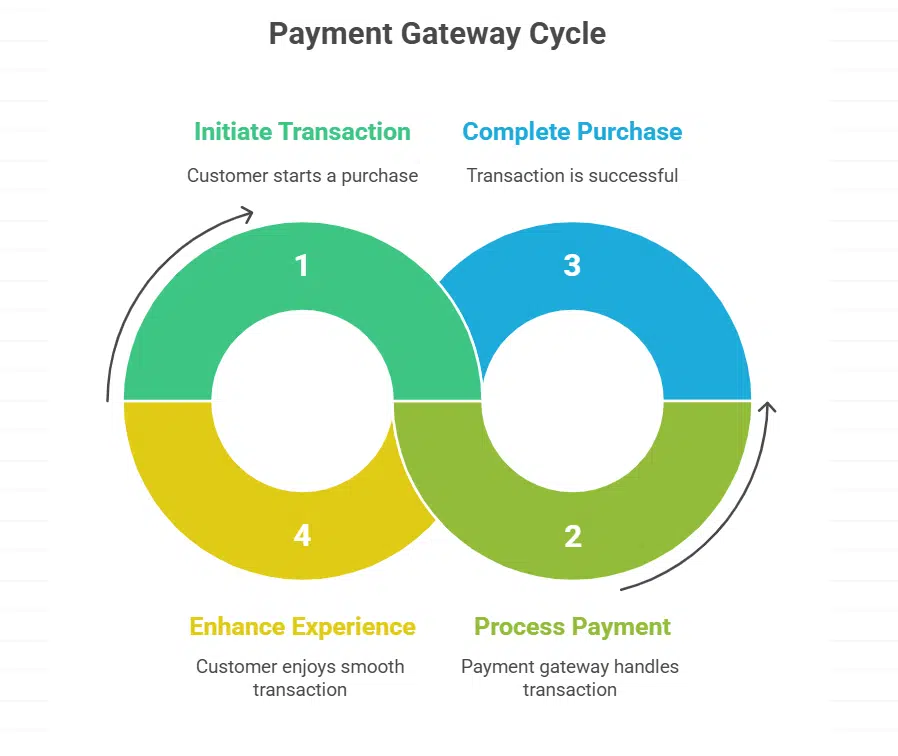
Picture your online store as a bustling market stall, where smooth card transactions keep customers coming back for more. Dive right in with tools like the Stripe API for handling credit card payments, or PayPal for quick debit transfers, and watch your.
Exploring Stripe API
Stripe API stands out as a top payment gateway API for online stores. It handles card payments, debit cards, and even Apple Pay with ease. Developers love how it supports many payment methods and currencies around the world.
Picture your e-commerce site buzzing with smooth transactions, like a well-oiled machine. You integrate it using HTTP requests and OAuth 2.0 protocols. This API links up with inventory management systems and CRM tools seamlessly.
Stripe provides strong security features and fraud detection mechanisms, keeping customer data safe. Think of it as a trusty guard dog for your business.
Business owners, you face no fixed pricing plans with Stripe; it charges transaction fees instead. This setup fits growing online stores perfectly. The API boosts user experience by handling subscriptions and invoices without a hitch.
It works great with tools like Google Analytics for tracking customer behavior. Developers use Python or PHP to connect it via API endpoints and documentation. Chargebacks drop thanks to its fraud prevention.
E-commerce folks, integrating Stripe means syncing data across third-party services, like magic. It supports headless commerce too, making your site flexible.
Understanding PayPal API
PayPal API powers global payment processing, and it packs high security right in. Imagine your online store as a bustling marketplace, folks from everywhere drop in to buy. This tool handles that rush with ease, turning tricky currency swaps into smooth sails.
It fits right into your e-commerce setup as a top payment gateway API, linking up with customer data and third-party services for quick order processing. Developers love its clear API documentation and endpoints, making integration a breeze for credit/debit cards and even Amazon Pay options.
Fraud lurks like a sneaky thief in the night, but PayPal’s Fraud Protection API spots it fast. This feature cuts unauthorized access risks, guarding your business like a loyal watchdog.
Pair it with CRM systems or inventory management for seamless data synchronization. You get currency conversion on the fly, so sales flow without borders. E-commerce pros tie it to Shopify API or WooCommerce API, boosting security across platforms.
Think of it as your shield in the payment game, keeping things safe and steady.
Utilizing Square API
Square API acts like a trusty sidekick for your online store. It handles payment processing with ease, and throws in inventory management for good measure. Imagine you’re running a busy shop, and Square jumps in to track every sale.
No more guesswork on stock. This payment gateway API integrates smoothly with your setup, pulling data from various points. Folks love how it syncs with customer data too.
Square offers a pay-as-you-go model, so you skip those pesky monthly fees. That saves you cash right from the start. The Square Inventory API keeps stock levels spot on, avoiding those awkward out-of-stock moments.
Integrate it with your ERP system or CRM for even better flow. Order processing gets a boost, linking up with third-party services. It’s all about making your e-commerce life simpler, one transaction at a time.
Key Shipping and Fulfillment APIs
Integrating Shippo API
Shippo API helps you handle shipping tasks with ease. It connects to your eCommerce platforms, like Shopify API or WooCommerce API, for smooth order processing. Imagine your inventory management system updating in real time, no more mix-ups with stock levels.
This application programming interface supports multiple carriers, so you pick the best one for each shipment. Plus, it gives real-time tracking, keeping customers happy and informed.
Shippo offers a Free Plan to start small, and a Premier Plan with scalable pricing as your business grows. You integrate it as a third-party service, cutting down on manual work. Think of it like a trusty sidekick, always ready to streamline your shipping game.
Business owners love how Shippo API ties into customer relationship management tools for better data synchronization. It works with various carriers, making sure packages move fast and cheap.
You get that real-time tracking feature, which feels like having eyes on every box. For bigger ops, the Premier Plan scales up without breaking the bank. Pair it with BigCommerce API, and watch your fulfillment speed skyrocket.
Customers rave about quick updates, turning one-time buyers into loyal fans. It’s like giving your store superpowers, handling shipments without the usual headaches.
Leveraging FedEx API
FedEx API boosts your e-commerce game with quick shipping rate calculations. If you run an online store, and customers demand fast delivery info. This application programming interface delivers real-time tracking right to your site.
It automates shipping label creation, saving you hours of manual work. Plus, it streamlines order fulfillment, like a well-oiled machine handling packages.
Integrate FedEx API with platforms like Shopify or WooCommerce for seamless api integration. Your inventory management systems sync up without a hitch. Think about it, no more guesswork on costs or delays.
This tool fits various eCommerce platforms, making shipping a breeze. Customers get updates, you get peace of mind, all through smart data synchronization.
Implementing UPS API
You know how shipping can make or break an online store, right? The UPS API steps in like a reliable sidekick. It handles shipping rate calculation, tracking, and label creation with ease.
This application programming interface supports international shipping and customs documentation, so your global orders flow smoothly. Imagine integrating it into your setup, folks often pair it with Shopify API or WooCommerce API for seamless order processing.
That means less hassle for you and happier customers waiting on their packages.
Business owners love how UPS API connects to multiple eCommerce systems, like BigCommerce API or even Amazon API for broader reach. It boosts inventory management by syncing real-time data with third-party services.
A small shop owner tells me, “It turned my chaotic warehouse into a well-oiled machine.” With api integration, you automate those tedious tasks, keeping everything on track without breaking a sweat.
Plus, it ties into customer relationship management tools, making sure every shipment aligns with your sales goals.
Managing Product Catalog and Inventory
You know, keeping tabs on your stock feels like juggling flaming torches, especially when sales spike out of nowhere. Dive right in with tools like the Shopify.
Features of Shopify API
Shopify API acts like a trusty sidekick for your online store. It handles product management with ease. You get inventory tracking that keeps stock levels spot on. Order processing flows smooth as butter.
Paid plans start at $39 per month. This setup supports data synchronization across your systems. Think of it as the glue in api integration for e-commerce. Merchants love how it ties into third-party services.
Customer data stays secure and up to date. Headless commerce shines here too, letting you build custom fronts. Api endpoints make connections quick.
The Shopify Storefront API uses GraphQL for fast data pulls. It grabs just what you need, no extra baggage. Inventory management feels like a breeze with real-time updates. Tie in tools like Mailchimp API for marketing boosts.
Order processing speeds up, cutting down errors. Api documentation guides you step by step. Application programming interface like this fits with BigCommerce API or WooCommerce API vibes.
E-commerce folks, you can sync with Amazon API for broader reach. Etsy API integrations add flair to your catalog. Payment gateway APIs, such as Stripe API, pair well for seamless checkouts.
Capabilities of WooCommerce API
WooCommerce API powers your online store with ease. This tool stands out as a free option for product handling. You get the WooCommerce Product API at no cost, perfect for small business owners.
It fits right into WordPress sites, like a hand in a glove. Imagine tweaking your shop’s look and feel without breaking a sweat. Developers love its extensive customization options.
They integrate it smoothly with third-party services for better flow.
The WooCommerce REST API shines in product management tasks. You manage inventory and orders through simple API endpoints. This setup allows data synchronization across systems, keeping everything up to date.
Think of it as the bridge connecting your store to customer relationship management tools. Integration with inventory management systems happens fast. Order processing becomes a breeze, saving you time and hassle.
Plus, it handles customer data securely, making your e-commerce life smoother.
Benefits of BigCommerce API
BigCommerce API delivers scalable solutions for product and inventory management. Shop owners love how it handles growing stock needs without a hitch, like a trusty sidekick in the e-commerce game.
It supports headless commerce, letting you build custom storefronts that feel just right. Multi-channel integration ties everything together, from online shops to physical stores. Imagine syncing your sales across platforms, smooth as butter.
This API boosts security features that keep data safe from threats. Developers use it for strong api integration with tools like customer relationship management systems. Headless commerce shines here, freeing up designs without backend worries.
Inventory management gets a real lift, tracking items in real time. E-commerce pros, you know that edge makes all the difference in a busy market.
Enhancing E-commerce with Marketing Automation
Picture your online store chatting directly with shoppers, like an old friend sharing just the right deal at the perfect moment.
Utilizing Mailchimp API
Mailchimp API boosts your e-commerce game with smart email marketing. It offers four paid plans, starting at $15 per month. These plans fit small shops and big stores alike. Picture your customer data flowing like a river into automation workflows.
You send targeted emails that hit the mark every time. Campaign analytics show what works, so you tweak and improve. This tool integrates with platforms like Shopify API and WooCommerce API.
E-commerce owners love how it syncs inventory management with customer relationship management. Imagine turning a simple order into a loyal fan, all through API integration.
Businesses use Mailchimp API for seamless data synchronization across third-party services. It handles customer data with ease, supporting automation that feels like magic. You set up workflows that nurture leads without lifting a finger.
Analytics dive deep into performance, helping you spot trends fast. Integration with BigCommerce API or other systems keeps everything in check. Think of it as your secret weapon against bland marketing.
Costs stay low, yet results soar high. E-commerce pros pair it with payment gateway APIs for a full setup.
Advantages of Klaviyo API
Klaviyo API boosts your marketing game with advanced segmentation. You split customers into groups based on their habits, like sorting apples from oranges in a fruit basket. This leads to personalized marketing that feels just right, hitting the spot for each shopper.
It integrates smoothly with popular eCommerce platforms, think Shopify API or WooCommerce API, for seamless automation. Data synchronization happens without a hitch, keeping customer data fresh and ready.
Imagine you’re running an online store and need insights fast. Klaviyo API delivers detailed analytics and reporting for marketing campaigns. Track what works, like a detective on a case, spotting trends in real time.
This tool pairs well with CRM systems, enhancing order processing and inventory management. Third-party services connect easily through API integration, making your setup feel like a well-oiled machine.
Features of Facebook Graph API
Facebook Graph API lets you access user profiles, photos, and posts with ease. Developers use this application programming interface to pull data straight from the social network. Imagine building an e-commerce site where customers log in using their Facebook accounts; that’s social login in action.
It streamlines the process, makes things quicker for users. Plus, you can set up targeted advertising that hits the right audience. Think of it like a bridge connecting your online store to a vast social world.
API integration here opens doors to better customer engagement. We all know how folks love sharing their buys on social media, right? This tool supports that flow.
The API helps manage social media marketing campaigns from start to finish. You grab insights on posts and interactions to tweak your strategies. For instance, sync customer data with your CRM system for personalized ads.
It feels like having a smart assistant handling the heavy lifting. Businesses integrate it to boost visibility, drive sales through clever promotions. Oh, and don’t forget, it works well with other third-party services for seamless operations.
E-commerce folks, this could be your secret weapon for growth.
Utilizing Instagram API
Instagram API opens doors to user data, photos, and media insights. You get tools for tracking user engagement and hashtags. It’s like a bridge connecting your online store to social buzz.
It fits right into eCommerce platforms for smooth social commerce. Think of it as your secret sauce for boosting sales through likes and shares. API integration here feels like chatting with customers in their favorite spot.
We know running a shop can be tough, but this application programming interface makes it easier. Pair it with Shopify API or WooCommerce API for real magic. Data synchronization happens fast, pulling in customer data without hassle.
Folks love scrolling Instagram, and your products can pop up there. Hashtag tracking spots trends, helping you stay ahead. User engagement features let you see what clicks with buyers.
Integrate with BigCommerce API for seamless order processing. It’s like having a direct line to shoppers’ hearts. Media insights reveal top-performing posts, guiding your next move.
Social commerce turns casual browsers into loyal customers. Throw in some inventory management, and you’re set. This setup supports third-party services, making your eCommerce life simpler.
Critical Analytics and Reporting APIs

You know how data drives smart choices in e-commerce, right, like spotting trends before they fade. Dive right into Google Analytics API for real-time visitor stats, or tap Shopify’s tools to sync sales data across your store, keeping you one step ahead in the game.
Google Analytics API Insights
Google Analytics API gives detailed reports on website traffic and user behavior. It supports data collection, analysis, and visualization. This application programming interface helps track eCommerce conversions and performance.
Imagine your online store as a busy marketplace; this API acts like a sharp-eyed shopkeeper, spotting every customer move. Developers use its API endpoints for smooth api integration with inventory management systems.
That keeps customer data in sync across platforms. You feel the relief when sales data flows without a hitch, right? Picture pulling reports that show hot products flying off virtual shelves.
It ties into tools like Google Drive for easy sharing of insights. Teams love how it boosts order processing with real-time stats. No more guessing games in your e-commerce setup. This setup aids in fraud detection too, by highlighting odd patterns in user actions.
Shopify Analytics API Overview
Shopify API gives you clear insights into sales, customers, and product performance. Picture your online store as a busy marketplace, where every sale tells a story. This tool lets you dig into those stories with ease.
It supports custom report generation and data export, so you can tailor info to fit your needs. Merchants love how it syncs customer data across platforms, much like a well-oiled machine in inventory management.
Integrate it with other Shopify services for comprehensive analytics, and watch your decisions sharpen up. Think of it as your secret weapon in the e-commerce game, pulling in details on order processing without the hassle.
Folks often pair Shopify API with tools like BigCommerce API or WooCommerce API for broader reach. It handles data synchronization smoothly, keeping everything in check. You get benefits from api integration that ties into enterprise resource planning (ERP) systems.
Imagine chatting with your data, asking for specifics on product trends. This setup boosts your grasp on customer relationship management (CRM), turning raw numbers into actionable plans.
Security stays tight with metadata handling, and it even nods to artificial intelligence for smarter forecasts. E-commerce pros use it to streamline third-party services, making sure no detail slips through the cracks.
Features of FraudLabs Pro API
FraudLabs Pro API spots fraud in real time, like a watchful guard at your store’s door. It gives scores to transactions, helping you catch bad ones fast. This tool fits with many eCommerce platforms, such as Shopify API and BigCommerce API.
Plus, it works well with various payment gateway APIs. You reduce chargebacks that hurt your wallet, and cut down on fake buys that waste time.
Imagine dodging a bullet with every order; that’s what this API does for your shop. It supports WooCommerce API too, making data synchronization smooth across systems. Merchants see fewer fraudulent transactions, keeping customer data safe.
Integration feels like a breeze, linking to inventory management systems without hassle.
Benefits of Signifyd API
Signifyd API delivers guaranteed fraud protection and chargeback recovery. You get real-time risk assessment and fraud detection right away. This tool integrates with major eCommerce platforms like Shopify API, BigCommerce API, and WooCommerce API for seamless security.
Imagine your online store as a fortress, and Signifyd as the watchful guard spotting thieves before they strike. Merchants love how it syncs with inventory management systems and order processing.
API integration here feels like a breeze, keeping customer data safe without the headaches.
Envision a sneaky fraudster trying to slip through, but Signifyd’s real-time checks stop them cold. It offers benefits that tie into headless commerce and data synchronization. You can link it with Amazon API or eBay API for broader marketplace integration.
Folks often say it’s like having a superhero sidekick for your payment gateway APIs. This setup boosts confidence, cuts losses from chargebacks, and lets you focus on sales.
Marketplace Integration Techniques
Sellers boost sales by linking stores to big platforms like Amazon and eBay through their APIs, syncing products and orders in real time. Explore these connections, and watch your business expand like wildfire across online marketplaces, pulling in more customers with seamless data flow.
Amazon API Integration
Amazon API acts as a bridge for your e-commerce store. It supports product listing, order management, and inventory updates. You get access to Amazon’s marketplace data and customer insights.
This application programming interface helps streamline multi-channel selling and fulfillment. Picture it like a busy market stall that never closes; you list items fast, manage orders without hassle, and keep stock levels in check.
Data synchronization flows smooth between your shop and Amazon. Third-party services connect easily, boosting your sales game. Inventory management becomes a breeze, no more guesswork on stock.
Customer data stays fresh, helping you understand buyers better.
Order processing speeds up with this API integration. You handle fulfillments across channels like a pro juggler. Amazon API pulls in marketplace insights, sharpening your decisions.
It’s like having a secret map to hidden treasures in sales data. System APIs link up your tools, from inventory systems to CRM platforms. Imagine chatting with a friend who knows all the shortcuts; that’s how it feels integrating this.
Multi-channel selling turns simple, with updates happening in real time. Fulfillment gets efficient, cutting down on errors and delays.
eBay API Integration
eBay API lets you connect your store to a huge marketplace. It handles product listing with ease, so you list items fast. Sellers use it for order management, keeping everything on track.
Inventory control stays simple, avoiding stockouts or overstock. This application programming interface supports api integration with tools like Shopify or WooCommerce. You sync data across platforms, making operations smooth.
Picture juggling sales without the hassle, like a well-oiled machine.
Access eBay’s marketplace data through this API, folks. It gives insights into trends and buyer habits. Analytics help you make smart choices, boosting your sales game. Tie in third-party services for inventory management and order processing.
Data synchronization keeps customer data fresh and accurate. eBay API works with various eCommerce platforms, opening doors to more buyers. Imagine expanding your reach, as if tossing a wider net in a bustling sea of shoppers.
Takeaways
We’ve covered top APIs that boost your e-commerce game, from payment gateways like Stripe API to shipping tools such as Shippo API. These options make integrations simple and quick, saving you time and money on daily tasks.
Picture your online store running smoother, with inventory management systems handling orders like a well-oiled machine. What API will you try first to streamline your setup? APIs drive real growth, cutting costs and ramping up security against threats like cross-site scripting.
Check out API documentation for Shopify API or BigCommerce API to dive deeper into custom fits. Go ahead, integrate these gems, and watch your business soar in the competitive market.
FAQs on Essential APIs For E-commerce Integrations
1. Hey, what’s the big deal with Shopify API in e-commerce setups?
Shopify API lets you connect your online store to inventory management systems, making order processing a breeze, like tying your shoes without knots. It syncs customer data across third-party services, and hey, it even plays nice with headless commerce for that smooth ride.
2. Can BigCommerce API handle my store’s inventory chaos?
BigCommerce API tackles inventory management like a pro wrestler pinning down disorder. It links up with enterprise resource planning (ERP) tools for real-time updates.
3. Why bother with WooCommerce API for my shop?
WooCommerce API opens doors to custom tweaks, integrating with payment gateway APIs such as Mollie API for quick checkouts. Picture it as the Swiss Army knife in your e-commerce toolkit, handling data synchronization without breaking a sweat. Plus, it connects to MailChimp API for those email blasts that hit home.
4. How does eBay API fit into e-commerce integrations?
eBay API pulls in listings and sales data, syncing them with your main system like old friends catching up over coffee.
5. What’s Magento API good for in big online stores?
Magento API dives deep into order processing and customer data, linking with APIs like Salesforce API for that seamless flow. It’s like the glue holding your e-commerce puzzle together, especially when mixing in Amazon API for broader reach. And don’t forget, it supports extract, transform, load processes to keep everything tidy.
6. Tell me about Etsy API and its role in handmade goods sales.
Etsy API connects your crafty shop to inventory management and third-party services, making sales as easy as pie.