The electrical industry has always evolved with the needs of the moment, but the current pace of change is testing even the most adaptable contractors. What once meant wiring homes and businesses for basic power now increasingly involves installing EV charging stations, integrating solar systems, and setting up battery storage solutions that talk to the grid. These shifts aren’t just a matter of learning a few new tricks. They’re redefining the skill sets, tools, and mindset required to thrive in the coming decade.
A Growing Demand for Renewable Expertise
The market is speaking loudly. Renewable energy projects are no longer a niche offering — they’re becoming standard parts of proposals, especially in commercial and municipal work. Solar installations require deep understanding of both the electrical systems that power buildings and the complex inverters and monitoring systems that regulate clean energy flows. EV charging is bringing its own learning curve, with contractors needing to master everything from site load assessments to integrating chargers with existing electrical panels.
This isn’t just about knowing how to connect wires; it’s about understanding how to make these systems work efficiently and safely over the long haul. Clients expect contractors to be not only competent installers but trusted advisors who can explain the benefits, limitations, and maintenance requirements of renewable technologies. Those who can bridge that technical and educational gap are carving out a strong advantage.
The Rise of Digital Tools and Electrical Service Software
As projects become more complex, the old ways of managing them start to strain. That’s where electrical service software is stepping in, offering scheduling, workflow management, and real-time communication tools that keep everyone aligned from initial bid to final inspection. In the past, contractors might have tracked jobs with clipboards and calls. Now, they’re pulling up mobile dashboards that show every crew member’s progress, updated materials lists, and even flagged issues before they snowball into costly delays.
This level of digital oversight isn’t just about efficiency — it’s about making sure crews in the field have the most accurate, up-to-date information. That can be the difference between a smooth install and a mid-project scramble. And when you’re dealing with high-stakes systems like solar arrays or EV infrastructure, getting it right the first time is critical to building client trust.
Upskilling as a Career Imperative
For electricians used to traditional wiring work, stepping into renewable-focused projects can be both exciting and daunting. Training programs, certifications, and manufacturer-led workshops are becoming a regular part of the job. Some contractors are partnering directly with solar companies to gain hands-on experience before taking on their own projects, while others are enrolling in courses that blend classroom learning with field application.
The upside is clear — those who invest in their own skills are better positioned to win higher-value contracts and diversify their client base. The downside is that staying current now requires a more consistent commitment of time and resources. But given how quickly technology is advancing, the real risk lies in standing still.
Balancing Innovation with Staying Safe
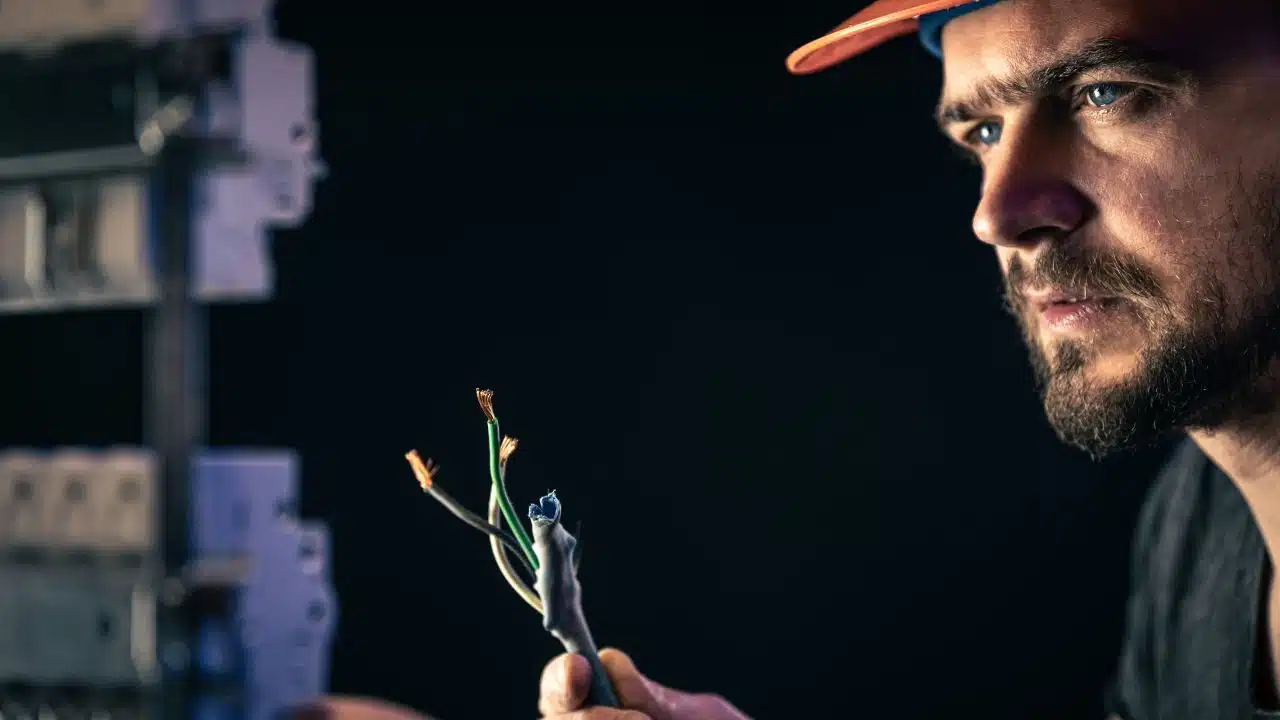
The shift to renewables brings new hazards alongside its opportunities. High-voltage battery systems, rooftop solar panels, and EV charging infrastructure all come with unique safety challenges. Staying safe isn’t just about following the usual lockout-tagout procedures or wearing PPE; it’s about understanding the specific dangers each new system introduces and updating safety protocols accordingly.
Contractors are increasingly embedding safety briefings into every project kickoff, and many are using digital platforms to log hazard checks and ensure compliance. The stakes are high — a single lapse in safety on a renewable installation can have far-reaching consequences for both the crew and the client. The most successful contractors treat safety as a constant, living part of their workflow, not a box to check at the end.
Client Education as Part of the Job
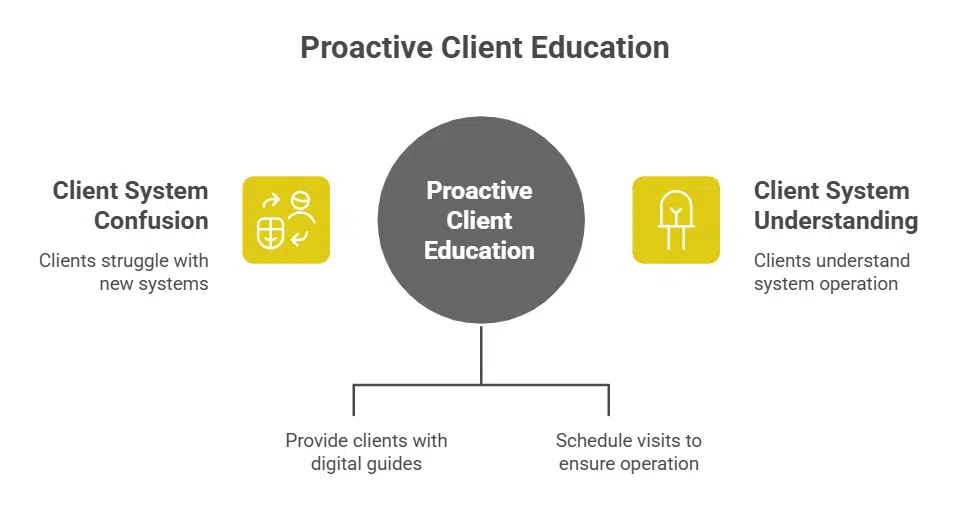
With renewable projects, the installation is only half the work. Clients often need help understanding how to use and maintain their new systems, whether that’s knowing how to monitor energy production from solar panels or how to troubleshoot an EV charger that’s gone offline. Contractors who take the time to walk clients through these processes build stronger relationships and reduce the volume of avoidable service calls.
It’s not unusual now for contractors to leave behind digital user guides or schedule follow-up visits to ensure everything is running as intended. This proactive approach is becoming part of the value proposition, helping set experienced contractors apart from the competition.
The Business Case for Adaptation
Some might see renewable demand as a headache — a push into unfamiliar territory that disrupts established workflows. But contractors who view it as an investment are already reaping rewards. Renewable projects often come with higher margins, longer-term maintenance contracts, and opportunities for cross-selling related services like energy audits or efficiency upgrades.
There’s also the reputational benefit. Being known as a forward-thinking, renewable-ready contractor can open doors to partnerships with architects, developers, and municipalities that are seeking sustainability-minded collaborators. In a competitive market, that reputation can be as valuable as any marketing budget.
Where the Industry is Headed Next
All signs point to continued growth in renewable work, driven by consumer demand, government incentives, and corporate sustainability commitments. As more buildings are designed with integrated renewable systems from the start, electrical contractors will be involved earlier in the planning process — a shift that gives them greater influence over design decisions and project outcomes.
We may also see deeper integration between electrical contracting and other trades, with more hybrid teams working on projects that blur the lines between electrical, mechanical, and IT systems. That’s going to require not just technical skills, but a willingness to collaborate in new ways.
Closing Perspective
The electrical trade is in the midst of a significant transition, one that rewards adaptability, curiosity, and a willingness to embrace tools and technologies that weren’t even on the radar a decade ago. Contractors who lean into renewable demand aren’t just expanding their service offerings — they’re securing their place in a market that’s looking ahead, not behind. The work may be changing, but for those willing to evolve with it, the opportunities are just beginning to light up.