Hong Kong’s towering skyscrapers and bustling streets showcase endless opportunity, but entrepreneurs face a growing challenge. Traditional business models encounter obstacles as consumers demand more sustainable options, and climate change pressures increase daily. Smart business owners are realizing that going green isn’t just good for the planet—it’s profitable too.
Here’s a notable fact: sustainable fashion brands like RABEANCO are making an impact in Hong Kong, creating stylish products from recycled materials and demonstrating that eco-friendly products can compete with conventional alternatives. Green businesses are finding their niche in this dense urban market, where space is premium and innovation thrives. This guide presents ten eco-friendly business ideas that are not only surviving but flourishing in Hong Kong’s competitive landscape, complete with practical insights on target markets, funding options, and strategies to build your competitive edge. Are you prepared to turn green into gold?
Overview of environmental challenges in Hong Kong
Hong Kong faces serious environmental problems that affect millions of people daily. Air pollution from traffic and industrial activities creates health risks for residents. The city generates massive amounts of waste that strain existing landfills and recycling systems.
Limited green spaces make urban heat worse during hot summers.
The city’s environmental challenges create both urgent problems and business opportunities for those ready to act.
Climate change brings more extreme weather to this dense urban area. Rising sea levels threaten coastal districts. Food waste from restaurants and households fills up landfills quickly.
Poor indoor air quality affects office workers and families. These environmental issues push businesses and consumers to seek sustainable products and greener solutions.
Rise of green entrepreneurship in the city
Green business ventures are sprouting across Hong Kong like bamboo after rain. Entrepreneurs see climate change as a business opportunity, not just a problem. Sustainable fashion brands like RABEANCO show how eco-friendly materials can create competitive advantages in retail stores.
Solar panel installations help businesses cut energy costs while reducing their carbon footprint. Waste management startups turn trash into treasure, creating jobs and profits.
Smart business owners tap into growing consumer awareness about sustainable products. The Innovation and Technology Fund (ITF) provides financial support for green startups. Crowdfunding platforms help eco-friendly businesses raise funds from environmentally conscious investors.
Urban farming projects transform rooftops into productive spaces. Zero-waste stores cater to customers who want to live zero-waste lifestyles. These ventures prove that sustainable entrepreneurship can drive Hong Kong toward a greener economy while generating solid returns for investors.
Business advantages of eco-friendly ventures in Hong Kong
Eco-friendly businesses in Hong Kong enjoy a competitive edge that traditional companies can’t match. Rising consumer demand for sustainable products creates instant market appeal.
Companies selling eco-friendly products see higher customer loyalty rates. Sustainable ventures often qualify for government incentives and tax breaks. The Innovation and Technology Fund (ITF) provides financial support for green startups.
Lower operational costs come from energy efficiency measures and waste reduction strategies. Renewable energy solutions cut electricity bills significantly. Solar panels reduce long-term expenses for business owners.
Hong Kong’s dense urban environment creates perfect conditions for sustainable business models. Recycling and waste management sectors offer significant profit opportunities due to high waste generation rates.
Organic food delivery services thrive because busy professionals want healthy options. Electric bike sharing works well in crowded city streets. Sustainable event planning enhances brand image and attracts environmentally conscious consumers.
Social media marketing becomes easier when companies have genuine environmental stories to tell. Corporate social responsibility initiatives open doors to partnerships with major corporations.
Green building consulting promotes energy efficiency and helps businesses comply with sustainability regulations.
Why Start an Eco-Friendly Business in Hong Kong?

Hong Kong’s consumers are changing their shopping habits, and they want sustainable products more than ever before. The government offers real support through programs like the Innovation and Technology Fund (ITF), which gives green startups the competitive edge they need to succeed.
Consumer trends show growing demand for sustainable products
Hong Kong shoppers are changing their buying habits fast. More people want eco-friendly products than ever before. Young families search for organic food options at grocery stores.
Office workers choose reusable water bottles over plastic ones. Fashion lovers pick sustainable fashion brands that use green materials. This shift shows people care about climate change and want to help.
Social media plays a big role in spreading green ideas. People share photos of their sustainable lifestyle choices online. They post about zero-waste shopping trips and plant-based meals.
This creates more interest in eco-friendly products. Companies see this trend and make more green options. The target audience for sustainable products keeps growing each month. Smart business owners notice this change and create products that match what people want.
Consumers today don’t just buy products, they buy the values behind them, and sustainability has become the value that matters most.
Government support with incentives for green businesses
The Hong Kong government rolls out the red carpet for green businesses through targeted financial incentives and support programs. Business owners who launch sustainable fashion brands using eco-friendly textiles receive direct government backing.
Companies developing renewable energy solutions, like solar panel installations, tap into substantial government funding streams. Recycling and waste management programs get priority treatment from local authorities.
Government initiatives specifically promote eco-friendly cleaning services that use non-toxic and biodegradable products. Composting businesses receive special support to divert food waste from overflowing landfills.
Sustainable event planning companies benefit from programs that focus on waste reduction and local business support. The Innovation and Technology Fund (ITF) provides crucial financial resources for green startups developing cutting-edge environmental solutions.
These incentives create a competitive edge for entrepreneurs who address climate change through their business models.
Opportunities in dense urban settings and cultural practices
Hong Kong’s packed streets create perfect conditions for green businesses to flourish. Dense urban living means people want convenient, eco-friendly solutions right at their doorstep.
Apartment dwellers need space-saving products like vertical gardens and energy-efficient appliances. Small business owners can tap into this demand by offering sustainable products that fit tiny living spaces.
The city’s compact design makes delivery services incredibly efficient, cutting down on carbon footprints while boosting profits.
Cultural practices in Hong Kong blend perfectly with environmental responsibility. Feng shui principles encourage harmony with nature, making green roofs and sustainable agriculture appealing to local consumers.
Many residents already practice waste reduction through traditional values of not wasting resources. This cultural foundation gives eco-friendly businesses a competitive edge when marketing to Hong Kong families.
Social media management becomes easier when your green message aligns with existing cultural beliefs about balance and respect for the environment.
10 Eco-Friendly Business Ideas Thriving in Hong Kong
Green businesses are booming in Hong Kong as consumers demand sustainable products and climate change concerns grow. These eco-friendly ventures offer competitive edge while addressing environmental challenges in the city.
- Sustainable Fashion Brands – Companies like RABEANCO focus on eco-friendly textiles and ethical production methods. Fashion brands can build loyal customers by offering sustainable products that reduce environmental impact.
- Organic Food Delivery Services – Plant-based meal delivery meets growing demand for healthy, sustainable eating options. These services reduce packaging waste while promoting better nutrition and environmental consciousness.
- Waste Management Startups – Recycling companies handle Hong Kong’s significant daily waste generation through innovative sorting and processing methods. These businesses create jobs while solving critical environmental problems.
- Solar Panel Installation Services – Energy sector companies install solar systems to reduce electricity costs and carbon emissions. Homeowners and businesses save money while supporting renewable energy adoption.
- Eco-Friendly Packaging Production – Manufacturers create biodegradable and recyclable packaging solutions for local businesses. This industry addresses the urgent need for sustainable alternatives to plastic packaging.
- Electric Vehicle Sharing – Car and bike sharing services reduce traffic congestion while promoting clean transportation. These platforms offer convenient mobility options without the environmental cost of private vehicle ownership.
- Urban Farming Operations – Community gardens and vertical farms produce fresh food in dense city spaces. These ventures reduce food transportation costs while providing healthy produce to local communities.
- Green Cleaning Services – Companies use non-toxic and biodegradable products for residential and commercial cleaning. This growing market serves health-conscious customers who want safe, effective cleaning solutions.
- Composting Initiatives – Services divert food waste from landfills and create nutrient-rich soil for gardens. These programs help restaurants and households reduce waste while supporting local agriculture.
- Sustainable Event Planning – Planners focus on waste reduction and local materials for corporate and private events. This industry adopts green practices while creating memorable experiences for clients.
Sustainable Fashion Brands and Green Retail Outlets
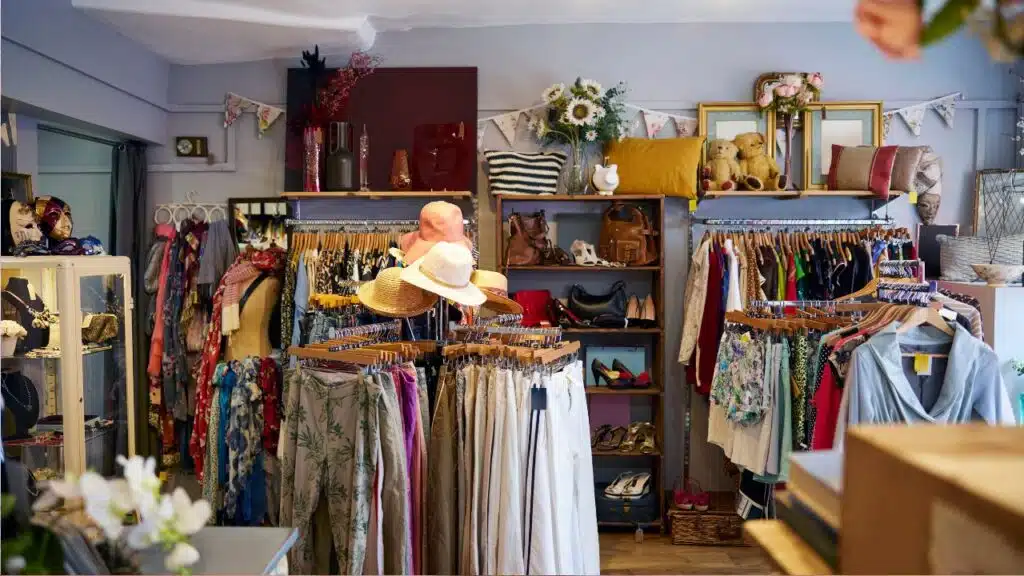
Hong Kong’s fashion scene is getting a major makeover. Sustainable fashion brands are popping up like mushrooms after rain. These companies create clothes using eco-friendly textiles and ethical production methods.
RABEANCO leads the pack with bags made from recycled materials. Their products prove that style and sustainability can go hand in hand. Local designers are ditching fast fashion for slow, thoughtful clothing that lasts years, not months.
Green retail outlets are changing how people shop in this busy city. These stores sell locally sourced gifts, handmade crafts, and eco-friendly products. Customers love supporting small business ideas that care about climate change.
Shop owners use social media management to reach environmentally conscious buyers. Many stores offer competitive edge pricing strategies that make sustainable products affordable. The entrepreneurial spirit runs strong as more retailers choose green over greed, creating a shopping experience that feels good inside and out.
Organic and Plant-Based Food Delivery Services
Plant-based food delivery services are booming in Hong Kong’s crowded streets. Busy professionals want healthy meals delivered to their doors. These services offer fresh vegetables, meat alternatives, and organic ingredients.
Customers love the convenience of ordering through mobile apps. Many people care about climate change and choose sustainable products. Food delivery companies now focus on eco-friendly packaging and local sourcing.
Small business ideas in this space include meal prep services, juice cleanses, and vegan comfort food. Entrepreneurs can start with low overheads by cooking from home kitchens. Social media management helps these businesses reach health-conscious consumers.
Market research shows growing demand for plant-based options. The internet makes it easy to connect with customers who want to live zero waste lifestyles. These food services give businesses a competitive edge in Hong Kong’s busy food market.
Waste Management and Recycling Startups
Hong Kong generates significant daily waste, creating massive opportunities for recycling startups. Smart entrepreneurs tap into this goldmine by launching waste management companies that turn trash into treasure.
Composting initiatives divert food waste from landfills while creating nutrient-rich soil amendments for urban gardens. These sustainable products meet growing consumer demand for eco-friendly solutions.
Recycling programs provide profit-making opportunities while tackling the city’s environmental concerns head-on.
Biodegradable packaging solutions fly off shelves as businesses seek alternatives to plastic. Startups focus on collecting, sorting, and processing materials that would otherwise clog landfills.
Digital marketing helps these companies reach environmentally conscious consumers through social media management and targeted campaigns. The innovation and technology fund supports green ventures with financial backing.
Small business ideas in recycling often start with simple collection services, then expand into processing facilities that serve the broader community.
Installation of Solar Panels and Green Energy Consulting
Solar panel installations are gaining serious traction in Hong Kong. Businesses are jumping on this trend to slash their energy costs while supporting eco-friendly goals. Energy consulting services are popping up everywhere, offering smart renewable energy solutions to companies ready to make the switch.
This growing demand shows that Hong Kong residents and business owners are getting serious about sustainability.
Solar energy brings real economic benefits that smart entrepreneurs can’t ignore. Companies that install solar panels see their carbon emissions drop significantly, which helps them build a competitive edge in today’s green marketplace.
Energy consultants are making good money by helping businesses navigate the shift to renewable power sources. The solar panel business is part of a bigger movement toward sustainable products and services that Hong Kong consumers actively seek out.
Production of Eco-Friendly Packaging and Reusable Products
Hong Kong businesses face growing demand for biodegradable and recyclable packaging materials. Consumers want sustainable products that reduce waste and protect the environment. Companies now adopt eco-friendly packaging to meet these preferences and gain a competitive edge.
This shift reflects a broader industry movement for sustainability across the city.
Green gift shops highlight the popularity of sustainable packaging for presents and special occasions. Event planners use eco-friendly materials to minimize waste at corporate gatherings and celebrations.
Innovative entrepreneurs create reusable containers, bamboo utensils, and compostable wrapping solutions. These sustainable products help businesses reduce their environmental impact while attracting environmentally conscious customers who value responsible consumption practices.
Electric Bike and Car Sharing Services
Electric bike and car sharing services are making waves in Hong Kong’s crowded streets. These innovative transportation options tackle two major problems at once: reducing carbon emissions and cutting down traffic congestion.
Residents can now grab an electric bike for short trips or book a shared car for longer journeys, all while helping the environment. The convenience factor is huge too, since people don’t need to worry about parking, maintenance, or hefty purchase costs.
Car sharing services minimize the need for individual car ownership, which directly reduces pollution and waste across the city. Electric vehicles in these fleets support Hong Kong’s transition to renewable energy sources.
Shared mobility options encourage eco-friendly commuting practices among busy professionals and families alike. These solutions provide convenient alternatives for environmentally conscious travel choices, making green transportation accessible to everyone.
The integration of electric vehicles creates a powerful competitive edge for companies entering this growing market.
Development of Urban Farming and Community Gardens

Hong Kong’s concrete jungle transforms into green oases through urban farming and community gardens. These sustainable initiatives tackle food security while reducing the city’s carbon footprint.
Local residents grow fresh vegetables on rooftops, balconies, and converted spaces throughout the metropolis. Community gardens create social hubs where neighbors connect over shared gardening experiences.
These green spaces provide habitats for local wildlife, supporting biodiversity in dense urban areas.
Urban agriculture offers promising small business ideas for entrepreneurs seeking eco-friendly ventures. Farmers sell fresh produce directly to restaurants and markets, cutting transportation costs and emissions.
These projects serve as educational platforms where people learn sustainable gardening practices. Community engagement flourishes as residents work together on shared plots. The local economy benefits from job opportunities and fresh food production right in the city’s heart.
Energy-Efficient Interior Design and Green Office Services
Energy-efficient interior design transforms workspaces through sustainable materials and smart technologies. Companies reduce energy consumption while creating healthier environments for employees.
Solar panels and renewable energy sources power these modern offices. Sustainable materials like bamboo flooring and recycled furniture replace traditional options. Air conditioning systems work more efficiently with proper insulation and smart controls.
Green building consulting helps businesses integrate these eco-friendly technologies seamlessly.
Eco-friendly cleaning services complete the green office transformation. Non-toxic, biodegradable products replace harsh chemicals that harm both people and the planet. Office workers breathe cleaner air and feel more productive in these spaces.
Hong Kong businesses adopt these sustainable practices to meet growing consumer demands for environmental responsibility. Artificial lighting systems use LED technology to cut electricity costs dramatically.
Companies gain a competitive edge by showcasing their commitment to climate change solutions.
Zero-Waste and Bulk Store Ventures
Zero-waste and bulk stores align with the rising trend of sustainable consumer behavior in Hong Kong. These stores support eco-friendly practices by reducing packaging waste and promoting reusable containers.
Customers bring their own jars, bags, and bottles to fill with products. This approach cuts down on single-use plastics that harm our environment. Bulk purchasing options minimize packaging materials that usually end up in landfills.
Such ventures often collaborate with local producers to offer sustainable and ethically sourced products. Store owners work with Hong Kong farmers and suppliers who share their green values.
There is an increasing demand for bulk purchasing options among eco-conscious shoppers. Bulk stores contribute to community awareness about waste reduction and responsible consumption.
They provide an alternative shopping experience that emphasizes environmental sustainability and zero-waste living. Smart business owners use social media management to educate customers about sustainable products and climate change impacts.
Eco-Conscious Event Planning and Eco-Tourism Ventures
Event planning companies in Hong Kong are embracing green practices that reduce waste and use sustainable materials. These eco-friendly services help local businesses connect with their communities while protecting the environment.
Planners focus on sourcing materials locally, cutting down on transportation costs and carbon emissions. They choose venues that support renewable energy solutions and offer composting programs for food waste.
Eco-tourism ventures are growing fast as travelers seek meaningful experiences that don’t harm nature. Tour operators create packages that showcase Hong Kong’s natural beauty while educating visitors about climate change and conservation.
These businesses partner with nonprofits to support local environmental projects and create jobs for residents. Smart marketing strategies on social media help these companies reach subscribers who care about sustainable products and want to live zero waste lifestyles.
Key Success Factors for Green Businesses in Hong Kong
Green businesses in Hong Kong need smart strategies to win over customers and build lasting success. Smart entrepreneurs focus on understanding what Hong Kong people want, use technology to create better products, and team up with other eco-friendly companies to grow faster.
Market demand insights for green products
Hong Kong consumers show strong appetite for sustainable products across multiple sectors. Sustainable fashion gains serious momentum as shoppers seek ethical clothing options. Solar panel installations surge among homeowners and businesses looking to cut energy costs.
Eco-friendly cleaning services attract families who want non-toxic solutions for their homes. This shift reflects deeper awareness about climate change and personal health impacts.
Waste management creates massive opportunities in Hong Kong’s dense urban environment. High waste generation drives demand for recycling programs and composting initiatives. Event planners adapt their services to meet eco-conscious preferences, focusing on waste reduction and local sourcing.
Pet sitting services incorporate sustainable practices to appeal to environmentally aware pet owners. Smart marketers recognize these trends and position their eco-friendly products to capture this growing market segment.
Building a reputation as a trusted eco-brand
Building a reputation as a trusted eco-brand requires consistent action and transparent communication. Hong Kong consumers research brands carefully before making purchases. They want to see real environmental impact, not just marketing claims.
Companies must showcase their sustainable products through social media management and authentic storytelling. Smart businesses use affiliate marketing to partner with environmental influencers who share their values.
This strategy builds credibility while expanding reach to eco-conscious customers.
Trust grows through proven results and community engagement. Successful eco-brands in Hong Kong utilize eco-friendly textiles and recycled materials to enhance product authenticity.
They implement effective recycling and waste management programs that contribute positively to local communities. These companies promote composting initiatives and offer renewable energy solutions to position themselves as sustainability leaders.
Strategic management involves creating a competitive edge through innovation and technology fund (ITF) support. Brands that focus on sustainable event planning while emphasizing waste reduction build stronger community connections and lasting customer loyalty.
Use of technology in eco-friendly innovations
Technology powers Hong Kong’s green business revolution. Sustainable fashion brands use advanced textile technology to create eco-friendly products from recycled materials. Solar panel installation companies harness renewable energy through cutting-edge systems.
Waste management startups employ smart sorting technology to process materials efficiently. These innovations give businesses a competitive edge in the growing market for sustainable products.
Eco-friendly cleaning services develop non-toxic products using modern technology. Composting initiatives optimize decomposition through automated systems that enhance soil quality.
Green building consulting services integrate energy-efficient technologies into construction projects. Artificial intelligence helps companies track their environmental impact and reduce costs.
Smart technology makes it easier for small business ideas to compete with larger companies while protecting the environment.
Partnerships with other green firms and NGOs
Partnerships with other green firms and NGOs create powerful networks for sustainable businesses in Hong Kong. These connections help companies share resources, knowledge, and customer bases.
Local environmental groups often provide valuable insights into community needs and preferences. Green businesses can collaborate on joint marketing campaigns, reducing costs while reaching wider audiences.
NGOs frequently offer credibility and trust that new eco-friendly companies need to establish their reputation.
Smart partnerships also open doors to funding opportunities and government grants. The Innovation and Technology Fund (ITF) often favors projects that show collaboration between private companies and non-profit organizations.
Environmental groups can help businesses develop better sustainability practices and avoid common mistakes. Joint ventures between green firms create competitive advantages through shared expertise and reduced operational costs.
These alliances strengthen Hong Kong’s entire sustainable business ecosystem, making it easier for all participants to thrive in the growing market for eco-friendly products.
Integration of cultural practices for sustainability
Hong Kong’s rich cultural traditions offer powerful tools for building sustainable businesses. Local festivals like the Mid-Autumn Festival emphasize family gatherings and sharing, which smart entrepreneurs can adapt into community-focused eco-friendly products and services.
Traditional Chinese medicine principles, including the five elements philosophy, guide many residents toward natural and organic solutions. This cultural foundation creates perfect opportunities for sustainable fashion brands and businesses selling eco-friendly products that honor these deep-rooted values.
Smart business owners tap into Hong Kong’s “waste not, want not” mentality that stems from the city’s history of resourcefulness. Many families still practice traditional food preservation methods and value products that last longer.
Green businesses can build their competitive edge by connecting modern sustainability with these time-tested cultural practices. Companies that respect local customs while promoting climate change solutions often see stronger customer loyalty and word-of-mouth marketing through tight-knit community networks.
Overcoming Challenges for Green Businesses
Starting a green business in Hong Kong comes with real hurdles that can make or break your venture. High rents eat into profits, while finding reliable suppliers for eco-friendly materials often feels like searching for a needle in a haystack.
Dealing with high rents and sourcing of green materials
High rents in Hong Kong challenge green businesses looking for sustainable locations. Property costs eat into profits, making it harder for eco-friendly startups to compete. Smart entrepreneurs find creative solutions, like sharing spaces with other green companies or operating online to reduce overhead.
Some sustainable fashion brands like RABEANCO prove that demand for green materials exists despite these rental pressures. Location flexibility becomes crucial for small business ideas focused on sustainability.
Sourcing eco-friendly materials presents another hurdle due to limited availability and higher costs. Green businesses often pay premium prices for sustainable products compared to traditional alternatives.
Supply chains for eco-friendly products remain less developed in Hong Kong, forcing companies to import materials at extra expense. Solar panel installations and other renewable energy solutions face similar cost pressures that affect business decisions.
Building strong supplier relationships and bulk purchasing help reduce material costs over time.
Engaging and educating the urban population
Hong Kong’s dense urban environment creates both challenges and opportunities for green businesses. Many residents live in small apartments with limited space for sustainable practices.
Companies must find creative ways to reach people where they live and work. Social media management becomes crucial for spreading awareness about eco-friendly products and services.
Brands like RABEANCO have successfully promoted sustainable fashion by educating consumers about eco-friendly textiles through digital platforms. Green businesses can partner with local community centers, schools, and office buildings to host workshops and demonstrations.
Education plays a vital role in changing consumer behavior across the city. Eco-friendly cleaning services focus on teaching residents about non-toxic, biodegradable products that protect both health and environment.
Solar panel companies organize seminars to show how installations reduce energy costs while cutting carbon footprints. Composting initiatives help people understand how diverting food waste from landfills improves soil health.
These educational efforts create lasting change by showing practical benefits rather than just environmental theory. Smart marketing strategies combine online courses with hands-on experiences to build trust and drive adoption of sustainable products throughout Hong Kong’s urban landscape.
Exploring funding and support for sustainable startups
Green startups in Hong Kong face real challenges when searching for money. Traditional banks often hesitate to fund new eco-businesses. Microlending platforms offer smaller amounts that help entrepreneurs get started.
The Innovation and Technology Fund (ITF) provides grants for companies developing sustainable solutions. Angel investors increasingly focus on climate change businesses that show strong potential returns.
Crowdfunding sites like Indiegogo connect green entrepreneurs directly with supporters. Many sustainable fashion brands use these platforms to launch their first collections. Government programs offer low-interest loans for businesses that meet environmental standards.
Social media strategists help eco-companies build online presence to attract investors. Smart founders combine multiple funding sources, mixing grants with private investments to build their competitive edge.
Conclusion: The Future Is Green in Hong Kong
Hong Kong stands at the crossroads of environmental transformation, where green businesses create jobs and tackle climate change head-on. Smart entrepreneurs who start eco-friendly ventures today will ride the wave of consumer demand for sustainable products, while building a competitive edge in Asia’s financial hub.
Summary of the benefits and potential of eco-friendly businesses
Green businesses in Hong Kong create a competitive edge while addressing climate change concerns. Sustainable fashion using recycled materials enhances resource efficiency and appeals to eco-conscious consumers who want environmentally responsible choices.
Solar panel installations lower energy costs and reduce carbon footprints, attracting both residential and commercial clients seeking long-term savings. These ventures capitalize on growing market demand for sustainable products, giving entrepreneurs a strong motive to enter this thriving sector.
Effective recycling programs help mitigate waste issues while offering revenue opportunities for businesses engaged in sustainable practices. Eco-friendly cleaning services promote healthier living spaces and meet the demand for non-toxic products in dense urban areas.
Composting initiatives reduce landfill waste and create valuable soil amendments, promoting a circular economy that benefits everyone. Sustainable event planning fosters community support and aligns with consumer preferences for environmentally responsible practices, creating multiple income streams for smart business owners.
Motivation for joining Hong Kong’s green movement
Hong Kong faces serious environmental challenges that demand immediate action. Air pollution chokes the city daily, while mountains of waste pile up faster than recycling programs can handle.
Climate change threatens the region’s future prosperity and quality of life. Smart entrepreneurs see these problems as golden opportunities to build profitable businesses while making a real difference.
The fashion industry transitions to eco-friendly textiles and ethical production, driven by consumer demand for sustainable products. This shift creates massive market potential for companies that prioritize environmental responsibility.
Joining Hong Kong’s green movement offers compelling business advantages beyond just doing good. Government incentives through programs like the Innovation and Technology Fund (ITF) provide financial support for sustainable startups.
Rising installation of solar panels shows residents want to reduce energy costs and carbon footprints, creating demand for renewable energy services. Composting initiatives demonstrate collective efforts to reduce food waste and improve environmental health.
Eco-conscious event planning practices reveal trends toward supporting local businesses and minimizing waste, appealing to sustainability-minded consumers. These market forces create a competitive edge for businesses that embrace environmental solutions while building customer loyalty through authentic commitment to the planet.
Resources for prospective green entrepreneurs
Hong Kong offers strong support systems for green entrepreneurs ready to launch sustainable ventures. The Innovation and Technology Fund (ITF) provides financial backing for eco-friendly startups focused on research and development.
Business registration processes have become streamlined, making it easier to establish companies that prioritize sustainably produced goods. Local incubators specialize in supporting entrepreneurs who develop eco-friendly products and services.
Green business networks connect new entrepreneurs with experienced mentors who understand the competitive edge needed in sustainable markets. Trade associations offer guidance on sourcing eco-friendly materials and developing effective marketing strategies.
Online platforms provide access to affiliate links and partnerships that help reduce startup costs. Government websites list grants specifically designed for companies addressing climate change through innovative solutions.
FAQs
1. What eco-friendly products sell best in Hong Kong?
Sustainable fashion and zero-waste items are hot sellers right now. Small business ideas like reusable containers, bamboo products, and organic skincare fly off the shelves because people want to fight climate change.
2. How much does business registration cost for green startups?
Most green businesses pay a flat rate of around HK$1,720 for basic registration. The Innovation and Technology Fund (ITF) sometimes helps cover startup costs, giving your sustainable products a competitive edge in the market.
3. Can pet sitting be an eco-friendly business?
Absolutely, and it’s genius when you think about it. You’re helping pets stay happy without adding to Hong Kong’s carbon footprint. Plus, you can offer services like dog walking using public transport, which beats driving around town.
4. What marketing strategy works for sustainable fashion brands?
Social media management is your best friend here, no question about it. Show behind-the-scenes content of your eco-friendly process, and watch customers connect with your story. Your unique selling proposition should scream sustainability from every post.
5. Do green businesses need inventory like Amazon sellers?
Not always, and that’s the beauty of it. Services like graphic design or web development need zero physical inventory, keeping your cost of goods sold super low. Even product-based green businesses can start small, testing the waters before diving deep into Hong Kong’s gross domestic product pool.