

Many homes leak heat through cracks in walls and roofs. This drives up energy use and hurts indoor air quality. A blower door test can show where your building envelope lets warmth escape.
People built over 60,000 Passive House homes by 2016.
You will learn 10 DIY upgrades that add insulation, seal leaks, and install a heat recovery ventilator. These fixes can reduce heat loss, boost energy savings, and raise comfort. Read on.
Key Takeaways
- By 2016, builders made over 60,000 Passive House homes. A blower-door test spots leaks in walls and roofs. A pro energy audit costs about $400, and a DIY check at Energy.gov is free. Fixing drafts can save 5–30% on energy use.
- Add attic insulation like blown-in wool or cellulose and fill wall and floor cavities with rigid foam or sheep’s wool. Proper attic insulation can cut energy bills by 10–50%.
- Seal air leaks with paintable caulk around windows and doors. Use spray foam for gaps in exterior trim. Run a door-fan airtightness test to find and plug leaks. A tight seal locks in heat like a jar lid.
- Swap drafty windows for double-pane or triple-pane units. Dual-pane glass cuts heat loss by up to 20%. Use high-SHGC glass on south walls, add fixed overhangs, and hang thermal curtains to block cold drafts.
- Install a heat recovery ventilator (HRV) to swap stale air and recover up to 80% of indoor heat. Fit low-flow faucet aerators and showerheads to cut water use by 50% and trim hot water energy.
Conduct an Energy Audit
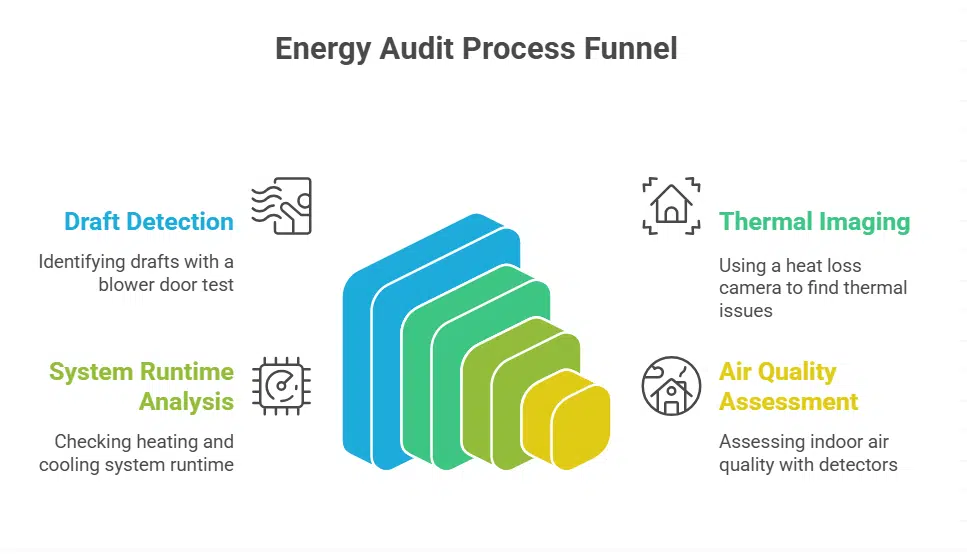
Grab a clipboard and a flashlight. This step cuts heat loss and boosts energy savings.
- Compare audit options. Order a pro energy audit for about $400 or snag a free DIY check at Energy.gov.
- Locate sneaky drafts with a blower door test, map gaps around windows, doors, vents.
- Sweep walls and ceilings with a heat loss camera to expose thermal bridging and thin insulation.
- Track furnace and heat pump runtime, check if any heating and cooling system runs too long.
- Check indoor air quality with a CO2 meter or gas detector, spot stale air or moisture buildup.
- Tally your data to project 5 to 30 percent energy savings from draft repairs.
Improve Insulation
Insulating fill boosts your thermal envelope and cuts heat flow. Next, use a blower gauge and foam sealant to plug gaps.
Add insulation to the attic
Assess leaks with a blower door test in the attic space. It pinpoints spots where cold air sneaks in and heat loss occurs. Then pick a DIY material like blown-in wool or cellulose insulation.
This step shrinks thermal bridges across joists. It tightens your thermal envelope and boosts energy efficiency. Proper attic insulation can cut energy bills by 10 to 50 percent.
A thicker barrier controls heat transfer and prevents ice dams. It also balances temperatures to ease load on heating and cooling systems and cut energy consumption. You will enjoy more stable room temps without cranking the air conditioning or electric resistance heater.
This upgrade supports passive house goals and enhances indoor air quality.
Insulate walls and floors
Install thick insulation in wall cavities. You can use cellulose insulation, sheep’s wool or rigid foam. Builders double the code minimum to cut heat loss. A blower door test spots drafts in the building envelope.
Cover floor joists with fiberglass batts or spray foam. You boost energy efficiency and indoor air quality. These steps help homes move toward passive house or net zero energy goals.
The upgrade offers real energy savings.
Seal Air Leaks
Run an airtightness test with a door fan to spot leaks in your house shell. Plug gaps around frames with silicone and expanding foam, then feel the warmth stay inside and enjoy fresher indoor air.
Caulk around windows and doors
Seal gaps and cracks around interior windows and doors with paintable caulk for a clean finish. A caulk gun helps you lay neat beads, even in narrow frame seams. You cut heat loss, boost energy efficiency, and improve indoor air quality.
A tight seal improves airtightness and thermal efficiency in your building envelope. It locks air tight as a jar lid. Pros use a blower door test fan to find leaks, then they seal each crack with caulk.
This upgrade delivers clear energy savings. You trim heating bills, you raise passive house compliance, you boost home comfort. Folks spot drafts by holding a candle near sill lines.
Then they squeeze sealant into gaps, smooth it with a wet finger, and paint over it for a tidy look. The home stays toasty, the comfort zone expands.
Use spray foam for exterior trim gaps
Spray foam fills gaps around exterior window and door trim. It blocks drafts and cuts heat loss in walls. Contractors use it to seal the building envelope, boosting energy efficiency and indoor air quality in passive houses.
Fill each gap, then watch the foam expand to seal tight.
Let the foam cure, then shave off excess with a knife. A neat trim can pass a blower door test, and it costs just a few dollars. This trick pushes your DIY upgrade closer to net-zero energy goals.
Upgrade Windows and Glazing
Swap drafty panes for insulated glass units with a low solar heat gain coefficient to slash heat loss. Read on to explore more tweaks that can boost comfort and trim bills.
Install double or triple-pane windows
Dual-pane windows cut heat loss by up to 20%. Three-pane models raise energy efficiency even more. They add insulated frames and insulating spacers to tighten the house shell. Homeowners see real energy savings.
It lifts indoor air quality, helps you pass a blower door test, and meets passive house standards.
High solar heat gain coefficient glass fits south-facing units. Overhangs block summer sun, but they let in winter rays. That balance boosts passive solar heating without extra cooling.
Your space heating and cooling bills drop fast.
Add thermal curtains or shades
Thermal curtains trap heat near windows, cutting heat loss by up to 20% in winter. They bolt onto existing rods, and they pair well with high-performance glazing. These heavy drapes block drafts and boost indoor air quality by limiting cold air infiltration.
Energy-conscious homeowners install them to pad the building envelope without pricey retrofits.
Hang thick shades with a tight seal around the frame to stop air leaks. Measure twice and cut once for a snug fit. Install magnetic strips or Velcro tape for a draft-free edge. You lower energy bills and support passive solar design with each drawn shade.
They work alongside double-pane windows to deliver real savings.
Install Energy-Efficient Ventilation
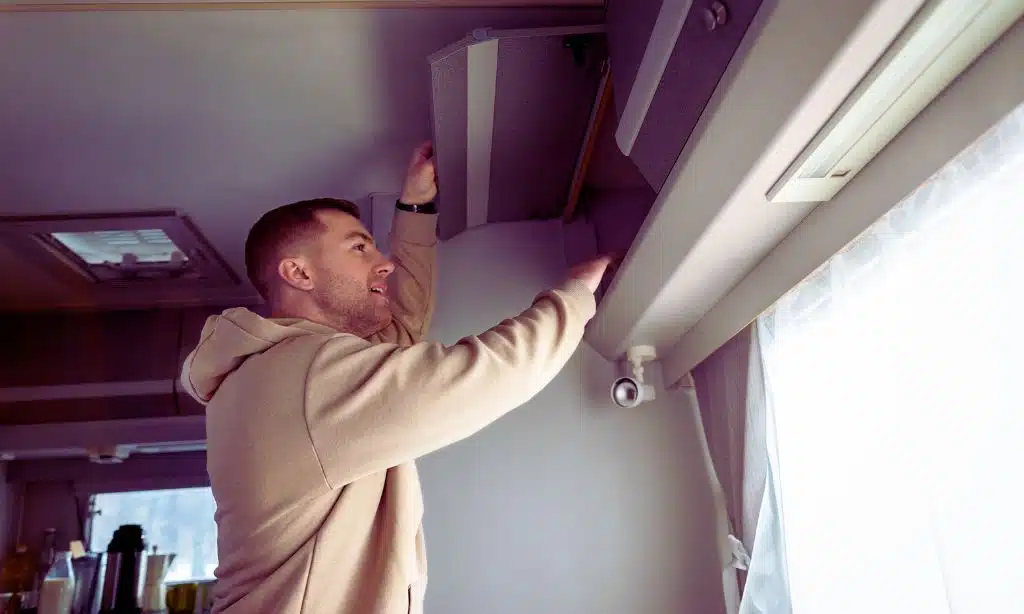
Learn how a smart heat exchanger revives stale air. Then pair it with an energy recovery ventilator and skip the draft.
Add a heat recovery ventilation (HRV) system
A heat recovery ventilation unit swaps stale indoor air with fresh outdoor air. It recovers up to 80% of the heat and cuts heat loss through the building envelope. It boosts energy efficiency and drives energy savings in winter.
Installers use a blower door test to size your ventilation system. They fit it to your air handler then seal all gaps in ductwork. You gain better indoor air quality and meet passive house or LEED certification goals.
Optimize Shading and Orientation
Place south-facing windows with high SHGC glass to boost winter solar gain. Homeowners chasing passive house standards add fixed overhangs above glass to block summer sun.
This setup slashes cooling needs and raises energy efficiency. Tilt the roof and walls to catch low winter light and deflect high summer rays. You slash heating bills, cut heat loss and keep rooms bright with natural light.
Replace with Low-VOC Materials
Choose paints labeled VOC free for your walls. Open windows, roll on a few coats, and let your rooms breathe. These options cost about the same as conventional paints. Health improves fast when you cut down on volatile compounds.
That change pairs well with a blower door test and solid building envelope work.
Swap out old caulk and adhesives for low VOC sealants. You need a sturdy caulk gun and mild cleanser for prep. This swap boosts your indoor air quality instantly. It also tightens the building envelope, shaving heat loss.
Green building standards love that energy efficiency win. This choice earns points in Passive House and LEED programs.
Install Low-Flow Water Fixtures
Faucet aerators reduce water consumption by up to 50%, and they cost just a few dollars each. A simple wrench tightens them in minutes. You do not need a plumber, but a certified installer can help measure flow rate with a meter.
This hack boosts water savings and supports sustainable building goals.
Swap your showerhead with a low-flow model rated at 2.5 gallons per minute or lower. This upgrade cuts water use by over 50% and trims hot water needs, boosting energy efficiency and energy savings in any passive house design.
Takeaways
Making your home more Passive House-compliant may sound like a major undertaking, but as you’ve seen, there are plenty of practical, budget-friendly DIY upgrades that can make a real difference. From sealing air leaks and installing high-performance insulation to optimizing natural light and upgrading to energy-efficient windows and appliances, each step brings you closer to a healthier, more efficient, and environmentally friendly home.
The beauty of Passive House principles lies in their focus on long-term comfort, performance, and sustainability. By implementing even a few of these strategies, you’re not only lowering your energy bills but also reducing your carbon footprint and creating a space that supports your well-being all year round.
Whether you’re a homeowner looking to reduce heating and cooling costs, a renter aiming to improve indoor air quality, or a green building enthusiast taking the first step toward full certification, these upgrades are a smart investment in your future. Passive design is not just about building from scratch—it’s about rethinking how your home uses energy, and taking meaningful, incremental steps toward better living. Remember: every layer of insulation, every sealed draft, and every watt saved brings your home one step closer to Passive House performance. Start small, stay consistent, and watch your home transform into a more comfortable, cost-effective, and sustainable sanctuary.
FAQs on DIY Upgrades for a Passive House-Compliant Home
1. What is the shell in a passive house?
The shell is the outer parts of your home: walls, roof, doors, windows. It acts like a flask that holds heat inside. You add foam insulation in walls and roof to stop heat loss and boost energy savings.
2. How do double pane windows cut heat loss?
Double pane windows have two glass layers with a sealed gap in between. They keep warm air in and cold air out. This helps you avoid throwing money out the window on your heating bill.
3. What is the air test and how can it help my home?
The air test uses a fan at the front door to find gaps in the shell. It shows where air leaks hide. Fixing leaks with caulk or weatherstripping can improve energy efficiency fast.
4. How can a ventilation system boost indoor air quality?
A good ventilation system brings fresh air in, it sends stale air out. It works like a set of lungs for your house. This keeps the indoor environment healthy, and it boosts sustainability.
5. Can showerhead swaps save energy?
Yes, swapping to a low-flow showerhead cuts water use. That means less hot water needed, and lower energy costs. It is a simple DIY upgrade, with big payoff.
6. What clean power options help my home reach no carbon and add resilience?
You can add solar panels or a small wind turbine on your roof. These clean power sources cut your reliance on oil or gas. They boost your home’s resilience in storms and save you money over time.































