Denmark has announced a major step to protect children’s mental health by banning social media use for anyone under the age of 15, with some parental exceptions starting at age 13. This policy aims to minimize exposure to harmful online content while responding to growing concerns about the negative impact of social media on youth well-being. Below is a detailed exploration of this landmark decision, its background, rationale, potential impacts, and how it fits into broader social and regulatory contexts.
Introduction: Denmark’s Social Media Ban for Under 15s
Denmark’s government has agreed to ban social media access for children under 15 years old, a move prompted by increasing evidence linking heavy social media use with mental health issues among youth. This applies to popular platforms such as Snapchat, YouTube, Instagram, and TikTok—services widely used by Danish children. Parents will retain the right to grant access for their children aged 13 and 14 after careful evaluation.
This initiative follows calls from Denmark’s Prime Minister Mette Frederiksen and the Ministry of Digitalisation, emphasizing the need to safeguard childhood from the “time stealing” and “well-being” threats posed by social media. The ban is among the strictest in Europe and reflects growing global concern about social media’s role in youth anxiety, depression, and exposure to harmful content. It highlights Denmark’s leadership in digital child protection and regulatory innovation.
Background and Need for the Ban
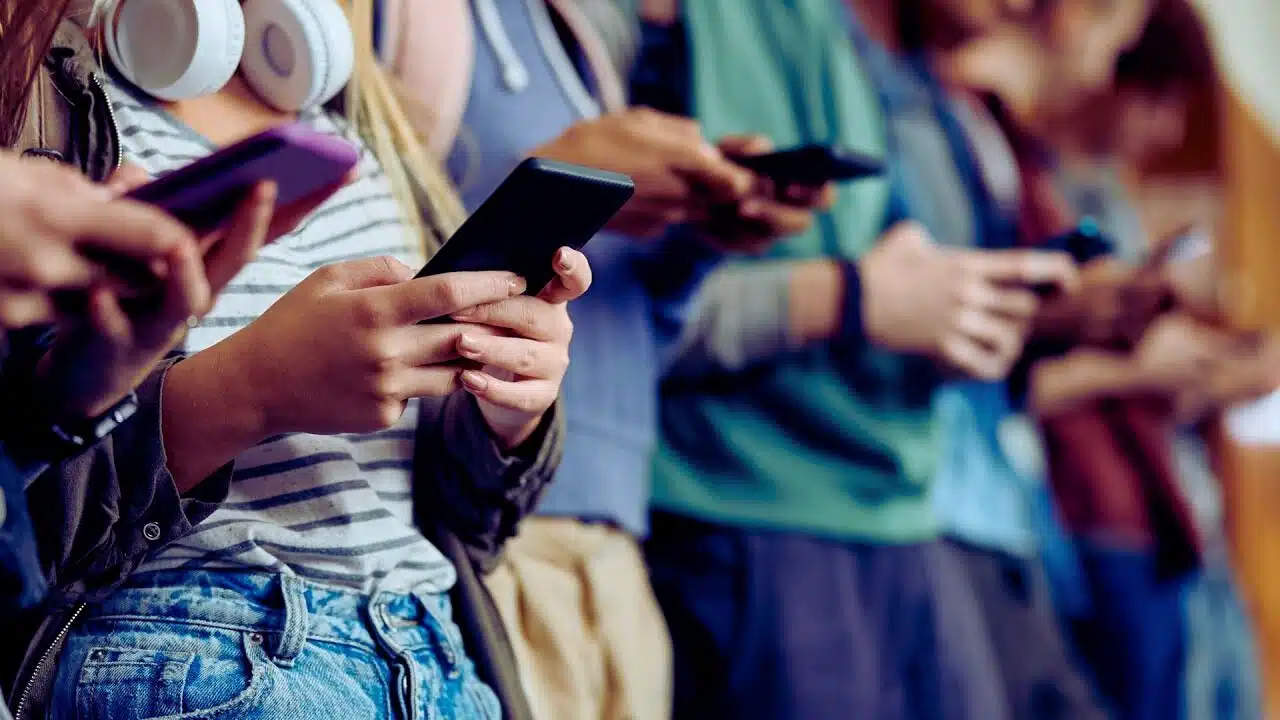
Social Media’s Rise Among Danish Youth
-
94% of Danish children under 13 reportedly have at least one social media account.
-
Over half of children under 10 are active online.
-
On average, youngsters spend close to 2 hours and 40 minutes daily on social media platforms.
Mental Health Concerns
-
Research and government officials have raised alarms about rising anxiety, depression, and self-harm associated with excessive social media exposure.
-
The platforms often promote addictive behavior with algorithms designed to increase user engagement, which can negatively impact young users’ mental health and well-being.
-
Exposure to harmful content such as violence, bullying, and sexual exploitation online is of particular concern.
Political Support and Regulatory Context
-
Most parties in the Danish Parliament support the ban.
-
The legislation aligns with EU efforts like the Digital Services Act to increase platform accountability.
-
Denmark follows countries such as Australia, which introduced a similar ban for those under 16.
Children’s Average Daily Social Media Use in Denmark (2025)
| Age Group | Average Daily Use (hours:minutes) | % with Social Media Accounts |
|---|---|---|
| Under 10 | 1:30 | 50%+ |
| 10-12 | 2:15 | 94% |
| 13-15 | 2:40 | Data not specified |
Details of the Ban
-
Official ban on social media use for children younger than 15.
-
Parental dispensation possible from age 13 after an assessment.
-
The ban will cover major platforms popular with children—Snapchat, Instagram, YouTube, TikTok.
-
Legislation to be drafted and passed over the next several months.
-
Additional funding proposed for alternative social media platforms that might be safer for youth.
-
Enhanced oversight planned under EU digital regulations to monitor and enforce new rules.
Potential Impacts of the Ban
Positive Effects
-
Expected reduction in time spent by young children on potentially harmful social media content.
-
May decrease early exposure to online risks like cyberbullying, grooming, and harmful marketing.
-
Could improve children’s mental health outcomes by protecting their childhood and decreasing anxiety and depression linked to social media overuse.
-
Sends strong signal to tech companies to prioritize child safety over profits.
Challenges and Criticism
-
Enforcement mechanisms are currently unclear; many platforms already set age limits but users often bypass them.
-
Some experts argue banning is not a silver bullet; children might still access unsafe content elsewhere online or feel isolated.
-
Social media also offers benefits like social connection, creativity, and relaxation; a total ban might cut these positive experiences prematurely.
-
Parental involvement is critical; success depends on evaluating children’s readiness responsibly and monitoring their online habits.
Pros and Cons of Social Media Ban for Under 15s
| Pros | Cons |
|---|---|
| Protects mental health and childhood | Difficulty enforcing the ban practically |
| Reduces exposure to harmful online content | Potential loss of positive social benefits |
| Encourages tech companies’ accountability | Risk of children seeking unregulated sites |
| Promotes safer digital environments | Parental assessment may vary in fairness |
Broader Global and EU Context
-
Denmark’s new law reflects a growing wave of digital regulation focusing on youth safety.
-
The EU’s Digital Services Act and recent Australian policies on underage social media use are part of this trend.
-
Globally, governments grapple with how to balance children’s digital rights, mental health, and access to technology.
-
Denmark’s measures also include combating illegal influencer marketing aimed at children, signaling comprehensive efforts beyond simple age restrictions.
Conclusion: A Long-Term Commitment to Child Safety in a Digital Age
Denmark’s plan to ban social media for children under 15 marks a bold and precedent-setting approach to protecting vulnerable youth in an increasingly digital world. This initiative highlights the urgent need to address mental health risks tied to social media addiction while safeguarding childhood from harmful online influences.
Though the ban raises enforcement challenges and debate about digital rights, it forms part of a broader paradigm shift towards prioritizing children’s well-being over corporate profits in the tech ecosystem. By empowering parents with controlled exceptions and improving platform accountability, Denmark aims to foster safer digital environments that nurture healthy development.
In a world where digital platforms dominate social interaction, Denmark’s policy sets a powerful example. Other nations observing this move are likely to consider similar measures. Ultimately, achieving a balance between protecting children and allowing safe, beneficial online experiences is critical. This ban is a significant step in that direction—a cornerstone of long-term strategies to ensure that digital childhoods are healthy, happy, and secure.