Hey there, are you curious about the cool new tech changing our world, but feel lost in all the big words and crazy ideas? Don’t worry, I’ve been there too, scratching my head over how science turns into stuff we use every day.
Here’s a neat fact to chew on: in 2024, Europe’s deep tech sector grabbed a whopping 15 billion euros in venture capital funding. That’s a huge chunk of cash fueling wild innovations, especially right here in Germany.
Stick with me as we explore 12 amazing university-backed deep tech ventures in Germany, from artificial intelligence to green hydrogen solutions. I’ll break it down into simple bits, showing how these startups tackle big problems like climate change and digital transformation.
Keep reading for the scoop!
Key Takeaways
- Europe’s deep tech sector got 15 billion euros in venture capital funding in 2024, with Germany leading in innovations.
- Biomemory is pioneering DNA storage, offering high-density data solutions for AI and cloud computing needs.
- Clyde Hydrogen is cutting costs in green hydrogen production using smart electrolyzers for a cleaner future.
- Sora Fuel develops sustainable aviation fuel, backed by 2.7 billion euros in German deep tech investments.
- Oriole Networks boosts AI chips with light technology, supported by a 113% rise in European AI investments.
Innovations in DNA Storage Technology: Biomemory

Hey, have you ever thought about storing data in DNA? Biomemory, a cool German deep tech startup, is making waves with this mind-blowing idea, and there’s so much more to explore!
How does DNA technology enable scalable data storage?
DNA technology is changing the game for data storage. It uses the tiny, complex structure of DNA molecules to pack huge amounts of information into a super small space. Think of it as stuffing an entire library into a thimble.
This method, tied to deep tech breakthroughs, offers crazy high density compared to old-school storage like hard drives.
On top of that, DNA storage lasts way longer and stays strong over time. It’s perfect for handling the massive data needs from AI, big data, and cloud computing. Plus, it fits right in with sustainability goals, using resources smartly.
This emerging technology is a real step forward for keeping our digital world growing.
Advancements in 3D Mapping: Terria
Hey, did you know Terria is changing the game with jaw-dropping 3D mapping tech, creating digital twins that mirror real-world spaces with stunning accuracy? Stick around to see how these virtual replicas are shaking things up!
What are digital twins and how are they used?
Digital twins are virtual copies of real-world systems or objects. They’re like a mirror image on a computer, showing what’s happening in real time. Think of it as having a video game version of a factory, car, or even a city.
These models, boosted by 3D mapping tech, help with sharp visuals and deep analysis. In Europe, deep tech ventures use digital twins to make operations smoother and decisions smarter.
Across industries like manufacturing, healthcare, and smart cities, these tools cut costs and ramp up efficiency. Picture a hospital using a digital twin to track equipment and save time.
With university partnerships fueling growth through know-how and patents, interest from venture capitalists is climbing fast. No wonder funding for these cutting-edge solutions in digital transformation is set to soar!
Green Hydrogen Production by Clyde Hydrogen
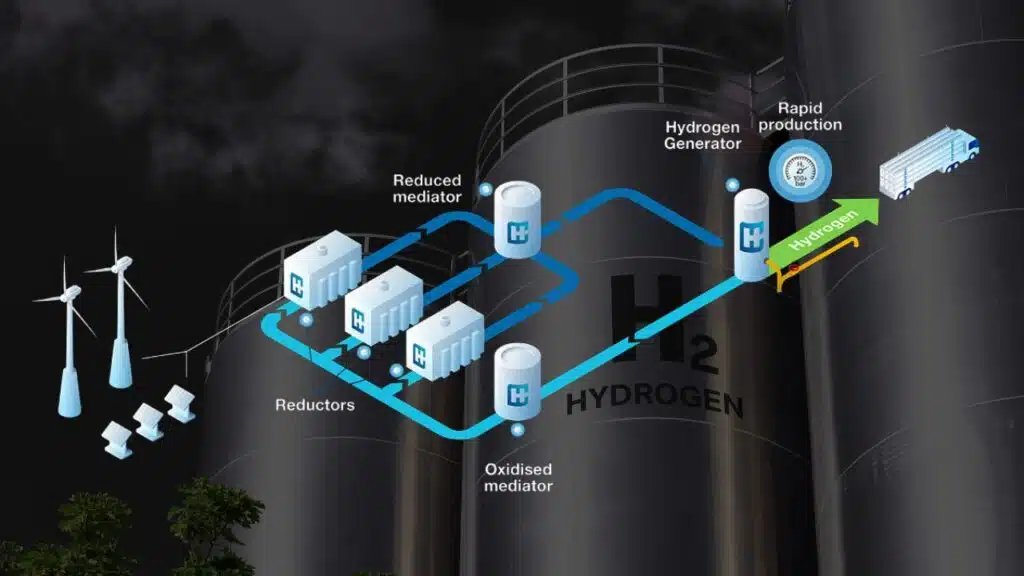
Hey there, wanna know how Clyde Hydrogen is shaking up the energy game? Their fresh approach to making green hydrogen, using smart electrolyzers, could slash costs and power a cleaner tomorrow!
How can green hydrogen be produced affordably?
Producing green hydrogen at a low cost is a big goal in clean tech. It starts with using renewable energy, like wind or solar, to power electrolysers. These devices split water into hydrogen and oxygen, creating a fuel free of fossil fuels.
The challenge is cutting the high price of this process. Collaboration among startups, corporates, and research hubs is vital to spark new ideas and lower expenses.
Places like MotionLab.Berlin are pushing hard for affordable solutions in this field. They bring together bright minds to test and scale up innovations. On top of that, better teamwork between public and private groups can turn cutting-edge research into real, budget-friendly products.
Let’s keep this momentum going for a greener future with green hydrogen!
Carbon Sequestration Initiatives by Carbogenics
Hey, want to know how Carbogenics is fighting climate change? Their cool carbon sequestration methods, like turning waste into biochars through pyrolysis, trap carbon for the long haul!
How does long-term carbon sequestration support climate sustainability?
Let me paint a picture for you, folks. Long-term carbon sequestration pulls carbon dioxide right out of the air, slashing those pesky levels that fuel climate change. It’s like locking away a troublemaker in a vault, keeping our planet cooler and safer.
Companies like Carbogenics are throwing their weight behind this, pushing hard for climate sustainability with real action. Their efforts show how trapping carbon can slow down global warming, bit by bit.
Now, let’s chat about the bigger game. Investment in deep tech, especially carbon capture tricks from university-backed ventures, boosts these solutions to new heights. Startups team up with schools and big businesses, crafting tools that last and hit the market fast.
This teamwork, often sparked by places like Carbogenics, builds a solid path to cut emissions and guard our future. Climate resilience gets a massive lift from such gritty, hands-on work in carbon storage.
Sustainable Aviation Fuel Development by Sora Fuel
Hey there, let’s chat about Sora Fuel and their game-changing work on sustainable aviation fuel, making flying greener without breaking the bank. Curious about how they cut costs while saving the planet? Stick around to find out more!
What are cost-effective innovations in sustainable aviation fuel?
Check out the cool stuff happening with sustainable aviation fuel, or SAF, in Germany. Sora Fuel is leading the charge, cooking up new ways to make air travel greener without breaking the bank.
With climate change on everyone’s mind, their focus on low-cost, earth-friendly solutions feels like a breath of fresh air. Plus, the German deep tech scene has pulled in a whopping 2.7 billion euros to back projects just like this.
Teaming up with universities and big companies, Sora Fuel gets access to top-notch labs and resources to scale their ideas fast. Places like MotionLab.Berlin spark teamwork among startups and researchers, making sure these innovations in SAF grow strong.
It’s like planting seeds in fertile ground, watching deep tech and emerging technologies bloom to tackle fossil fuel alternatives head-on.
Miniaturization in Electronics by Forefront RF
Hey, have you ever wondered how tiny electronics keep getting smarter? Forefront RF is shrinking circuit boards and boosting power, paving the way for smaller, faster gadgets!
What challenges exist in electronics miniaturization and how are they overcome?
Shrinking electronics down to tiny sizes is no easy task. Deep tech startups face big hurdles like heat buildup, high power use, and limits in materials. Too much heat can fry small circuits, and cramming power into tight spaces often drains batteries fast.
Plus, finding the right stuff to build with can be a real pain in the neck.
Thankfully, solutions are popping up. Advances in materials science help create better components that handle heat well. New fabrication tricks make tiny parts more efficient, cutting power waste.
Teamwork between startups, big companies, and research hubs drives progress in this field. Places like MotionLab.Berlin offer tools and know-how to spark fresh ideas. On top of that, partnerships with schools boost research, while venture capital funding gives these deep tech ventures the cash to keep pushing forward.
Next-Generation AI Chips by Oriole Networks
Hey there, wanna know how Oriole Networks is changing the game with AI chips? Their cutting-edge light tech is speeding up artificial intelligence like a race car on a fast track!
How does advanced light technology power AI chips?
Gosh, let’s chat about something pretty cool. Advanced light technology is changing the game for AI chips, making them super fast at processing data. It boosts communication speeds between chip parts, cutting down delays like a shortcut on a busy road.
Plus, this tech slashes energy use and keeps heat low, so these chips don’t overheat while crunching huge numbers.
Now, get this, AI chips using this light tech handle complex tasks at jaw-dropping speeds. Europe saw a massive 113% jump in investments for this kind of artificial intelligence gear, showing how much folks are betting on it.
On top of that, teaming up with universities gives access to top-notch know-how and intellectual property, fueling cutting-edge research for next-level deep tech advancements.
Genome Decoding Innovations at Lucid Genomics
Hey, ever wondered how cracking the code of whole genomes can change lives with precision medicine at Lucid Genomics? Stick around to dig deeper into this game-changing science!
What are the medical applications of comprehensive genome decoding?
Cracking the code of our DNA is like finding a hidden map to better health. Comprehensive genome decoding, a key part of precision medicine, lets doctors zoom in on your genetic makeup.
It boosts personalized healthcare by crafting treatments just for you. Think of it as a custom recipe for fighting illness, based on your own body’s blueprint.
This tech also spots diseases early by checking your genetic risks. It helps in creating new drugs by pinpointing specific markers in your genes. Plus, it sheds light on tricky conditions and pushes forward gene therapy.
With genome sequencing, we’re not just guessing; we’re building real solutions for regenerative medicine. How cool is that?
Electrification Solutions by Azul Energy
Hey, wanna know how Azul Energy is sparking a change in the power game? They’re slashing our need for rare metals with smart electrification tricks, paving the way for a cleaner tomorrow!
How can electrification reduce dependence on rare metals?
Electrification is a game changer in cutting our need for rare metals. It boosts efficiency and pushes for alternative technologies that skip those hard-to-get materials. Think of it as swapping a gas-guzzler for an electric ride, only on a massive scale.
By focusing on these solutions, we align with society’s cry for answers to the climate crisis.
Partnerships with universities play a huge role here. They bring top-notch expertise to the table, helping create new ways to power up without rare metals. Plus, teaming up with public and private groups turns research into real, scalable electrification fixes.
This deep tech approach is a solid step forward for a greener future.
Plastics Recycling Innovations: Cyclize
Hey, wanna know how Cyclize is shaking up the plastics game? They’re building a true circular economy, turning old waste into fresh materials with clever chemical recycling tricks!
How does Cyclize create a circular economy in plastic recycling?
Cyclize is shaking up the game in plastic recycling, folks. This company, rooted in Germany’s vibrant deep tech scene, turns waste into treasure with fresh ideas. They build a circular economy by transforming used plastics into valuable materials again.
With cutting-edge research, they boost efficiency and slash waste in the process. It’s like giving plastics a second life, keeping them out of landfills.
Huddled with top universities, Cyclize drives innovation through strong teamwork. Their work ties into Germany’s Digital Hub Initiative, a hotspot for new tech solutions. By tackling environmental headaches, they craft sustainable answers for plastic waste.
This isn’t just recycling; it’s a full-circle plan to cut pollution and rethink resources in today’s world.
Ultrafast Transportation Solutions by Swisspod
Hey, have you ever dreamed of zipping across countries in a flash with zero carbon footprint, thanks to Swisspod’s hyperloop tech? Keep reading to uncover how this game-changing system is paving the way for super-speedy, eco-friendly travel!
What technologies enable carbon-neutral ultrafast transportation?
Let’s talk about the exciting advancements in carbon-neutral ultrafast transportation, shall we? Picture systems like hyperloop tech, where pods race through low-pressure tubes at incredible speeds, slashing travel times.
These systems rely on electric power, often sourced from renewables, to maintain a minimal carbon footprint. Swisspod, a pioneer in this field, drives progress with innovative research to ensure these journeys are both rapid and eco-friendly.
Now, envision magnetic levitation, or maglev, elevating these pods to eliminate friction, allowing for effortless gliding. Combine that with energy-efficient motors and intelligent grids to draw power without damaging the environment.
This blend of cutting-edge technologies in deep tech accelerates our journeys while also supporting the shift to cleaner travel. Stay tuned to witness how these breakthroughs develop!
University Spinout Ecosystem in Germany
Hey, have you ever wondered how Germany turns bright ideas into thriving businesses? Well, their university spinout system is a real game-changer, sparking deep tech ventures left and right!
The Role of Technical University of Munich (TUM)
TUM stands tall as a powerhouse in Germany’s deep tech scene. Located in Munich, this university drives cutting-edge research and fuels innovation. With hefty funding, it creates a buzzing ecosystem for startups.
Many ventures in advanced materials and artificial intelligence (AI) sprout from its labs. It’s like a garden where big ideas grow into real-world solutions.
Think of TUM as a launchpad for European deep tech. Students and researchers team up to tackle tough challenges, often in technology hubs. Their work in research and development (R&D) sparks new paths in digital transformation.
Got a wild tech dream? Well, this place might just help you build it!
Contributions of RWTH Aachen in Deep Tech Ventures
RWTH Aachen University stands tall as a powerhouse for deep tech innovation in Germany. Situated at the core of Europe, this institution propels forward-thinking research with a sharp emphasis on emerging technologies.
Consider it a springboard, igniting ventures in areas like artificial intelligence and advanced materials. Their labs hum with concepts that address real-world issues, from decarbonizing industries to advancing digital transformation.
Students and researchers at RWTH Aachen collaborate to build transformative startups. They tackle intricate challenges, developing solutions for a circular economy and substitutes for fossil fuels.
With deep connections to industry, the university serves as a link, uniting brilliant ideas with tangible outcomes. Their efforts in research and development are defining the future of European deep tech, one daring concept at a time.
Venture Capital and Funding for Deep Tech Ventures
Hey there, want to know how deep tech ventures in Germany get their big bucks? Stick around, and let’s chat about the cash flow powering these cutting-edge ideas!
Key Venture Capital Firms and Funding Avenues
Let’s chat about funding for deep tech in Germany. It’s a big deal, so buckle in for some neat info!
- High-Tech Gründerfonds, or HTGF, steps up as a major seed investor for deep tech ventures. They drop up to $1 million in seed rounds and can push up to $4 million across later financing stages. This group is a lifeline for startups hungry to turn cutting-edge research into real products.
- Global Founders Capital, known as GFC, is a heavy hitter in the venture capital game. They scout for bold ideas in European deep tech and toss in serious cash to help startups grow fast. If you’re dreaming of unicorn status, GFC might be your golden ticket.
- HV Capital brings a sharp eye to the table for spotting promising tech hubs. They fund ventures that aim to reshape industries with emerging technologies. Their support often means the difference between a good idea and a market leader.
- Cherry Ventures jumps in with a passion for digital transformation. They back startups tackling big challenges, like alternatives to fossil fuels. With their help, deep tech firms get a fighting chance to decarbonize the future.
- Point Nine Capital focuses on early-stage innovators in artificial intelligence and beyond. They know deep tech startups need up to 40% more funding to hit the revenue stage. Their investment is a boost for those grinding through long R&D phases.
- Earlybird Venture Capital loves to spot the next big thing in advanced materials and AI. They’re aware that deep tech has a unicorn ratio of 0.62%, beating traditional tech at 0.54%. Betting on these startups with them could mean striking gold.
Takeaways
Hey there, we’ve just explored twelve amazing university-backed deep tech ventures in Germany, from DNA storage to ultrafast travel. These ideas, born in hubs like TU Munich, show how simple yet powerful solutions can tackle big challenges.
Trust me, the impact of green hydrogen or AI chips can truly change our world for the better. Want to dig deeper? Check out Germany’s Digital Hub Initiative for more on cutting-edge research and connections.
Now, go spark some change with what you’ve learned today!
FAQs
1. What exactly are these deep tech ventures in Germany all about?
Well, friend, these 12 university-backed projects dive into cutting-edge research, focusing on fields like quantum computing, advanced materials, and artificial intelligence (AI). They’re not just tinkering around; they’re pushing boundaries in European deep tech. Think of them as the brainy knights tackling tomorrow’s puzzles today.
2. Why are universities in Germany, like TU Munich, backing these ventures?
TU München and others are hotbeds for technology hubs, fueling research and development (R&D) in emerging technologies. They’re planting seeds for digital transformation, hoping to grow giants in fields like advanced robotics and carbon capture and utilization.
3. How do these deep tech efforts differ from shallow tech?
Listen up, shallow tech is like splashing in a kiddie pool, just surface-level apps and quick fixes. Deep tech, though, plunges into the ocean depths with complex stuff like AI (artificial intelligence) and IoT technology, solving hefty problems such as how to decarbonise industries or revamp food systems.
4. Are these ventures getting any financial muscle, or are they just academic dreams?
Oh, they’ve got backing, alright. Venture capital, corporate VCs, and even private equity folks are tossing convertible notes their way, betting big on high-valuation ideas from nuclear power innovations to anaerobic digestion systems like an anaerobic digester.
5. What kind of wild ideas are they cooking up in these German labs?
Picture this: reactors that don’t melt down like Fukushima Daiichi Nuclear Power Plant, or solutions to handle genetic data with ironclad governance. They’re also crafting ways to convert waste without it being incinerated, supporting a circular economy, and even exploring natural gas alternatives. It’s like sci-fi meeting reality, right in their backyard near Silicon Valley’s distant cousin vibes.
6. What’s the big goal for these university projects in the long run?
Hey, it’s not just about cool gadgets; it’s about freedom to operate and changing the game. From financial technologies to steering clear of another nuclear power plant disaster, these ventures aim to reshape portfolio management for corporate giants and build sustainable futures. They’re swinging for the fences, hoping to hit a home run for Germany and beyond.