Smart plans cut carbon emissions in cold chain transport. AI-driven mapping and telematics trim fuel consumption.
- Use advanced route planning software and data analytics to map the shortest paths, cut mileage, and lower greenhouse gas emissions.
- Deploy an AI-driven routing platform that shrinks driving distances, boosts fuel efficiency in diesel trucks and electric vehicles, and tracks fuel consumption.
- Apply backhaul optimization to reduce empty miles, fill return trips, and shrink your carbon footprint.
- Tune delivery schedules to dodge rush hours, slash idling time, and curb transportation emissions.
- Link telematics systems and real-time data feeds to monitor vehicle performance, track carbon emissions, and spot cold chain delays.
- Use the Searoutes CO2 API to measure carbon output, plan lower-emission routes, and hit emission reduction targets.
What are the benefits of electric and alternative fuel vehicles in cold chain logistics?
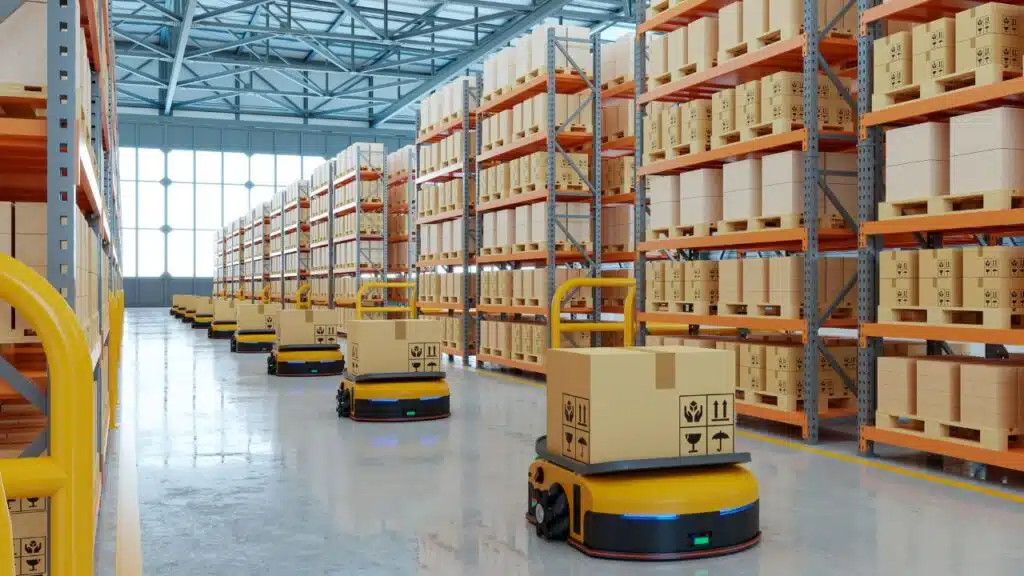
Electric trucks cut transport emissions in cold chain logistics. They produce zero exhaust emissions and lower fuel consumption costs. The UK saw over 450,000 electric vehicles (EVs) registered in 2023, a 41% increase from 2022.
Many fleets chase EV grants and fit IoT sensors to track real-time battery performance. Hybrid vehicles also join the mix to extend drive range. Fleet managers save on maintenance and tame fluctuating petrol prices.
Biofuels fuel heavy-duty trucks and reduce greenhouse gas emissions across the supply chain. Liquefied natural gas and compressed natural gas cut carbon footprints by up to 25 percent.
Some firms link solar panels or wind turbines at warehouses to electric chargers and alternative fuel pumps. Hydrogen fuel cells team with batteries to stretch haul distances. That mix helps meet net zero targets, shrinks scope 1 and scope 3 emissions, and powers greener logistics in the cold chain.
How can renewable energy be used in storage facilities?
Rooftop solar panels power refrigeration units and lighting in cold chain facilities. They cut fuel consumption, curb greenhouse gas emissions, and shrink the carbon footprint. Heat pumps boost energy efficiency in subzero vaults.
A power purchase agreement locks in low rates for renewable electricity. Business owners can tap grants and incentives to offset installation costs. Onsite EV charging stations, fed by clean energy, support electric trucks on last-mile delivery routes.
What telematics and monitoring systems improve cold chain efficiency?
Firms mount truck trackers and vehicle sensors across fleets. The telematics platform gathers real-time data on speed, idle time, and harsh braking. It spots fuel consumption spikes and tracks carbon emissions.
Fleet managers tweak routes on the fly to cut fuel waste and lower greenhouse gas emissions. This tech drives route optimization.
Data analytics predict engine issues and brake wear before they fail. Teams schedule service stops at the right time and avoid breakdowns. This clear process supports proactive decision-making and boosts transparency.
Drivers see performance scores and adjust habits for better fuel efficiency. Shippers meet emission reduction targets and cut carbon footprint.
What are intermodal transportation solutions for reducing emissions?
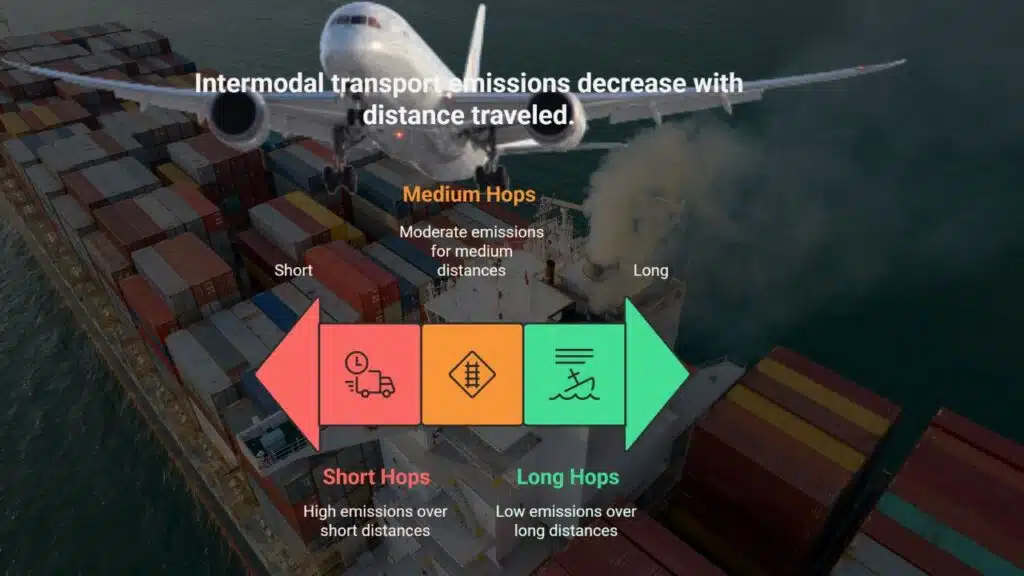
A smart mix of trucks, trains, and vessels cuts emissions fast. Freight trains burn far less fuel on long hauls. Rail shifts trim fuel consumption by up to 75% per ton-mile. Ocean vessels or river barges lower carbon footprint even more over 1,000 miles; EPA data notes up to 65% reduction.
Companies reshape distribution networks around hubs near ports or rail yards, they build intermodal terminals for eco-friendly delivery. It feels like a relay race, containers hop on double-stack locomotives then switch to trucks for short hops.
This chain links road, rail, and water routes, it tracks greenhouse gas emissions with digital tools. Shippers slice transportation emissions in global supply chains, they ease fuel use and cut carbon footprint.
How can freight consolidation reduce emissions in cold chain logistics?
Consolidating shipments lowers the carbon footprint in cold chain logistics. It cuts fuel consumption and transportation emissions. Operators maximize truckload capacity to reduce trips.
They group less-than-truckload (LTL) pallets in one journey using a transport management platform. Sensors and analysis tools feed live reports to this system. The platform plans loads and trims driving distances.
Shippers share lanes to fill backhauls more often. It cuts empty trips on return legs. Collaboration reduces greenhouse gas emissions by optimizing backhaul opportunities. Shared delivery networks carry more pallets per run.
Companies hit emission reduction targets while saving fuel.
Takeaways
Cold chain pros can cut carbon with smart maps, EVs, solar arrays, rail lines, CNG trucks, data analytics, telematics, and cargo bundling. Each tactic saves fuel, money, and time. Teams swap diesel rigs for EVs to curb fumes.
Warehouses fit solar arrays on their roofs. Carriers shift loads to rail lines or barges for big gains. Telematics gear, like GPS trackers, spots idling, poor driving, and leaks. Data analytics help shape off-peak runs, tight schedules, and load swaps.
Cargo bundling trims empty miles and trucks. A green fleet plan, with clear targets and checkups, keeps teams on track. These pointers pack bite, spark wins, and nudge firms to hit climate goals with a grin.
FAQs
1. How do electric vehicles cut emissions in cold chain logistics?
Electric vehicles, or battery-powered trucks, run on clean energy, they do not burn fossil fuels. They cut CO2 emissions to near zero and shrink your carbon footprint. They also save money by slashing fuel consumption on last-mile delivery.
2. How does route optimization help reduce fuel consumption?
Route optimization uses data analytics and real-time data to find the fastest, greenest path. It picks the best mode, like road or rail transport, to cut fuel consumption. It also trims greenhouse gas emissions, making your fleet run like a well-oiled machine.
3. Can alternative fuels like compressed natural gas lower the carbon footprint?
Yes. Alternative fuels, like compressed natural gas (CNG), burn cleaner than diesel or gasoline. They emit less carbon dioxide, they cut your carbon footprint. You can also try hybrid vehicles or renewable heat to meet emission reduction targets.
4. What role does energy efficiency play in cold chain transport?
Energy efficiency helps you use less power. You can add solar panels on warehouses, use waste management to capture heat, or tap renewable sources. That cuts greenhouse gas emissions and lowers energy costs. It boosts your sustainability initiatives.
5. How can data analytics and real-time data boost eco-friendly delivery options?
Data analytics digs into vehicle performance, cargo weight, driver habits. Real-time data flags delays, it warns of repairs. That helps you pick eco-friendly delivery options, curb idle time, and cut greenhouse gas emissions. You save time and fuel.
6. How does freight consolidation trim greenhouse gas emissions?
You fill one truck with more cargo, instead of many half-empty vehicles. That is freight consolidation. It cuts fuel consumption, it lowers greenhouse gas emissions, and it improves road safety, by shrinking the number of trucks on the road.