Imagine launching your dream project in Europe, only to hit a wall of confusing rules on raising money from the crowd. You fret over fines or failed campaigns because national laws differ wildly from one country to the next. It’s like trying to play a game where everyone uses different rulebooks, and you just want a fair shot at success.
Did you know that the EU rolled out Regulation (EU) 2020/1503 in 2021 to fix this mess and make crowdfunding safer for everyone? This blog on Crowdfunding Regulations In Europe breaks it down step by step, so you can fundraise with confidence and avoid costly slip-ups.
Stick around for the details.
Understanding Crowdfunding Regulations in Europe
Crowdfunding lets everyday folks pitch in cash to back cool ideas, from startup gadgets to community art projects, across Europe’s bustling markets. Imagine you, as an investor, join forces with project creators and platform pros, all chasing that funding magic. Stick around to see how these roles play out in the EU scene.
Definition and scope of crowdfunding
Folks, imagine pooling cash from a crowd to kickstart your dream startup or a cool gadget. That’s crowdfunding in a nutshell, a way to gather funding from many folks online, often through platforms that connect ideas with backers.
It covers everything from donation-based drives, where you give without expecting returns, to equity models that let investors snag a piece of the business pie. In Europe, this crowdsourcing taps into financial services, blending investment with community spirit, and it spans startups chasing capital to creative ventures seeking compliance with local laws.
Think of it like a digital lemonade stand that grows into a full-blown finance hub. Platforms handle the heavy lifting, matching project owners with eager stakeholders who chip in for rewards or securities.
The scope stretches across borders, fueling business growth while dodging old-school banking hurdles. Equity crowdfunding, for instance, turns everyday people into investors, but it demands strict regulation to keep things fair and transparent in the EU’s bustling fundraising scene.
Key players: Service providers, project owners, and investors
Now that we’ve covered what crowdfunding means and how broad it reaches in Europe, let’s shift gears to the folks who keep this funding machine running. Service providers act as the platforms where all the action happens, connecting ideas to cash.
They handle the tech side, manage investments, and ensure compliance with tough regulations. Project owners pitch their startups or creative ventures, seeking capital from the crowd.
These entrepreneurs share their visions on platforms, drawing in backers with solid plans. Investors, on the other hand, put their money where their interests lie, betting on equity or rewards. Think of them as the fuel for innovation, but they need clear rules to avoid getting burned.
Each group plays a vital role in this finance game. Service providers must get licensing to operate across EU borders, building trust in the system. Project owners face disclosure rules, laying out risks and rewards for everyone to see.
Investors get tools like risk assessments, helping them make smart choices without blind bets. This setup boosts cross-border fundraising, turning local ideas into big wins. Imagine a small business in Spain pulling funds from Germany – that’s the magic of balanced stakeholders in crowdfunding.
The Need for Crowdfunding Regulations
Imagine you pour your heart into a startup, only to watch rules from different countries trip you up like tangled shoelaces. That’s why Europe stepped in, blending those messy national laws into one smooth path, while shielding investors with clear info and solid trust, so everyone plays fair and stays safe.
Harmonizing fragmented national rules
Europe once had a patchwork of national rules for crowdfunding. Platforms faced different laws in each country. This made cross-border funding tough. Startups struggled to raise capital beyond their home base.
The EU stepped in to fix this mess. They created a single set of regulations for all member states. Now, crowdfunding services can operate smoothly across borders. Project owners gain access to a wider pool of investors. This unity boosts the finance sector for everyone involved.
A harmonized framework is key to unlocking Europe’s crowdfunding potential, says EU Commissioner for Financial Services.
Rules now align compliance standards everywhere. Equity crowdfunding benefits from this clarity. Licensing becomes easier for platforms. Investors enjoy consistent protection no matter the location.
Crowdsourcing turns into a true European marketplace. But rules do more than just unify; they also focus on ensuring investor protection and transparency.
Ensuring investor protection and transparency
Crowdfunding can feel like a wild ride, huh? Investors pour money into projects, hoping for big wins. But without strict rules, things get risky fast. Regulations step in to shield those investors from fraud and hidden pitfalls.
They demand clear info on every deal, so you know exactly what you’re backing. Think of it as a safety net in a high-wire act; it keeps everyone honest and builds real trust.
Platforms must share full details on risks and returns, no smoke and mirrors. This transparency lets you make smart choices, avoiding nasty surprises down the road. Project owners face strict checks too, proving their plans hold water.
It’s like having a referee in the game, making sure fair play wins out. Now, let’s look at the key law that ties it all together in Regulation (EU) 2020/1503.
Overview of Regulation (EU) 2020/1503
Picture a rulebook that levels the playing field for crowdfunding across Europe, yeah, it sets clear goals like boosting safe investments and cutting red tape for everyone involved.
This law applies to all EU countries, creating a single market where platforms can thrive without old borders getting in the way, so dive deeper into how it shapes your next funding adventure.
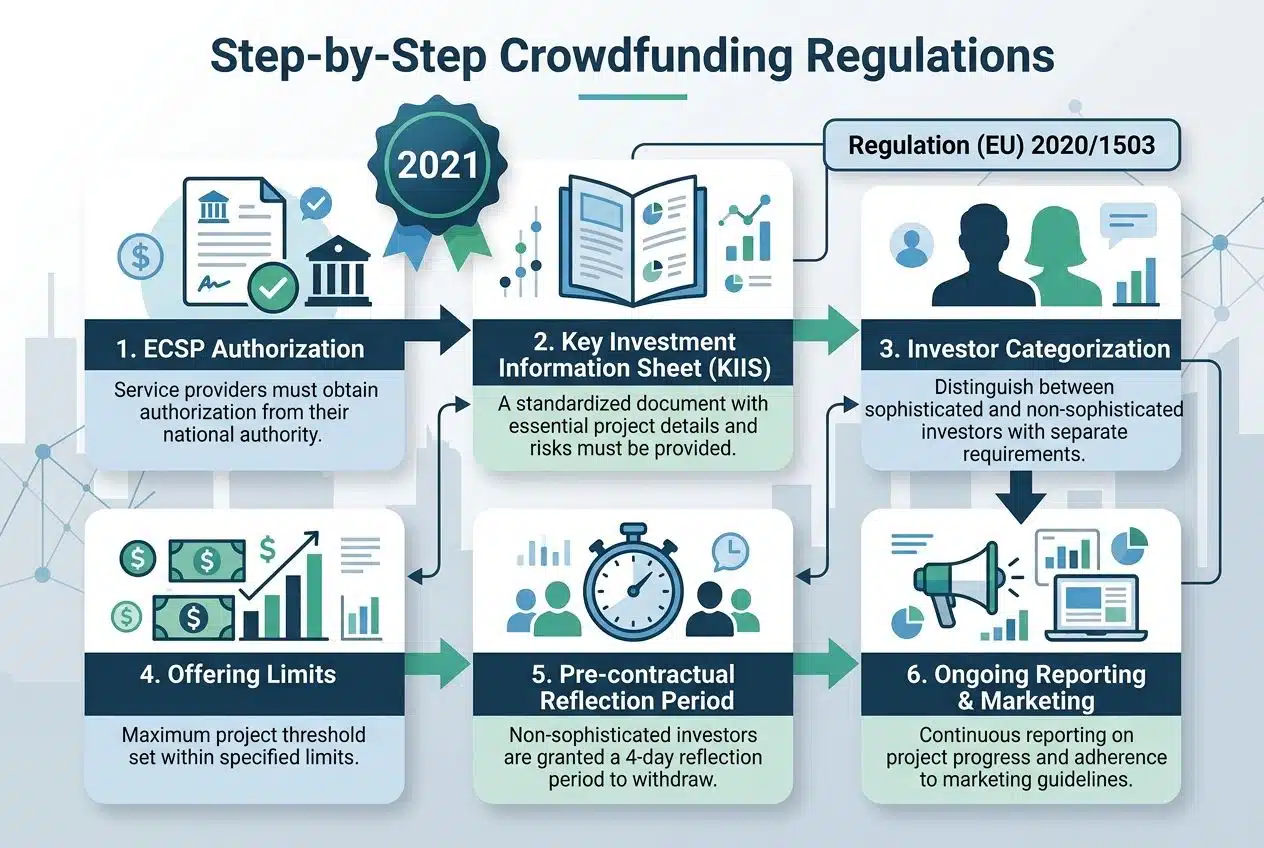
Key objectives of the regulation
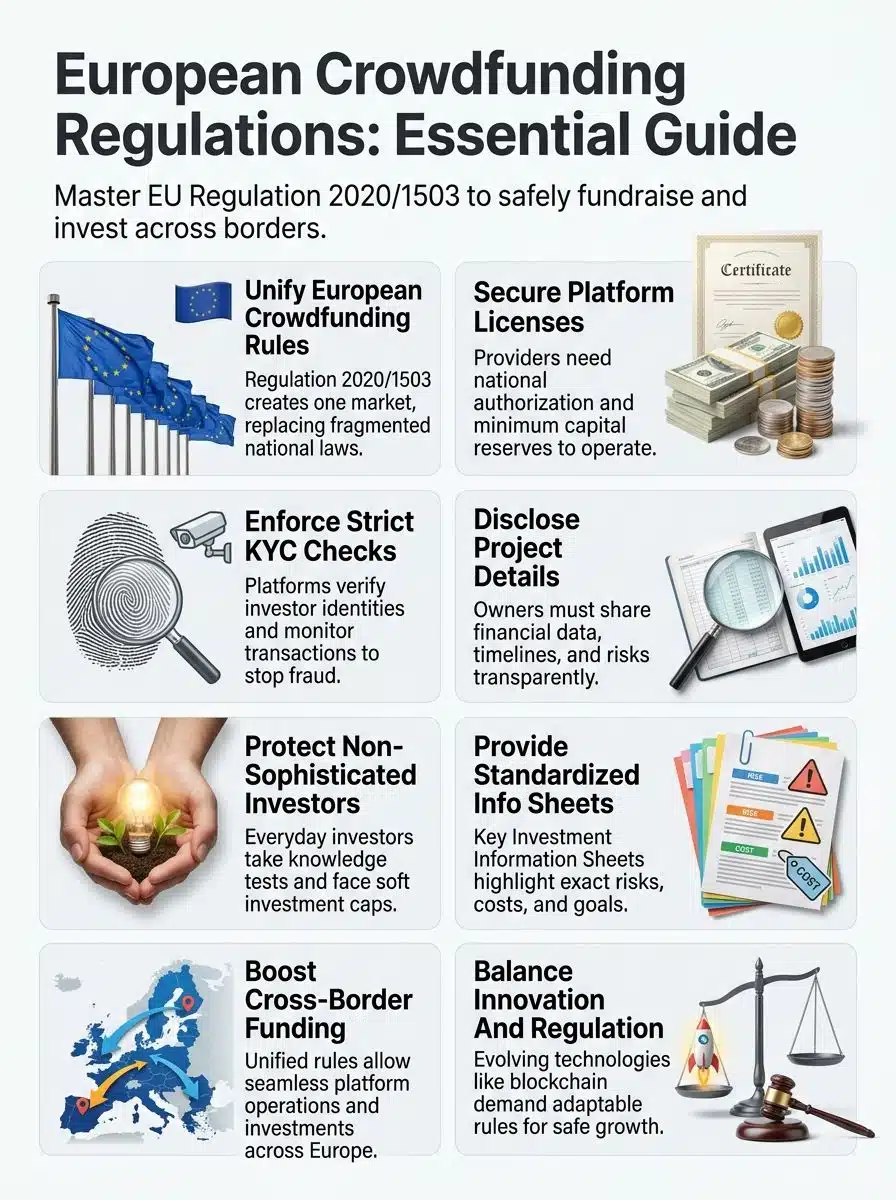
The EU’s Regulation 2020/1503 sets out to unify crowdfunding rules across Europe, making it easier for platforms to operate without a mess of different national laws. Think of it as a bridge that connects investors and startups, smoothing out the bumps in fundraising.
This law boosts investor protection by demanding clear information on risks and returns, so folks know what they’re getting into with their money. It also opens doors for cross-border finance, letting a French platform fund a German business without red tape holding things back.
Crowdfunding service providers gain from this setup, as it pushes for strong compliance standards that build trust in the system. Project owners find clearer paths to capital, while investors get tools like risk checks to avoid bad bets.
In short, the regulation aims to grow the equity crowdfunding market safely, helping small firms thrive in a bigger European playground.
Applicability and scope across EU member states
You know, figuring out how this regulation applies across Europe can feel like piecing together a puzzle, but let’s break it down simply for you.
| Aspect | Details for You |
|---|---|
| Who It Covers | Crowdfunding platforms get hit with these rules if they operate in the EU. Platforms help connect project owners with investors for loans or equity deals. |
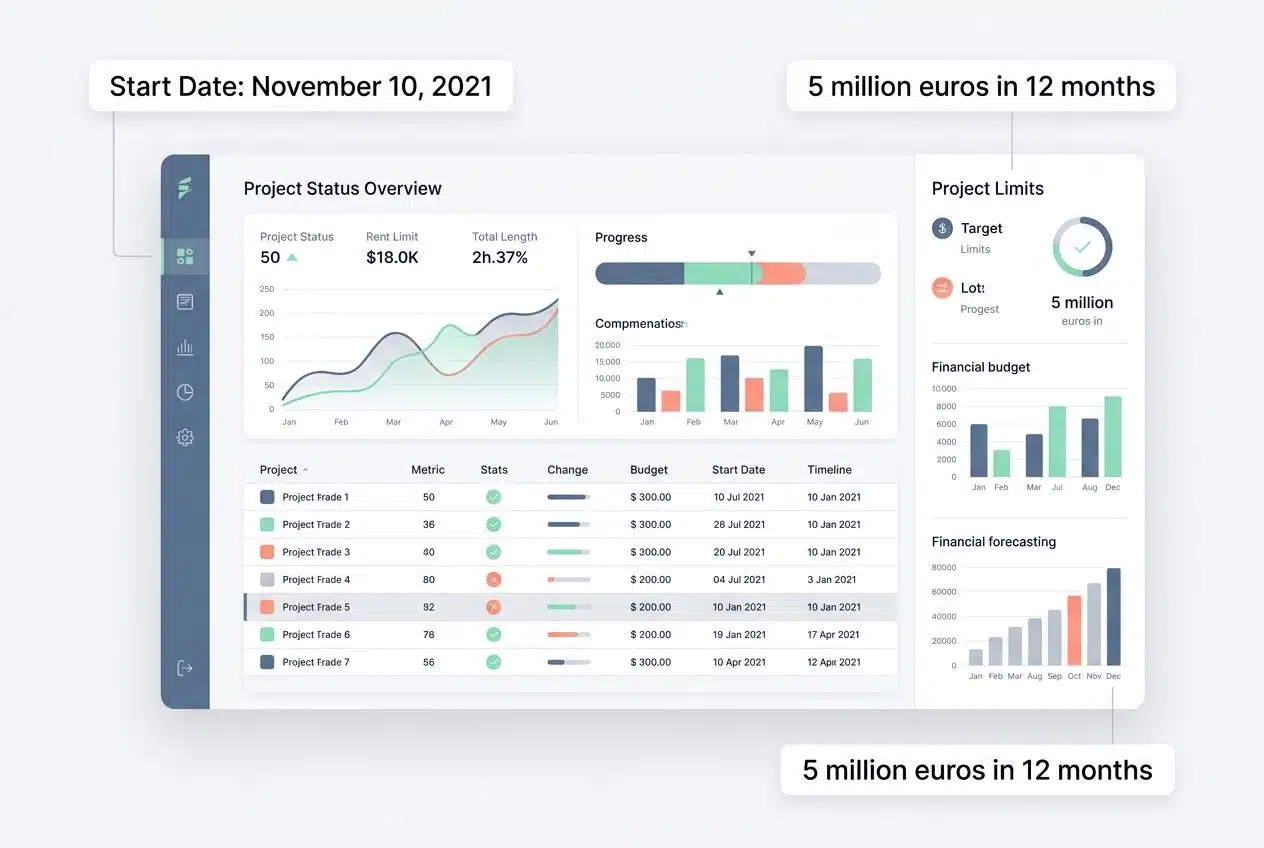
| Start Date | Rules kicked in on November 10, 2021. Existing platforms had until November 10, 2023, to adjust, like a grace period to get their act together. |
| Which Countries | Every EU member state follows this, from Germany to Greece. No picking and choosing; it’s uniform across the board. |
| Project Limits | Project owners can raise up to 5 million euros in 12 months. Go over that, and you’re out of this regulation’s scope, buddy. |
| What It Includes | Focus stays on investment and lending crowdfunding. Donation or reward types? They sit outside these rules, so platforms handling those dodge the requirements. |
| Cross-Border Perks | Platforms with approval in one state can work in others without extra licenses. Imagine expanding your business without border hassles. |
| Exclusions | Big banks and insurance firms skip this. Consumer loans also fall out, keeping things focused on business ventures. |
Essential Requirements for Crowdfunding Service Providers
Imagine you’re launching a crowdfunding platform across Europe, and the rules demand you snag a proper license first, or face the music. Jump through those operational hoops, like strict KYC checks, to keep investors smiling and scams at bay, ready to explore further?
Licensing and operational guidelines
Crowdfunding service providers in Europe face strict licensing rules to keep things fair and safe. These guidelines help platforms operate smoothly while protecting everyone involved.
- Providers must get authorization from a national competent authority in an EU member state, like the Financial Conduct Authority in some countries, before they can offer crowdfunding services. This process checks if the platform meets high standards for governance and risk management, and it usually takes several months to complete, with detailed applications including business plans and financial projections.
- Once licensed, platforms follow operational rules that demand strong internal controls, such as clear procedures for handling investor complaints and resolving disputes quickly. Think of it like a referee in a game, making sure no one cheats, and everyone plays by the book.
- Licensing requires providers to have enough capital reserves, at least 25,000 euros or a quarter of their fixed overheads from the previous year, whichever is higher, to cover potential losses and keep the business stable.
- Platforms maintain transparency by publishing annual reports on their activities, including the total funds raised and success rates of projects, which builds trust among investors and project owners.
- Operational guidelines include segregating client funds from the platform’s own money, often using separate bank accounts, to prevent mix-ups and ensure quick payouts if something goes wrong.
- Providers conduct regular audits, at least once a year, to verify compliance with EU regulations, and they report any issues to authorities right away, like spotting a leaky roof before the storm hits.
- The regulation allows licensed platforms to operate across all EU states through a passporting system, meaning approval in one country opens doors to the whole market without extra hurdles.
These licensing steps set the stage for strong compliance, especially with Know Your Customer rules that dig deeper into user identities.
Compliance with Know Your Customer (KYC) rules
Crowdfunding platforms in Europe must follow strict Know Your Customer rules to keep things safe and legal. These rules help build trust among investors, project owners, and service providers by verifying identities and preventing fraud.
- Platforms check investor identities with documents like passports or IDs, making sure everyone is who they say they are, much like a bouncer at a club checking your age before letting you in.
- Service providers collect details on project owners’ backgrounds, including business info and funding goals, to spot any red flags early and keep the fundraising process clean.
- Compliance includes ongoing monitoring of transactions for suspicious activity, acting like a watchful neighbor who notices if something seems off in the neighborhood.
- Investors provide proof of address and financial status, which helps platforms tailor risk warnings and protect folks from jumping into bad investments.
- Regulations require secure data handling to shield personal info from leaks, because nobody wants their details floating around like confetti at a party gone wrong.
- Licensing bodies review these KYC processes during approval, ensuring platforms meet EU standards before they can operate across member states.
- Project owners disclose any past financial issues, adding transparency that builds investor confidence, similar to sharing your resume on a first date.
- Failure to comply can lead to hefty fines or shutdowns, pushing platforms to prioritize these rules in their daily operations.
- Equity crowdfunding especially demands thorough KYC, as it involves securities and higher stakes for everyone involved in the finance game.
- Startups benefit from these rules by attracting serious capital, knowing the system weeds out shady players and fosters a fair playing field.
Essential Requirements for Project Owners
Project owners must share clear details about their ventures, like a friend explaining a wild idea over coffee. They also stay accountable through strict checks, dodging pitfalls that could sink the ship and keeping everyone in the loop for smooth sailing.
Disclosure of project information
Project owners must share clear details about their campaigns under EU crowdfunding rules. This step builds trust and helps investors make smart choices.
- Project owners provide full descriptions of their business goals, including how they plan to use the funds raised through crowdfunding platforms in Europe. They outline the project’s timeline, expected outcomes, and any risks involved, much like laying all cards on the table in a high-stakes game. Investors get a clear picture, you know, to avoid nasty surprises down the road.
- Owners disclose financial data, such as budget breakdowns and revenue projections, to meet compliance standards in the regulation. Think of it as opening the books for everyone to see, fostering transparency that protects both startups and backers across EU member states. This practice turns potential chaos into a smooth fundraising journey.
- They include information on equity shares or rewards for investors, aligning with securities laws in the financial services sector. It’s like sharing the recipe before baking the cake, so everyone knows what they’re getting into. Such details boost confidence in the platform and encourage more cross-border investment.
- Owners update any changes promptly, keeping stakeholders informed as the project evolves under these European regulations. Imagine tweaking a story mid-tale to keep listeners hooked; it maintains accountability and prevents misunderstandings. Regular updates act as a safety net for all parties.
- They highlight potential conflicts of interest, ensuring honest communication in the crowdsourcing process. This is akin to admitting if you’re rooting for both teams in a match, which builds real trust. Compliance here strengthens the finance ecosystem for businesses seeking capital.
Accountability measures
Project owners in Europe face strict accountability under crowdfunding regulations. These rules keep things fair and protect everyone involved.
- Project owners must report how they use raised funds, showing investors clear updates on spending to build trust in the platform.
- They need to follow compliance rules by keeping accurate records of all financial transactions, which helps prevent misuse of investment money.
- Owners disclose any risks tied to their fundraising projects upfront, giving stakeholders a full picture before committing capital.
- Regulations require them to update investors on project progress at least once a year, turning potential headaches into smooth sailing for finance flows.
- If issues arise, project owners resolve disputes quickly through set channels, acting like a safety net for startups and their backers.
- They adhere to equity rules by not misleading about potential returns, which keeps the crowdsourcing game honest across Europe.
- Owners face penalties for breaking licensing terms, such as fines up to 500,000 euros under Regulation (EU) 2020/1503, pushing them to stay on top of their game.
- They provide audited financial statements when raising over 1 million euros, offering a transparent window into business health for all involved.
- Project owners engage in regular audits by approved entities, ensuring that every euro from funding goes where promised.
- They commit to ethical standards in their platforms, treating investors like valued partners in the journey to grow startups.
Essential Requirements for Investors
Hey, as an investor dipping your toes into European crowdfunding, you face caps on how much cash you can throw in, plus those quick risk checks to keep things safe and sound. Picture it like a safety net, folks, where platforms hand you clear-cut info sheets, so you make smart calls without the guesswork, curious about the details?
Investor limits and risk assessments
Investors face specific rules to keep things safe in European crowdfunding.
| Aspect | Details for You |
|---|---|
| Investor Types | Platforms split you into sophisticated or non-sophisticated groups. Sophisticated folks have more experience, so they get fewer restrictions. Non-sophisticated? That’s most of us, and we need extra safeguards. |
| Knowledge Test | Non-sophisticated investors take an entry knowledge test. It checks what you know about risks. Fail it? You might sit out or get more warnings. Platforms run this test every two years. |
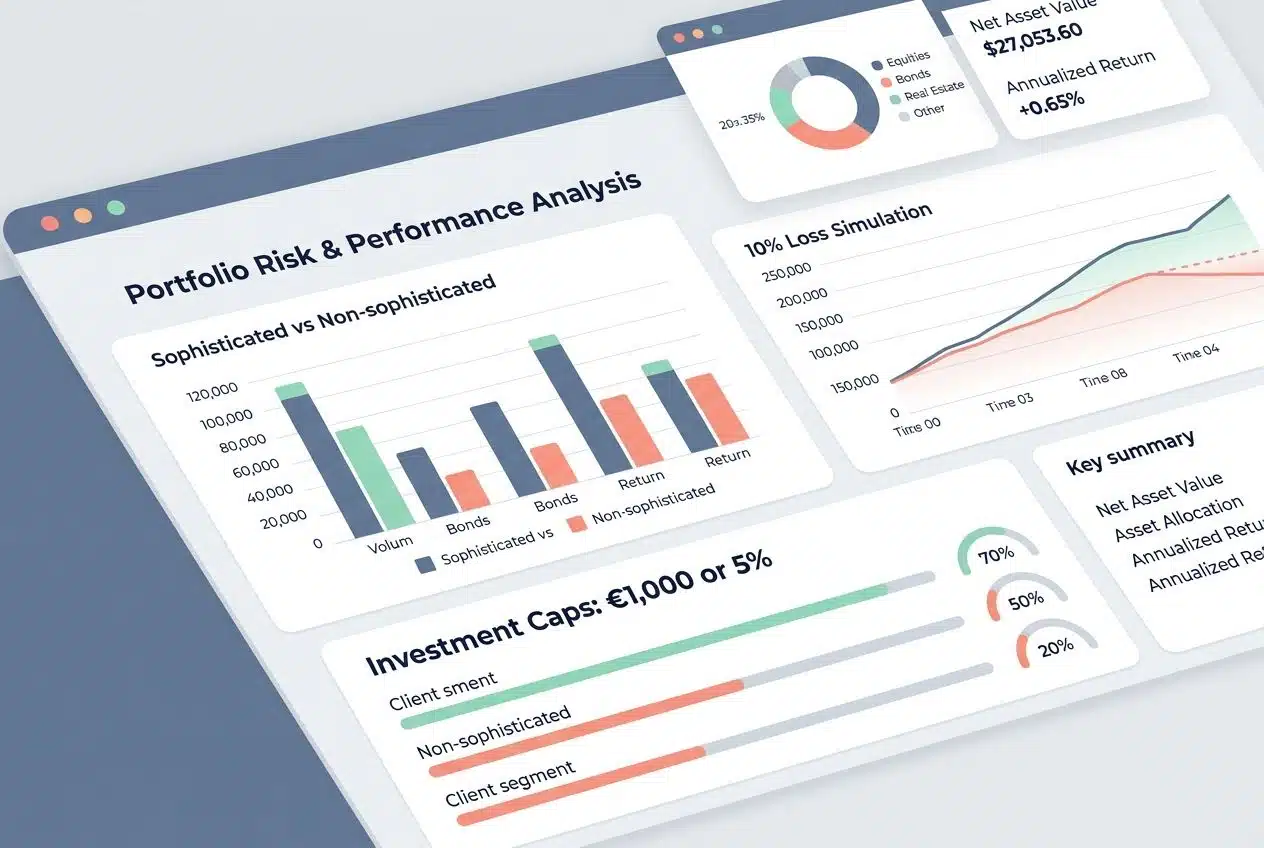
| Loss Simulation | You must prove you can handle losing money. Imagine dropping 10% of your net worth. Platforms make you simulate that. It protects you from big mistakes, like betting the farm on a wild idea. |
| Investment Caps | No hard limits exist for everyone, but non-sophisticated investors face soft caps. Think twice before investing over €1,000 or 5% of your net assets in one project. Platforms flag these as high-risk moves. |
| Risk Warnings | Every investment comes with clear alerts. Platforms explain potential losses in plain terms. It’s like a friend saying, watch out for that cliff edge before you jump. |
| Cooling-Off Period | You get four calendar days to back out after investing. Change your mind? No problem, withdraw without penalties. This gives you breathing room, avoiding snap decisions. |
That covers the basics of staying protected. Next up, we explore access to standardized investment information.
Access to standardized investment information
Crowdfunding platforms in Europe must give investors clear, standard info on investments. This comes from Regulation (EU) 2020/1503. Platforms hand out a Key Investment Information Sheet, or KIIS, for each project.
Think of it like a quick cheat sheet, packed with risks, costs, and project details. It helps you spot the good from the bad, like picking ripe fruit at a market.
Project owners fill this sheet with honest facts about their funding goals and equity offers. Investors, you get this before putting money in, so no surprises hit later. Compliance like this builds trust in financial services across EU states. Startups love it too, as it draws more capital without the guesswork.
Benefits of the EU Crowdfunding Regulation
Imagine you’re a startup founder in Spain eyeing investors in Germany, and suddenly, borders melt away like ice cream on a hot day, opening up a feast of funding options across the EU.
Platforms gain that rock-solid trust from clear rules, making everyone feel safer, like having a trusty sidekick in your investment adventures, so why not explore how this boosts your next big idea?
Increased cross-border crowdfunding opportunities
The EU crowdfunding regulation opens doors for businesses and startups across Europe. Platforms now operate seamlessly in multiple countries, thanks to a unified set of rules. You, as an investor, gain access to exciting projects from France to Finland without border hassles.
This boosts funding options for project owners, letting them tap into a wider pool of capital. Equity crowdfunding thrives here, with compliance making it safer for everyone involved.
Think of it like a big family reunion where finance flows freely. Regulations harmonize laws, so a German platform can attract Italian investors effortlessly. Stakeholders benefit from this setup, sparking innovation in financial services.
Crowdsourcing becomes a true European affair, fueling growth for small businesses and fresh ideas. Your next investment might just come from across the continent, creating real opportunities.
Enhanced trust in crowdfunding platforms
Crowdfunding platforms in Europe build stronger trust thanks to these new rules. Investors feel safer, knowing platforms follow strict compliance standards. Project owners share clear details about their fundraising goals.
This setup cuts down scams and boosts confidence in equity investments. Picture a marketplace where everyone plays fair, like a neighborhood fair with clear rules for all stalls. Platforms now hold licenses that prove their reliability in financial services.
Stakeholders gain peace of mind from better transparency in crowdsourced finance. Regulations foster cross-border investment without the old worries. They create a level playing field for startups seeking capital. You see more people jumping in, excited about secure platforms.
This trust sparks growth in the crowdfunding world across EU states. Yet, no system is perfect, so let’s look at some challenges and what the future might hold.
Challenges and Future Perspectives
Crowdfunding keeps changing fast in Europe, and platforms struggle to keep up with new tech like blockchain while following strict rules. Picture a tightrope walk between sparking fresh ideas and dodging legal pitfalls, so stay tuned for how regulators might tweak things next to keep the balance.
Adapting to evolving crowdfunding models
Crowdsourcing keeps changing fast in Europe. New models pop up, like equity shares for startups or reward-based funding for creative projects. Platforms must stay on top of these shifts to meet Regulation (EU) 2020/1503 rules.
Think of it like a game of catch-up, where finance laws chase fresh ideas. Service providers adapt by updating compliance checks, so they handle diverse investments without breaking the law.
Investors gain from this, as platforms offer clear info on emerging options. Business owners, you know the drill: tweak your fundraising plans to fit these evolving standards.
Stakeholders face real hurdles with tech-driven twists, such as blockchain in crowdfunding. Regulations aim to cover these without stifling growth, but gaps can appear. Picture a startup using NFT-based equity; platforms need quick tweaks for licensing and transparency.
This keeps the system fair across EU states. Lawmakers watch closely, adjusting rules for new finance trends. Now, let’s talk about balancing innovation with regulation.
Balancing innovation with regulation
Balancing innovation with regulation in Europe’s crowdfunding scene feels like walking a tightrope, you know? Regulators aim to foster fresh ideas for startups and platforms, while keeping risks in check for investors and project owners.
Think of it as a seesaw, where too much rule-following might stifle creative fundraising, but lax oversight could lead to shady deals and lost funds. The EU’s Regulation 2020/1503 strikes this balance by setting clear compliance standards, like licensing for service providers, yet leaves room for equity and crowdsourcing models to evolve.
Picture a garden where weeds get pulled without harming the flowers; that’s the goal here: encouraging cross-border finance without sacrificing trust.
Critics worry that rigid rules might slow down fast-paced tech in financial services, especially for new platforms eyeing global reach. Yet, this framework adapts to changes, promoting accountability and transparency that build investor confidence.
Stakeholders, from business owners to backers, benefit when innovation thrives under smart oversight, avoiding pitfalls like fraud. Lawmakers keep tweaking these regulations to match emerging trends in capital raising.
Wrapping Up
Crowdfunding in Europe keeps growing, folks. Platforms help startups raise capital through smart finance moves. Regulations like EU 2020/1503 make sure everyone plays fair. Investors get clear info on risks. Project owners follow strict compliance rules. This setup boosts trust across borders.
Think of it as a safety net for your investment dreams. The law protects stakeholders in this funding game. Equity crowdfunding opens doors for new business ideas. Check local platforms for the latest on licensing. Explore these rules, and watch your financial world expand with confidence.
FAQs on Crowdfunding Regulations In Europe
1. What are the main crowdfunding regulations in Europe that I should know?
Crowdfunding regulations in Europe, like those from the EU, keep things fair for everyone involved. They set rules on how much money you can raise without jumping through too many hoops, kind of like a safety net for dreamers and backers alike. Just remember, each country might add its own twist, so check local laws to stay out of hot water.
2. Do I need approval to start a crowdfunding campaign in Europe?
You often need to register with a platform that follows EU crowdfunding rules. It’s not as scary as it sounds; think of it as getting a hall pass before the big game.
3. How do these regulations protect investors in European crowdfunding?
Investor protection is a big deal in Europe’s crowdfunding scene, with rules demanding clear info on risks and returns. Platforms must verify projects to avoid scams, like a watchful neighbor keeping an eye on the block. This way, folks putting in money feel secure, and hey, it builds trust all around.
4. What limits are there on raising funds through crowdfunding in Europe?
EU regulations cap how much you can raise per project, usually around one million euros, to keep things manageable. Break that, and you might need to level up to bigger financial rules; it’s like graduating from a kiddie pool to the ocean.