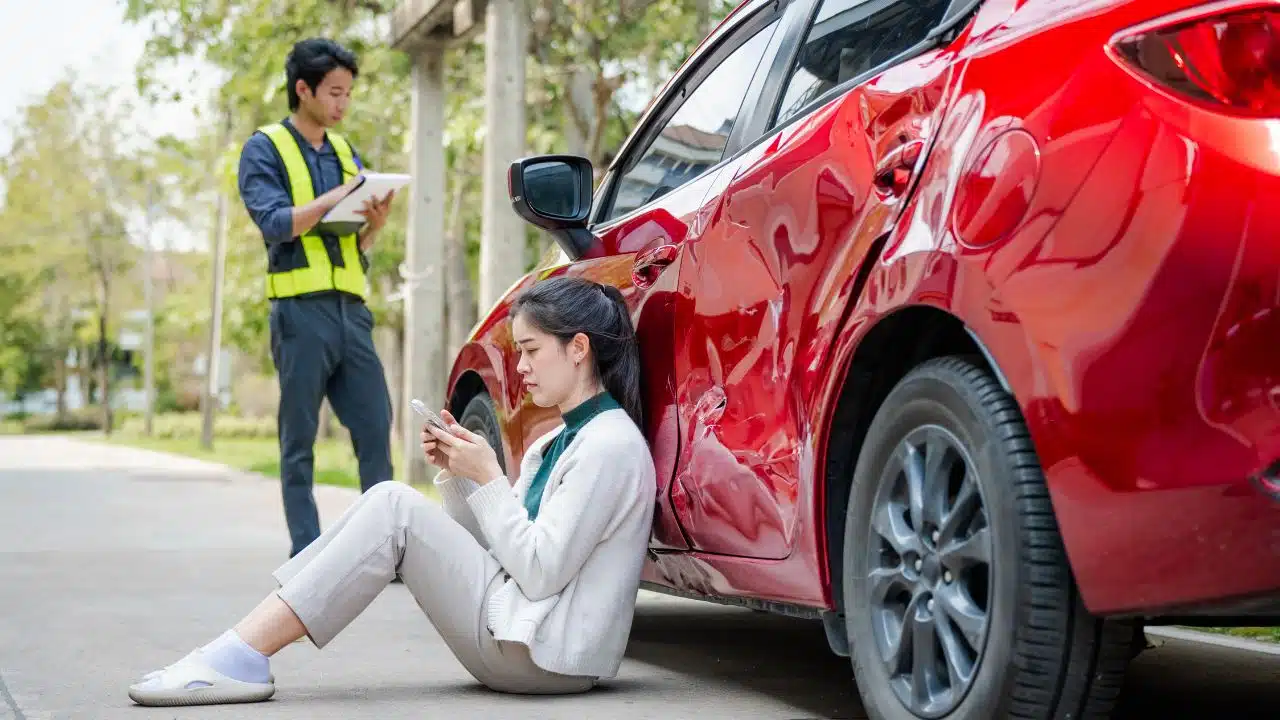
It used to be that when a car hit you, you’d look for the driver. Now, more and more often, there isn’t one. From Silicon Valley test fleets to South Florida’s busy roads, self-driving cars are no longer some distant future. They’re here, and they’re already involved in crashes.
So, what happens when a self-driving car hits a pedestrian, cyclist, or another vehicle? Who’s responsible when the wheel is in the hands of a machine?
Let’s break down how states handle this growing issue, and what it means if you live in Florida, especially in tech-forward cities like Miami.
Self-Driving Cars Are Already on the Road, But Not Everywhere Equally
Autonomous vehicles (AVs) are now legally operating in over a dozen states, with laws and testing programs evolving rapidly. Here’s what it looks like:
- Florida: One of the most AV-friendly states in the U.S. Since 2019, Florida law has allowed self-driving cars without a human inside to operate on public roads. That includes Miami, where tech companies are testing AVs for deliveries, shuttles, and even autonomous ride-share services.
- California: Home to Waymo and Cruise, California has seen multiple self-driving crashes, and it’s one of the few states that requires crash reports from AV companies. However, the legal system there is still figuring out how to handle injury claims where no human driver was involved.
- Texas & Arizona: Both states allow driverless vehicles and have become hotbeds for AV testing. Like Florida, these states don’t require a driver to be physically present.
- New York: One of the strictest states. Testing is allowed but only with human drivers and state police supervision.
Each state handles liability differently, and that’s where things get tricky when a crash happens.
When a Self-Driving Car Crashes — Who’s Liable?
Here’s where the future gets messy. When no one’s holding the steering wheel, it opens up more questions than answers, especially for victims who were hit by an AV or were riding inside one when it crashed.
If You’re Hit by a Self-Driving Car
Let’s say you’re a pedestrian, cyclist, or another driver, and a self-driving vehicle hits you. Who’s responsible?
That depends on several factors:
- Was the vehicle truly autonomous? Most cars on the road today are Level 2 or 3, which still require a human behind the wheel. If they failed to intervene, they’re still liable, not the vehicle.
- Was it a software or hardware failure? Then the manufacturer, fleet owner, or tech company may be responsible.
- Was it a rideshare AV or delivery bot? Liability could fall on the company that owns and operates the fleet, not necessarily the tech provider.
If You’re a Passenger in the AV
Now flip the script, what if you were riding in the AV, just a passenger, and it crashes?In this case, you may still be entitled to full compensation, even if:
- The crash involved another vehicle,
- The AV malfunctioned,
- Or a human backup driver failed to act.
Let’s look at how this is handled in different states.
Florida
Under Florida Statute §316.85, a fully autonomous vehicle can operate without a human driver inside. That means passengers are relying solely on the technology. If something goes wrong, liability could fall on the company that owns the vehicle, the tech provider, or both.
California
Crash victims can access detailed AV crash reports under DMV regulations. However, many AV companies carry minimal insurance or try to shift blame to external causes, even pedestrians.
Arizona
After a fatal Uber AV crash in 2018, Arizona added more requirements for safety reporting. But injured passengers still face legal gray areas when it comes to fault and compensation.
Texas
State law allows AVs without a human driver, and liability depends on whether the vehicle was under operator control or fully autonomous. Most AVs here are tied to large logistics or delivery companies, making commercial insurance critical.
Nevada & Michigan
These states have proactively passed laws defining AV crash liability, but again, determining fault often involves tech forensics, contract tracing, and insurance policy deep dives.
The Real Risks of AV Crashes And Why Victims Need to Be Prepared
Whether you’re a bystander hit by a self-driving vehicle or a passenger riding inside one, the legal aftermath can be surprisingly difficult. Autonomous vehicle companies and insurance carriers are quick to shift blame and rarely take responsibility without a fight.
In many cases, victims are told the crash was due to “environmental interference,” “unexpected pedestrian behavior,” or “navigation errors” beyond the system’s control. When passengers or pedestrians are injured, it’s not uncommon for insurers to claim the victim was distracted, that the vehicle had no reason to brake, or that the person “darted out” unexpectedly.
This is becoming even more important in cities like Miami, Phoenix, San Francisco, and a few others, where autonomous vehicle testing and deployment are increasing in dense urban areas. As these vehicles hit the roads, so do more complicated accident cases, and the burden often falls on victims to prove what really happened.
If you’re injured in a crash involving an AV vehicle in a high-traffic city like Miami or San Francisco, it’s essential to consult with a car accident lawyer in Miami or another city who understands both the technology involved and the specific legal landscape in your area. In AV cases, liability can involve multiple layers: vehicle manufacturers, software developers, fleet operators, and third-party maintenance providers. Proving fault often requires technical analysis, system data access, and aggressive negotiation, and lawyers help with this better than relying on the insurance company will do a fair investigation.
Tips: How to Use AV Safely
As AVs become more common across the U.S., both drivers and pedestrians need to stay vigilant. If you are using or planning to use an AV car, keep in mind the next:
- Know your car’s limits. Most AV systems require you to remain alert.
- Don’t treat it like a chauffeur. It’s not.
- Update software regularly. Just like your phone, bugs get patched.
Self-driving technology may promise convenience, but it’s also rewriting the rules of road safety and liability. As these vehicles become more common in everyday traffic, the risks shift from human error to system failure, software glitches, or gaps in oversight. The challenge now isn’t just how these cars drive. It’s how the rest of us stay safe around them.