Did you wake up to a leaky faucet or a clogged drain this spring? Many homeowners notice more plumbing troubles as the weather gets warmer. Pipes can freeze and crack during winter, then start leaking in spring when everything thaws out.
Wet ground and heavy rain also put extra pressure on old pipes.
Spring is the most active season for plumbing problems at home. Studies show calls for burst pipes and sewer backups jump each year after winter ends. This guide will show you which issues peak in spring, how to spot early warning signs, and easy ways to protect your home from water damage.
Read on, because knowing what to watch for could save you money, time, and headaches!
Common Spring Plumbing Issues
Spring brings some common plumbing headaches. You might find leaky pipes or clogged drains popping up more often.
Leaky Pipes and Faucets
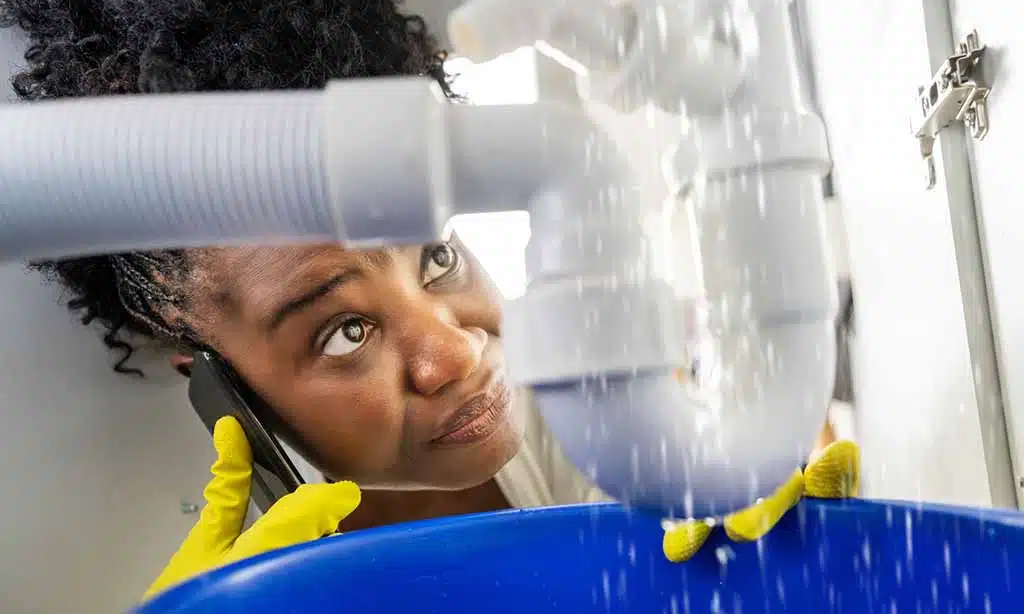
Dripping faucets and leaky pipes pop up a lot as warm weather rolls in. Cold snaps from winter can crack old or weak spots. Water escapes, even if it is only a tiny drip every second.
This waste can cost homeowners over 3,000 gallons of water per year on just one faucet alone, according to the EPA.
Water leaks also lead to high bills and sometimes damage cabinets or floors. “A small leak today could be tomorrow’s flood,” said plumber Rick Masters from Chicago in March 2024.
March through May brings more calls for plumbing repairs than any other season. Check your sinks, outdoor spigots, and laundry hoses often during spring issues. Take care of leaks fast to limit costly damage later down the line.
Clogged Drains and Pipes
Leaky faucets can start the trouble, but blocked drains and pipes step up in spring. Yard work often sends grass, dirt, and sticks into outdoor drains. Heavy rain also pushes leaves, mud, and trash down your gutters.
All this piles up fast inside drainage systems.
Kitchens face their own battle each spring. Bits of food or grease get stuck in sink pipes as families cook more during holidays like Easter and Mother’s Day. Showers slow to a trickle because hair and soap clump together after busy mornings or muddy sports practice.
The fix is simple: use drain screens often, toss waste where it belongs, clean out small blockages quickly before water backs up into sinks or tubs. Homeowners see plumbing issues peak every April through June; more calls come for clogged toilets too as households wake from winter quiet to spring chaos!
Sewer Line Backups
Sewer lines clog up fast in spring. Tree roots grow strong after winter, squeezing pipes and blocking flow. Heavy rain floods the ground, which can push gunk back into your home drains.
Older clay or metal pipes crack more in wet months, letting debris sneak inside. Slow toilets, foul smells, or gurgling sinks mean a backup could be brewing.
Act quick if you notice these signs as backups cause big messes and health risks. A seasonal checklist for plumbing maintenance helps spot trouble early on. Next up is checking water heaters because cold snaps often leave them limping along by springtime.
Malfunctioning Water Heaters
Water heaters can break down in spring. They may not heat water properly or even leak. Cold showers are no fun, especially on chilly mornings. If you notice rust around your heater, that’s a sign of trouble.
Check for strange noises too; these can mean something is wrong inside.
Common issues include faulty thermostats and broken heating elements. These parts wear out over time and need fixes or replacement. A malfunctioning water heater affects your daily life, so it is wise to check it now before the warm weather sets in.
Don’t wait until summer to have hot water again!
Identifying Winter Damage
Winter can be tough on pipes. Check for cracks or burst pipes around your home. Look at outdoor faucets too; they might have been harmed by cold weather. Don’t let hidden damage surprise you this spring.
Keep reading to learn what else to look out for!
Checking for Cracks or Burst Pipes
Look for cracks or burst pipes around your home. These can happen after the cold winter months. Check spots where pipes run through walls and ceilings. Look in basements and crawl spaces too.
If you see damp areas, that could mean a leak. Listen for dripping sounds, as they may point to a problem, too. Call a plumber if you find any issues right away; they can help fix leaks before they cause serious damage.
Catching these problems early saves money and hassle later on!
Inspecting Outdoor Plumbing Fixtures
Check all outdoor plumbing fixtures. This includes hoses, faucets, and irrigation systems. Look for leaks or cracks. Pay close attention to the connections as well.
Turn on the water and watch for drips. A small leak can waste a lot of water over time. Clear any debris around these fixtures too; it helps prevent clogs later on. Make sure your hose is in good shape and doesn’t have any holes.
Regular inspections keep your outdoor plumbing working well during springtime usage.
Preparing for Increased Water Usage
Spring brings more sunshine and outdoor fun, but it also means we use more water. Check your plumbing to make sure everything works right as you prepare for busy days. A little care now can help avoid big problems later.
Want tips on how to keep your pipes happy? Keep reading!
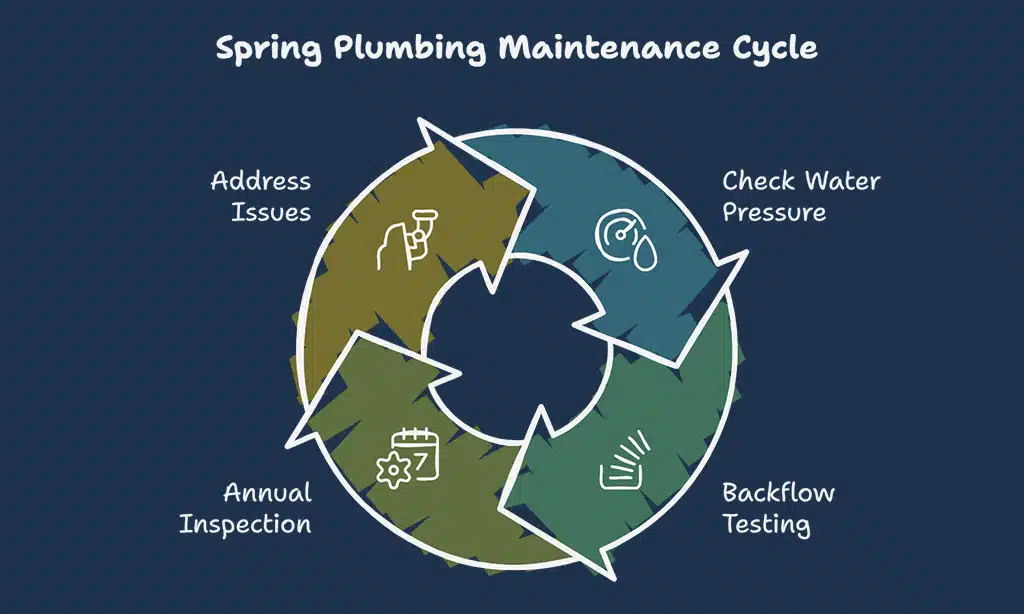
Optimizing Water Pressure
Check your water pressure for good flow. Low pressure can make showers and faucets weak. Check the main valve; it might be closed too tight. A simple twist can fix this.
If you still have issues, consider a pressure regulator. This tool keeps water from rushing too fast or slow. Call a plumber if you notice big changes in your water flow. Keeping pipes clear helps avoid leaks and bursts later on, saving money and time.
Backflow Testing for Safety
Optimizing water pressure helps keep your plumbing in good shape. Backflow testing is another key step for safety. This test checks if dirty water flows back into your clean water supply.
That’s important because you want to drink safe, clean water.
Backflow can happen when there’s a drop in pressure. It might occur during heavy rain or nearby construction work. Testing should be done at least once a year, especially in springtime when the risk is higher.
A simple test can save you from major health risks and costly repairs later on. Make sure your home is safe by scheduling this important check today!
Preventative Maintenance Tips for Spring
Spring is the perfect time to give your plumbing some TLC. Check your drains and clean them to avoid blockages from heavy rain. Also, inspect your sump pumps and storm drains regularly.
Don’t let a small issue turn into a big mess! Want more tips? Keep reading!
Drain Cleaning for Heavy Rain Prevention
Drain cleaning helps prevent flooding during heavy rain. Blocked drains cannot carry away water. Clean your drains before storms hit. This keeps water flowing and stops backups.
Use a plumber to clear out any clogs, leaves, or debris in your drainage system. Regular checks can save you from bigger problems later on, like burst pipes or sewage backups. Keeping your pipes clean means less stress when the rain pours down!
Inspecting Sump Pumps and Storm Drains
After cleaning your drains to stop heavy rain, check your sump pumps and storm drains. Sump pumps help remove water from basements. Make sure they work well before spring storms hit.
Test the pump by pouring water into the pit and watching if it turns on. A working pump keeps your home safe from flooding.
Storm drains also need attention. Clear leaves, debris, or trash that could clog them up. An open drain allows rainwater to flow easily away from your home. Regular checks keep both systems ready for the rainy season ahead.
Takeaways
Spring brings new life to our homes, but it can also cause plumbing issues. Leaky pipes and clogged drains often peak during this season. Checking for winter damage is key to avoiding big problems later.
Easy tasks like testing water pressure and cleaning drains can keep your system running well. Don’t wait until a small leak turns into a flood; take action now! For more tips or help, consider local services that focus on plumbing care.
Keeping your home safe and dry starts with you!