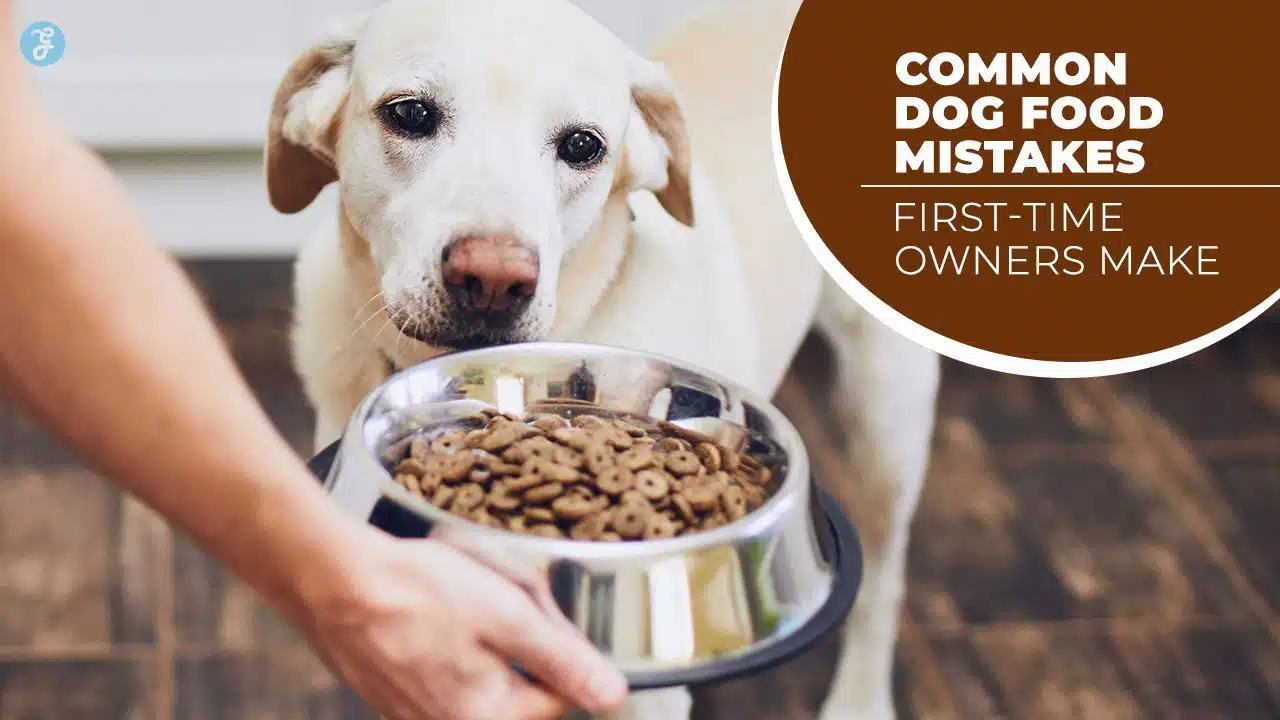
New dog owners flip through pet guides. They wonder if they feed their pup right. They pour extra cups of dry dog food by mistake. Their dogs beg for biscuits at dinner. That can cause weight gain.
It feels like you need a crash course in canine nutrition. US vets say more than half of our pups carry extra weight. We will break down seven common mix ups in dog food. You will learn to set the right portions, read labels, and switch foods safely.
You will see how to store dry dog food in your icebox and keep fresh water ready. You will get tips on food safety and a balanced diet. Keep reading.
Key Takeaways
- 60 percent of U.S. dogs are overweight. Measure food with a cup or scale and split meals into two or three servings to curb weight gain.
- Feed puppies three times a day and adult dogs twice. Use bag guidelines, add up to 20 percent extra on high-activity days, and adjust by age or energy.
- Read labels to find AAFCO-approved foods with real meat first. Check protein, fat, and fiber levels and follow the feeding chart by your dog’s weight.
- Switch foods over ten days by adding only 25 percent new food every few days. Watch for vomiting, diarrhea, or refusal to eat as warning signs.
- Limit treats to 10 percent of daily calories and store dry food in airtight bins away from heat. Freeze new bags for 48 hours to kill bugs.
Are You Overfeeding Your Dog?
Dogs often beg for table scraps, leftover chicken drumstick pieces, or human-grade food, and owners slip extra bites. Those bites add calories, boost caloric intake beyond canine needs, and cause weight gain.
About 60 percent of U.S. pets now rank as overweight or obese, often facing arthritis or heart issues. Nutritionists check a body condition score, they guide proper dog nutrition and pet food portions.
Measure dry dog food with a cup or scale at each planned meal. Spread the daily bag amount across two or three portions instead of free feeding. That trick aids digestion, it boosts weight management.
Marley lost about 1.5 pounds after a vet recommended diet told him to shed 3.5 pounds.
How Should You Adjust Dog Food Portions by Age or Activity?

Adjust portions as your dog grows and moves more. Small tweaks help your dog stay fit.
- Use dry dog food guidelines printed on the bag, match servings to your dog’s ideal weight, and measure with a kitchen scale or food scoop.
- Puppies require more calories per pound, plus extra protein and calcium, to fuel growth and support strong bones.
- Senior dogs need fewer calories; pick a formula with joint support, antioxidants, and high-quality protein for muscle maintenance.
- High activity days demand up to 20 percent extra food; add small increments to meet energy needs for walks, runs, or play sessions.
- Meal times stay consistent; feed young dogs three times a day and adult dogs twice to avoid digestive upset and behavior issues.
- Monitor body condition score; adjust portions to curb obesity or skeletal problems and watch for changes after adding dog treats.
- Consult a veterinary nutritionist for dog nutrition advice, to tweak portions for allergies or special health needs.
What Type of Dog Food Is Best for Your Pet?
Pet parents must pick complete, balanced dog foods that meet AAFCO guidelines or a veterinary nutritionist’s plan for dog nutrition. Quality dry dog food or human-grade food supplies essential nutrients like omega-3 fatty acids, zinc supplements, vitamin D, and tryptophan.
Avoid fillers, artificial colors, and table scraps that can trigger allergies. Add water or serve wet food to boost hydration.
Some owners use a pet nutrition app or a calorie counter to set portions. Rotate proteins every few weeks to cut sensitivities and support digestion. Toss safe vegetables or fruits such as carrots, green beans, blueberries, or sweet potatoes into meals.
Try raw diets or raw pet food only after discussing risks of uncooked meat with a vet and storing portions in the fridge or freezer. Never feed chocolate, grapes, onions, or garlic.
Why Is It Important to Read Dog Food Labels and Ingredients?
Many owners skip labels and pick the flashiest bag. A close look at ingredients weeds out fillers and byproducts. The guaranteed analysis shows protein, fat and fiber amounts. It flags brands skimping on omega-3 oils and vitamins.
You also see feeding directions by weight, so you feed the right portion. A 30-pound dog often needs 2 cups per day, not 4.
Spotting real meats in dry dog food keeps hidden meals from triggering dog food allergies. My friend’s lab once scratched raw from a corn-heavy beef blend. A quick chat with a veterinary nutritionist led her to a goat milk enriched recipe.
Her pup’s coat smoothed out fast. That habit of reading labels pays off in savings, health and wagging tails.
How Can You Switch Dog Foods Safely?
Fast swaps can cause vomiting, diarrhea or refusal to eat. A stepwise plan cuts those risks.
- Weigh each meal, note your dog’s portions of dry dog food or raw dog food with a food-weighing device.
- Talk to a veterinary nutritionist and use AAFCO guidelines to pick the right mix and calorie count.
- Add about 25% of new dog food every few days, so the swap takes around 10 days in total.
- Watch for vomiting, diarrhea, allergic signs or refusal to eat, they hint at a bad mix or pace.
- Cut table scraps and human-grade food treats, they can mask true reactions to the new diet.
- Store open bags in the refrigerator or a cool dry space, toss old leftovers after the swap.
Are You Giving Your Dog Too Many Treats?
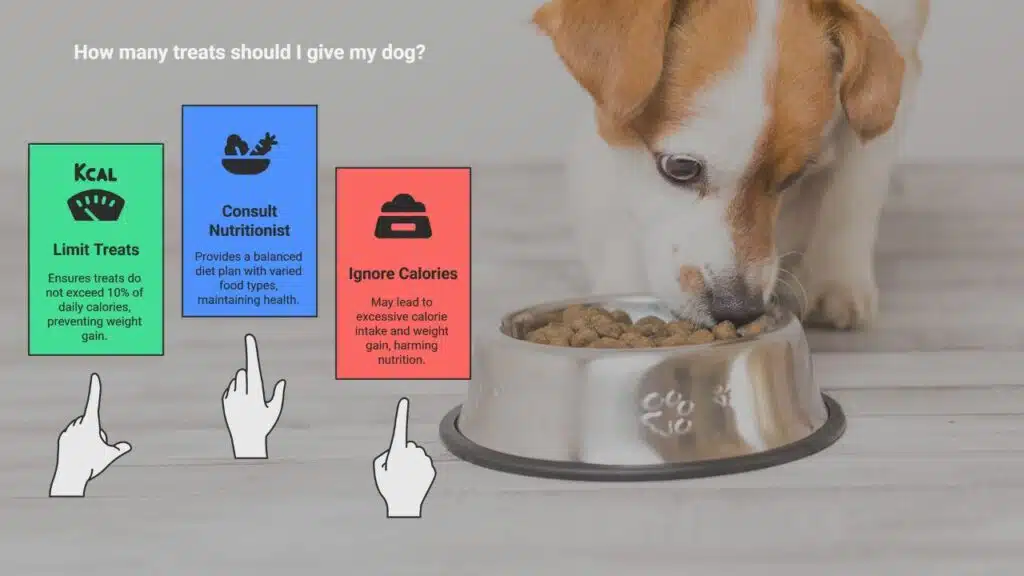
Treats should not exceed 10% of a dog’s daily calorie intake. Owners often grab snacks when dogs beg, without counting calories. Treat calories can pile up, especially for small breeds, and harm dog nutrition.
A mix of dry dog food and table scraps can tip the scale fast. A veterinary nutritionist can offer fun ideas beyond biscuits.
Marley the dog got 10 cat treats daily in a controlled plan that a veterinary nutritionist set up. The diet stayed balanced because the specialist counted each snack. A smart menu mixes raw dog food, dry dog food, and bits of human-grade food.
This simple step keeps pups fit, and cuts the risk of weight gain.
How Should You Store Dog Food Properly?
Storing dry dog food the right way keeps nutrients intact, and protects health. Good storage stops pests and mold from ruining meals.
- Place kibbles in an airtight container sealed tight to curb air and moisture. This shields fresh pieces.
- Store containers in a cool, dry spot far from heat sources like stoves or direct sun. This halts fat going rancid.
- Set bins on a raised shelf, not on the ground, to cut bug or rodent access. This step blocks pest infestation.
- Mark each bin with the delivery date written on a label for rotation. This helps use fresh meals first.
- Freeze a new bag for 48 hours to kill bugs before moving it to the main bin. This prevents larvae from spreading.
- Keep raw dog food separate from dry dog food bins to fight cross contamination. This step protects gut health.
- Seal leftover table scraps and human-grade food in a fridge or freezer to guard against spoilage. This supports dog nutrition.
- Ask a veterinary nutritionist if you spot an odd smell or texture in stored kibbles. This step saves health.
- Check the storage area with a moisture meter before placing bins. This halts damp spots that breed mold.
Why Must You Provide Fresh Water to Your Dog Regularly?
Dogs need fresh water to stay hydrated and active. Lack of clean water raises the risk of dehydration, kidney problems, and lethargy. Each water bowl refill curbs bacterial growth, so change water twice daily.
Dog nutrition experts and a veterinary nutritionist stress the link between hydration and digestion.
Dry dog food pulls moisture from the body, so pets on kibble face extra thirst. A water station near feeding areas keeps water ready. Even raw feeding dogs need water to move nutrients and flush waste.
Proper hydration helps digestion and protects kidney health.
Why Should You Trust Expert Advice Over Marketing Claims?
Marketing claims plaster labels with buzzwords like premium or natural, yet they hide fillers that bulk up carbs and flavors without real nutrition. Staff at Harbourside Animal Hospital in Tampa check dog nutrition and ideal weight, then a veterinary nutritionist guides you through choices such as dry dog food, human-grade meals, raw diets, and proper storage methods.
They spot risky table scraps that disrupt your pup’s diet. A custom feeding plan keeps tails wagging and vets happy.
Conflicting ads confuse new pet owners, so experts examine calorie counts and ingredient ratios. They weigh your dog, measure portions, track growth, and adjust meals. They choose brands that meet AAFCO guidelines, which helps you feel confident while your pet enjoys healthy bites.
Takeaways
Feeding guides on bags hide key details, but you now spot them easily. Small measures boost dog nutrition, life, and energy. Use a scale or cup to portion meals, track age and play levels.
Dog treats can pile on pounds, keep them in a jar, not in the bowl. Fresh water works like magic, keeps tails wagging. A quick call to a nutritionist clears up doubts. Your pup will greet you with sloppy kisses, happy days ahead.
FAQs
1. What dog food mistake hurts dog nutrition most?
Dogs need good protein, fats, and vitamins. Skipping labels is like driving blind, you never know what you miss. This can drain their energy and leave coats dull. Always pick food with clear, full labels.
2. Is giving human-grade food to my dog a good idea?
Human-grade food feels like a treat, it’s fun to share dinner, but it is not a full meal. Chefs add salt, spices, fats, and those can upset a dog’s tummy. Use human-grade food in small bites, only as a reward.
3. How does poor storing dog food ruin its value?
Leaving the bag open or in heat can spoil the batch. Dry dog food picks up moisture, smells, even mold. Store in a cool, dry spot, seal the bag tight to keep it fresh.
4. Can I feed only dry dog food every day?
Dry dog food can meet most dog nutrition needs, but it lacks moisture. Dogs still need fresh water, and a bit of wet food now and then keeps things fun. Check meals for balance to keep tail wags strong.