Have you ever watched the news, seen a storm tearing through a town, and felt that heavy knot in your stomach? You aren’t the only one. A 2025 study from Sacred Heart University found that 63% of young people now report experiencing “eco-anxiety” impacting their daily lives. I used to feel the same way, stuck between worrying and wondering if posting a hashtag actually does anything. But here is the good news I want to share with you: In 2026, we are seeing proof that all that noise is finally turning into gears grinding forward.
Climate activism has made a massive leap from shouting in the streets to writing the actual rules we live by. This isn’t just about hope; it’s about the hard numbers and new laws proving that teamwork works. Grab a coffee, and I’ll walk you through exactly how people like you helped make this shift happen.
The Evolution of Climate Activism
Climate activism has grown stronger, louder, and wider. People from all walks of life now use new tools and fresh tactics to push for a greener tomorrow.
Moving from Grassroots Protests to Global Movements
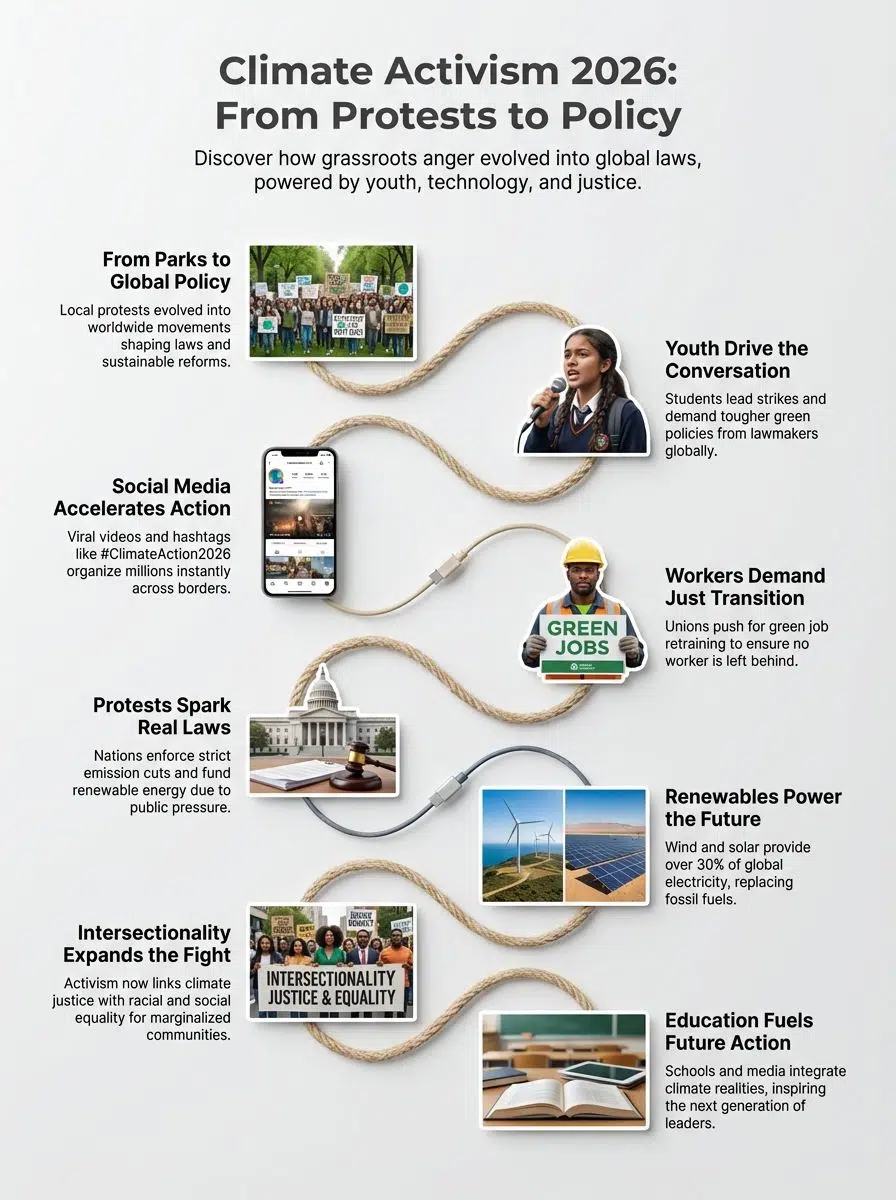
Remember when activism just looked like small groups with hand-painted signs gathering in city parks? Those days of isolated shouting are gone. By 2026, local protests have grown into a synchronized global machine. Organizations like Fridays for Future and Extinction Rebellion didn’t just team up; they integrated their strategies.
Now, a march in New York City happens at the exact same moment as one in Nairobi, coordinated through encrypted apps to maximize impact. We saw this clearly during the “Global Day of Action” leading up to COP30, where millions mobilized across borders simultaneously.
“A movement is not a flash of light; it’s a torch passed from one hand to another.”
This unity forced leaders to listen. When 72% of young voters say they back candidates supporting aggressive climate policy, as shown in recent 2024 polling, politicians realize that ignoring these voices is a quick way to lose an election.
Youth’s Impact on Climate Discussions
Young people drive climate discussions with fresh ideas and bold voices. In 2026, students don’t just stage strikes; they sit on advisory boards. They push leaders to act faster on climate change and demand tougher green policies from lawmakers.
Greta Thunberg remains a symbol of this shift, but the movement is now full of local leaders. Kids challenge old systems that slow down action. Many join local councils or help shape city plans for renewable energy.
- Viral Velocity: Social media turns their messages viral in seconds. One TikTok video explaining a complex carbon tax can spark real change across borders overnight.
- Direct Pressure: Youth activism gives urgency to climate talks. Loud protests outside government buildings often force new laws into debate rooms within the next week.
- Political Risk: Politicians know that ignoring young activists puts votes at stake in future elections.
Driving Forces Behind Climate Activism in 2026
People want action because they see changes all around them. New tools help their voices reach far and wide, stirring things up in big ways.
Escalating Impacts of Climate Change
We are reacting because the weather has forced us to. Rising temperatures and stronger storms are no longer abstract threats; they are Tuesday’s weather forecast. After the record-breaking heatwaves of 2024 and 2025, which dried up rivers across Europe and strained US power grids, the reality hit home.
Children often see orange skies from wildfires on their way to school. Farmers struggle as rain patterns change, turning green fields into dust bowls overnight. These events push climate activism forward at a record pace.
Every fraction of a degree matters, said the UN Secretary-General during COP27.
Role of Social Media and Digital Outreach
Teenagers use TikTok, Instagram, and Twitter to share climate news fast. Hashtags like #ClimateAction2026 or #GreenPolicies help posts spread worldwide in minutes. But it is more than just sharing videos; it is about digital organizing.
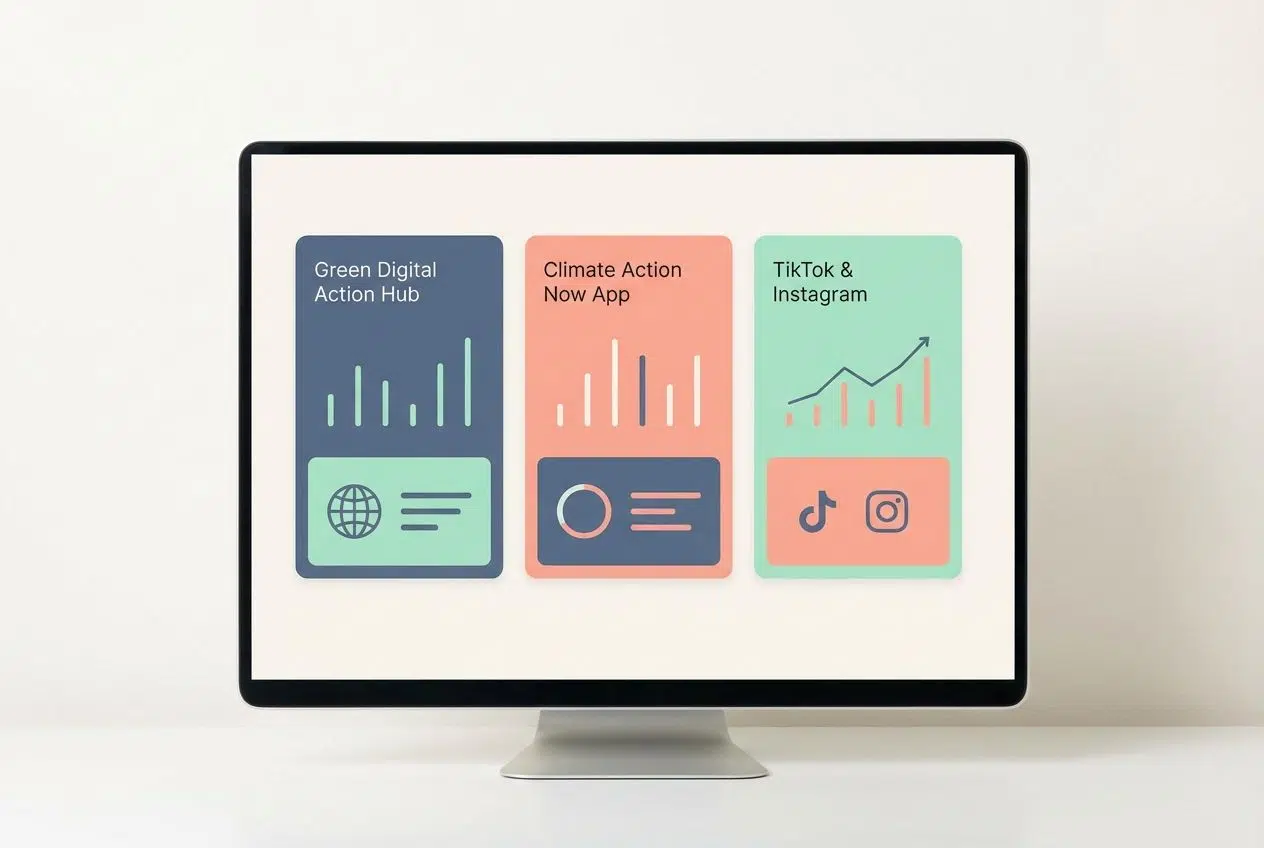
New tools have changed the game:
| Tool/Platform | How It Helps You Act |
|---|---|
| Green Digital Action Hub | Launched at COP30, this platform connects activists directly with open data on emissions, making it harder for companies to hide pollution. |
| Climate Action Now App | Allows users to send pre-written, impactful messages to their representatives in seconds, turning “slacktivism” into legislative pressure. |
| TikTok & Instagram | Used not just for trends, but to broadcast livestreams of town halls, holding local officials accountable in real-time. |
Corporate Responsibility and Public Influence
Big companies now shape how people think about climate change. Some brands cut pollution, switch to renewable energy, or support green policies. In 2026, more firms joined sustainability initiatives after facing pressure from the public and activists online.
Many feared being called out for “sportswashing” or ignoring their impact on nature. People care about where their goods come from and want cleaner choices. For instance, the updated FTC “Green Guides” have made it much riskier for companies to make vague eco-friendly claims without data to back them up.
Public influence keeps growing because social movements use digital tools to call out greenwashing fast. When a major tech company claims to be carbon neutral but buys cheap offsets, activists expose the receipts within hours, forcing leaders to rethink old habits.
Prominent Movements in Climate Activism
People everywhere rally for climate action in fresh and bold ways. These movements keep pushing the needle, stirring up hope and driving real talk on change.
Youth for Climate Action Initiative
Teens and young adults stand up for our planet. The Youth for Climate Action Initiative grows fast, powered by social media and strong voices. Students march in cities, town squares, and even online.
They share facts about climate change, like 2025 being the hottest year yet on record. Many teens meet with leaders to push for green policies. They call out companies using dirty energy or wasting resources. Some groups have helped pass local rules that cut single-use plastics in schools and parks.
Rise of Just Transition
Workers, unions, and activists now push hard for a just transition. They call for fair treatment during the shift from fossil fuels to clean energy. This isn’t just a slogan; it’s a job program.
Take the Washington Climate Corps Network, for example. In 2025, they announced nearly $1.5 million in grants to fund projects like restoring estuaries and preparing communities for extreme heat. This state-level success shows that even when federal progress stalls, local corps can pay people to protect their own backyards.
The focus is on justice, so no one gets hurt by the change meant to stop climate change itself. More governments write Just Transition plans into national Climate Action Plans now, thanks to public pressure and big strikes in early 2025 across Europe and Latin America.
Global Climate Strikes Overview
Schoolchildren in more than 150 countries skipped class and filled city streets throughout 2026. They held signs, chanted slogans, and called for urgent climate action. Fridays for Future led the charge with massive strikes each March and September.
Greta Thunberg marched at the front in Stockholm, while young people rallied everywhere from New Delhi to Nairobi. Over five million joined protests on one day alone. Demands became louder as wildfires, floods, and heatwaves grew worse worldwide.
Policy Shifts Stemming from Climate Protests
Climate protests have sparked sweeping new laws and bold plans, so if you want to see how voices from the streets shape the rules we live by, keep reading!
National Climate Action Plans
Many countries set up National Climate Action Plans after climate protests made waves in 2020 and beyond. These plans push for real steps, not empty words. They often call for cutting greenhouse gas emissions by big numbers, sometimes as high as 50 percent by the year 2030.
Governments work with local groups, scientists, and even young activists to shape these green policies. Some plans put money into solar panels or wind turbines to make towns less dependent on coal or oil. The impact of the Inflation Reduction Act in the US continues to ripple out, funding billions in clean energy projects despite political debates.
Transition to Renewable Energy Solutions
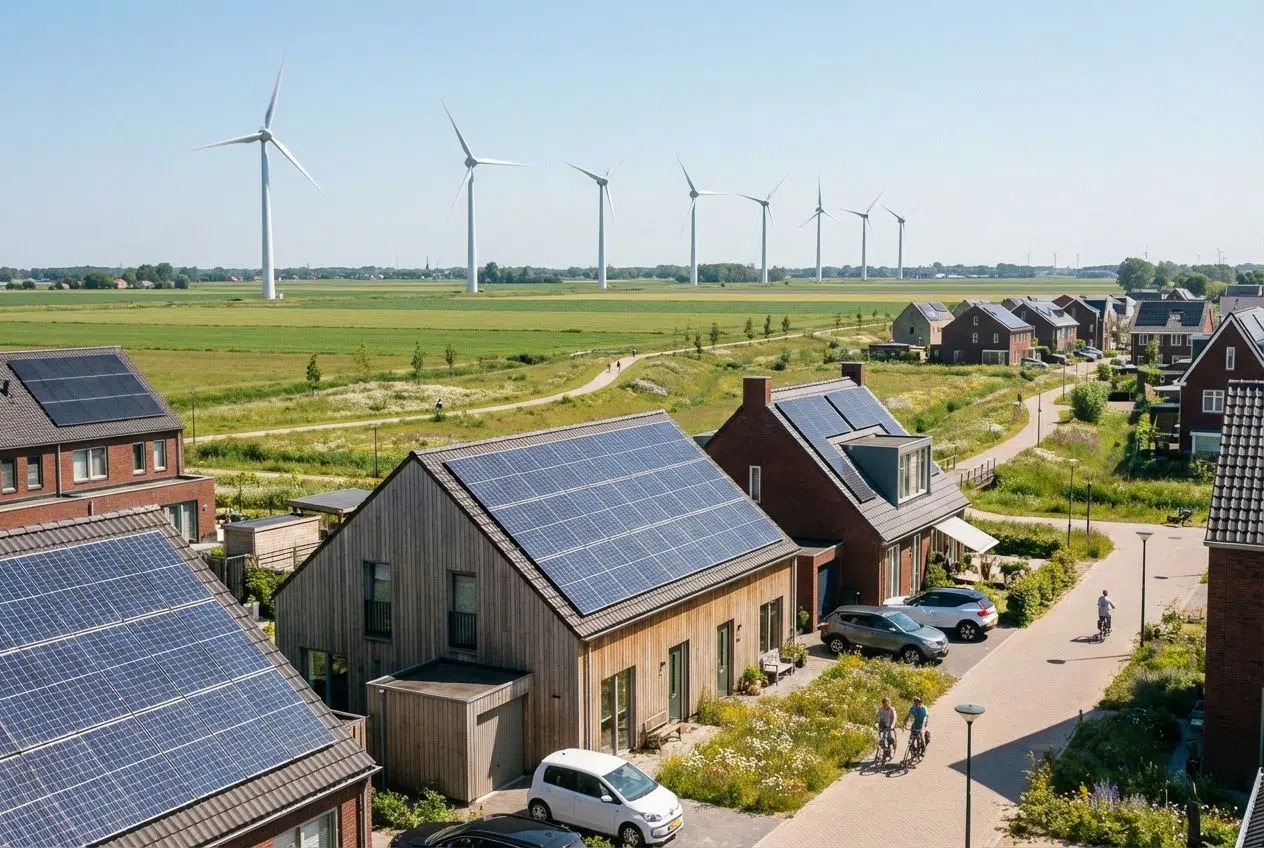
Solar panels now dot rooftops in cities and small towns. Wind farms spin across open fields, making clean power from a simple breeze. In 2026, the data shows incredible progress: the US energy storage industry installed a record-shattering 57.6 gigawatt-hours (GWh) of new capacity in 2025 alone.
That is a 30% increase from the previous year. This boom in battery storage means that solar and wind power can be used even when the sun isn’t shining or the wind isn’t blowing.
- Lower Bills: Families notice smaller power bills each month as more neighborhoods join the switch to renewable energy sources.
- Job Growth: These solutions create new jobs in the technology and construction fields.
- School Power: Schools use solar panels to cut costs and teach kids about sustainability.
Global Cooperation through COP30 Initiatives
Leaders, activists, and experts from over 190 countries met at COP30 in Belém, Brazil. They set big targets to lower carbon pollution before 2030 and showed support for small island nations.
COP30 pushed rich countries to give more money for clean energy projects in Africa and Asia. The Loss and Damage Fund grew with new pledges aiming to help areas hit hardest by climate change disasters. Discussions turned into action as groups teamed up on forest protection plans, focusing heavily on the Amazon rainforest where the conference was held.
Influential Figures in Climate Activism
Some people stand out for their bold actions and clear voices. Their passion can spark new ideas, open eyes, and get more hands on deck.
Greta Thunberg and the Youth-Led Movement
Greta Thunberg started skipping school back in 2018. She began with one simple protest outside the Swedish parliament, holding a cardboard sign. This act sparked Fridays for Future, a global climate strike that has since drawn millions of students to city streets worldwide.
In 2026, young activists fill classrooms and town halls with calls for urgent policy reform on climate change. They push leaders to create stronger National Climate Action Plans and support renewable energy solutions.
Leah Thomas and Intersectional Environmental Advocacy
Leah Thomas stands out as a strong voice for intersectional environmental advocacy. She stresses that climate justice must include social justice, too. Leah started the Instagram page “Intersectional Environmentalist” in 2020, where she brings together people of many backgrounds.
Her work has only grown in influence. In 2025, she was a keynote speaker at the Verdical Group’s Net Zero Conference, bringing her message to major industry leaders. Her idea is clear: Black, Indigenous, and People of Color face higher risks from climate change and pollution.
David Attenborough’s Global Environmental Impact
David Attenborough has inspired millions of people to care about the planet. His nature shows, like “Planet Earth” and “Our Planet,” reached over 500 million viewers worldwide by 2023. These films showed real-life effects of climate change, from melting ice caps to shrinking wildlife habitats.
Many schools now use his documentaries in science classes, sparking young minds everywhere. World leaders often mention his work at summits and policy talks. He spoke at COP26 in Glasgow in 2021 and urged governments to take clear action against global warming.
Innovations in Climate Activism
Tech tools and new ideas are giving activists fresh ways to get their message out. People from different countries now work together more closely than ever, making every voice count.
Digital platforms amplifying voices
Facebook, TikTok, and Instagram now work as global megaphones for climate activism. A 15-year-old in Brazil can share a protest video that inspires action across Europe. Hashtags like #ClimateJustice push messages into millions of feeds overnight.
In 2026, activists use livestreams to show marches and teach about green policies right from their phones. Apps help people sign petitions or start grassroots campaigns with just a few taps. Voices from Indigenous communities and youth groups reach world leaders without ever leaving home.
Creative campaigns and storytelling approaches
Digital tools boost activist voices, but creative campaigns shape hearts. Youth-led groups paint huge climate murals on city walls. Their art shows the danger of rising seas and melting ice caps.
Brands jump in with “green” ads during big sports events, trying to show how they help. Still, some activists call this sportswashing, waving signs at matches or concerts to get seen by all ages. Short films pop up on social media feeds daily; kids act as reporters sharing how drought affects their food and water at home.
Collaborative efforts across borders
Climate activists work together, no matter where they live. Groups from the United States, Brazil, Nigeria, and India all share ideas online. They use digital platforms to plan global protests and campaigns for policy changes that protect everyone.
In 2026, over 150 countries joined forces at COP30 in Brazil. Leaders agreed on fair climate actions and green policies to slow climate change. These shared efforts build stronger movements than anyone could alone.
Obstacles to Climate Activism Success
Climate activism faces tough hurdles like political pushback and tangled facts, but there’s plenty more to uncover if you keep reading.

Political Barriers and Policy Inadequacies
Leaders often stall climate action for votes or profit. Some push weak green policies, then keep polluting industries happy behind closed doors. Many national plans miss the mark and fail to cut emissions fast enough, even if the protests roar outside capitols worldwide.
COP30 goals might sound bold on paper, but rules stay loose and let big polluters off easy. Small changes end up watered down by political fights. In some places, laws block or punish peaceful protestors instead of listening to them.
Public Disengagement and Misinformation Challenges
While political hurdles slow progress, public disengagement throws sand in the gears, too. Many people tune out climate change news because it feels scary or confusing. Social media can spread false stories, muddying facts about activism, policy, and even basic science.
Some groups push fake claims to protect their own profits or keep old habits alive. Myths say one person’s actions do not matter or that green policies will ruin jobs. Youth-led movements fight back by using simple language and bold images online to counter bad information.
Future Directions for Climate Activism
Tomorrow’s climate activism lights a fire under new ideas, demands fairness, and spreads knowledge far and wide—stick around to see where this journey heads next!
Strengthening Movements for Greater Influence
Bigger alliances create louder voices in climate activism. Groups like Youth for Climate Action bring students, workers, and teachers together. These teams push leaders to make green policies real, not just promises.
Social media helps people from different countries share skills fast. A single hashtag can spark action worldwide within hours. Clear goals keep everyone moving forward. Many activists press for strong laws on renewable energy and sustainability initiatives that help all communities, not just a few places.
Emphasizing Human and Climate Justice
Climate justice links people’s rights to the health of our planet. Many activists, like Leah Thomas, say that those hurt most by climate change often have the fewest resources. Hurricane Ida in 2021 gave us a clear warning.
Poor and minority neighborhoods got hit hardest and took the longest to bounce back. These stories push leaders to make policies that protect everyone, not just big cities or wealthy areas.
This “human justice” focus drives initiatives like the Justice40 Initiative in the US, which aims to deliver 40% of the overall benefits of federal climate investments to disadvantaged communities. It is a slow process, but it is rewriting how federal money is spent.
Expanding the reach of climate education
Schools, libraries, and even sports clubs now offer lessons on climate change. A major victory came in November 2025, when New York joined New Jersey and Connecticut in mandating climate education for students. By the 2027-28 school year, students in grades 5-12 will have climate science integrated directly into their curriculum.
- Local Heroes: Community leaders invite local heroes to speak about renewable energy plans or clean water successes.
- Digital Learning: Kids use podcasts and science games to learn faster than ever before.
- Home Talks: Parents discuss green policies with children at dinner tables.
The Bottom Line
Climate activism in 2026 shows no signs of slowing down. People push for real results every day, from the streets to the halls of government. Young leaders like Greta Thunberg spark hope and action, while local protests keep pressure on world leaders to move beyond talk into policy change.
Social media keeps news moving fast, spreading climate justice stories across borders in seconds. Clean energy plans gain speed as more countries agree at global meetings like COP30 to work together.
Every voice counts because collective action shapes new laws, green policies, and helps stop climate change before it’s too late.