Many people tend to use the terms “global warming” and “climate change” interchangeably, but although they are related, they’re not the same thing. A NASA scientist recently clarified the differences between the two, shedding light on what sets them apart.
Global warming refers specifically to the long-term increase in Earth’s average surface temperature, mainly due to human activities like burning fossil fuels. On the other hand, climate change encompasses not only temperature changes but also other shifts in weather patterns, including precipitation, wind, and more.
In short, while global warming is a significant aspect of climate change, the latter term covers a broader range of environmental shifts. Understanding these nuances is crucial for a comprehensive view of our planet’s changing climate, and thanks to experts like those at NASA, we can continue to deepen our knowledge in this critical area.
Global warming
Dr. Yolanda Shea, an atmospheric scientist with NASA, has provided some clarity on the concept of global warming. She explains that global warming refers specifically to the rise in Earth’s average surface temperature. This isn’t a random occurrence but rather a direct result of human activities.
As we burn fossil fuels, we release more heat-trapping greenhouse gases into the atmosphere. These gases act like a blanket around the planet, trapping heat and causing the overall temperature to rise. This gradual heating of the Earth’s surface is what we know as global warming.
It’s a subject that has broad implications for our environment and is directly linked to human behavior. By understanding the connection between our actions and the warming planet, we can better appreciate the importance of responsible energy consumption and environmental stewardship.
Climate Change
Climate change, unlike global warming, is a broader term that encompasses long-term shifts in the environment that occur over decades or even centuries. It’s not just about the temperature; it includes all sorts of changes in typical weather patterns that can be observed on both regional and global scales.
Signs of climate change are all around us, and they’re more than just a rise in the Earth’s average temperature. From the melting of glaciers and increased wildfires to prolonged droughts, these changes paint a complex picture of a planet in flux.
It’s a phenomenon that’s about more than just numbers and data. These shifts in our environment affect ecosystems, weather patterns, and even our daily lives. Understanding climate change means recognizing these broader changes and what they indicate for the future of our planet. Whether it’s more frequent storms or changes in agricultural patterns, climate change is a reality that we’re all living with, and its effects are something we’ll continue to navigate in the years to come.
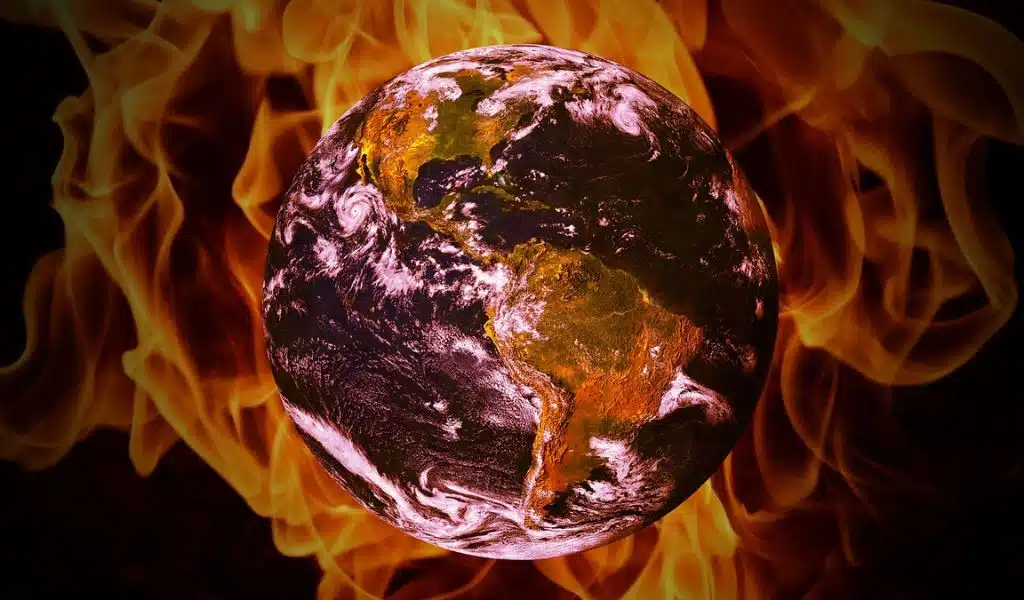
‘Global Boiling’ Era Begins in the World
Global warming and climate change are no longer abstract concepts; they are pressing realities that NASA and various other research organizations are studying extensively. This urgency was recently emphasized by United Nations Secretary-General António Guterres, who made a bold announcement about our world’s environmental state.
Speaking at the UN Headquarters, Guterres declared that we’ve moved past the era of global warming and entered what he termed the “global boiling” era. His words reflect a stark and dire change in our planet’s climate, one that demands immediate attention and action.
But Guterres didn’t just offer a warning; he also expressed a glimmer of hope. Despite the evidence of climate change and its devastating impacts, he insisted that “we can still stop the worst.” The key, he emphasized, is turning our collective concern and awareness into decisive action.
“We must turn a year of burning heat into a year of burning ambition,” he said, urging nations and individuals alike to rally together to address this global challenge.
Guterres’s words serve as a powerful reminder that we’re not helpless in the face of climate change. We have the knowledge, tools, and passion to make a difference. Now it’s up to us to harness that “burning ambition” and take the necessary steps to protect our planet.