
Car insurance is a vital expense for drivers across the United States, but its cost can vary drastically depending on where you live. In 2025, as living expenses continue to rise, finding the cheapest car insurance rates in US states is more important than ever.
This article explores the top 10 states offering affordable premiums and provides actionable tips to save even more on your policy.
Additionally, we dive into practical insights and up-to-date data to ensure you get the best value for your insurance needs.
How Are Car Insurance Rates Determined?
Understanding how car insurance rates are calculated helps you grasp why some states offer cheaper premiums than others.
Key Factors Affecting Car Insurance Rates
Location-Based Factors
- Traffic Density: States with fewer vehicles on the road tend to have lower accident rates, reducing insurance premiums.
- Weather Risks: Areas with milder weather face fewer natural disasters, which can significantly affect premiums.
- Crime Rates: Lower car theft and vandalism rates help reduce costs.
Driver-Specific Factors
- Driving Record: Clean records mean lower premiums, while tickets or accidents increase costs.
- Credit Score: Many insurers use credit history as a determinant for risk assessment.
- Age and Experience: Younger and less experienced drivers often pay more.
Vehicle-Related Factors
- Car Model and Safety Features: Vehicles with advanced safety technology typically enjoy discounts.
- Age of the Car: Older cars may cost less to insure but lack discounts for modern safety features.
Factors Affecting Premiums
| Factor | Impact on Premiums | Example |
| Traffic Density | Lower density = cheaper | Rural states like Idaho |
| Weather Risks | Mild weather = cheaper | States like Maine with minimal hurricanes |
| Driving Record | Clean record = discounts | No claims in 3 years |
| Credit Score | Higher score = lower rates | Credit score above 700 |
| Car Model & Safety | Safer cars = discounts | Vehicles with collision-avoidance tech |
Why Some States Offer Cheaper Car Insurance
Insurance premiums often reflect local conditions. States with fewer accidents, lower medical costs, and competitive insurance markets tend to offer more affordable options. Additionally, state laws and regulations play a significant role in setting limits on insurance rates.
For example, states like Ohio and Vermont have strong consumer protection laws that regulate how insurers calculate premiums.
Moreover, these states have low claims frequency due to a combination of safer driving environments and demographic factors such as older, more experienced drivers.
Top 10 States With the Cheapest Car Insurance in 2025
Here’s a detailed look at the states where you’ll find the cheapest car insurance rates in the US. Each state’s affordability is driven by unique factors such as traffic conditions, crime rates, and insurer competition.
1. Ohio
Ohio consistently ranks as one of the most affordable states for car insurance due to its low traffic congestion, minimal crime rates, and highly competitive insurance market. In 2025, Ohio drivers benefit from stable premiums and various policy discounts. For instance, a driver with a clean record may see a 20% reduction when bundling home and auto policies.
- Average Annual Premium: $1,023
- Why It’s Affordable: Low traffic density and competitive market among insurers.
- Top Insurance Providers: State Farm, GEICO, Progressive.
| Feature | Details |
| Average Premium | $1,023 |
| Crime Rates | Among the lowest in the US |
| Traffic Congestion | Minimal in major cities |
| Insurer Competition | High |
2. Vermont
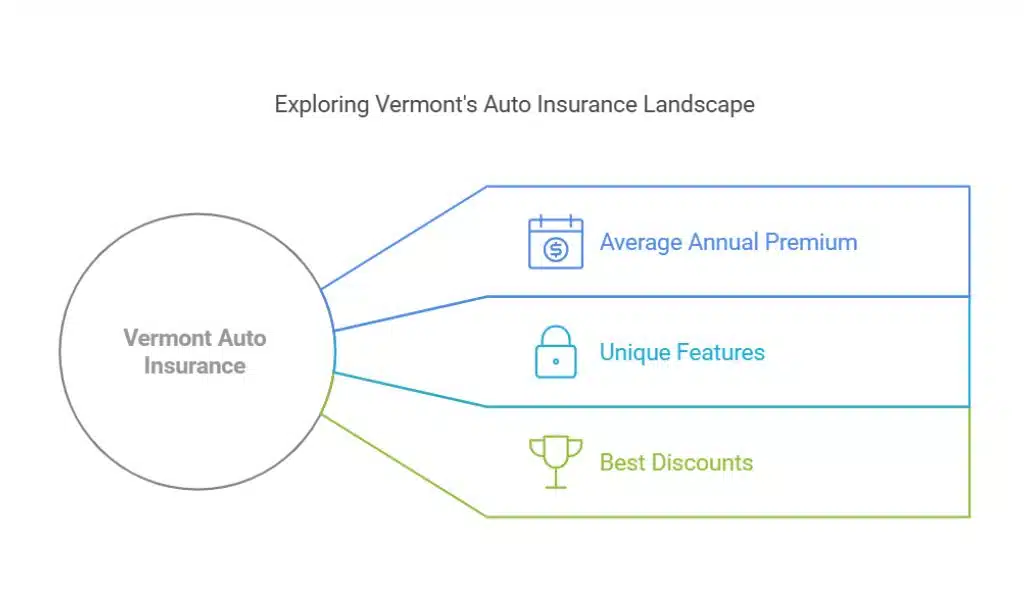
Vermont’s low population density and strict state regulations on insurance rates contribute to its affordability. Drivers also benefit from low crime rates and minimal traffic congestion, making it an ideal place for budget-conscious motorists. A notable case in Vermont involved a young driver receiving a 25% discount through GEICO’s good student program.
- Average Annual Premium: $1,035
- Unique Features: Low crime rates and minimal traffic congestion.
- Best Discounts: Multi-policy and good driver discounts.
| Feature | Details |
| Average Premium | $1,035 |
| Crime Rates | Very low |
| Discount Availability | High |
| Insurer Presence | Moderate |
3. Maine
Maine stands out due to its strong consumer protection laws, which prevent insurers from hiking rates excessively. The state’s low accident rates and competitive market will keep premiums low in 2025. Additionally, older drivers can benefit from Maine’s unique safe driver programs, which offer substantial premium reductions.
- Average Annual Premium: $1,041
- Why It’s Affordable: Strict regulations on premium increases and high competition among providers.
- Top Providers: Allstate, Liberty Mutual, USAA.
| Feature | Details |
| Average Premium | $1,041 |
| Accident Rates | Below national average |
| Regulatory Oversight | Strong |
| Insurer Competition | High |
4. Idaho
Idaho’s wide-open roads and low population density contribute to fewer accidents and claims, resulting in affordable car insurance rates. Drivers also benefit from low repair costs compared to other states. A practical example includes telematics discounts offered by State Farm, which can save Idaho drivers up to 15% annually.
- Average Annual Premium: $1,054
- Features: Low accident rates and affordable healthcare costs.
- Best Insurance Companies: Farmers, American Family, State Farm.
| Feature | Details |
| Average Premium | $1,054 |
| Traffic Density | Very low |
| Healthcare Costs | Affordable |
| Insurer Competition | Moderate |
5. New Hampshire
New Hampshire is unique as it doesn’t mandate car insurance for all drivers, significantly lowering administrative costs. However, the state still offers robust options for those seeking coverage. For example, drivers using Nationwide’s accident forgiveness program have reported significant savings on renewal rates.
- Average Annual Premium: $1,067
- Unique Benefits: No mandatory car insurance law reduces administrative costs.
- Popular Providers: GEICO, Nationwide, USAA.
| Feature | Details |
| Average Premium | $1,067 |
| Mandatory Insurance | Not required |
| Claims Frequency | Low |
| Discount Availability | Moderate |
6. Wisconsin
Wisconsin’s low population density and moderate accident rates make it a cost-effective state for car insurance. The state also benefits from relatively affordable healthcare and repair costs. A real-life example includes a Wisconsin-based family saving 15% by enrolling in State Farm’s Drive Safe & Save program.
- Average Annual Premium: $1,078
- Why It’s Affordable: Low repair costs and rural geography.
- Top Insurance Providers: Allstate, State Farm, Progressive.
| Feature | Details |
| Average Premium | $1,078 |
| Traffic Density | Low |
| Repair Costs | Affordable |
| Discount Availability | High |
7. Iowa
With low traffic volumes and fewer accidents per capita, Iowa offers affordable car insurance premiums. Additionally, farmers and rural drivers in Iowa often receive tailored discounts. For instance, insurers like the American Family provide agricultural workers with specialized savings.
- Average Annual Premium: $1,090
- Why It’s Affordable: Low accident rates and rural demographics.
- Best Discounts: Telematics-based programs like Progressive Snapshot.
| Feature | Details |
| Average Premium | $1,090 |
| Claims Frequency | Low |
| Rural Population | High |
| Telematics Programs | Widely available |
8. Wyoming
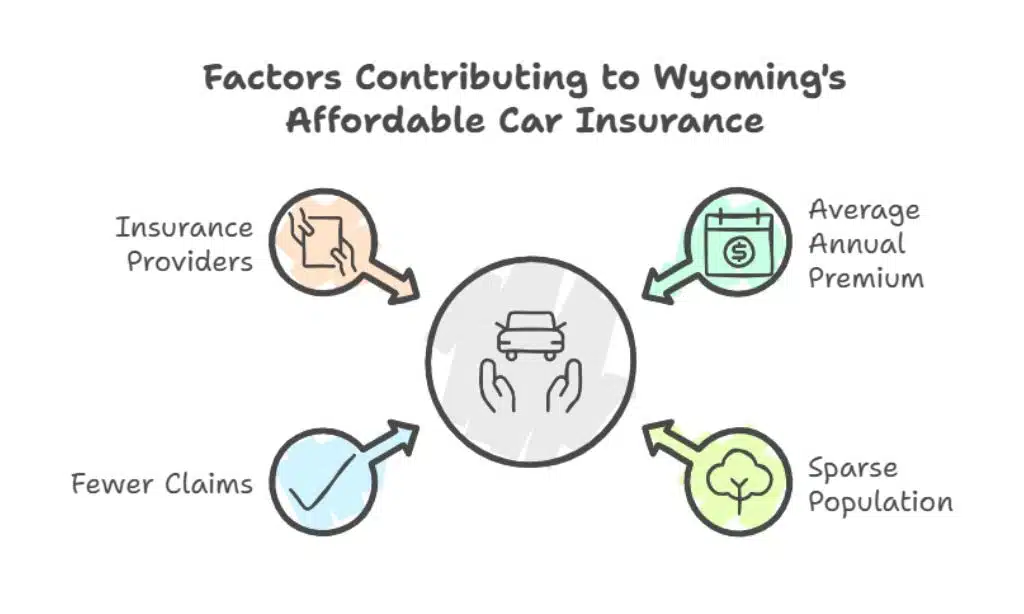
Wyoming’s sparse population and wide-open spaces result in fewer traffic incidents, contributing to its affordable insurance rates. A notable case involves drivers saving up to 20% through Nationwide’s Vanishing Deductible program.
- Average Annual Premium: $1,105
- Why It’s Affordable: Sparse population and fewer claims.
- Providers to Consider: Nationwide, Liberty Mutual, Allstate.
| Feature | Details |
| Average Premium | $1,105 |
| Population Density | Very low |
| Claims Volume | Minimal |
| Discount Programs | Extensive |
9. Indiana
Indiana’s mix of suburban and rural environments contributes to its low premiums. The state also boasts affordable healthcare costs, which play a significant role in keeping insurance expenses manageable. A practical example includes drivers benefiting from GEICO’s accident forgiveness program.
- Average Annual Premium: $1,120
- Unique Features: Affordable medical costs and competitive insurance laws.
- Best Discounts: Safe driver and low-mileage options.
| Feature | Details |
| Average Premium | $1,120 |
| Healthcare Costs | Affordable |
| Safe Driver Programs | Widely available |
| Regulatory Oversight | Strong |
10. North Dakota
North Dakota offers low premiums thanks to its high percentage of rural drivers and minimal traffic congestion. The state’s safe driving environment also helps reduce claims frequency. A young driver saved 18% using State Farm’s Steer Clear program, highlighting the state’s accessible discounts.
- Average Annual Premium: $1,132
- Why It’s Affordable: Low accident rates and a rural driving population.
- Recommended Providers: Farmers, USAA, State Farm.
| Feature | Details |
| Average Premium | $1,132 |
| Traffic Congestion | Minimal |
| Rural Drivers | High |
| Discount Opportunities | Significant |
Final thoughts
Finding the cheapest car insurance rates in US states can save you hundreds of dollars annually. States like Ohio, Vermont, and Maine lead the pack in affordability due to their unique demographics and insurance laws.
By understanding how rates are calculated and exploring discounts, you can secure a policy that fits your budget while maintaining excellent coverage.
Start by comparing quotes today to find the best deal for your needs. For more expert advice on savings and coverage, check out Editorialge.