India’s Chandrayaan-3 Successfully Enters Moon Orbit, Sets Sights on South Pole

Chandrayaan-3

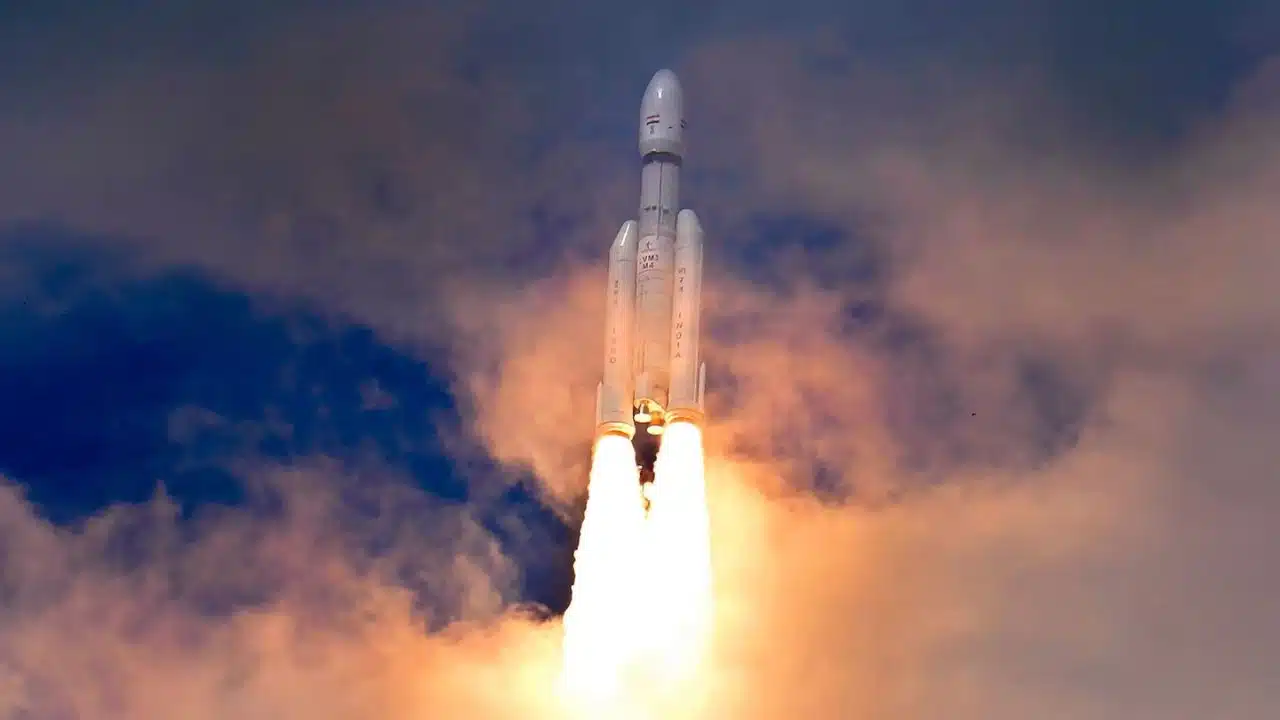
The Indian Space Research Organisation (ISRO) has announced that their most recent Moon mission, Chandrayaan-3, has successfully entered the lunar orbit. The spacecraft, carrying an orbiter, lander, and rover, was launched on 14 July and plans to land on the Moon’s surface between 23 and 24 August. If all goes to plan, India will be the first nation to land in the Moon’s less-explored south pole, making it only the fourth country to achieve a soft lunar landing after the US, the former Soviet Union, and China.

Chandrayaan-3 spent over a week orbiting Earth before using a slingshot manoeuvre to propel it into the translunar orbit last Tuesday. This mission follows up on India’s earlier lunar explorations, aiming to push further into the mysteries of the Moon.

The first of these missions occurred in 2008, and it made a surprising discovery: water molecules exist on the Moon’s arid surface. It also proved that the Moon has an atmosphere during the day. The follow-up mission, Chandrayaan-2, launched in July 2019, had a partially successful run. Its orbiter is still in orbit around the Moon, conducting studies, but the lander-rover failed to stick the landing and ended up crashing.

ISRO’s chief, Sreedhara Panicker Somanath, has assured that they’ve used the data from the previous failure to help shape Chandrayaan-3’s mission. Weighing in at 3,900kg and costing 6.1bn rupees ($75m; £58m), this mission carries a 1,500kg lander (named Vikram after the ISRO’s founder) and a 26kg rover named Pragyaan, which translates to “wisdom” in Sanskrit.

Following the spacecraft’s exit from Earth’s orbit, ISRO tweeted about the successful perigee-firing that placed the spacecraft in the translunar orbit, signalling that the Moon is its next destination. With the spacecraft now orbiting the Moon, scientists will start gradually reducing the rocket’s speed, setting it up for a soft landing for Vikram.

After landing, the six-wheeled rover Pragyaan will explore the Moon’s surface, collecting important data and images to be transmitted back to Earth. It is equipped with five instruments aimed at studying the surface, the nearby atmosphere, and the tectonic activity of the Moon. Mr Somanath expressed hope of finding something new through this exploration.

Given that the Moon’s south pole remains largely uncharted and could potentially harbor water in its permanently shadowed areas, this mission could uncover significant findings. With a resurgent global interest in the Moon, India’s Chandrayaan-3 mission is playing a key role in advancing our understanding of this celestial body, often considered as the gateway to deep space.



Subscribe to Our Newsletter

Related Articles

Top Trending

How to Teach Letters to Kids
8 Ways to Teach Letters to Kids Who Hate Sitting Still
Alphabet Magic vs 123 Magic Number Fun
Alphabet Magic vs 123 Magic Number Fun: Which Skill Does Each App Actually Target?
How to Promote a Blog Post After Publish
10 Best Ways to Promote a Blog Post After Hitting Publish
How to Help a Child Who Refuses to Count Aloud
Articleify 7th anniversary
Happy 7th Anniversary of ArticleIFY: The Journey from a Small Room to Global Horizons

Technology & AI

SEO Agency vs In-House SEO vs Freelancer
SEO Agency vs In-House SEO vs Freelancer: A Decision Framework for Small Teams
ImagineLab Voice Lab vs Murf AI
ImagineLab Voice Lab vs Murf AI: I Tried Multilingual Narration from the Same Script
Best Document Collaboration Tools
10 Best Online Document Collaboration Tools for Teams
Important Signs When Should Raise Prices on Your SaaS
10 Signs It's Time to Raise Prices on Your SaaS
Nostalgia economy
The Nostalgia Economy Is Selling Us a Past We Never Lived

GAMING

Intentional Screen Time
How to Spend Your Screen Time More Intentionally
Complete Guide on Game Programgeeks
Game Programgeeks: A Complete Guide on PC, Game Dev, and Tech
Online Color Game Philippines
Online Color Game Philippines: What Every Beginner Should Know Before Playing
Ways to Reduce Game Development Costs
12 Ways Studios Cut Game Development Costs
NFT game development cost
How Much Does NFT Game Development Cost? A Realistic Budget Breakdown

Business & Marketing

Email Marketing Agency vs DIY Platform
Email Marketing Agency vs DIY Platform: When Outside Help Adds Value
Critical Path Method
The Critical Path Method Explained in Plain English
Time to Value: How SaaS Teams Can Reach Results Faster
How to Onboard New Team Members With a Self-Serve Wiki
How to Document Team Processes for Better Teamwork

EdTech & E-Learning

How to Teach Letters to Kids
8 Ways to Teach Letters to Kids Who Hate Sitting Still
Alphabet Magic vs 123 Magic Number Fun
Alphabet Magic vs 123 Magic Number Fun: Which Skill Does Each App Actually Target?
Alphabet Magic vs ABC Kids: Which Offers Clearer Letter Practice
Alphabet Magic vs ABC Kids: Which Gives Clearer Uppercase and Lowercase Practice?
Alphabet Magic vs LetterSchool comparison review
Alphabet Magic vs LetterSchool: Letter-Tracing Accuracy on the Same Letters [A Hands-on Review]
Alphabet Magic Trace and Phonics vs Teach Your Monster to Read
Alphabet Magic Trace and Phonics vs Teach Your Monster to Read: Which Is Best?

Software & Apps

Best Document Collaboration Tools
10 Best Online Document Collaboration Tools for Teams
Important Signs When Should Raise Prices on Your SaaS
10 Signs It's Time to Raise Prices on Your SaaS
Best CRM Tools for Small Marketing Teams
10 CRM Tools for Small Marketing Teams Worth Using
SaaS partnership tools
10 Best Tools for Managing SaaS Partnerships and Integrations
White-Label SaaS Platform to Resell
8 Best White-Label SaaS Platforms to Resell