You know how kids naturally notice when someone looks different from them, yet often struggle to understand what that means? Many parents and teachers want children to grow up kind, fair, and open-minded.
But here’s the reality: confusion about differences can leave some kids feeling excluded, while others miss the vital lesson of treating everyone with respect.
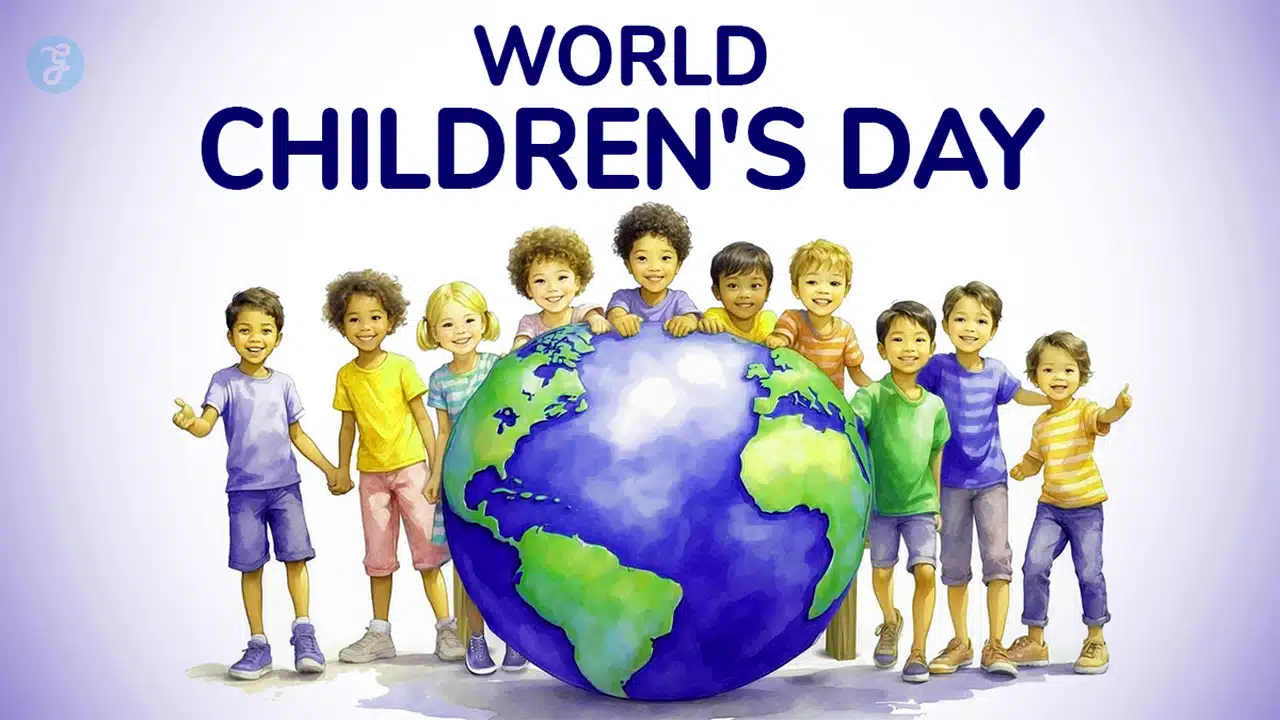
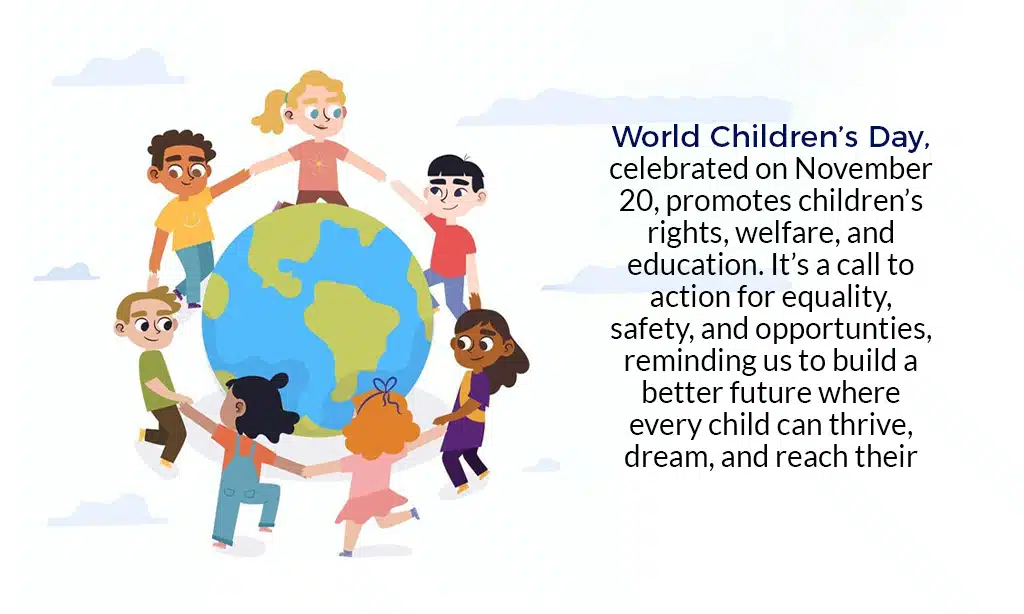
World Children’s Day, observed on November 20, brings this conversation back into focus. It marks the date when the United Nations General Assembly adopted the Convention on the Rights of the Child in 1989, a landmark moment that established that children have human rights too, rights that are universal and cannot be denied.
According to UNICEF, the 2025 theme is “my day, my rights,” which emphasizes listening to children and understanding how their rights show up in daily life.
This post shares ten practical activities for families and schools. Each one helps young people celebrate diversity while championing children’s rights across borders, cultures, and beliefs.
Key Takeaways
- World Children’s Day on November 20 marks the UN adoption of the Convention on the Rights of the Child in 1989, now recognized by over 190 countries worldwide.
- The 2025 theme, “my day, my rights,” calls on everyone to listen to children’s voices and uphold their fundamental rights across all cultures and borders.
- Simple activities like cultural exchange days, food potlucks, and collaborative art murals teach kids about diversity while promoting equality, empathy, and human rights awareness.
- According to a 2024 ILO-UNICEF report, 138 million children globally remain in child labor, showing the urgent need for child protection education and advocacy.
- Teaching about international agreements protects children from discrimination, labor abuse, or violence, core principles supported by UNICEF and United Nations programs worldwide.
What is World Children’s Day

World Children’s Day is a special observance created by the United Nations to honor all children and their universal rights. This global day of action calls on everyone to stand up for children’s voices, human rights, and child protection through events and learning.
History and Significance
World Children’s Day champions the belief that every child deserves equal treatment, regardless of where they live. The Geneva Declaration of the Rights of the Child, accepted on November 26, 1924, was a first step in protecting children worldwide.
In 1925, leaders held the first International Children’s Day in Geneva. By 1929, Atatürk confirmed April 23 as National Children’s Day in Turkey, making it one of the earliest examples of this type of national holiday.
The Women’s International Democratic Federation drove efforts that led to June 1 becoming International Day for Protection of Children in 1949. Five years later, India and Uruguay suggested Universal Children’s Day to the UN General Assembly in 1954. They wanted to create a global day when people would stand up for children’s rights.
UNICEF became part of the United Nations family in 1953 to support child protection around the world.
Since then, countries everywhere recognize that every child has universal rights protected under international law, such as the UN Convention on the Rights of the Child. According to UNICEF’s 2024 State of the World’s Children report, close to 19 percent of the world’s children now live in conflict zones, up from around 10 percent in the 1990s, making the protection of these rights more critical than ever.
Theme for World Children’s Day 2025
The theme for World Children’s Day 2025 is “my day, my rights.” This theme marks the 36th anniversary of the UN Convention on the Rights of the Child and urges people everywhere to amplify children’s voices and protect their non-negotiable rights.
On November 20, over 190 countries will join in this global day of action.
The United Nations encourages all of us to hear what children say about their future, safety, and equality. As UN Secretary-General António Guterres stated, “This World Children’s Day, let us listen to children and amplify their voices as they stand up for their rights.”
This year’s focus links directly to the Convention on the Rights of the Child, which became official in 1989. The message also highlights child protection as a human right that cannot be ignored or delayed.
Every child’s voice matters in shaping better laws and actions through committees such as UNICEF and other child advocacy groups worldwide. Celebrating diversity remains key since it helps ensure universal rights belong to every child, no matter where they live or who they are.
Activities To Help Kids on World Children’s Day
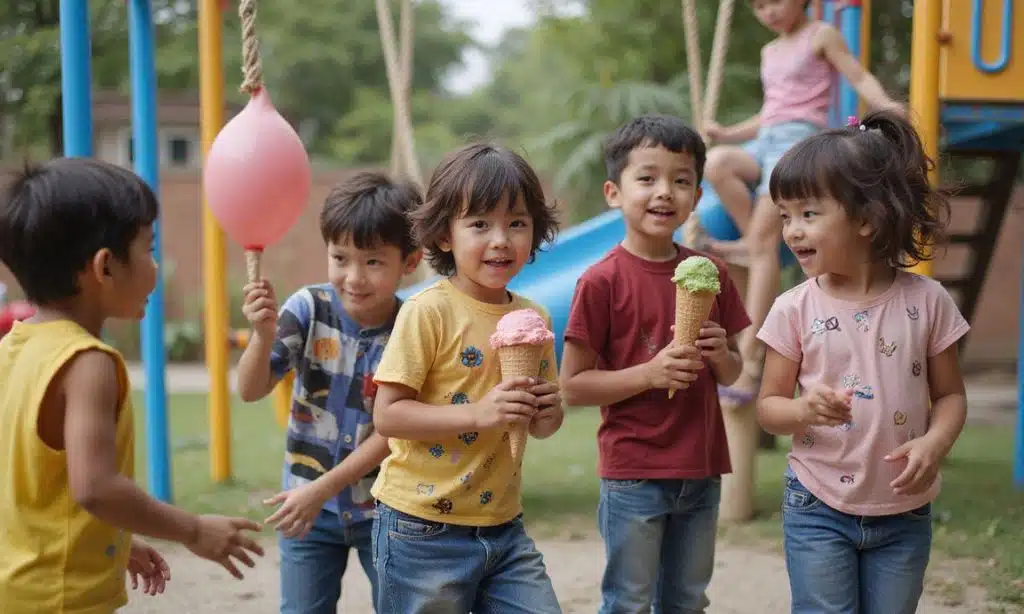
Every child has the right to feel seen, valued, and included on World Children’s Day. Through hands-on activities full of culture, stories, and creativity, we can help young people understand diversity and champion human rights in their daily lives.
1. Host a cultural exchange day for kids
A cultural exchange day gives children a powerful way to meet, share, and learn from each other. This activity reflects the Convention on the Rights of the Child and the purpose of Universal Children’s Day.
Studies show that exposure to diverse cultures in early childhood helps children develop empathy and critical thinking skills. According to a 2024 study from the Century Foundation, students in socioeconomically and racially diverse schools demonstrated higher academic achievement compared to their peers in less diverse schools.
Here’s how to create a memorable cultural exchange day:
- Invite children to wear traditional clothes from their heritage. They can come dressed for Kodomo no Hi in Japan or Día del Niño in South America.
- Set up stations with global games like Chinese jump rope or Central African board games, fostering child advocacy and connection.
- Play national anthems such as “Majulah Singapura” or music by Zubir Said during group time, building respect for each unique culture.
- Ask families to bring snacks that represent their background. Share foods from different countries, like sushi for Japan or empanadas from Latin America.
- Display family trees and kinship terminology posters, highlighting diversity in households and family structures around the world.
- Organize storytelling sessions where adults read folk tales from the former Soviet Union states or Burma, teaching about history and empathy.
- Encourage children to write postcards or draw pictures for peers around the world via partnerships with organizations like Save the Children.
- Discuss non-negotiable rights using simple language adapted from the Declaration of the Rights of the Child. Help kids grasp why every child deserves universal rights.
- Plan a parade inside your school or community center with flags representing all home countries. March together to celebrate International Children’s Day values.
These steps inspire understanding between cultures, spark curiosity about human rights, and help build a better world on World Children’s Day.
2. Explore the map of world traditions for kids
Exploring world traditions helps children see how different cultures make our planet rich and interesting. This activity also teaches about human rights, equality, and respect for all.
Research from Common Sense Education highlights that multicultural resources depicting various races, genders, languages, and backgrounds help reduce prejudice and encourage tolerance in schools. Children learn best when they can see, touch, and interact with these concepts through hands-on activities.
- Gather a large world map and let kids mark countries that celebrate Children’s Day, such as Korea on May 5 or Turkey on April 23.
- Share facts about each tradition. In Japan, the Doll Festival honors girls, while Korea’s public holiday has been official since 1970.
- Introduce food, music, or stories from places like Vietnam’s June 1 celebration or Paraguay’s remembrance of the Battle of Acosta Ñu.
- Discuss what “universal rights” mean for children everywhere using simple words like freedom from child labor or the right to family protection.
- Connect these traditions to the United Nations Convention on the Rights of the Child and show how many nations signed it after adoption by the UN General Assembly.
- Compare how global days of action highlight children’s voices in different countries. For example, Mexico marks Día de la Revolución as a special event.
- Use photos or short films to help kids learn about different family structures or cultural holidays like Cinco de Mayo and Father’s Day across borders.
- Explain that some countries hold events to honor peace, especially after wars such as the Triple Alliance conflict in South America.
- Point out unique traditions like Burma (Myanmar) sharing peace messages every Universal Children’s Day.
- Encourage young learners to create a world map mural by drawing symbols from various countries that represent unity and child advocacy.
This activity raises awareness about international children’s rights while teaching about history and fairness worldwide.
3. Organize a multicultural food potluck for children
A multicultural food potluck brings children together as they share meals from many backgrounds. This activity gives every child a voice and honors the universal rights of all.
Food has always been a powerful way to introduce people to new cultures. According to multicultural education experts, traditional dishes carry stories that are closely tied to a culture’s history, traditions, and customs.
- Invite families to cook dishes that reflect their family heritage or culture, celebrating global traditions while teaching respect for differences.
- Display a map showing where each dish comes from, linking foods to world regions such as Mexico, Nigeria, Colombia, and Brazil, places where Children’s Day is celebrated on different dates.
- Encourage each child to discuss their dish using simple words or short stories, helping connect food with personal identity and building empathy.
- Set up learning stations at the potluck with information about children’s rights, like the Convention on the Rights of the Child adopted by the United Nations General Assembly.
- Include traditional games or music from different countries during mealtime. This helps children understand cultures beyond just taste and expands inclusion.
- Provide note cards for kids to write one thing they learned about another country’s festival. These can be added to a “Better World” wall for all to see.
- Use photos or brief facts at each table setting, highlighting global days of action such as Universal Children’s Day and how communities advocate for non-negotiable rights worldwide.
- Remind adults leading the event that all activities should honor equality, dignity, and safety, core principles of child advocacy and protection for every child attending.
Family heritage teaches children about their roots and human rights. Sharing photos and stories helps unite families across cultures, highlighting the importance of equality and dignity for every child.
- Tell children stories about family members who lived through important historical events, like the Paraguayan War or the stolen generation in Australia.
- Show old family photos that connect to different traditions or celebrations, such as Tango-no Sekku in Japan or Children’s Day in Ethiopia since 1991.
- Discuss with children how their relatives stood up for justice, like sharing tales of ancestors who advocated for children’s rights or fought against slavery.
- Ask kids to describe what family means to them, just as Duha, age 14 from Palestine, did when she spoke about her right to a home.
- Share items like letters, crafts, or clothing that come from your family’s culture. Explain their meaning and link them to the universal rights all children share.
- Encourage each child to bring a photo or story from home during World Children’s Day activities in November, following how families in the Philippines observe Children’s Month by sharing stories about children’s rights.
- Highlight the work of groups that protect child rights globally, such as UNICEF therapy sessions where children learn through storytelling with their families.
Sharing these experiences helps kids see that family history matters everywhere and connects to global efforts for child protection and justice.
5. Create a collaborative “World Peace” mural with kids
Creating a “World Peace” mural brings children together to celebrate unity and respect. This art project helps kids understand universal rights in a creative way, while making their voices heard.
According to the National Association for the Education of Young Children, art projects are an excellent way to give students hands-on experience in working with complex subjects like diversity and human rights.
- Invite children from different backgrounds to join the mural project on World Children’s Day, reflecting the spirit of the UN General Assembly’s Declaration of the Rights of the Child.
- Use guidance from UNICEF’s summary of children’s rights as inspiration for each part of the artwork, encouraging every child to add their own ideas about peace and protection.
- Show examples like Thailand’s Children’s Day collaborative art displays to help children imagine how big groups can work toward world harmony.
- Choose symbols or colors that represent hope, human rights, and equality for all children, echoing global day of action goals set by the United Nations.
- Discuss with kids why words like “peace,” “inclusion,” and “equality” matter. Ask each one to paint or draw something that shows these values for a better world.
- Invite local artists or child advocacy leaders, such as representatives from Save the Children or SNAICC, to add messages about non-negotiable rights and child protection.
- Display the completed mural in a public space where families can see it, helping raise awareness about children’s voices and International Children’s Day campaigns around justice.
6. Watch diverse cultural films suitable for children
International films provide a platform for children to explore and appreciate various cultures. World Children’s Day is an ideal time to bring children together through moving stories that reflect universal children’s rights.
- Choose family movies that show life in countries such as India, Japan, Denmark, or Finland. India screens films for Children’s Day on November 14 to honor Jawaharlal Nehru.
- Pick titles with strong messages about human rights, child protection, empathy, and universal values.
- Feature animated shorts from Japanese studios during Japan’s Children’s Day on May 5. It has been a national holiday since 1948 with special programming for young viewers.
- Rotate films that depict different traditions and languages. For example, Denmark celebrates its November 20 event by airing kids’ movies across cultures.
- Include documentaries or stories about the Convention on the Rights of the Child or the Declaration of the Rights of the Child.
- Plan movie discussions with children after screenings. Use moments from films to talk about justice, equality under the UN General Assembly, and non-negotiable rights.
- Highlight topics such as inclusion by watching movies featuring characters from many backgrounds or situations, like different family structures or international friendships.
- Support advocacy by choosing short films highlighting children’s voices in countries facing issues like child labor or migration.
7. Start a conversation with kids about children’s rights and equality
Kids need to know their rights. We must help them speak up and feel safe.
According to the 2024 ILO-UNICEF Global Estimates report released in June 2025, 138 million children remain in child labor worldwide. This number declined by over 22 million since 2020, showing progress, yet the world missed its target of eliminating child labor by 2025. These conversations hold significance as they equip children with the ability to identify instances of rights violations.
- UNICEF says that child rights are universal and non-negotiable human rights. This means that every girl and boy should have them no matter where they are.
- Talk about the Convention on the Rights of the Child, adopted by the United Nations General Assembly, which protects children’s voices and their right to protection and education.
- Share data showing that 138 million kids ages 5–17 remain in child labor worldwide, as reported by the International Labour Organization in 2024.
- Discuss why rules against child labor, slavery, and exploitation are key for a better world. Use examples like the ILO’s 1999 Convention that bans these acts.
- Invite them to share what fairness means or if they have seen someone treated unfairly because of who they are.
- Use stories or news about kids from different countries to show that all kids, no matter where they come from or what country they live in, should be treated equally.
- Encourage youth participation in groups like U-Report so they can raise their opinions about child protection and equality.
- Remind everyone that standing up for children’s rights helps create a safer future for all kids everywhere.
8. Run a diversity-themed art workshop for children
Children learn best through creativity. An art workshop with a focus on diversity gives every child a voice and opens fresh conversations about universal rights.
- Invite children to create artwork inspired by festivals from Sweden, Hungary, Poland, or Japan’s Children’s Day, highlighting shared hopes for a better world.
- Use flags, fabrics, and symbols from different nations to let everyone see how art bridges cultures and encourages inclusion.
- Read short stories on human rights and child protection before the activity. Then ask each child to paint what “safety” and “respect” look like.
- Display the Convention on the Rights of the Child poster as inspiration for each project. Make sure every participant feels their ideas matter.
- Encourage children to paint their family traditions, using photos or memories. Show how different backgrounds enrich our global day of action.
- Hang all artworks together as one mural called “Voices of the World.” Talk about how this collective piece reflects unity, hope, and advocacy for every child, echoing the Declaration of the Rights of the Child.
- Close with a group photo and share it with parents along with brief notes about what children learned regarding equality and universal rights on this special day marked by the United Nations General Assembly.
This simple approach helps turn World Children’s Day into an engaging lesson in justice and empathy for all ages.
9. Arrange a storytelling event with diverse speakers
Storytelling gives kids a way to hear many voices. It helps them learn about the world and the universal rights of children.
- Invite speakers from different backgrounds, such as teachers, community leaders, or parents who speak other languages, to share their stories on Universal Children’s Day.
- Honor Rev. Dr. Charles Leonard’s work by holding this event in June, like his Rose Day in 1857, or on local Children’s Day holidays such as Guatemala’s October 1 or Bolivia’s date since 1954.
- Feature storytellers who can talk about the Convention on the Rights of the Child and the Declaration of the Rights of the Child so kids understand non-negotiable rights and equality.
- Ask speakers to share tales about family traditions, migration, child protection, or human rights struggles like those faced by child laborers, refugees, or children in challenging situations.
- Use pictures and objects from around the world to help bring each story to life for children.
- Include stories from Canada’s National Child Day events since 1993 that teach about children’s voices and universal rights under UN General Assembly conventions.
- End each story with a chance for every young person to ask questions or reflect on how they would stand up for children’s rights and build a better world for all children.
10. Discuss inclusion and empathy with children
Children need to feel included and valued, no matter their background or story. We help create a better world when we talk about inclusion and empathy with them.
Research from the University of Miami’s online Doctor of Education program emphasizes that educators must continuously train in cultural competency and inclusive teaching practices. Topics such as unconscious bias and culturally responsive teaching are essential components of this training.
- Use simple stories to teach how including others makes everyone stronger, showing examples from Universal Children’s Day and World Children’s Day.
- Share facts with children, like how 473 million children (nearly 1 in 5 globally) now live in conflict zones according to UNICEF’s 2024 data, to teach why we must stand up for children’s rights everywhere.
- Discuss the United Nations Convention on the Rights of the Child and why every child deserves protection from violence, child labor, or discrimination.
- Encourage kids to role-play kindness. Let them practice caring for classmates who may feel alone or left out due to culture or ability.
- Watch films or read books about children’s lives in different countries. Talk openly about what makes each story special and unique.
- In group talks, ask kids how they’d feel in another child’s shoes to promote empathy and respect.
- Share news on global days of action like the World Day for Prevention of Child Sexual Exploitation. Put focus on human rights and safety for all children.
- Display photos of various family structures and communities from countries like Japan and Burma, allowing children to understand that families can take many forms.
- Remind them that words matter. Urge students not to use language that excludes based on nationality, belief, gender, or any difference.
- Bring real examples into class talks so they appreciate inclusion in daily life and understand its importance for building a just world.
Takeaways
Every child deserves to feel seen, safe, and respected. These activities help kids learn about human rights and the value of every culture on World Children’s Day. We can work together for a better world where children’s voices are heard. Let us stand up for non-negotiable rights, showing that unity creates change for all.
FAQs on World Children’s Day
1. What is World Children’s Day and why do we celebrate it?
World Children’s Day, celebrated annually on November 20th, is a global day of action honoring the 1989 adoption of the Convention on the Rights of the Child. The UN General Assembly created the day to promote international togetherness and child protection. We celebrate to advocate for children’s rights and well-being in our communities.
2. How can we teach kids about human rights on Universal Children’s Day?
We can explain that the Convention on the Rights of the Child grants them specific non-negotiable rights, such as the right to an education (Article 28) and protection from violence (Article 19). Teaching these universal rights helps children understand that every person has inherent value and deserves to be safe.
3. What activities help children learn about diversity and inclusion?
Children can explore other cultures by learning about global celebrations, like Children’s Day in Japan on May 5th or Natalicio de Benito Juárez in Mexico. Trying new foods, listening to world music, or making art inspired by different traditions helps kids appreciate that diversity makes our world a more interesting place.
4. Why is child advocacy important on this day?
Child advocacy gives power to children’s voices and is crucial for protecting vulnerable youth from issues like child labor. According to the International Labour Organization, millions of children are still engaged in hazardous work. Advocacy on World Children’s Day helps create positive change by raising awareness and demanding action from leaders.
5. How did World Children’s Day begin?
The United Nations established Universal Children’s Day in 1954, and its mission was significantly amplified after the 1990 World Summit for Children brought global leaders together to prioritize child welfare.
6. What can families do together on International Children’s Day?
Families can read books that explore different cultures, such as the “Children Just Like Me” series, which shows how children live around the globe. You can also cook a simple international meal together. These activities open conversations about why treating everyone with kindness and respect is important.