Did you know homes are burglarized in the US every 25.7 seconds?
Or this one, that’s interesting too:
Approximately 150 million surveillance cameras actively monitor homes worldwide.
Beyond the numbers, these silent sentinels hold a treasure trove of interesting facts and figures.
This article uncovers fascinating 10 facts about home security systems and how they have evolved beyond guards, dogs, locks and keys.
Dive straight in!
Interesting Fact #1: Historical Development
People have employed various methods to protect their homes throughout history.
In ancient times, wealthy individuals and rulers hired guards and watchmen. Medieval castle architecture included moats, drawbridges, and fortified walls.
Locks and keys became sophisticated during the Renaissance.
The Industrial Revolution brought about new security measures like safes, strongboxes, and private security firms.
In the late 19th and early 20th centuries, surveillance cameras such as closed-circuit television (CCTV) systems were invented. Telephone lines connected homes to central monitoring stations for faster emergency.
The late 20th Century saw the introduction of advanced security features such as motion detectors, CCTV cameras, and keyless entry systems. The transition from analogue to digital systems marked a turning point, enabling higher-resolution images and remote access.
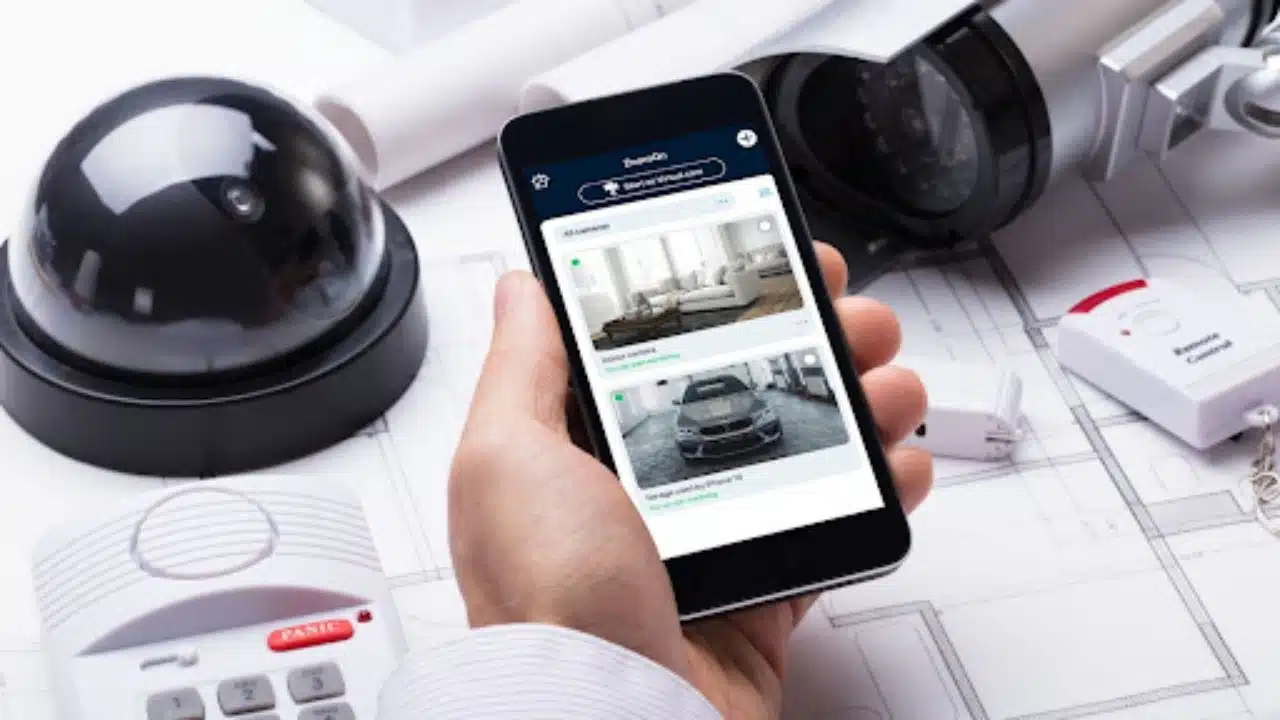
In the 21st Century, wireless alarm systems gained popularity and introduced remote monitoring and control through smartphones and computers. Today, security camera apps on smartphones have further revolutionized home security with AI and cloud storage, making it more accessible and effective.
Interesting Fact #2: Crime Deterrent
According to a study by the Alarm Industry Research and Educational Foundation, homes with visible security systems are 300% less likely to be targeted by burglars.
Interesting Fact #3: False Alarm Rates
In the US, false alarms from security systems cost taxpayers an estimated $2 billion annually in wasted police resources. Advances in technology are helping to reduce these false alarm rates.
Interesting Fact #4: Rapid Respons
The average police response time to a security alarm is around 7 minutes, but with monitored systems, it can be as quick as 45 seconds, significantly improving the chances of catching intruders in the act.
Interesting Fact #5: Wireless Popularity
Wireless home security systems have gained popularity due to their ease of installation. In fact, over 80% of new home security installations use wireless technology.
Interesting Fact #6: Facial Recognition
Facial recognition tech has roots in ancient art. Egyptians, Greeks, & Romans created sculptures & artworks with accurate facial proportions, adhering to mathematical principles similar to modern facial recognition algorithms. The concept of recognizing and replicating human faces dates back thousands of years.
Interesting Fact #7: Smartphone Integration
Approximately 60% of homeowners with security systems use smartphone apps to control and monitor their systems remotely. This statistic underscores the increasing importance of mobile technology in home security.
Interesting Fact #8: Doorbell Cameras
Doorbell cameras, a popular component of modern security systems, have been credited with aiding law enforcement in solving crimes. Doorbell cameras alone have helped catch over 100 burglars.
Interesting Fact #9: Global Market Growth
The global home security market is expected to grow steadily, with estimates suggesting it will surpass $100 billion by 2025. This growth is driven by rising awareness of security concerns and technological advancements.
Interesting Fact #10: Privacy Laws
Privacy laws worldwide are adapting quickly to new technologies like facial recognition and data collection. The EU’s GDPR grants more control over personal data and fines for non-compliance. At the same time, US states like California have their own data protection laws. These changes reflect a growing recognition of the need to protect privacy in the digital age.
Conclusion
Home security systems have come a long way from ancient security measures to the modern era of security camera app.
Uncovering all interesting facts and figures, we have found that homes with visible security systems are significantly less likely to be targeted by burglars, and rapid police response times are enhanced through monitored systems.
As wireless technology gains popularity and facial recognition becomes increasingly sophisticated, it’s clear that home security is entering a new era. With the global market growing steadily, it’s high time to prioritize safety.
Ready to enhance your home security?
Download the ZoomOn app today from the app store for both iOS and Android devices. With ZoomOn, you can enjoy the benefits of cutting-edge security features and keep an eye on your home, no matter where you are.
Don’t wait; take control of your safety now.