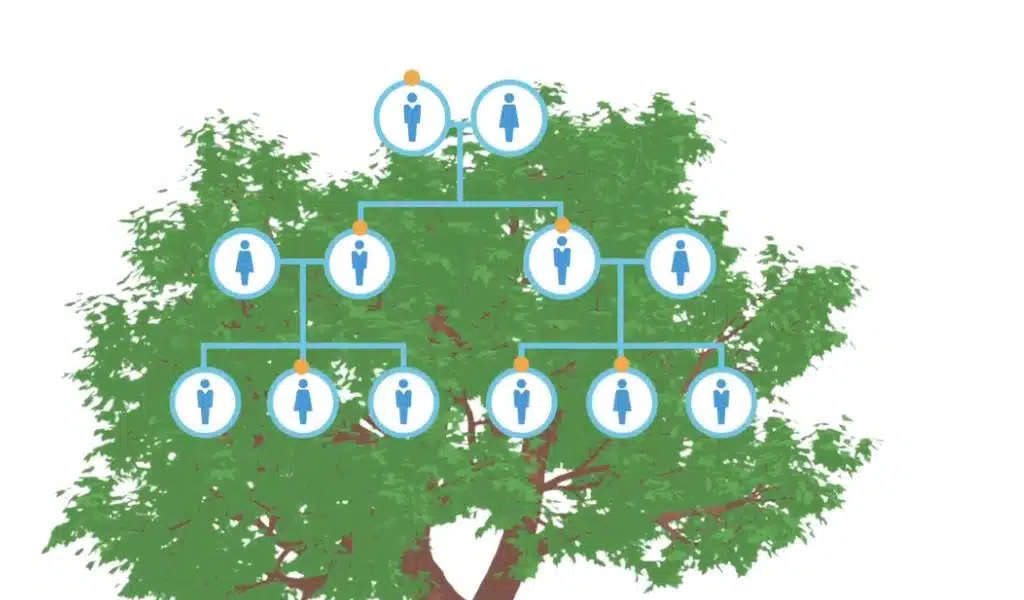
Carrier screening is a process that determines if an individual carries any genetic mutations. These mutations can lead to genetic disorders and are especially risky because they can be passed on to your children.
It’s also entirely possible for you to be a silent carrier—Someone who has the mutations that cause a particular disorder without actually having the disorder or having very mild symptoms.
This is our ultimate guide for carrier screening for genetic conditions where we’ll be answering all of your questions.
What is Carrier Screening?
The sole purpose of carrier screening is to identify silent carriers who don’t show any symptoms of a genetic condition but may pass it on to their offspring.
The correct identification of a carrier status can help couples make more informed decisions about family planning and seeking medical interventions. The most common disorders that carrier screening is done for include cystic fibrosis, sickle cell disease, Tay-Sachs disease, thalassemia, Canavan disease, and familial dysautonomia.
Understanding reproductive risks and making choices that align with your family goals and values are important—And carrier screening helps you do precisely that.
Why and When is it Important?
If you’re planning to have a baby or already expecting one, you might want to look into carrier screening. It doesn’t matter if your entire family never showed any genetic disorder. Almost all of us carry at least one genetic mutation and unless the other parent also has the same mutation, it will not manifest as a disorder in the baby (more on this later).
- Carrier screening provides much-needed information about the risk of having a child with a specific genetic condition. It raises awareness about potential genetic risks within a family and allows you to understand the conditions that run in the family.
- In some cases, early intervention or medical management can mitigate the disorder’s risks. This cannot be done, however, if you don’t know about the disorder you’ll be passing along in the first place.
- It’s also not rare for parents to become emotionally prepared for the possibility of having a child with a genetic disorder. Learning of a disorder suddenly when something goes horribly wrong is always a bad scenario. Such preparation can also help you reach out to support groups or seek emotional support.
The timing of carrier screening can vary depending on individual circumstances. It is commonly offered before or during pregnancy, but it can also be done in the preconception phase.
How Accurate is Carrier Screening?
Carrier screening is very accurate. It can reliably detect the presence of genetic mutations associated with particular genetic conditions. Though it’s affected a little by what test was used or the quality of the lab performing the test, most tests can still accurately detect a single copy of a mutation.
Keep in mind that the job of the carrier screening test is to tell you if you carry a gene mutation that causes a disorder or not. It cannot tell you if the child will inherit it or develop a genetic disorder. It also cannot cure anything.
Also, carrier screening tests are specialized tests to detect a particular mutation. One test cannot detect all mutations. If you test for two mutations and the results come back negative, then it doesn’t mean that a third mutation doesn’t exist in your genes.
Your ethnicity might be a key factor in determining which test(s) you opt for.
- Caucasians and Ashkenazi Jews have a comparatively higher carrier frequency of cystic fibrosis (1 in 28) compared to Hispanics (1 in 46), African Americans (1 in 66), and Asians (1 in 87).
- Spinal muscular atrophy and Fragile X syndrome are common across ethnicities.
- African ancestry: Recommended to test for thalassemia and sickle cell disease.
- Southeast Asian and Mediterranean ancestry: Recommended to test for thalassemia.
- French Canadian/Cajun/Creole ancestry: Recommended to test for Tay-Sachs disease.
- Jewish ancestry: Recommended to test for cystic fibrosis, Tay-Sachs disease, Canavan disease, and familial dysautonomia.
What to do if a Significant Risk Comes Up?
Babies inherit a copy of the gene from each parent. Most genetic conditions will not trigger unless both copies of the gene don’t work properly. In other words, both parents need to be carriers for these genetic traits to occur. So, if only one parent has an altered gene, it’s very likely safe for the baby.
There’s a 50% chance that the baby will also be a carrier.
In fact, nearly all of us carry at least one genetic disorder. This includes families where the disorder never shows up. If only one parent is a carrier, you’re in the clear.
But if both parents are carriers and there’s a substantial risk, you can take certain measures:
- First of all, schedule an appointment with a healthcare professional specializing in genetics or a genetic counselor. They will explain the implications of the status and guide you through the options.
- Learn as much about the condition as possible—Including symptoms, progression, treatment options, and support services.
- Discuss family planning to explore options such as prenatal testing, preimplantation genetic diagnosis, or adoption.
- Look into organizations, advocacy groups, and online communities that specialize in that particular genetic condition. You never know where good advice or valuable help will come from.
Wrapping Up
Each situation is unique. The decisions you make should be based on your circumstances and values. Though healthcare professionals can provide much-needed professional help, ultimately, it’s up to you how you manage the news of a potential genetic disorder in your baby.
Such news can certainly be emotionally challenging. Seek support from family, friends, support groups, and mental health professionals for guidance and a safe space to express your feelings.